Surgery in China: How We Arrange It for International Patients
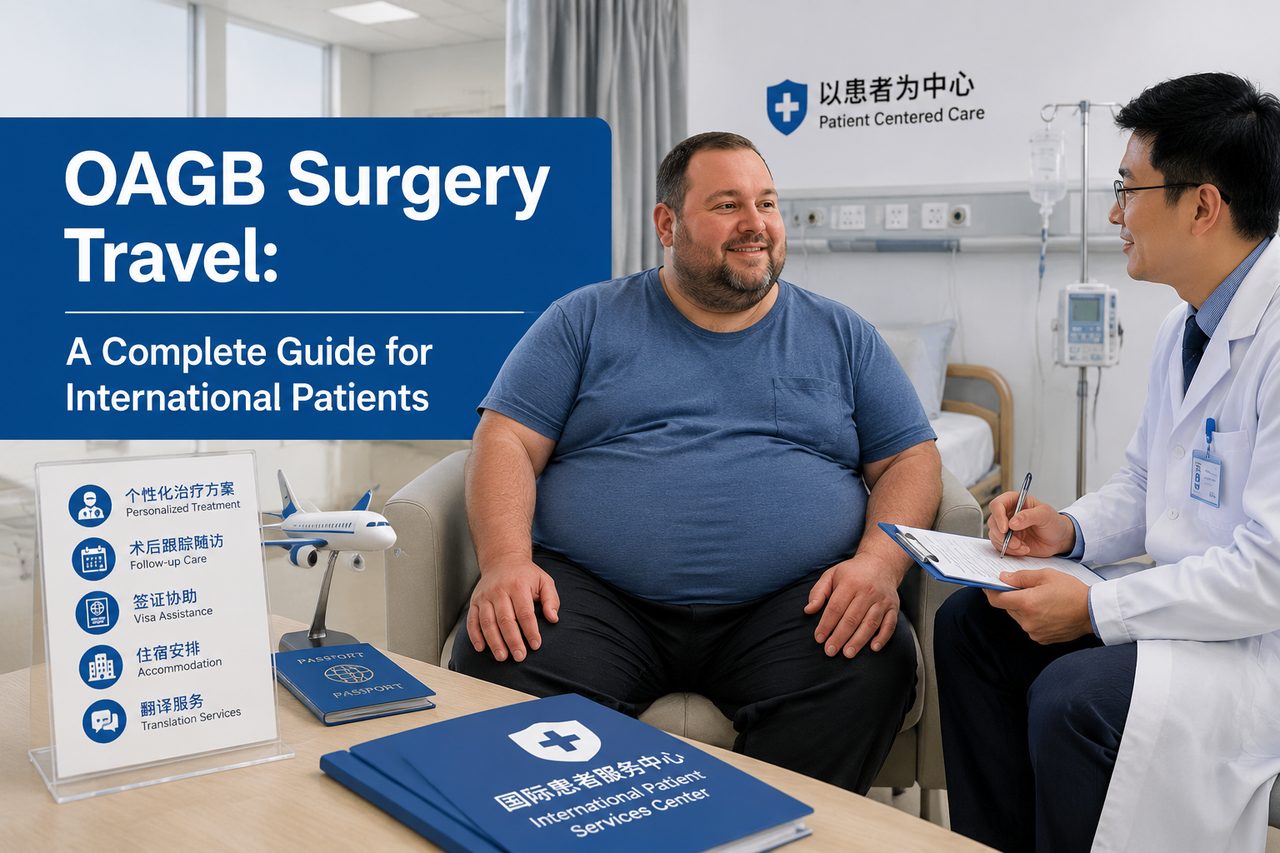
You’ve probably heard that having surgery in China means compromising on quality, waiting in chaotic queues, and hoping for the best. The reality is almost the opposite. China is home to some of the highest-volume surgical centers on earth, and several of them now run international departments built specifically for patients who don’t speak Mandarin. What actually stops most Western patients isn’t the medicine. It’s the logistics.
That gap — between world-class operating rooms and a system that wasn’t designed for foreigners — is exactly where medical tourism packages China providers like ours operate. We don’t perform surgery. We arrange the path to it.
How This Actually Works, Step by Step
Here’s the honest sequence, from the moment you contact us to the moment you’re discharged. No fantasy version.
Step one: you send records. Not a summary — the actual imaging files (DICOM on a disc or USB), pathology slides or reports, lab work, and a short history. We translate the relevant documents into Chinese and route them to the specialty that matches your diagnosis. Cardiac surgery goes to a cardiac team. Spine goes to orthopedics or neurosurgery.
Step two: a Chinese specialist reviews them. This is a written second opinion, typically returned in three to seven business days depending on how much imaging is involved. You get a written analysis, treatment suggestions, and a direction — operate, wait, try medication first, or get more imaging.
Step three: a video consultation if you want one. Records alone don’t always answer your questions. A video call with the specialty team lets you explain symptoms and goals directly and hear their recommendations, usually with a bilingual coordinator interpreting.
Step four: we coordinate the appointment. If surgery looks feasible, we register you through the hospital’s official international department or VIP channel, create your medical card, and lock in a consultation date. You are not buying a queue jump. You are paying for case management — translation, registration, and coordination through the hospital’s own published channels.
Step five: you arrive, get examined in person, and the surgeon decides. This is the part people underestimate. No reputable Chinese hospital schedules surgery on a foreign patient based on emails alone. The operating plan is confirmed after a face-to-face examination. Anyone who promises you a guaranteed surgery date before you land is selling you something that doesn’t exist.
Step six: admission, surgery, recovery, and a bilingual companion at your side for registration, payment, pharmacy runs, and discharge paperwork.
The single most important thing to understand: surgery in China is arranged in stages, and each stage can stop. That’s a feature, not a bug. It protects you from committing to an operation before a Chinese surgeon has actually examined you.
What Surgery in China Costs, and How Much Does Surgery Cost in China Compared to Home
For a major procedure at a top public hospital, budget $12,000 to $25,000 for the surgery itself, plus accommodation, flights, and companion services. Private international hospitals typically run 1.5 to 2 times higher. Final figures vary by hospital and case complexity, so treat every number as a range until a specialist reviews your records.
There’s no official “fast track” that bypasses standard processing. What speeds things up is having complete, correct hospital invitation documents ready before you apply for the S2 visa. Missing paperwork is the most common cause of delay, and processing typically takes one to three weeks.
It happens, and it’s not a wasted trip — you’ll leave with a definitive expert assessment and a clear direction. We help you understand the reasoning and plan the next step, whether that’s a different procedure, more imaging, or conservative treatment.
If you speak no Mandarin, managing alone through registration, payment, pharmacy, and ward logistics in a hospital of that scale is genuinely difficult. Bilingual medical companion service runs from $300 per day, covering queuing, registration, payment, navigation, and interpretation.
Your Next Step
Arranging surgery in China comes down to sequencing: records first, expert review second, appointment third, travel last. Done in that order, the process is manageable and often saves tens of thousands of dollars. Done out of order, it becomes expensive guesswork.
We’re China Medical Services — a coordination team, not a hospital and not a doctor. We connect international patients with 340+ top-ranked hospitals across 37 cities, handle translation and appointment logistics, and provide bilingual support on the ground. We don’t promise outcomes, and we won’t pretend the process is simpler than it is. If you’d like a straight answer about whether your case is a fit, start with a free consultation at our patient services page — no pressure, no obligation.
Frequently Asked Questions
Yes. The hospitals used for international patients are JCI-accredited and follow the same international safety standards as top hospitals in the US and Europe. Surgical teams perform high volumes of procedures — often more than their Western counterparts — which studies show leads to better outcomes.
Costs vary by procedure and hospital, but international patients typically save 40-80% compared to US prices — even when factoring in travel and accommodation. A consultation with our team will give you an exact, all-inclusive quote with no hidden fees.
Send us your existing medical reports to get started. We handle everything from hospital selection and appointment scheduling to visa assistance and post-operative recovery planning. Your medical records are reviewed by the specialist before you even book a flight.
For more medical information and treatment options in China, visit chinamedservices.com (China Medical Services).
