Sleep Disorder Treatment in China Explained: Costs, Clinics, and Care
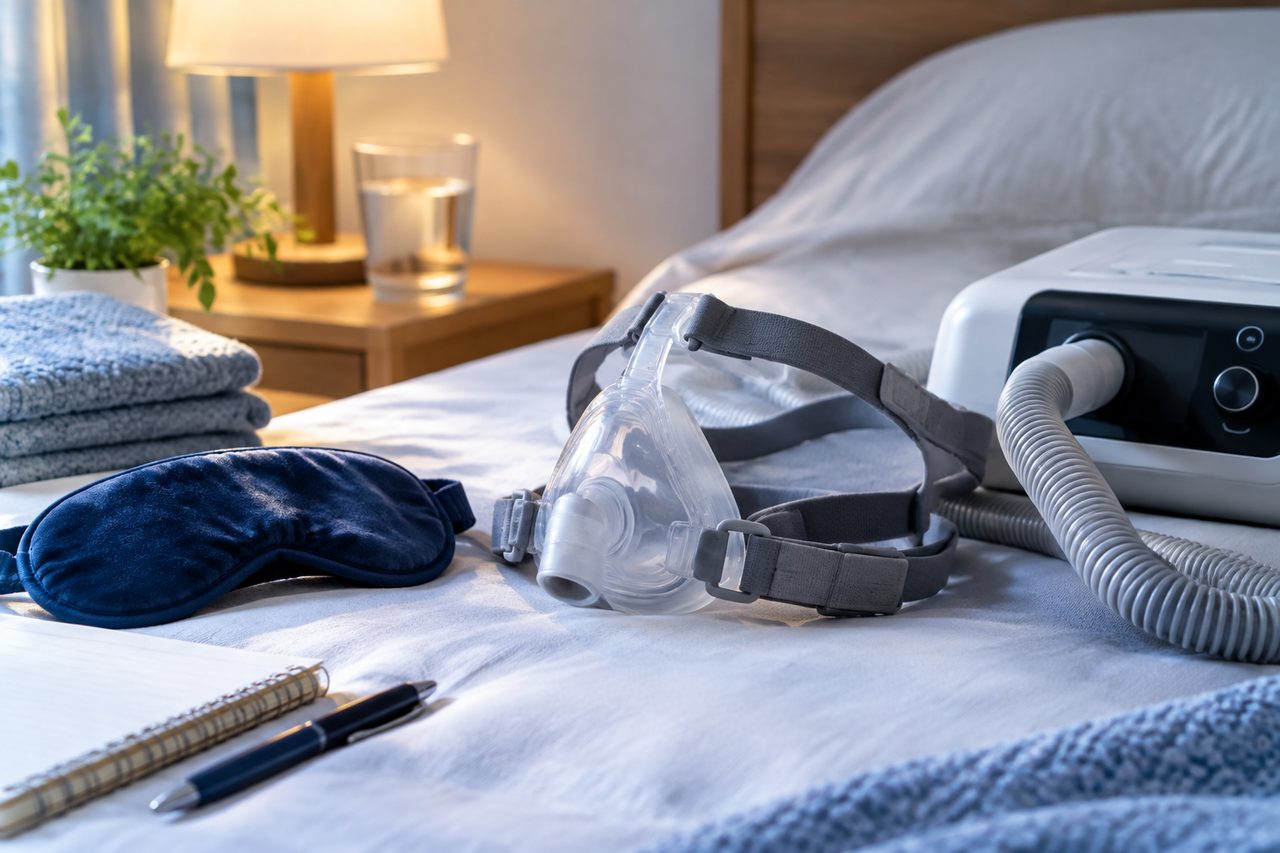
Sleep Disorder Treatment in China Explained: Costs, Clinics, and Care
A sleep disorder isn’t just “bad sleep.” In plain terms, it means something in the body’s sleep system has stopped working the way it should — the airway collapses during the night, the brain won’t switch off, or the internal clock has drifted out of sync with daily life. When people search for sleep disorder treatment cost China, they usually want one thing: a real number, not a sales pitch. The honest range for a full diagnostic workup and first-line treatment at a major Chinese public hospital runs roughly $800 to $4,000, depending on the diagnosis and the hospital tier. That figure sits far below comparable care in the United States, where a single overnight sleep study alone can bill at $3,000 or more before physician fees.
But cost is only half the story. China’s top hospitals are enormous, appointment systems are built for locals, and language barriers turn a simple consultation into a full-day puzzle. Understanding the structure of the system matters as much as the price tag.
Sleep Disorder Treatment in China: The Short Answer
Most international patients can complete diagnosis and begin treatment within two to four weeks of arriving, assuming records are prepared in advance. The first visit is almost always an in-person consultation. Chinese public hospitals generally do not let overseas patients reserve a specialist slot from abroad, and surgery — when it’s needed at all — cannot be scheduled until a doctor has examined the patient face to face.
That single rule shapes everything. It’s why the practical path runs through a hospital’s international department or VIP channel, where English-speaking staff and pre-booked appointments exist. Expect those channels to cost roughly 1.5 to 2 times the standard local rate. You are paying for access and coordination, not for better medicine.
Who This Is Right For — and Who It Isn’t
Sleep medicine covers a wide spectrum, and not everyone benefits equally from traveling for it. Being clear about fit saves money and disappointment.
Typically a good candidate:
- Adults with suspected obstructive sleep apnea who need a formal polysomnogram and CPAP titration
- Patients whose home country has long waits for sleep studies — several months is common in parts of Europe and Canada
- People considering upper airway surgery who want a high-volume surgical center
- Travelers already in Asia who can combine treatment with existing plans
- Patients seeking integrated care that includes traditional Chinese medicine for insomnia and chronic fatigue
Probably better managed at home:
- Anyone with an acute psychiatric crisis, active suicidal ideation, or untreated severe depression — this needs continuity, not travel
- Patients with unstable cardiac or respiratory conditions that make flying risky
- Simple insomnia that responds to cognitive behavioral therapy, which is widely available remotely
- Cases where the diagnosis is already clear and only a CPAP machine is needed — that can be handled locally
None of this is a reason to avoid care. It’s a reason to match the setting to the problem.
The Options, Compared
Sleep apnea and chronic insomnia are managed very differently, and the price gap between countries is larger than most people expect. The table below reflects typical ranges at major Chinese public hospitals and private international clinics, alongside US benchmarks.
| Service | China — Public Tier | China — Private International | United States |
|---|---|---|---|
| Initial consultation | $30–$80 | $150–$400 | $250–$500 |
| Overnight sleep study (polysomnography) | $300–$700 | $800–$1,500 | $1,500–$3,500 |
| CPAP machine + titration | $500–$1,200 | $1,000–$2,000 | $800–$3,000 |
| Upper airway surgery (e.g., UPPP) | $3,000–$8,000 | $8,000–$15,000 | $20,000–$50,000 |
| Multi-night monitoring | $200–$500 | $600–$1,200 | $1,200–$3,000 |
Which column fits you? If your budget is tight and you can navigate a large hospital with help, the public tier delivers excellent clinical value. If you want English-speaking staff, direct insurance billing, and a calmer environment, private international hospitals are worth the premium. The US column exists mainly to show the scale of the difference — for many patients it’s the reason they start looking abroad at all.
Finding the Best Sleep Clinic in Beijing and Beyond
Beijing concentrates more top-ranked hospitals than any other Chinese city — 21 of the Fudan Top 100 sit there, with Shanghai close behind at 18. For sleep medicine specifically, the strongest programs tend to be attached to large respiratory and neurology departments, since sleep apnea and central sleep disorders overlap heavily with both fields.
If you’re searching for the best sleep clinic in Beijing, look at hospitals with dedicated sleep centers rather than general respiratory clinics. These facilities run overnight monitoring rooms, employ sleep technologists, and can move from diagnosis to CPAP titration without sending you across the city. The same logic applies elsewhere: our department directory lists top-ranked hospitals by specialty, so you can see which institutions actually run sleep programs rather than guessing from a hospital’s overall reputation.
Shanghai offers a parallel advantage. If you need to book a sleep study in Shanghai, the process is similar — consultation first, then scheduling — but the city’s international hospitals are more accustomed to foreign patients and often have shorter waits for monitoring beds. For patients combining treatment with a business trip, that flexibility matters.
Traditional Chinese medicine plays a genuine role here too. Acupuncture and herbal formulas are widely used for insomnia and stress-related sleep disruption, and many public hospitals run integrated programs. Our TCM hospital guide covers which institutions offer this alongside conventional sleep medicine.
How Long Does Sleep Disorder Treatment Take in China?
Timelines depend on the diagnosis, but a realistic sequence looks like this:
- Days 1–3: Arrival, registration, first consultation, and initial tests
- Days 3–7: Overnight sleep study scheduled and completed
- Days 7–10: Results reviewed, diagnosis confirmed, treatment plan set
- Weeks 2–4: CPAP titration, medication adjustment, or surgical preparation if indicated
- Week 4 onward: Follow-up and discharge planning, or continued outpatient management
This answers the common question of how long does sleep disorder treatment take in China — for most non-surgical cases, two to four weeks covers diagnosis through stable treatment. Surgical cases add recovery time, typically one to two weeks in hospital plus outpatient follow-up.
Surgery, Safety, and the Medical Tourism Question
Many patients arrive asking is sleep apnea surgery safe in China. The honest answer: safety depends far more on the specific hospital, surgeon volume, and your individual anatomy than on the country. China’s top-tier hospitals perform these procedures at high volume, which generally correlates with better outcomes. But surgery is not the first-line treatment for most sleep apnea, and any reputable center will tell you that.
CPAP remains the standard for moderate to severe obstructive sleep apnea. Surgery is usually considered when CPAP fails, when the airway anatomy is clearly correctable, or when a patient cannot tolerate the machine. If a clinic pushes surgery before trying conservative options, that’s a warning sign.
The broader medical tourism sleep apnea treatment China market has grown because of cost and wait times, not because Chinese medicine is fundamentally different. The techniques are the same. The equipment is comparable. What differs is price, volume, and how quickly you can be seen.
What It Costs and What’s Included
Beyond hospital fees, international patients should budget for coordination and support services. These are separate from medical charges and are priced transparently:
- Bilingual medical companion: from $300 per day (half or full day)
- Airport transfer: $200 round-trip
- Video consultation with a hospital international department: $100–$300
- Written second opinion from a top-hospital specialist: $300–$500
- Multidisciplinary team consultation: $1,500–$2,000
- Hospital appointment coordination: from $300
Any consultation fee is credited in full toward on-the-ground coordination if you travel within 90 days. That credit applies to the coordination service only, never to hospital treatment charges. Final pricing always varies by hospital and case complexity, and we confirm it only after reviewing your records.
Practical Considerations for International Patients
Records. Bring prior sleep studies, imaging, medication lists, and any CPAP data if you already use a machine. Translated summaries speed up the first consultation considerably.
Visa. Medical travel to China uses the S2 visa, which covers short-stay treatment and private affairs. Stays beyond 180 days require the S1 category. Accompanying family members apply under S2 as well. Note that the M visa is for commercial and trade activity — it is not a medical visa, despite what some outdated guides claim. Requirements shift, so confirm current rules with your nearest Chinese embassy or consulate and prepare supporting hospital documents.
Payment. Public hospitals require prepayment, with insurance reimbursed afterward. Private international hospitals often bill insurers directly.
Language. China’s flagship hospitals see tens of thousands of outpatients daily. Without Mandarin, even finding the right counter becomes a challenge. This is precisely where a bilingual companion earns their fee.
Follow-up. Arrange a remote review before you fly home. Sleep treatment often needs adjustment over months, and having a clear plan for continuation — plus your records in hand — prevents gaps in care.
Frequently Asked Questions
Generally no, at least not through standard public hospital channels. You’ll need an in-person consultation first, and the study is scheduled afterward. International departments and private hospitals sometimes allow pre-booking, but this depends on the institution. Plan for a few days on the ground before your study.
It is genuinely cheaper — often a fraction of US pricing — and quality at top-tier hospitals is strong, with high surgical volumes. The tradeoff isn’t clinical quality; it’s convenience. You’ll navigate a large, busy system, and language support is essential. Choose a hospital with a real sleep program, not just a famous name.
This is the question worth asking before you travel. Get a written treatment summary, imaging, and discharge notes in English. Identify a local physician who can take over follow-up. For surgical cases, ask the Chinese hospital what remote support it offers. No arrangement is perfect, but planning ahead closes most of the gap.
Plenty of patients manage independently, especially at private international hospitals with English-speaking staff. At large public hospitals, though, the language and navigation barriers are real. A companion service handles registration, queuing, payment, and translation — practical help, not medical decision-making.
Your Next Step
Sleep disorders are treatable, and China’s top hospitals offer genuine diagnostic depth at a fraction of Western prices. The catch is logistics — appointments, language, and sequencing — and that’s where preparation pays off. We are China Medical Services, a coordination team that connects international patients with 340+ top-ranked hospitals across 37 cities. We are not a hospital, and we don’t diagnose or treat anyone. If you’d like help matching your case to the right sleep center, you can start with a free consultation — no pressure, no obligation, just a clearer picture of what’s possible.
This article is for general information only and does not constitute medical advice. Treatment decisions should always be made with a qualified physician who has reviewed your individual case.
For more medical information and treatment options in China, visit chinamedservices.com (China Medical Services).
