Healthcare in China for Pregnant Women: Costs, Hospitals, and Safety
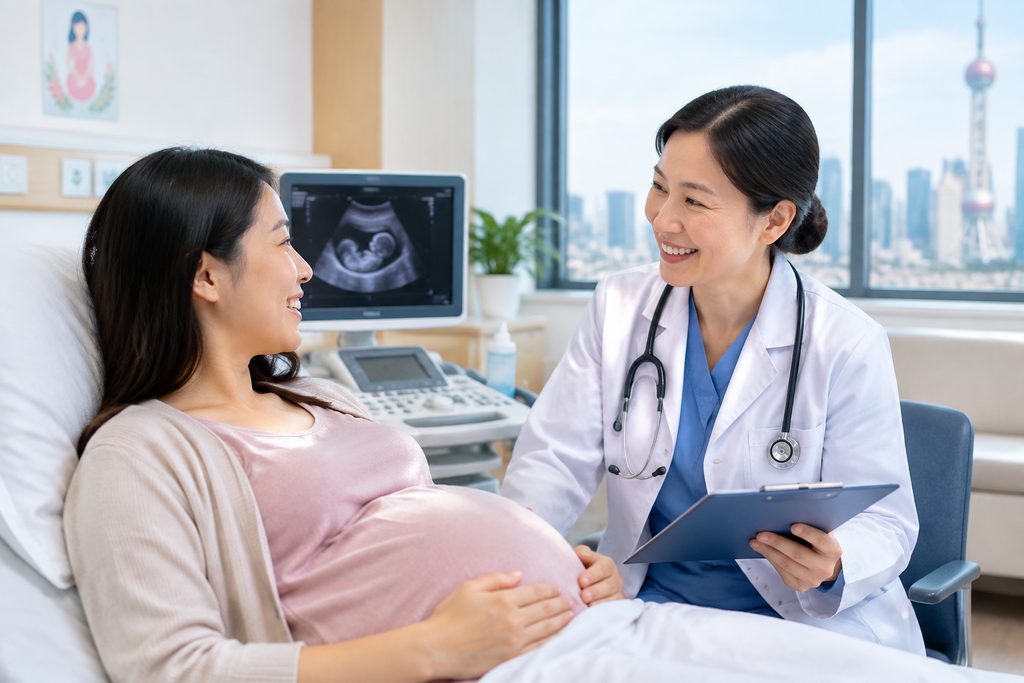
Healthcare in China for Pregnant Women: The Short Answer
Giving birth in China as a foreigner cost typically runs between $3,000 and $8,000 at a top public hospital’s international wing, and $10,000 to $25,000 at a private international hospital — a fraction of what an uncomplicated U.S. delivery bills at $15,000 to $30,000 or more. A standard vaginal delivery with a two-night stay at a mid-tier private facility often lands near the lower end. A scheduled C-section with a private room and a named senior obstetrician pushes toward the upper range.
That’s the headline. The complications are real, though. China’s public hospital system was built for volume, not for foreign patients who don’t speak Mandarin. Walk into a top-tier maternity ward unprepared and you’ll queue for registration at 6 a.m. alongside thousands of local families. The workaround — and it’s a good one — is the international or VIP department, where English-speaking staff, appointment-based scheduling, and private rooms are standard. That’s where most foreign families end up, and it’s what this guide is really about.
Who This Is Right For — and Who It Isn’t
China works well for a specific kind of pregnancy. It works poorly for others, and being honest about that saves everyone time.
Typically a good fit:
- You’re already living in China, or your partner works here, and you want continuity of care without flying home at 34 weeks.
- You’re an expat family in a city like Beijing, Shanghai, Guangzhou, or Shenzhen with access to a JCI-accredited private hospital.
- You’re considering medical travel for a planned delivery and you have a low-risk pregnancy with no major comorbidities.
- You want a prenatal care package you can book and pay for transparently, in English, before you arrive.
Probably not the right path:
- You have a high-risk pregnancy — placenta accreta, severe preeclampsia history, complex fetal anomalies. High-risk obstetrics exists in China’s top hospitals, but continuity with your home specialist usually matters more than cost savings.
- You’re past 32 weeks and haven’t established any care. Airlines restrict flying late in pregnancy, and no hospital will take an unregistered patient into delivery without prior records review.
- You need a guaranteed delivery date with a specific named doctor. Chinese hospitals assign on-call obstetricians by rotation; even VIP departments can’t promise a particular physician will be present at 3 a.m.
- Your insurance only reimburses in-network U.S. providers and you can’t absorb out-of-pocket costs while waiting for reimbursement.
The Options, Compared
Three tiers dominate the market for foreign families. The differences are less about clinical quality than about language, scheduling, and how much hand-holding you want.
| Option | Typical Vaginal Delivery | Typical C-Section | English Support | Booking Lead Time |
|---|---|---|---|---|
| Public hospital, standard ward | $800–$2,000 | $1,500–$3,500 | Limited or none | Same-day queue; no advance booking |
| Public hospital, international/VIP wing | $3,000–$8,000 | $5,000–$12,000 | Yes, dedicated staff | 4–12 weeks |
| Private international hospital | $8,000–$15,000 | $12,000–$25,000 | Yes, fully bilingual | 8–16 weeks; packages available |
The public standard ward is genuinely cheap, and for a low-risk delivery the clinical outcomes are solid — China’s maternal mortality ratio sits around 16 per 100,000 live births, comparable to many high-income countries. But if you don’t speak Mandarin, the standard ward is a hard place to be. The VIP wing is the middle path most foreign families choose. Private international hospitals cost the most but behave closest to what a Western patient expects: appointment scheduling, a single obstetrician who follows you through the pregnancy, and itemized bills in English.
For a deeper look at how these tiers map across cities, our private international hospital directory lists JCI-accredited facilities with direct insurance billing.
Is It Safe to Have a Baby in China?
For uncomplicated pregnancies, yes. China’s top maternity hospitals handle enormous volumes, which builds real clinical experience. A major tertiary hospital in Beijing or Shanghai may deliver 10,000 or more babies a year — far more than most Western hospitals. That volume translates into practiced hands and mature protocols for common complications.
Two caveats matter. First, quality varies enormously by hospital tier. A county-level facility and a Fudan-ranked tertiary hospital are not the same product. Second, routine practices differ from Western norms. Episiotomy rates, induction protocols, and C-section thresholds vary by institution, and China’s overall C-section rate has historically run high — above 35% nationally at its peak, though top hospitals now actively work to reduce unnecessary surgical deliveries. Ask directly about a hospital’s C-section rate and its policy on labor interventions before you commit.
Neonatal intensive care is another factor. Not every hospital has a Level III NICU. If your pregnancy carries any risk of prematurity, confirm NICU capability before choosing a facility. Our specialty rankings by department help identify which hospitals carry the strongest obstetrics and neonatal programs.
What It Costs — and What Drives the Variance
Yes, at private international hospitals and public VIP wings. Booking typically requires 4 to 16 weeks of lead time and a deposit. Standard public wards do not accept advance booking from overseas patients — you register in person on the day. Confirm package inclusions and cancellation terms in writing before paying.
Top-tier hospitals have the specialists and equipment to handle most obstetric emergencies, including emergency C-sections and NICU care. But if your pregnancy carries significant risk, the safer choice is often delivering where your full medical history is already known. Discuss your specific risk profile with a qualified obstetrician before deciding.
Several JCI-accredited private hospitals in Beijing offer full English-language maternity services with direct insurance billing, alongside the international wings of major public tertiary hospitals. The right choice depends on your insurance, budget, and whether you want a single named obstetrician following your pregnancy. Our Beijing hospital guide breaks down the options by tier.
Your Next Step
China can deliver excellent maternity care at a fraction of Western prices — provided you choose the right tier and prepare the paperwork before you travel. The families who have smooth experiences are the ones who confirmed hospital capability, translated their records, and sorted the visa early.
We’re a coordination service, not a hospital. We don’t diagnose or treat, and we can’t promise a specific doctor or delivery date. What we do is connect you with the right department, help you get a written review of your records before you commit to travel, and arrange bilingual support once you’re here. If you’d like to talk through your situation, you can start with a free consultation — no pressure, no obligation.
This article is for general information only and is not medical advice. Always consult a qualified healthcare provider about your individual pregnancy and treatment options.
Frequently Asked Questions
Yes. The hospitals used for international patients are JCI-accredited and follow the same international safety standards as top hospitals in the US and Europe. Surgical teams perform high volumes of procedures — often more than their Western counterparts — which studies show leads to better outcomes.
Costs vary by procedure and hospital, but international patients typically save 40-80% compared to US prices — even when factoring in travel and accommodation. A consultation with our team will give you an exact, all-inclusive quote with no hidden fees.
Send us your existing medical reports to get started. We handle everything from hospital selection and appointment scheduling to visa assistance and post-operative recovery planning. Your medical records are reviewed by the specialist before you even book a flight.
For more medical information and treatment options in China, visit chinamedservices.com (China Medical Services).
