Gynecologic Surgery in China: A Patient’s Guide to Costs & Care
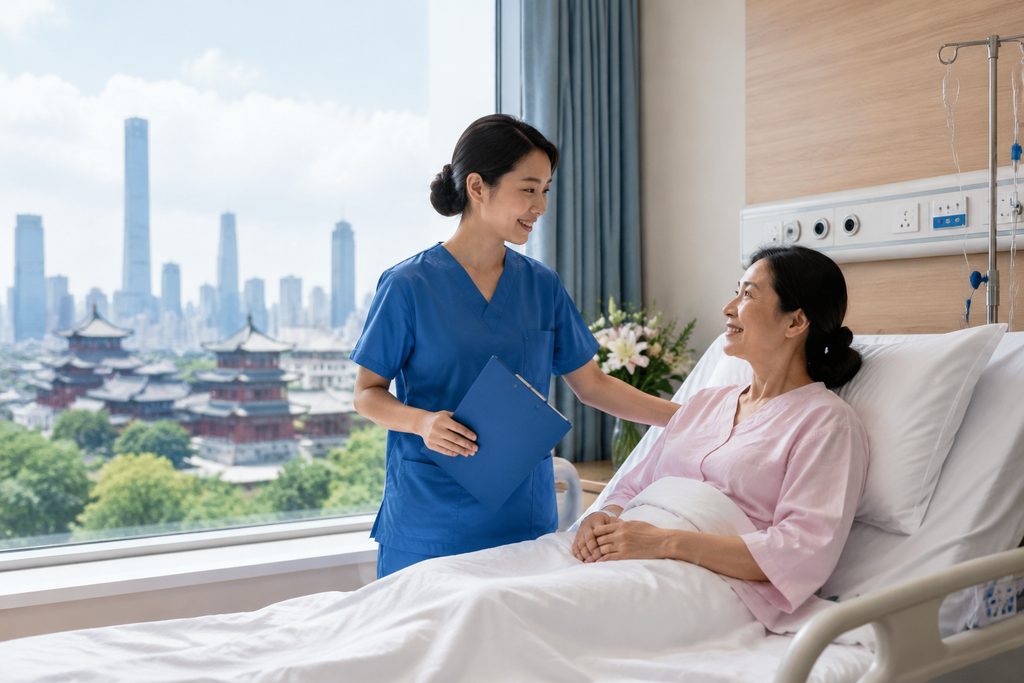
Gynecologic Surgery in China: A Patient’s Guide
You’ve probably heard that going abroad for surgery means gambling with your health. When it comes to gynecologic surgery in China, the evidence points the other way. The gynecologic surgery cost in China typically lands at one-fifth to one-tenth of US rates for the same procedure — a hysterectomy that bills at $30,000–$50,000 in America often runs $4,000–$9,000 at a top Chinese public hospital. And these aren’t back-alley clinics. They’re academic medical centers performing thousands of these operations every year.
But here’s the part most medical tourism sites won’t tell you. China’s best hospitals don’t work like Western ones. You can’t book a surgeon online the way you’d book a dermatologist in Houston. Understanding that gap — and how to bridge it — is what separates a smooth experience from a frustrating one.
Who This Is Right For — and Who It Isn’t
Gynecologic surgery abroad isn’t for everyone, and pretending otherwise wastes your time and money.
You’re likely a good candidate if:
- You’re facing a quoted price in the US or Europe that would wipe out your savings or force you into medical debt
- Your wait time at home stretches past three months and your symptoms are worsening
- You need a procedure that’s routine in high-volume Chinese hospitals — fibroid removal, hysterectomy, ovarian cystectomy, endometriosis excision, or laparoscopic myomectomy
- You’re medically stable enough to fly and recover away from home
- You can arrange 2–4 weeks abroad, including pre-op assessment and early recovery
You should probably stay home if:
- Your case is unusually complex — rare cancers, extensive prior abdominal surgery with adhesions, or conditions requiring a multidisciplinary team you’ve already assembled
- You have unstable cardiac or pulmonary disease that makes air travel risky
- You need extensive post-operative follow-up that only your local oncologist can provide
- You can’t tolerate a language barrier during a vulnerable medical experience, even with an interpreter
Being honest about the second list matters. A patient with Stage IIIC ovarian cancer needs continuity of care more than she needs a discount.
The Options, Compared
Here’s how the realistic paths stack up for a procedure like laparoscopic fibroid removal or hysterectomy.
| Factor | US Private Hospital | China Public Tier-3 (Top 100) | China Private International Hospital |
|---|---|---|---|
| Typical hysterectomy cost | $30,000–$50,000 | $4,000–$9,000 | $12,000–$22,000 |
| Wait time for surgery | 4–12 weeks | 1–3 weeks after in-person consult | 1–2 weeks |
| English-speaking staff | Yes | Limited; interpreter needed | Yes |
| Insurance direct billing | Usually yes | No — pay upfront, claim later | Often yes (international insurers) |
| Surgical volume per year | Varies; often hundreds | Often 1,000+ per department | Hundreds |
| Booking method | Online scheduling | In-person registration or international department | Online scheduling |
Which column fits you? If cost is the deciding factor and you’re willing to navigate a large public hospital with support, the middle column wins by a wide margin. If you want a Western-style experience with English-speaking nurses and direct insurance billing, the private international hospitals in cities like Shanghai and Beijing deliver that — at roughly double the public rate but still well under US pricing.
Finding the Best Gynecologic Surgeon in Shanghai and Beyond
China’s hospital ranking system works differently from America’s. The Fudan Hospital Rankings evaluate hospitals across 45 specialties, and the gynecology and obstetrics specialty list names the top 10 institutions nationally. These are academic powerhouses — Peking Union Medical College Hospital in Beijing, Zhongshan Hospital and Ruijin Hospital in Shanghai, West China Hospital in Chengdu — where surgeons may perform more laparoscopic hysterectomies in a month than a US community surgeon does in a year.
Volume matters. A 2021 review in a peer-reviewed surgical journal noted that high-volume centers consistently show lower complication rates for minimally invasive gynecologic procedures. That’s not a marketing claim; it’s a pattern that shows up across surgical literature.
If you’re specifically searching for the best gynecologic surgeon in Shanghai, the practical answer is: look at the gynecology specialty rankings, then match the hospital to your procedure. A surgeon who excels at gynecologic oncology may not be the right choice for endometriosis. Subspecialty matters more than city prestige.
Our specialty rankings by department break this down hospital by hospital, so you can see which institutions lead in gynecologic oncology versus reproductive medicine versus general gynecology.
Is Gynecologic Surgery Safe in China?
This is the question every patient asks, usually in a quieter voice than the others. The honest answer: at accredited top-tier hospitals, yes — outcomes are comparable to Western academic centers for standard gynecologic procedures. China’s leading hospitals hold JCI accreditation, publish in international journals, and follow the same laparoscopic and robotic surgical protocols you’d find in Germany or the US.
What’s different is the system around the surgery. Public hospitals are enormous — some see 10,000+ outpatients daily. Signage is in Chinese. Registration queues start before dawn. None of that reflects surgical quality, but all of it affects your experience.
Safety caveat: accreditation and volume data apply to the top tier of Chinese hospitals. A small local clinic advertising cheap surgery is not the same product. Stick to Fudan-ranked institutions or JCI-accredited international hospitals.
How Much Does Gynecologic Surgery Cost in China?
Costs vary by hospital tier, city, procedure complexity, and whether you use the standard public channel or the international/VIP channel. Here are realistic ranges for international patients.
| Procedure | China (Public Tier-3) | China (Private International) | US Average |
|---|---|---|---|
| Laparoscopic myomectomy (fibroids) | $4,000–$8,000 | $10,000–$18,000 | $15,000–$35,000 |
| Total laparoscopic hysterectomy | $4,000–$9,000 | $12,000–$22,000 | $30,000–$50,000 |
| Ovarian cystectomy | $3,000–$6,000 | $8,000–$15,000 | $12,000–$25,000 |
| Endometriosis excision (complex) | $5,000–$10,000 | $14,000–$24,000 | $20,000–$45,000 |
These figures typically include surgeon fees, anesthesia, hospital stay, and standard medications. They usually exclude flights, accommodation, and the cost of any pre-existing condition management. Final quotes depend on hospital and case complexity — no legitimate provider can give you a fixed price before reviewing your imaging and history.
One structural note: public hospitals require upfront payment, and you file with your insurance afterward. Private international hospitals often bill your insurer directly if they have a relationship with them.
Practical Considerations: Visas, Records, and Recovery
Visa. Foreign patients coming to China for medical treatment apply for the S2 visa, which covers short-stay medical treatment and private affairs. Accompanying family members apply for the same category. The M visa is a commercial and trade visa and has nothing to do with medical care — if anyone tells you otherwise, they’re wrong. Requirements shift, so confirm current documentation with the nearest Chinese embassy or consulate, and expect to submit a hospital invitation or appointment letter.
Records. Bring your imaging on disc, pathology reports, and a translated summary of your history. Chinese specialists read English-language imaging fine, but a concise Chinese summary speeds things up.
Booking reality. Public hospitals generally don’t allow overseas patients to book a surgery directly. You register for an outpatient consultation first, meet the surgeon in person, and surgery gets scheduled after that assessment. If you want to lock things in before flying, the international department or VIP channel is the route — it costs roughly 1.5–2 times the standard fee and includes English-speaking coordinators.
Recovery timeline. If you’re wondering how long to recover from hysterectomy abroad, plan on 2–3 days in hospital for a laparoscopic procedure, 1–2 weeks of light activity in your hotel, and 4–6 weeks before returning to full exercise or heavy lifting. Most patients fly home around day 10–14, cleared by their surgeon before departure.
Language. This is the practical wall. A bilingual medical companion handles registration, queuing, payment, pharmacy runs, and translation during consultations — typically from $300 per day. For many patients, that’s the difference between a manageable trip and a stressful one.
Frequently Asked Questions
Not directly at a standard public hospital. The usual path is an in-person outpatient consultation first, with surgery scheduled afterward. To arrange treatment before you fly, you’d go through a hospital’s international department or use a coordination service that works with those channels. Even then, the surgeon confirms the plan after seeing your imaging.
Sometimes, but not reliably. Some international and expatriate plans reimburse overseas treatment; many domestic US plans do not. You’ll almost always pay the hospital upfront and file a claim afterward. Call your insurer before committing and ask specifically about elective surgery abroad and what documentation they require.
This is a real risk and worth planning for. Before you leave China, ask your surgeon for a written operative report, discharge summary, and imaging in English. Give copies to your gynecologist at home. For most standard procedures, follow-up care — stitch checks, pathology review, hormone management — can be handled locally. Complex complications may require coordination between your home doctor and the Chinese team, which is easier when records are complete.
Reputable packages bundle hospital coordination, interpretation, airport transfer, and accommodation guidance — not the surgery itself, which is billed by the hospital. Be cautious with any provider promising a fixed all-in price before reviewing your medical records. Legitimate coordination is priced separately and transparently.
Your Next Step
The core message is simple: gynecologic surgery in China can deliver excellent outcomes at a fraction of Western costs, provided you choose an accredited top-tier hospital and plan for the system’s quirks. At China Medical Services, we’re not a hospital and we don’t diagnose or treat anyone. We connect international patients with 340+ top-ranked hospitals across 37 cities, handle appointment coordination, and provide bilingual medical companions who stay with you from registration to discharge.
If you’d like to understand your options before making any commitment, start with a free consultation — no pressure, no obligation, just clarity on what’s realistic for your case.
This article is for general information only and is not medical advice. Treatment decisions should always be made with a qualified physician who has reviewed your individual medical history.
For more medical information and treatment options in China, visit chinamedservices.com (China Medical Services).
