Urinary Diversion in Shanghai: Renji Urology Guide for Foreigners
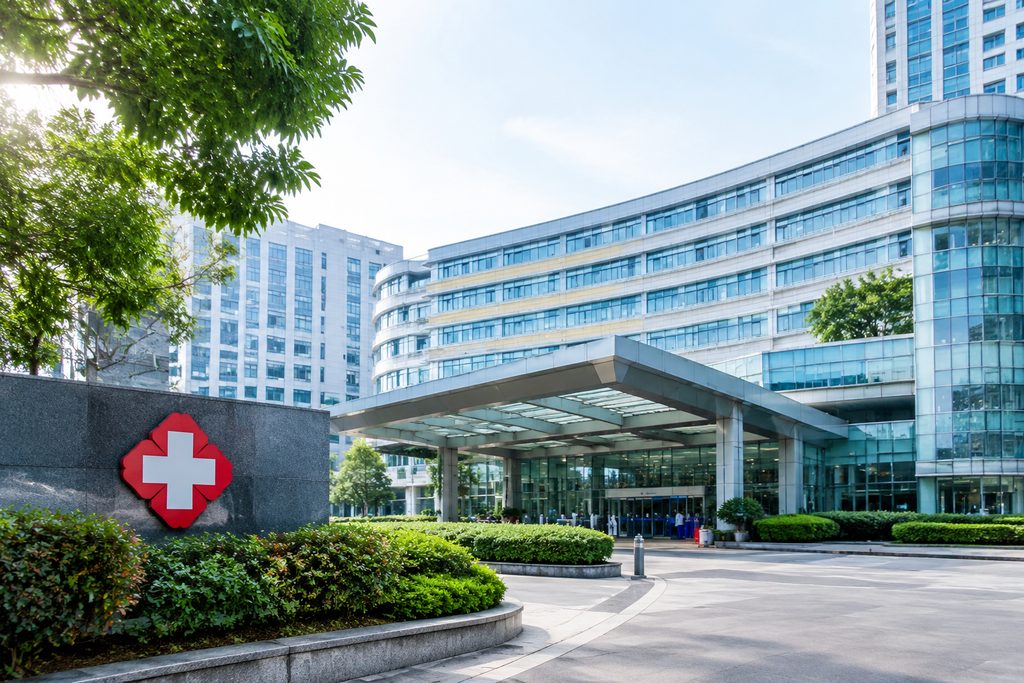
Urinary Diversion in Shanghai: Renji Urology and What International Patients Should Know
When 58-year-old David from Portland learned he needed a radical cystectomy, his surgeon in Oregon handed him a folder about urinary diversion and a surgery date three months out. The cancer was muscle-invasive. Three months felt like a very long time. His wife started searching for alternatives and landed on a phrase neither of them had expected to type into Google: urinary diversion in Shanghai. What they found was Renji Hospital, a urology department that performs hundreds of these reconstructions a year, and a price tag roughly one-fifth of what their U.S. hospital had quoted. What they didn’t find was a clear explanation of how a foreigner actually gets from “interested” to “operating room.” That’s the gap this article fills.
How This Actually Works, Step by Step
Here is the honest sequence, without the marketing gloss.
Step one: you send records, not a deposit. You gather your existing imaging (CT or MRI urography), pathology report, cystoscopy findings, bloodwork, and a short summary of your diagnosis and goals. We translate the relevant documents into Chinese and route them to the urology team at the hospital you’re considering — Renji, or another center from our specialty rankings by department.
Step two: a Chinese urologist reviews the file. This is a written second opinion. It comes back in English with an assessment of whether your case is operable, which diversion type is plausible, and what additional tests they’d want on arrival. It is not a prescription and it is not a guarantee of surgery.
Step three: you speak with the team by video. A video consultation lets you ask the questions a written report can’t answer. How many of these do you do per year? What’s your ileal conduit versus neobladder split? Who manages the stoma post-op?
Step four: logistics. Once a plan looks feasible and you agree, we coordinate the S2 visa supporting documents, arrival timing, hospital registration, and a bilingual companion for the in-person visit.
Step five: face-to-face evaluation and admission. Here’s the part that surprises people. In Chinese public hospitals, no surgeon schedules a major operation from a video call alone. You arrive, you’re examined in person, and admission is confirmed by the hospital. We do not promise a surgery date in advance. Nobody legitimately can.
Why Renji Hospital Urology Draws International Patients
Expect a range of roughly $18,000 to $32,000 for cystectomy with diversion at a top public hospital, including a 10-to-14-day stay. That figure varies by hospital and case complexity, and it excludes travel, accommodation, and companion services. Private international hospitals cost more but offer direct insurance billing.
Then you’ve received a valuable second opinion for a few hundred dollars and avoided an expensive, futile trip. Take that report back to your home oncologist. Palliative and systemic therapy options may still apply, and those conversations belong with your local team.
Your Next Step
The core message is simple: urinary diversion in Shanghai is feasible, well-established, and substantially less expensive than in the U.S. — but it requires patience with a process that cannot be rushed or pre-booked from overseas. We are China Medical Services. We translate records, coordinate appointments through official hospital international departments, arrange bilingual companions, and guide visa paperwork. We do not practice medicine, we do not sell access, and we cannot promise any clinical outcome. If you’d like a straight assessment of whether your case fits a Chinese urology program, start with a free consultation and we’ll tell you honestly what’s realistic.
This article is for general information only and is not medical advice. Treatment decisions should be made with qualified physicians who have reviewed your individual case.
Frequently Asked Questions
Yes. The hospitals used for international patients are JCI-accredited and follow the same international safety standards as top hospitals in the US and Europe. Surgical teams perform high volumes of procedures — often more than their Western counterparts — which studies show leads to better outcomes.
Costs vary by procedure and hospital, but international patients typically save 40-80% compared to US prices — even when factoring in travel and accommodation. A consultation with our team will give you an exact, all-inclusive quote with no hidden fees.
Send us your existing medical reports to get started. We handle everything from hospital selection and appointment scheduling to visa assistance and post-operative recovery planning. Your medical records are reviewed by the specialist before you even book a flight.
For more medical information and treatment options in China, visit chinamedservices.com (China Medical Services).
