CAR-T Side Effect Care in Shanghai: A Guide for International Patients
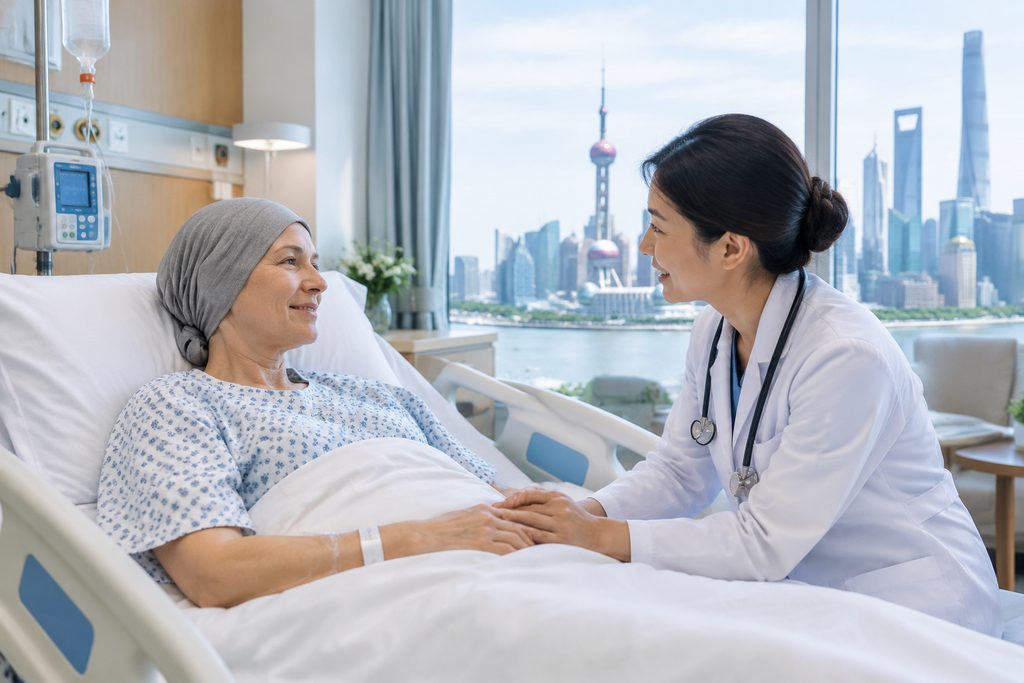
CAR-T Side Effect Care in Shanghai: A Guide for International Patients
When 47-year-old Daniel from Texas was told he had relapsed diffuse large B-cell lymphoma after two lines of chemotherapy, his oncologist in Houston mentioned CAR-T therapy. His insurance had already denied coverage once. A cousin in Shanghai sent him a WeChat message: “Hospitals here do this too.” That single message opened a rabbit hole of questions he wasn’t prepared for. Where would he stay? Who would recognize a fever of 39.5°C at 2 a.m. as cytokine release syndrome rather than flu? And what happens if his blood pressure crashes on day four after the infusion?
Those are the right questions. CAR-T side effect care in Shanghai is not the same experience as CAR-T side effect care in Boston or Berlin. The medicine is comparable. The logistics, language, and safety net around it are not — and that gap is exactly where international patients get into trouble.
How This Actually Works, Step by Step
It varies by hospital and case complexity. Supportive care, ICU days, tocilizumab, and extended inpatient monitoring can add substantially to the base treatment figure. Ask for a written estimate range covering the monitoring phase specifically, not just the infusion.
This is the scenario to plan for in advance. A bilingual medical companion during the high-risk window is the practical safeguard. Our companion service runs from $300 per day for a half or full day of registration, queueing, payment, navigation, translation, and accompaniment. We do not promise access to a specific specialist or a specific infusion date.
Sometimes, partially, and usually after the fact. Public hospitals require upfront payment and you seek reimbursement afterward. Confirm coverage in writing with your insurer before committing.
Your Next Step
CAR-T side effect care in Shanghai is manageable — but only when the monitoring plan, the language support, and the payment logistics are settled before the infusion, not after the first fever. The medicine is strong here. The surrounding infrastructure needs to be assembled deliberately.
We are China Medical Services, a coordination service connecting international patients with 340+ top-ranked hospitals across 37 cities. We are not doctors and we do not provide medical advice or promise clinical outcomes. What we do is translate records, arrange second opinions and consultations, coordinate appointments through official hospital channels, and put a bilingual person beside you when it matters. Any consultation fee is credited in full toward on-the-ground coordination if you travel within 90 days.
If you are weighing this decision, start with a conversation. Tell us where you are in the process and we will tell you honestly what the next realistic step looks like.
This article is for general information only and does not constitute medical advice. Treatment decisions should be made with qualified physicians who have reviewed your individual case. Prices are estimates in USD and vary by hospital and case complexity.
Frequently Asked Questions
Yes. The hospitals used for international patients are JCI-accredited and follow the same international safety standards as top hospitals in the US and Europe. Surgical teams perform high volumes of procedures — often more than their Western counterparts — which studies show leads to better outcomes.
Costs vary by procedure and hospital, but international patients typically save 40-80% compared to US prices — even when factoring in travel and accommodation. A consultation with our team will give you an exact, all-inclusive quote with no hidden fees.
Send us your existing medical reports to get started. We handle everything from hospital selection and appointment scheduling to visa assistance and post-operative recovery planning. Your medical records are reviewed by the specialist before you even book a flight.
For more medical information and treatment options in China, visit chinamedservices.com (China Medical Services).
