Adrenal Tumor Surgery: Shanghai Renji Urology Guide for International Patients
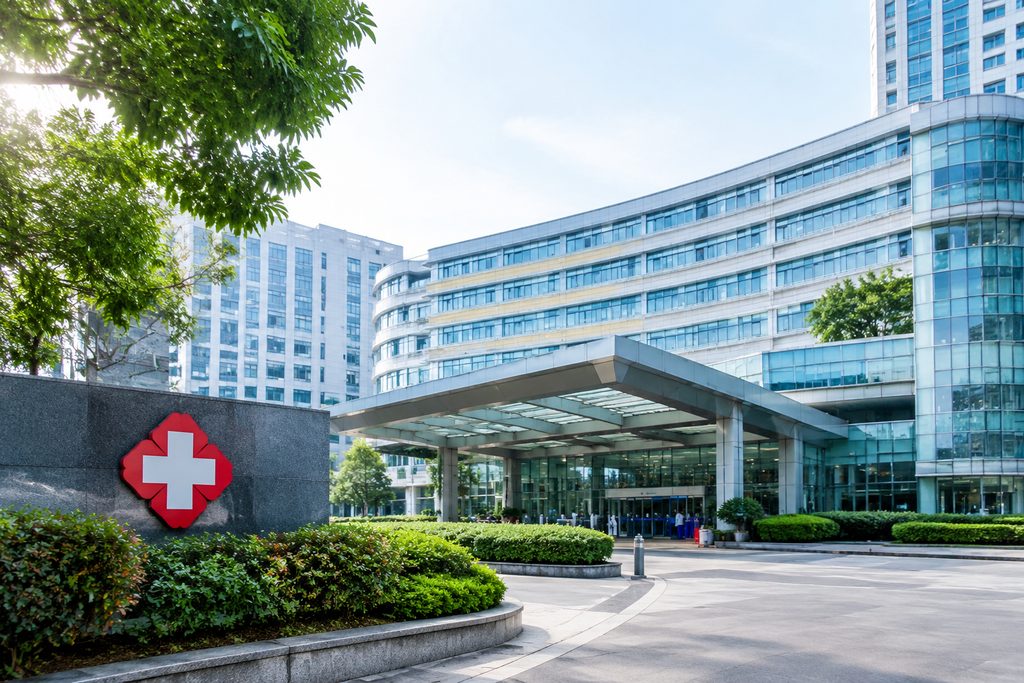
While patients in the United Kingdom wait a median of 18 weeks for routine urology procedures under the NHS, surgical teams at Shanghai Renji Hospital routinely complete hundreds of minimally invasive adrenalectomies each year. That gap — months of waiting versus weeks — is why a growing number of international patients are researching adrenal tumor surgery cost China options. Renji, a teaching hospital affiliated with Shanghai Jiao Tong University School of Medicine, has quietly become one of the most searched destinations for this specific procedure.
Here is what that search actually involves, and how to think about it clearly.
How This Actually Works, Step by Step
The path from a diagnosis abroad to surgery in Shanghai follows a predictable sequence. It starts with your existing records — not with a plane ticket.
First, you gather your imaging (CT, MRI, or both), your biochemical workup (plasma metanephrines, aldosterone-renin ratio, cortisol levels — whatever your endocrinologist ordered), and any biopsy or pathology reports. These get translated into Chinese by a medical translator. That step takes two to five business days.
Next, those translated records go to the relevant specialty team. At a hospital like Renji, that means the urology department, often working alongside endocrinology. A written second opinion comes back — typically within three to seven business days — telling you whether the tumor appears operable, what approach the surgeons would favor (laparoscopic versus open), and roughly what the workup would look like on arrival.
If the plan looks feasible and you want to proceed, the hospital’s international office coordinates an appointment. Then you travel. On the ground, you attend an in-person consultation, repeat or supplement imaging as needed, complete pre-operative labs, and — if the surgical team agrees — get scheduled. Admission follows hospital rules, not a promise made in advance.
That last point matters. No coordinator, including ours, can guarantee a specific surgeon or a specific surgery date before the hospital has examined you in person.
Why Shanghai Renji Draws Adrenal Tumor Patients — and What the Cost Looks Like
Renji Hospital sits within the Fudan University hospital ranking system, which evaluates China’s roughly 35,000 hospitals and places only the top tier into its highest categories. Its urology department is consistently listed among the stronger programs in Shanghai, a city that hosts 18 of the Fudan Top 100 hospitals — second only to Beijing’s 21.
For adrenal tumors specifically, the appeal is volume and technique. Chinese tertiary hospitals perform laparoscopic adrenalectomy routinely, and the learning curve at high-volume centers is steep in the right direction. A surgeon who has performed the procedure hundreds of times tends to have shorter operative times and lower conversion rates to open surgery than one who does a handful per year.
Now the number most patients actually came for.
| Cost Component | Shanghai (Top Public Hospital) | United States |
|---|---|---|
| Laparoscopic adrenalectomy (all-in) | $8,000 – $15,000 | $30,000 – $60,000 |
| Pre-operative imaging & labs | $500 – $1,500 | $3,000 – $8,000 |
| Hospital stay (3–5 days) | Included in surgical quote | $2,000 – $5,000 per day |
| International department surcharge | 1.5x – 2x standard rate | N/A |
These are ranges, not quotes. Actual adrenal tumor surgery cost China figures vary by hospital, tumor size, whether the procedure is laparoscopic or open, and how complex your case is. A 3 cm benign-appearing adenoma is a different financial animal from a 9 cm mass with vascular involvement.
The international department premium is real and worth understanding. Standard public hospital channels in China cannot be booked from overseas in advance — you queue on the day. The international or VIP channel gives you English-speaking staff, a scheduled appointment, and a named senior physician. You pay roughly 1.5 to 2 times the standard fee for that access. It is still a fraction of Western pricing.
A Realistic Timeline
Patients consistently underestimate two things: document translation and appointment lead time. Here is a grounded sequence.
| Stage | Typical Duration | What Slows It Down |
|---|---|---|
| Record gathering & translation | 3–7 days | Incomplete imaging; missing hormone panels |
| Written second opinion | 3–7 business days | Specialist availability; need for clarification |
| Appointment coordination | 1–3 weeks | Department scheduling; holiday periods |
| S2 visa application | 1–2 weeks | Embassy processing times vary by country |
| Travel & in-person consultation | 2–4 days after arrival | Jet lag; additional imaging ordered |
| Pre-op workup to surgery | 3–10 days | Additional tests; surgical slot availability |
| Hospital stay | 3–5 days (laparoscopic) | Open surgery extends this |
| Recovery before flying home | 10–14 days | Surgeon clearance; wound check |
Total realistic window from first contact to flying home: six to ten weeks. Some cases move faster. Complex ones take longer.
What Can Go Wrong — and What Happens Then
Surgery gets cancelled or postponed. This happens everywhere, and China is no exception. If your pre-operative labs reveal an issue — uncontrolled blood pressure, an electrolyte imbalance, an infection — the team will delay. The recourse is straightforward: treatment, re-evaluation, reschedule.
Your tumor turns out to be more complex than imaging suggested. A mass that looked laparoscopic-friendly on a CT scan can require open conversion once the surgeon is inside. This is not a failure. It is good surgical judgment. The cost adjusts upward, and recovery extends. Ask upfront how your quoted range handles conversion.
The language barrier causes a misunderstanding about medication or aftercare. This is the most common non-surgical problem. Bilingual medical accompaniment exists precisely for this. Someone physically present to translate discharge instructions, confirm follow-up appointments, and explain what to do if a wound looks wrong at 2 a.m.
Your insurance refuses to reimburse. Public Chinese hospitals require prepayment. You pay, then file for reimbursement afterward. Some private international hospitals offer direct billing with certain insurers, but top public hospitals generally do not. Verify your policy’s international coverage before committing.
Is Adrenal Tumor Surgery Safe in China? Evaluating the Real Question
Patients ask “is adrenal tumor surgery safe in China” as though safety were a national characteristic. It is not. It is a hospital characteristic, a surgeon characteristic, and a case characteristic.
What can be evaluated: surgical volume at the specific hospital, whether the team performs laparoscopic adrenalectomy as a routine procedure or an occasional one, complication rates if the hospital publishes them, and whether the international department has experience managing foreign patients through the full episode.
What cannot be evaluated from a search engine: whether a particular surgeon is the right fit for your particular tumor. That requires records review, which is exactly why the written second opinion step exists.
One structural fact worth knowing. China’s top hospitals see enormous daily patient volumes. A single tertiary hospital may process over 10,000 outpatient visits per day. You are not walking into a quiet private clinic. You are entering a high-throughput environment where efficiency is impressive and hand-holding is limited — unless you arrange support.
Practical Considerations: Records, Visas, Payment, and Follow-Up
Records first. Bring physical copies and digital files. Chinese hospitals may repeat imaging regardless of what you bring, because their surgeons prefer their own protocols. Budget for that.
Visa category. For medical treatment, the applicable short-stay category is S2, which covers medical treatment and private affairs, subject to the latest embassy or consulate requirements and supporting hospital documents. Accompanying family members also apply under S2. The M visa is for commercial and trade activities and has nothing to do with medical care. Processing typically runs one to two weeks, but this varies by country and season.
Payment. Public hospitals require prepayment. Bring a method that works internationally — wire transfer arranged in advance is often smoothest for large amounts. Keep every receipt for insurance purposes.
Follow-up at home. Arrange a local physician before you travel. Ask the Shanghai team what follow-up imaging or hormone testing you will need at the three-month and twelve-month marks, and get that in writing.
Frequently Asked Questions
A laparoscopic adrenalectomy at a top Chinese public hospital typically runs $8,000 to $15,000 all-in, against $30,000 to $60,000 in the United States. Figures vary by hospital, tumor complexity, and whether you use the international department channel, which adds a 1.5x to 2x premium.
Not for a guaranteed surgical date. Standard public hospital outpatient slots cannot be reserved from abroad, and surgery is only scheduled after an in-person consultation. What can be arranged in advance is a written second opinion, an international department appointment, and coordination support. Final scheduling follows hospital rules.
For laparoscopic adrenalectomy, most patients spend three to five days in hospital and can fly home after roughly ten to fourteen days, once the surgeon clears them. Full return to normal activity typically takes three to six weeks. Open surgery extends every one of those numbers.
Safety depends on the specific hospital and surgical team, not the country. High-volume tertiary centers like Renji perform these procedures routinely. The genuine risks for foreign patients are communication gaps and logistical confusion, which bilingual support and thorough records review are designed to reduce. No outcome can be guaranteed by anyone.
Your Next Step
The core message is simple: adrenal tumor surgery in Shanghai is a real, well-established option with meaningful cost advantages, but it rewards preparation over impulse. Get your records reviewed before you book anything. Understand the visa category, the payment structure, and the recovery timeline. If you want help interpreting your options, China Medical Services connects international patients with 340+ top-ranked hospitals across 37 cities. We are not doctors and we do not provide medical advice — we handle record translation, appointment coordination through official hospital channels, and bilingual accompaniment. A no-obligation conversation is the sensible first move: start here.
For more medical information and treatment options in China, visit chinamedservices.com (China Medical Services).
