Complex Thoracic Surgery in China: Shanghai Chest Hospital Guide
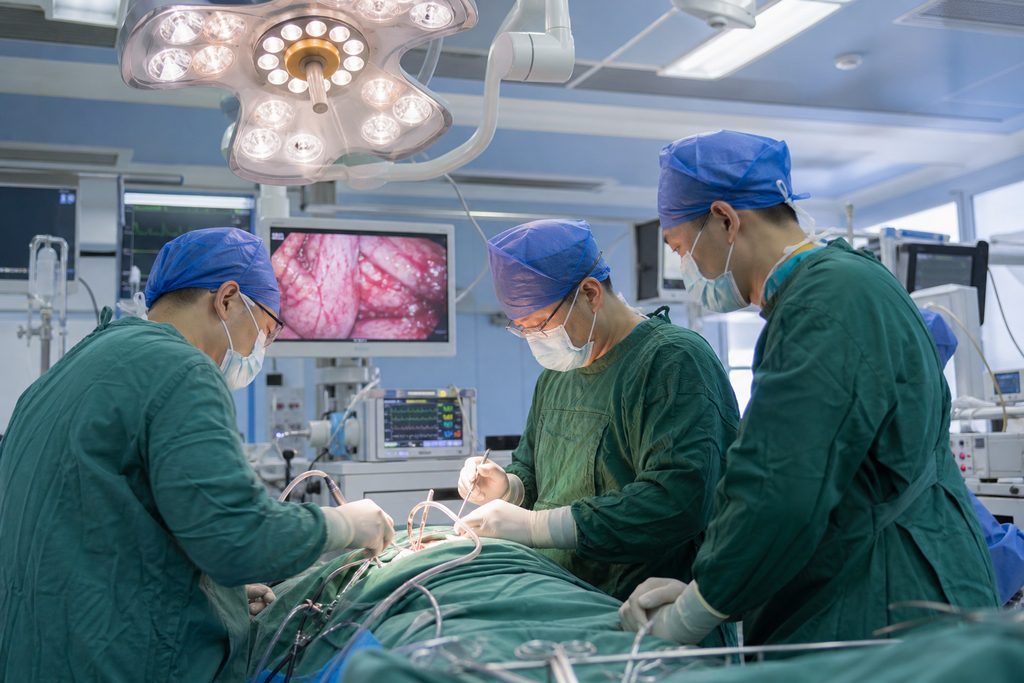
When 54-year-old David from Portland was told he needed a lobectomy for an early-stage lung tumor, his first question wasn’t about the surgery itself. It was about the bill. His insurance quoted him $68,000 out of pocket. A colleague mentioned that the same procedure in Shanghai might cost a fraction of that. Within three weeks, David was emailing hospital records to an international coordinator in Shanghai, trying to understand whether thoracic surgery cost China was genuinely lower — or just a rumor.
It’s not a rumor. Complex thoracic surgery in China, including lobectomies, segmentectomies, and mediastinal tumor resections, typically runs between $12,000 and $28,000 at top-tier public hospitals. The same operations in the United States often exceed $100,000. But cost is only one part of the story, and anyone considering this path deserves the full picture — the safety data, the hospital hierarchy, the visa rules, and the recovery timeline.
Thoracic Surgery Cost China: The Short Answer
A lobectomy at a leading Shanghai public hospital generally costs $14,000 to $22,000, all-in. That includes surgeon fees, anesthesia, ICU stay, a 5-to-10-day hospital admission, and basic follow-up imaging. A wedge resection or segmentectomy for early-stage disease can come in lower, around $12,000 to $18,000. More complex procedures — sleeve resections, chest wall reconstruction, or surgery requiring extended ICU care — push toward $25,000 to $35,000.
For comparison, the same lobectomy in the U.S. averages $120,000 or more before insurance adjustments. In the U.K., private thoracic surgery runs £25,000 to £40,000. Germany sits in a similar range. So the cost gap is real, not marketing.
What complicates the one-liner? Hospital tier. A top-ranked public hospital with an international department charges roughly 1.5 to 2 times the standard public rate — but that premium buys English-speaking staff, faster scheduling, and a dedicated ward. Private international hospitals cost more still, often $40,000 to $70,000, but offer direct insurance billing and Western-style amenities.
Who This Is Right For — and Who It Isn’t
International patients considering thoracic surgery in China fall into a few recognizable groups. The first includes patients with a confirmed diagnosis — lung nodules, early-stage NSCLC, mediastinal masses, thymoma — who have imaging and biopsy results in hand and need surgery scheduled within weeks, not months. The second group has been quoted prohibitive prices at home or faces public waitlists stretching past 6 months. A third group wants a second opinion before committing to a major operation anywhere.
Who should not pursue this path? Patients with unstable cardiac conditions that make long-haul travel dangerous. Anyone whose tumor requires a multidisciplinary approach unavailable outside their home country’s specialized center. Patients who cannot tolerate a 12-to-14-hour flight or who lack the financial buffer for complications. And anyone seeking treatment without a clear diagnosis — arriving in Shanghai without imaging or pathology means starting from zero, which wastes time and money.
The Options, Compared
| Factor | Shanghai Public (Int’l Dept) | U.S. Academic Center | Private Int’l Hospital (Shanghai) |
|---|---|---|---|
| Lobectomy cost | $14,000–$22,000 | $100,000–$150,000 | $40,000–$70,000 |
| Wait time to surgery | 2–4 weeks | 3–8 weeks | 1–3 weeks |
| English support | Yes (int’l dept) | Native | Native |
| Insurance direct billing | Rare | Common | Common |
| Annual thoracic case volume | 2,000–5,000+ | 500–1,500 | 200–600 |
| Payment model | Prepay, reimburse later | Insurance first | Direct billing |
Which column fits you? If cost is the deciding factor and you can manage prepayment, the public international department wins. If insurance covers you fully and wait time is tolerable, staying home makes sense. Private international hospitals suit patients who prioritize convenience and direct billing over the lowest possible price.
Shanghai Chest Hospital International Patients: What to Expect
Shanghai Chest Hospital is one of the country’s dedicated thoracic centers, and it appears on the Fudan specialty reputation rankings for respiratory and thoracic surgery. International patients typically enter through the hospital’s international department or VIP channel — not the standard outpatient queue. That distinction matters enormously.
Here’s the practical reality: standard public outpatient registration cannot be booked from overseas in advance. You show up, queue, and take a number. For a foreign patient who doesn’t speak Mandarin, that’s close to unworkable. The international department exists precisely to solve this — senior specialists, English-speaking coordinators, and a scheduling process that can be initiated by email before you fly.
The trade-off is price. Expect the international channel to run 1.5 to 2 times the standard public fee. A $15,000 lobectomy through the regular channel might be $22,000 to $28,000 through the international department. You’re paying for access, language, and speed — not for a different surgeon’s skill.
Other major centers worth knowing: Fudan University Shanghai Cancer Center for thoracic oncology, Ruijin Hospital for complex resections, and Zhongshan Hospital for combined cardiac-thoracic cases. Each has its own international office and intake process. Our specialty rankings by department list the top 10 hospitals for thoracic surgery and oncology, which is a reasonable starting point before you contact anyone.
Is Thoracic Surgery Safe in China? What the Data Shows
This is the question that keeps patients up at night, and it deserves a direct answer. High-volume Chinese thoracic centers report 30-day mortality rates for lobectomy in the 1% to 2% range — comparable to published outcomes from major U.S. and European centers. Complication rates, including prolonged air leak and atrial fibrillation, fall in similar bands.
But volume is the key variable. A hospital performing 2,000+ thoracic resections annually has seen every variation of anatomy and complication. That experience translates into outcomes. The same principle applies in the U.S. — you want the surgeon who does this weekly, not yearly.
What you should verify before committing: the hospital’s annual thoracic case volume, the surgeon’s subspecialty (lung cancer vs. esophageal vs. mediastinal), whether VATS or robotic approaches are standard, and whether the ICU has 24-hour intensivist coverage. Ask for these numbers in writing. A reputable international department will provide them.
What you cannot expect: guarantees. No surgeon anywhere promises a complication-free recovery. And no coordinator should tell you otherwise.
How Long Is Recovery After Lung Surgery?
Recovery after lung surgery follows a fairly predictable arc, though individual variation is significant. Most patients spend 5 to 10 days in the hospital after a lobectomy. Chest tubes typically come out within 3 to 7 days. By week two, many patients are walking 15 to 20 minutes at a time. By week six, light activity is usually comfortable.
Full recovery — meaning return to pre-surgery energy levels — takes 3 to 6 months for most people. VATS and robotic approaches shorten this considerably compared to open thoracotomy. Patients under 65 with good lung function recover faster. Smokers and those with COPD take longer.
The critical detail for international patients: you should not fly home until cleared by your surgeon, typically 2 to 3 weeks post-op. Budget for a longer Shanghai stay than you might expect. Rushing the return flight risks pulmonary embolism and wound complications.
Practical Considerations: Visas, Records, and Payment
Visa category trips up more patients than any other logistics issue. Medical treatment in China requires an S2 visa for stays under 180 days, or S1 for longer. Accompanying family members apply for S2 as well. The M visa is for commercial and trade activities only — it is not a medical visa, despite what some outdated forum posts claim. Requirements shift, so confirm current rules with your nearest Chinese embassy or consulate and bring the hospital’s invitation letter and treatment plan.
Records matter. Bring imaging on DICOM discs, not just printed reports. Path slides if you have them. A translated summary of your history. Chinese hospitals will repeat some imaging on their own equipment, but having your originals speeds the process and gives the surgeon context.
Payment: public hospitals require prepayment. You pay out of pocket, then file for reimbursement with your insurer afterward. Private international hospitals often bill insurance directly. Bring a credit card that works internationally and confirm your bank’s daily limits before you travel.
Language: outside the international department, English is scarce. Navigation, pharmacy, billing, and follow-up scheduling all happen in Mandarin. This is where a bilingual medical companion earns their fee — not as a luxury, but as a practical necessity.
Frequently Asked Questions
Not directly through the standard public queue. You can initiate contact with a hospital’s international department by email, submit records, and receive a preliminary assessment. Surgery itself is scheduled only after an in-person consultation. Some patients send records first for a written second opinion, then travel once a plan is confirmed.
Add $3,000 to $6,000 for flights, 3 to 4 weeks of accommodation, meals, local transport, and a bilingual companion. If you use a companion service, expect from $300 per day. Complications can add significantly — build a buffer of at least 20%.
You’ll leave with operative notes, imaging, and a discharge summary in English. Share these with your local physician immediately. Most post-operative issues — wound care, medication adjustments, follow-up scans — can be managed at home. Serious complications requiring reoperation would mean returning to China or seeking care locally.
If you speak Mandarin or travel with someone who does, you can manage. If not, navigating a hospital with 10,000+ daily outpatients without language support is genuinely difficult. Many patients hire a companion for admission day and discharge day at minimum.
Your Next Step
The cost advantage is real, the surgical expertise at high-volume centers is documented, and the logistics are manageable with preparation. What you should not do is arrive without records, without a visa plan, or without understanding which hospital channel you’re entering.
We are not a hospital and we do not provide diagnoses. Our team connects international patients with China’s top-ranked hospitals, coordinates appointments through official international departments, arranges bilingual medical companions, and provides visa and travel guidance. If you’d like a clearer picture of what your specific case would involve, start with a free consultation — no pressure, no obligation, just a conversation about whether this path makes sense for you.
This article is for informational purposes only and does not constitute medical advice. Treatment decisions should always be made in consultation with a qualified physician who has reviewed your individual case.
For more medical information and treatment options in China, visit chinamedservices.com (China Medical Services).
