Gastroscopy in China: How Long It Takes and What It Costs
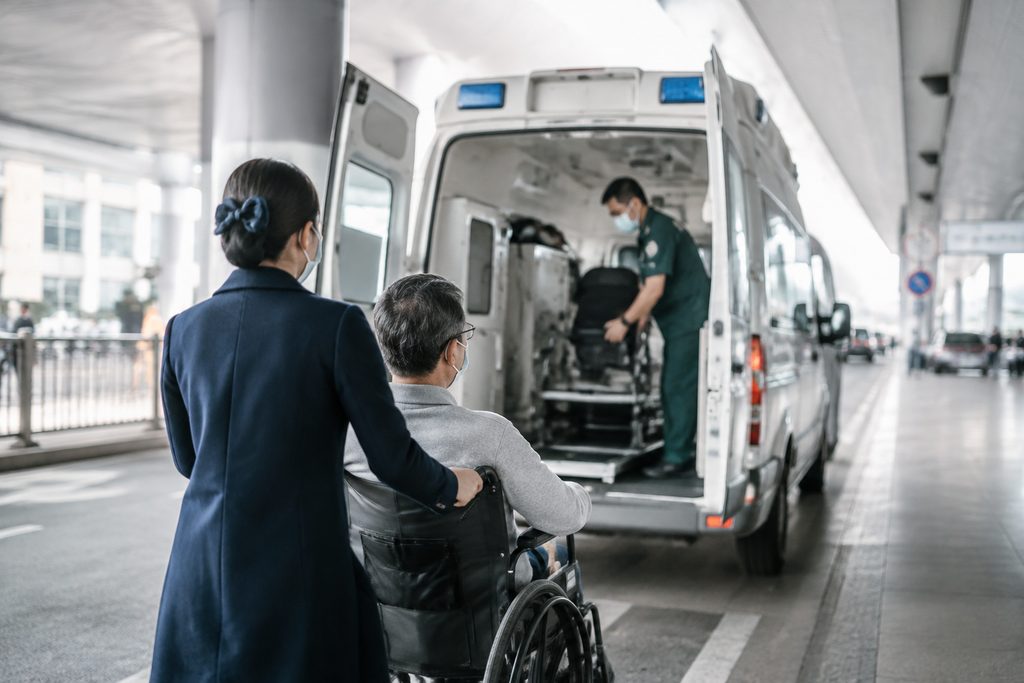
Gastroscopy in China: How Long It Takes
How long does a gastroscopy take? The scope itself runs five to fifteen minutes. That is the honest answer, and it surprises most people who assume the hard part is the procedure. The hard part is everything around it — booking, prep, the hospital visit, and the paperwork. If you are weighing gastroscopy cost China options against prices back home, the timeline matters as much as the number. A same-week scope in Shanghai is realistic. A same-week scope in a top-ranked Beijing hospital, booked from overseas, usually is not.
We help international patients navigate exactly this kind of gap. Here is what the process actually looks like.
How This Actually Works, Step by Step
Say you have reflux that will not settle, or a family history that has your doctor back home pushing for an upper endoscopy. You are not in China yet. Here is the sequence.
Step one: you send records. Existing reports, prior imaging, medication list, and a short note on symptoms. If you have had a gastroscopy before, the report goes in the pile too. Everything in English is fine; we handle translation where needed.
Step two: a Chinese gastroenterology team reviews it. Not a salesperson — an actual specialty team. They tell you whether a gastroscopy is the right test, whether you also need a colonoscopy or an ultrasound, and roughly what the visit will involve.
Step three: you get a written opinion or a video consultation. Written second opinions from top-hospital specialists run $300–500. A video consultation with a regular tertiary or private international department runs $100–300. Both give you a plan before you book a flight.
Step four: appointment coordination. This is where the real work sits. Public hospitals in China generally do not let overseas patients pre-book an ordinary outpatient slot. You take a number the same day. To lock a specific date and a senior specialist, you go through the hospital’s international or VIP channel — roughly 1.5 to 2 times the standard fee.
Step five: you arrive, and someone walks you through it. Registration, payment, the prep instructions, the queue, the recovery room, the pharmacy. A bilingual companion stays with you the whole way.
Step six: results. Preliminary findings are usually discussed the same day. Biopsy results, if a sample was taken, typically come back in three to seven working days.
What Drives Gastroscopy Cost in China
Prices vary by hospital tier, city, and whether sedation or biopsy is involved. A rough range for a standard diagnostic gastroscopy at a public tertiary hospital sits between $150 and $400. Private international hospitals run higher — often $600 to $1,200 — but include English-speaking staff, direct insurance billing, and shorter waits.
| Setting | Typical Cost (USD) | Wait for Appointment |
|---|---|---|
| Public tertiary hospital, standard | $150–$400 | Days to 2 weeks |
| Public hospital, international/VIP channel | $400–$900 | Often within days |
| Private international hospital | $600–$1,200 | Same week common |
| With sedation and biopsy | Add $100–$300 | — |
Compare that with the United States, where a diagnostic upper endoscopy without insurance frequently lands between $1,500 and $3,500, and the gap is obvious. That gap is why “endoscopy medical tourism package China” has become a real search term rather than a niche curiosity.
One caveat worth stating plainly: these are ranges, not quotes. Final pricing depends on the hospital and the complexity of your case. Nobody honest will give you a fixed number before seeing your records.
A Realistic Timeline
Here is how the calendar usually unfolds for a patient coming from abroad. The scope is fast; the logistics are not.
| Stage | Typical Duration | What Happens |
|---|---|---|
| Records review and second opinion | 3–10 days | Specialty team assesses your reports |
| Video consultation (optional) | 1–2 weeks to schedule | You speak with the medical team directly |
| Appointment coordination | 3–14 days | Slot confirmed via international channel |
| Visa processing (S2) | 1–3 weeks | Requires hospital invitation documents |
| Flight and arrival | Varies | Airport transfer can be arranged |
| Hospital visit and procedure | Half a day | Prep, scope, recovery, pharmacy |
| Biopsy results (if taken) | 3–7 working days | Delivered with English translation |
Add it up and a realistic door-to-door timeline is three to six weeks for a planned trip. If you are already in China on a business trip, that collapses to a few days — but only if you use a channel that can actually book you in.
What Can Go Wrong — and What Happens Then
We would rather you hear the failure modes now than discover them at a hospital gate.
The appointment does not materialize. Public hospital outpatient slots are not pre-bookable from overseas, and popular specialists fill fast. If a coordinator cannot secure the slot you were shown, the coordination fee is refunded in full. That is the standard we hold ourselves to.
Your records are incomplete. A gastroscopy decision often hinges on prior reports, medication history, or allergy information. Missing documents push everything back a week or more. Send more than you think you need.
The visa takes longer than expected. Processing times move. Build a two-week buffer into any travel plan, and never book a non-refundable flight before the visa is in hand.
The findings require more than a scope. Sometimes the gastroenterologist wants a colonoscopy, imaging, or a biopsy before saying anything definitive. That is good medicine, but it extends your stay. Budget for flexibility.
The results need interpretation at home. Take the written report and images with you. Your doctor back home will want them, and English translations make that handoff clean.
Is Gastroscopy Safe in China, and How Do You Judge a Hospital?
Upper endoscopy is a routine, low-risk procedure wherever it is performed well. Serious complications — perforation, significant bleeding — are uncommon, and the main risks are the same in Beijing as in Boston: reaction to sedation, minor throat discomfort, bloating afterward.
So the real question is not “is gastroscopy safe in China” in the abstract. It is whether the specific hospital meets the standard you would accept anywhere. A few things to check:
- Is the gastroenterology department part of a major tertiary hospital, or a recognized private international facility?
- Does the hospital appear in a credible ranking? The Fudan Hospital Ranking lists China’s top 100 hospitals, and its specialty reputation lists name the top 10 departments in 45 specialties.
- Can the team communicate with you in English, or will you rely entirely on a companion?
- Are pathology services in-house, so biopsy results are not outsourced and delayed?
Our department-by-department hospital directory lets you filter by specialty and city, so you can see who actually does this work at volume rather than guessing. For a city-level view, the Shanghai hospital guide is a good starting point if you are considering the Yangtze delta region.
One more consideration: many international patients pair a diagnostic scope with a broader health checkup while they are already in the country. If that is your plan, it changes the appointment structure and the timeline, so mention it early.
Practical Considerations: Records, Payment, and Follow-Up
Records. Bring everything: prior endoscopy reports, imaging, blood work, medication list, allergy history. Digital copies on your phone plus printed sets. Translation is handled on our side where needed.
Payment. Public hospitals in China generally require prepayment, with insurance reimbursed afterward. Private international hospitals often bill insurance directly. Check your policy’s overseas coverage before you travel — many Western plans reimburse international care at out-of-network rates, which is still far below domestic pricing.
Language. China’s top hospitals are enormous. Some see over ten thousand outpatient visits a day. Without Mandarin, navigating registration, payment, and pharmacy queues is genuinely difficult. This is not a sales pitch — it is the single most common complaint we hear. A bilingual medical companion runs from $300 per day, covering registration, queues, payment, wayfinding, and translation.
Follow-up. Get your report, images, and any pathology results in writing before you leave. Schedule a follow-up with your home physician within a few weeks.
Frequently Asked Questions
The procedure itself takes five to fifteen minutes. With preparation, sedation, and recovery, plan on two to three hours at the hospital. If you are booking gastroscopy in Shanghai or Beijing as part of a broader checkup, allow a full morning.
Not through ordinary public hospital channels — those slots are taken the same day. You can pre-arrange it through a hospital’s international or VIP department, which is what we coordinate. Expect to pay roughly 1.5 to 2 times the standard fee for that access.
A standard diagnostic gastroscopy at a public tertiary hospital typically runs $150–$400, versus $1,500–$3,500 or more in the US. Private international hospitals cost more but include English service and direct insurance billing. Final pricing varies by hospital and case complexity.
Sedated gastroscopy is widely available at major Chinese hospitals and is the usual choice for international patients. If you are sedated, you should not drive or travel alone afterward — arrange a companion or a transfer.
Small findings like polyps or ulcers may be addressed during the procedure. Anything requiring a biopsy is sampled and sent to pathology, with results in three to seven working days. Treatment decisions always follow the pathology report, not the visual impression alone.
Your Next Step
The short version: the scope takes minutes, the coordination takes weeks, and the cost is a fraction of what most Western patients expect. What makes the difference is having someone who knows which hospital to approach, how to secure a real appointment, and how to get you through the building once you are there.
We are China Medical Services — a coordination team, not a clinic. We do not diagnose, we do not treat, and we do not promise outcomes. We connect you with the right department, handle the logistics, and stand beside you through the visit. If you want to know what a gastroscopy in China would actually look like for your situation, start with a free consultation and we will walk you through it.
This article is for general information only and is not medical advice. Always consult a qualified physician about your individual condition, and confirm current visa requirements with the nearest Chinese embassy or consulate before traveling.
For more medical information and treatment options in China, visit chinamedservices.com (China Medical Services).
