Full Check-Up Duration in China: What 4–6 Hours Actually Includes
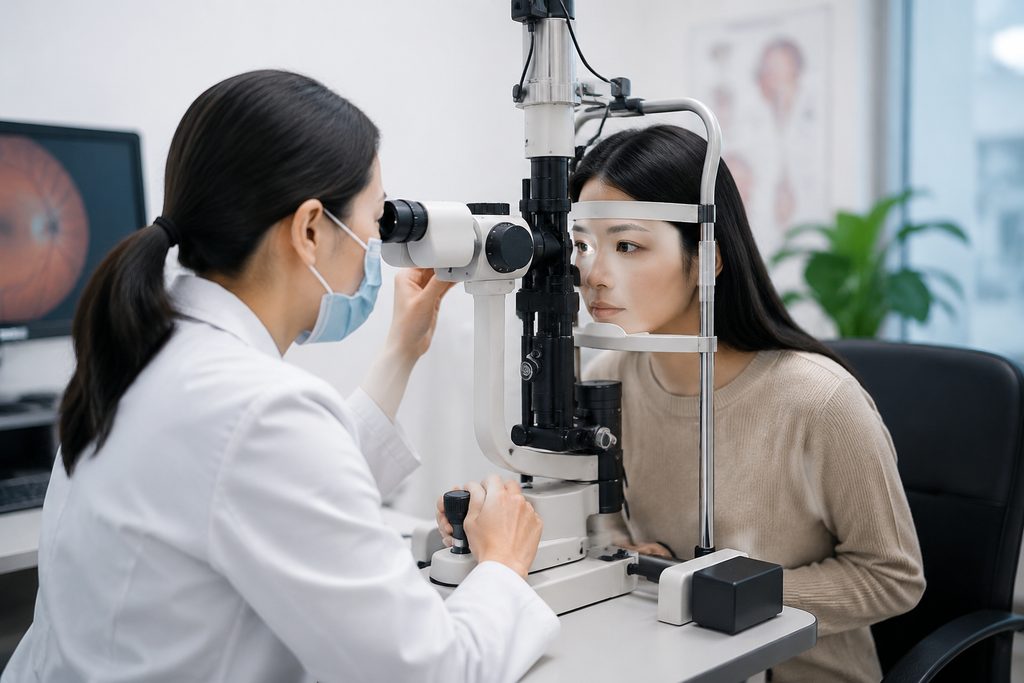
Have you ever put off a comprehensive health screening because the thought of navigating an unfamiliar hospital, in an unfamiliar language, for an unknown number of hours felt overwhelming? You are not alone. The question we hear most often from international patients before they book anything is deceptively simple: how long does a full check-up take? In China’s top-tier hospitals, the physical time on site is usually 4 to 6 hours for a standard comprehensive package. But that number hides as much as it reveals.
The real answer depends on three things: which hospital tier you choose, how deep the package goes, and whether you have someone who speaks the language guiding you through the corridors. A basic screening at a busy public hospital might technically finish in three hours. An executive package at a private international hospital in Shanghai or Beijing can stretch across two mornings. The clock matters less than what gets checked.
Full Check-Up Duration: The Short Answer
For a standard comprehensive health screening at a reputable Chinese hospital, expect to spend half a day on site. That is the honest, practical figure. Arrive at 7:30 AM, and you are typically walking out between 11:30 AM and 1:00 PM, depending on how many imaging stations are involved. Some facilities split the process across two days when advanced scans like cardiac CT or full-body MRI are included.
But here is the caveat that no one tells you upfront. The time you spend lying on an examination table is only a fraction of those hours. The rest is spent waiting between stations, registering at each department, and physically moving through buildings that can feel like small airports. China’s top public hospitals handle over 10,000 outpatient visits per day. Without a bilingual companion who knows exactly where to go and in what order, that 4-hour screening can easily become a 7-hour ordeal.
Who This Is Right For — and Who It Isn’t
A comprehensive check-up in China makes sense for a specific kind of person. It is not for everyone, and pretending otherwise would be a disservice.
Good candidates include:
- People aged 35 and older who want a baseline before starting a new medication or fitness regimen
- Travelers already planning to be in China for business or family reasons
- Patients with a family history of cardiovascular disease, diabetes, or certain cancers who want early screening
- Anyone frustrated by long wait times or high prices for executive physicals in their home country
You should think twice if:
- You have an active, acute medical problem — a full check-up is not a substitute for seeing a specialist about a current symptom
- You are pregnant or suspect you might be; many packages include radiation-based imaging that is not appropriate
- You cannot tolerate fasting for 8–10 hours or have blood sugar instability
- You expect the results to be interpreted by the same doctor who performed each test; in most Chinese hospitals, a preventive health physician reviews the aggregate results at the end
The Options, Compared
China’s healthcare landscape offers three distinct tiers for full check-ups. The differences in duration, cost, and experience are significant. A full body check up cost China varies dramatically depending on which tier you select.
| Factor | Public Tier-3 Hospital | Hospital International Dept. | Private International Hospital |
|---|---|---|---|
| Typical duration | 3–5 hours | 4–6 hours | 2–4 hours (often split across 2 days) |
| Cost range (USD) | $150–$400 | $500–$1,200 | $800–$2,500+ |
| Language support | Minimal | English-speaking staff | Fully English-speaking |
| Waiting between stations | Long, unstructured | Moderate, guided | Short, appointment-based |
| Package depth | Basic to standard | Standard to executive | Executive, highly customizable |
| Insurance billing | Pay first, claim later | Pay first, claim later | Direct billing often accepted |
Which column suits you? If you are budget-conscious and have a Mandarin-speaking companion, a public tier-3 hospital delivers genuine value. If you want English-language coordination and a smoother flow without paying private-hospital premiums, the international department of a top public hospital is the sweet spot. And if time is your scarcest resource, a private international hospital in Beijing or Shanghai minimizes friction at a higher price.
What Actually Happens During Those Hours
Understanding the sequence helps you see why the clock reads what it does. A typical comprehensive package in a Chinese hospital follows a fixed choreography.
You arrive fasting. The first 30 to 45 minutes go to registration, height, weight, blood pressure, and the blood draw. The lab typically takes 4 to 6 vials for a standard panel covering lipids, fasting glucose, liver and kidney function, thyroid markers, and a complete blood count. Some executive packages add tumor markers like CEA, AFP, and CA19-9.
The next hour moves through imaging. Chest X-ray is quick. Ultrasound of the abdomen takes 15 to 20 minutes because the technician examines liver, gallbladder, pancreas, spleen, and both kidneys. If your package includes carotid artery ultrasound or a thyroid ultrasound, add another 15 minutes each. An ECG takes five minutes on the table but often comes with a 20-minute wait.
And here is the detail most people miss. The wait times between stations are not random. They are a function of how many other patients are cycling through the same equipment that morning. A public hospital ultrasound room might process 80 patients before noon. The international department of the same hospital might process 25. Same machine, different queue.
How Long Does a Full Health Check Take in Shanghai?
Shanghai deserves its own answer because the city concentrates more top-tier medical resources than almost anywhere else in China. In our experience coordinating screenings for international patients, a standard package at a Shanghai public hospital’s international department takes 4 to 5 hours door to door. A private facility like Jiahui or United Family in Shanghai typically completes a comparable package in 2.5 to 3.5 hours, sometimes spread across two mornings if advanced imaging is included.
What drives the difference? Appointment density. Private hospitals in Shanghai schedule imaging slots with buffer time. Public hospital international departments still operate within the larger hospital’s infrastructure, so even VIP patients share hallways with the general flow. The city’s top hospitals — Zhongshan Hospital, Ruijin Hospital, Huashan Hospital — run some of the busiest preventive health centers in the country. That volume translates into experience and efficiency, but also into crowds.
If you are specifically asking how long does a full health check take in Shanghai, plan for a morning. Do not schedule a flight out the same afternoon. Give yourself buffer.
Executive Health Screening Package Beijing Price
Beijing’s pricing structure mirrors Shanghai’s, with one difference: the capital has a higher concentration of military-affiliated and government-associated hospitals whose international departments cater to a diplomatic and corporate clientele. That pushes executive package prices slightly higher at the top end.
An executive health screening package Beijing price typically starts around $800 at a public hospital international department like Peking Union Medical College Hospital‘s VIP clinic, and runs to $2,500 or more at a private facility. What does that buy? Usually a full day or two half-days, a dedicated coordinator, all major imaging including low-dose chest CT instead of X-ray, cardiac ultrasound, comprehensive tumor markers, and a final consultation with a preventive medicine physician who reviews everything with you in English.
Basic packages at the same institutions run $300 to $600. The jump in price buys time, depth, and attention. Whether it is worth it depends on your age, risk profile, and how much you value a single consolidated report.
Is a Full Medical Check Up in China Thorough?
The short answer is yes — often more thorough than comparable packages in the United States or Europe at the same price point. The reason is structural. China’s top hospitals operate on enormous volume, which means their preventive health centers have the patient throughput to justify keeping advanced imaging equipment running all day. A $400 package in Shanghai might include an abdominal ultrasound and chest X-ray that would cost $1,500 or more as standalone tests in the US.
But thoroughness has a caveat. The tests are only as useful as the final interpretation. In public hospital settings where the reviewing physician sees dozens of reports daily, you may get a competent but brief summary. In international departments and private hospitals, the final consultation is typically longer and more conversational. If you choose the budget route, consider paying separately for a written second opinion on the results from a senior preventive medicine specialist.
The other honesty point: no check-up, however thorough, catches everything. A full body check-up is a screening, not a diagnostic guarantee. It identifies risk factors and flags abnormalities that warrant follow-up. It does not replace symptom-driven medical care.
Full Check-Up Duration at International Hospitals in China
Private international hospitals have re-engineered the screening experience around time efficiency. A full check up duration international hospital China typically runs 2 to 4 hours, with the premium executive packages split across two mornings to avoid fatigue and fasting discomfort.
What changes? Everything is appointment-based. You move from station to station with minimal waiting because the hospital limits how many screening patients it books per hour. The staff speaks English. The report is consolidated into a single digital file, often delivered within 24 to 48 hours. Some facilities assign a nurse navigator who stays with you for the entire visit.
The trade-off is price. The same tests that cost $400 at a public hospital might cost $1,200 at a private facility. For some patients, the time savings and language comfort justify the premium. For others, the public hospital international department offers a middle path: English coordination at roughly half the private cost.
What It Costs
Let us put concrete numbers on the table. These are ranges based on packages we have coordinated for international patients. Final quotes always vary by hospital and case complexity.
- Basic screening (public tier-3 hospital): $150–$400. Blood panel, chest X-ray, abdominal ultrasound, ECG, basic physical exam.
- Standard comprehensive (public hospital international department): $500–$1,200. Everything in basic plus thyroid ultrasound, tumor markers, more extensive blood work, final physician consultation in English.
- Executive package (private international hospital): $800–$2,500+. Low-dose CT, cardiac ultrasound, carotid ultrasound, comprehensive tumor markers, same-day or next-day consolidated report, dedicated nurse navigator.
Payment is typically required upfront at public hospitals. Private international hospitals often accept direct insurance billing, but you must confirm your specific policy is in their network before you arrive.
Practical Considerations: Booking a Comprehensive Health Check-Up in China
If you want to book comprehensive health check up China package, the process has a few friction points worth knowing before you commit.
Records and documentation. Bring any prior imaging or lab results, especially if you have a known condition. The reviewing physician will want to compare. Bring a list of current medications with generic names. Bring your passport — it is required for registration at every hospital in China.
Visa category. For medical travel including health screenings, the applicable short-stay visa is the S2 visa, which covers private affairs including medical treatment. The M visa is for commercial and trade activities and is not the correct category for a medical visit. Requirements vary by embassy, and you will typically need supporting documents from the hospital confirming your appointment. Our team can advise on what the hospital needs to issue.
Fasting requirements. Most packages require 8 to 10 hours of fasting before the blood draw. That means no food after 10 PM the night before. Water is usually permitted. If your package includes a colonoscopy or gastroscopy, the preparation protocol is more involved and must be arranged in advance.
Language. Public hospital signage is predominantly in Chinese. Registration forms, consent documents, and even the directional signs in the imaging department will be in Mandarin. If you do not speak Chinese, a bilingual medical companion changes the experience from stressful to manageable. A companion handles registration, queues, payment, and translation, and typically costs from $300 per day.
Follow-up after returning home. Your results will be delivered as a written report, usually in English if you went through an international department or private hospital. If abnormalities are found, you may need follow-up testing in your home country. The report should be detailed enough for your local physician to act on. If it is not, ask for clarification before you leave China.
Frequently Asked Questions
Public hospitals generally do not allow overseas patients to pre-book outpatient screenings online. You typically register on the day, which is why a local coordinator matters. Private international hospitals and some public hospital international departments do accept advance bookings with a deposit. The earlier you start, the smoother the process.
It depends entirely on your policy. Many international health insurance plans cover preventive screenings at private international hospitals through direct billing. Public hospitals almost always require you to pay upfront and submit a claim afterward. Check with your insurer before you commit to a specific facility. We cannot guarantee coverage.
You will be referred for follow-up testing, which is billed separately. If the finding requires treatment, the hospital can often arrange a specialist consultation within days — sometimes the same day. You are never obligated to pursue treatment in China. You can take the report home and consult your local physician. The report is yours.
The top-tier hospitals in our network are ranked among the best in China by Fudan University’s hospital rankings and many hold JCI accreditation. The equipment is modern, the physicians are well trained, and the volume of screenings performed daily is enormous. The main risks are operational — language barriers, long waits, and miscommunication — not clinical quality.
Give yourself at least three to four weeks. That allows time for visa processing, appointment coordination, and travel planning. If you need a specific package or a specific hospital, six weeks is safer. Last-minute bookings are sometimes possible at private hospitals, but the visa timeline is usually the limiting factor.
Your Next Step
A full check-up in China is a serious investment of time and money, and the difference between a smooth half-day and a frustrating full-day often comes down to preparation. We are not a hospital, and we do not provide medical diagnoses. What we do is help international patients navigate the Chinese healthcare system — matching you with the right hospital for your budget and needs, coordinating appointments, and providing bilingual companions who stay with you through every station.
If you are considering a comprehensive health screening in China, start with a conversation. Tell us your age, your medical history, and what you want checked. We will tell you honestly which tier makes sense for you and what it will cost. There is no pressure and no obligation. Request a free consultation and we will walk you through the options.
Your health deserves a clear picture. The time to get it is now.
For more medical information and treatment options in China, visit chinamedservices.com (China Medical Services).
