Shanghai Ninth Hospital for Foreigners: Plastic & Craniofacial Surgery Without the Wait
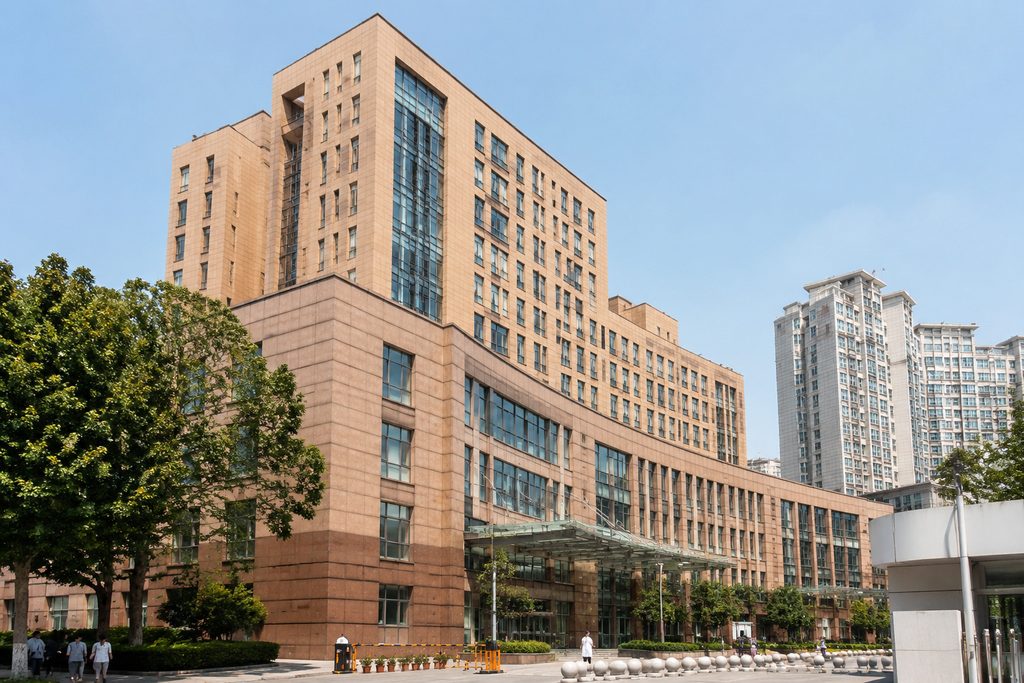
While patients in the UK face a 72-week wait for a routine jaw surgery consultation under the NHS, surgeons at Shanghai Ninth People’s Hospital complete over 40,000 plastic and reconstructive procedures annually. The volume gap isn’t marginal. It is tectonic. For a patient with a complex craniofacial condition, that difference translates into something simple: access to a specialist who has seen your exact deformity hundreds of times, not once or twice in a career.
We are not a hospital. We do not provide medical treatment or clinical diagnoses. Our team acts as your logistical architects, bridging the gap between you and China’s top-tier medical expertise. We handle the opaque parts—visa documentation, hospital registration, billing, and language barriers—so you can focus entirely on your recovery.
Key Takeaways
- Shanghai Ninth People’s Hospital is ranked among China’s top two hospitals for plastic surgery, managing a surgical volume that significantly surpasses most Western centers.
- The Shanghai Ninth People’s Hospital international patient price for complex procedures like orthognathic surgery typically ranges from $15,000 to $30,000, often 60-70% less than US private-sector fees.
- Navigating the public registration system is nearly impossible without Mandarin fluency; the international VIP channel is the only viable route for foreigners seeking predictable scheduling.
- Success hinges on pre-arrival planning: you need a clear diagnosis, properly formatted imaging, and a confirmed appointment before stepping on a plane.
The Problem: The Global Bottleneck in Craniofacial Care
Finding a surgeon who can rebuild a jaw or reshape a skull is hard. Finding one who can do it within a year, at a cost that won’t bankrupt you, is a crisis playing out quietly across Western healthcare systems. In Canada, the median wait time between specialist assessment and treatment for reconstructive surgery stretches past 26 weeks in many provinces. In the United States, a double-jaw surgery with a private surgeon in a major city like New York or Los Angeles can easily exceed $60,000—and that is before hospital fees.
Patients with hemifacial microsomia, severe malocclusion, or post-traumatic deformities often find themselves in a no-man’s-land. Insurance companies call the procedures cosmetic. Surgeons call them medically necessary. The patient waits. And waits. For some, the delay causes functional deterioration: worn teeth, chronic pain, sleep apnea that worsens by the month. The system fails them not because the skill is absent, but because the economic incentives and surgical backlogs don’t align with their needs.
What if the solution wasn’t a different insurance plan, but a different continent?
Who We Are
China Medical Services is a patient navigation firm. We are not doctors. We are the operational layer between international patients and China’s 340+ top-ranked hospitals. Our team translates medical records, coordinates with hospital international departments, secures visa support documentation, and places a bilingual medical companion at your side during every clinical encounter. We exist because China’s best hospitals are world-class, but their patient intake systems were not designed for foreigners. We fix that gap.
Why Shanghai Ninth People’s Hospital Delivers Results
Shanghai Ninth People’s Hospital—often called simply “Shanghai Nine”—is not a typical plastic surgery clinic. It is a massive, university-affiliated medical campus where the Department of Plastic and Reconstructive Surgery functions more like a high-throughput center of excellence than a conventional hospital unit. The numbers tell the story.
Clinical Volume Drives Surgical Precision
The Department of Plastic and Reconstructive Surgery at Shanghai Ninth handles an extraordinary caseload. The hospital performs more than 40,000 plastic surgery procedures and over 90,000 outpatient visits in this department alone each year. To put that in perspective, a busy craniofacial surgeon at a major US academic center might perform 50 to 80 orthognathic surgeries annually. At Shanghai Ninth, individual senior surgeons routinely surpass 200 such cases per year.
Volume matters in craniofacial surgery. A surgeon who corrects 200 facial asymmetries a year develops an intuitive grasp of nerve trajectories, bone healing patterns, and soft tissue response that no textbook can teach. When you ask is Shanghai Ninth Hospital good for jaw surgery, the answer lies not in marketing claims but in repetition. The hospital’s orthognathic surgery team operates five days a week, every week. That rhythm produces outcomes that are not just acceptable—they are polished.
Technology Infrastructure Built for Complex Cases
Shanghai Ninth operates one of China’s most advanced digital surgery planning labs. Before a single incision is made, patients undergo 3D CT reconstruction, virtual surgical planning, and 3D-printed surgical guide fabrication. The hospital uses intraoperative navigation systems for complex cranial vault remodeling and real-time nerve monitoring during mandibular procedures.
This is not experimental technology. It is standard workflow. The digital planning suite processes dozens of cases weekly. For a foreign patient, this means your surgical plan is simulated and stress-tested before you arrive. The splints and cutting guides are fabricated in-house, not outsourced. That tight integration between planning and execution reduces operative time and improves accuracy.
Cost Advantage Without Quality Compromise
Let’s address the elephant in the room directly. Lower cost often signals lower quality to Western patients. It shouldn’t. The Shanghai Ninth People’s Hospital international patient price structure reflects structural economic differences, not clinical shortcuts. A surgeon’s salary in Shanghai, even a department chair’s, is a fraction of what a US surgeon earns. Hospital overhead is lower. Malpractice insurance costs are dramatically lower. The equipment—CT scanners, surgical robots, navigation systems—is identical to what you find in a Mayo Clinic operating room. The implants are often from the same Swiss or German manufacturers.
The result? A comprehensive orthognathic surgery package—surgeon fees, hospital stay, anesthesia, and standard hardware—typically falls between $15,000 and $30,000 through the international patient channel. The same procedure in the US private sector frequently exceeds $50,000, and we have seen bills surpass $80,000 at prestigious academic centers. That is not a marginal difference. It is the cost of a new car. Or a year of university tuition.
What You Need to Know Before Going Alone
We want you to succeed, whether you use our service or not. So here is the unfiltered reality of trying to access Shanghai Ninth People’s Hospital independently.
- Public Registration Is a Non-Starter: The hospital’s public outpatient system operates through a real-time digital queuing platform. Appointments are released in batches and disappear within minutes. The interface is entirely in Chinese. Payment requires a Chinese bank card or Alipay account linked to a mainland ID. Walk-in registration means arriving at 5 AM and hoping for a leftover slot. For a foreigner without local documents, this path leads to frustration, not treatment.
- Language Barrier Is Absolute: Shanghai Ninth is a Chinese public hospital first. Hallway signs are in Chinese. Medical records are in Chinese. Consent forms are in Chinese. While senior surgeons often speak some English, the residents, nurses, anesthesiologists, and billing staff rarely do. A surgical consent discussion conducted through hand gestures and Google Translate is not informed consent. It is a gamble.
- Payment Systems Don’t Accept Foreign Cards: The hospital’s standard payment terminals process UnionPay cards and domestic digital wallets. Visa and Mastercard are often declined. International wire transfers require precise invoicing codes that the general cashier’s office is not accustomed to generating for foreign patients. This single friction point has derailed more medical trips than any clinical complication.
How We Help You Navigate This
These barriers exist for structural reasons, not malice. Shanghai Ninth wants international patients—the hospital actively participates in global academic exchanges and values its international reputation. The intake system just wasn’t built with foreigners in mind. That is where we step in.
Our process begins before you book a flight. You send us your medical records, imaging files, and a brief history. We translate everything into clinical Chinese and route it to the hospital’s International Medical Center. We don’t guess which department you need; we match your condition to the specific subspecialty team. A patient needing orbital reconstruction goes to a different surgical group than one seeking orthognathic correction, even though both fall under “craniofacial surgery.”
Once the department reviews your case and confirms they can treat you, we lock in an appointment. Not a tentative slot—a confirmed consultation with a named senior surgeon. We generate the official hospital invitation letter required for your S2 medical visa application. We advise on visa documentation, accommodation near the hospital, and arrival timing. When you land in Shanghai, a bilingual medical companion meets you. This person handles registration, payment processing, queue navigation, and real-time interpretation during every doctor interaction. You speak. They translate. The surgeon responds. They translate back. Nothing is lost.
After discharge, we coordinate follow-up appointments, medication refills, and clearance letters for your flight home. If you need a second-stage procedure six months later, we restart the cycle with the same surgeon. Continuity of care is not an afterthought; it is the whole point.
Understanding the Costs: A Transparent Breakdown
We believe in showing real numbers. The craniofacial surgery cost Shanghai Ninth Hospital depends on procedure complexity, implant requirements, and length of stay. Below is a realistic range based on cases we have coordinated.
| Procedure Type | Estimated Cost (USD) | Typical Hospital Stay |
|---|---|---|
| Orthognathic Surgery (Single Jaw) | $12,000 – $18,000 | 5–7 days |
| Orthognathic Surgery (Double Jaw) | $18,000 – $28,000 | 7–10 days |
| Craniofacial Reconstruction (Trauma/Congenital) | $20,000 – $35,000 | 10–14 days |
| Facial Contouring (Zygoma/Mandible Reduction) | $8,000 – $15,000 | 3–5 days |
| Rhinoplasty (Complex Revision) | $6,000 – $12,000 | 2–4 days |
These figures include surgeon fees, anesthesia, standard implants, hospital bed charges, and basic medications. They do not include premium implant upgrades, extended ICU stays, or our coordination fees. Every case is quoted individually after the surgical team reviews your imaging. We never give a fixed price sight unseen, and neither should anyone else.
Our coordination fee structure is straightforward. Hospital appointment coordination starts from $300. A bilingual medical companion is available from $200 per day. For patients seeking the highest level of support, our VIP End-to-End Coordination package ranges from $5,000 to $8,000, covering everything from pre-arrival case management to post-operative follow-up logistics. Any consultation fee you pay is credited in full toward future coordination services if you proceed with treatment within 90 days.
How to Book: The Process Step by Step
If you are researching how to book plastic surgery at Shanghai Ninth People’s Hospital, you have likely already encountered dead ends. The hospital does not have an English-language online booking portal. The international department phone line is answered in Mandarin during Shanghai business hours. Emails sent to generic hospital addresses rarely receive responses. This is not neglect. It is simply that the hospital’s international patient volume exceeds what a small administrative team can handle manually.
The functional path works like this. First, you need a preliminary case review. The surgical team must confirm your condition is within their scope and that they are willing to accept you as a patient. This requires professionally translated medical summaries and properly formatted DICOM imaging files. Amateur translations or incomplete records will result in silence, not a rejection letter.
Second, once accepted, you need a confirmed surgical date. Surgeons at Shanghai Ninth operate on fixed weekly schedules. A specific surgeon may only perform orthognathic cases on Tuesdays and Thursdays. You cannot simply pick a date that suits your calendar; you must align with the surgeon’s block time. We handle this negotiation. We know which surgeons have availability in which months and can advise you honestly about wait times.
Third, you need the hospital invitation letter for your S2 visa. This document must include the hospital’s official stamp, your diagnosis, and your intended treatment dates. The Chinese consulate in your home country will scrutinize it. Errors or omissions mean a rejected visa application and a delayed trip.
Fourth, you need on-the-ground support. Even with a confirmed appointment, navigating the hospital campus—which spans multiple buildings and treats over 10,000 outpatients daily—requires local knowledge. Your companion handles registration, escorts you to imaging, translates preoperative instructions, and stays with you through discharge.
What Makes a Surgeon the Right Choice
Patients often ask us to recommend the best craniofacial surgeon China for foreigners. We understand the impulse. You want a name. A guarantee. But the honest answer is more nuanced. Shanghai Ninth employs multiple senior craniofacial surgeons, each with subspecialty focuses. One may excel at hemifacial microsomia reconstruction. Another may be the go-to expert for post-traumatic orbital repair. A third may have published extensively on orthognathic surgery for sleep apnea patients.
The best surgeon for you depends on your diagnosis. A surgeon who performs brilliant rhinoplasties may never touch a Le Fort III osteotomy. Our job is to route your case to the right sub-specialist, not to anoint a single “best” name. We match based on surgical volume for your specific condition, patient outcomes data where available, and the surgeon’s experience with international patients who need clear communication and predictable recovery timelines.
Shanghai Ninth’s plastic surgery department is consistently ranked among China’s top two programs in the Fudan University national specialty reputation rankings. That ranking is not based on marketing. It is based on peer assessment from department chairs at every major Chinese hospital. When a surgeon at another top hospital needs a complex craniofacial case managed, Shanghai Ninth is where they refer.
The Medical Tourism Package Reality
You may encounter websites advertising a Shanghai Ninth People’s Hospital medical tourism package. Be careful. The hospital itself does not sell “packages” in the way a cosmetic surgery agency in Thailand or South Korea might. What exists is a coordinated service layer built around the hospital’s clinical offerings. A legitimate package should include: pre-arrival case review by the surgical team, a confirmed appointment with a named surgeon, visa support documentation, airport transfer, bilingual clinical interpretation, and post-operative follow-up coordination.
Anything that looks like a fixed-price, all-inclusive vacation with surgery attached is a red flag. Real craniofacial surgery is not predictable enough to package neatly. Complications happen. Surgical plans change intraoperatively. Hospital stays extend. A legitimate service provider acknowledges this uncertainty and builds flexibility into the plan, not a rigid itinerary.
We structure every engagement as case management, not a product sale. You receive a detailed estimate based on the surgeon’s review of your specific imaging. You pay the hospital directly for clinical services. You pay us for coordination and companion services. There is no markup on medical fees. There is no mystery about where your money goes.
Frequently Asked Questions
The total cost for orthognathic surgery through the international patient channel typically ranges from $15,000 to $30,000, depending on whether you need single-jaw or double-jaw surgery and the complexity of your case. This includes surgeon fees, anesthesia, hospital stay, and standard titanium fixation hardware. It does not include premium custom implants, extended ICU care, or our coordination fees. Every case receives an individualized quote after the surgical team reviews your CT scans and treatment plan.
You cannot book directly through the hospital’s public registration system, which requires Chinese language skills and local payment methods. The reliable path is through the hospital’s International Medical Center, accessed via a patient coordination service. The process involves: submitting translated medical records and DICOM imaging for preliminary review, receiving surgical team acceptance, securing a confirmed appointment date, obtaining the hospital invitation letter for your S2 medical visa, and arriving with a bilingual companion to manage registration and interpretation. We handle all of these steps on your behalf.
Yes. The Department of Plastic and Reconstructive Surgery performs a volume of orthognathic procedures annually that far exceeds most Western academic centers. Individual senior surgeons complete 200 or more jaw surgeries per year, compared to 50–80 for a typical busy US craniofacial surgeon. The hospital uses routine 3D virtual surgical planning, intraoperative navigation, and in-house 3D-printed surgical guides. Clinical outcomes are published in peer-reviewed international journals and are comparable to top Western centers. The primary difference is surgical volume, which correlates strongly with complication rates and precision in craniofacial surgery.
Yes. Foreign patients traveling to China for medical treatment apply for an S2 visa with a “medical treatment” notation. You will need an official invitation letter from the hospital, stamped and specifying your diagnosis and intended treatment period. Your accompanying family members also apply for S2 visas. Do not apply for an M visa, which is for commercial business and is not appropriate for medical travel. We provide the correct hospital invitation documentation as part of our coordination service.
Shanghai Ninth is a full-service tertiary hospital with intensive care units, 24-hour emergency surgical coverage, and all major medical specialties on-site. If a complication arises, you are not being transferred to another facility—the resources to manage it exist within the same hospital. That said, complications in craniofacial surgery are real and can include infection, nerve injury, hardware failure, or unsatisfactory aesthetic results. No surgeon can guarantee a perfect outcome. We advise all patients to plan for a longer stay than the minimum quoted and to purchase medical travel insurance that covers complication management and extended hospitalization. We remain engaged throughout your recovery and can coordinate any necessary revision procedures with the same surgical team.
Your Next Step
You have been living with a condition that deserves expert attention. The wait times and costs in your home country have made that attention feel out of reach. It isn’t. Shanghai Ninth People’s Hospital offers surgical expertise that ranks among the best in the world, at a cost that makes treatment financially possible for patients who have been priced out of their local systems. The logistics are real, but they are solvable. We solve them every day. If you are ready to explore whether your case is a fit for treatment at Shanghai Ninth, our team is here to begin the preliminary review. No pressure. No hard sell. Just a clear assessment of your options.
Medical Disclaimer: This article is for informational purposes only and does not constitute medical advice, diagnosis, or treatment recommendation. Surgical outcomes vary by individual patient factors. Always consult with a qualified healthcare provider about your specific condition. China Medical Services does not provide clinical care and makes no claims about guaranteed surgical results.
For more medical information and treatment options in China, visit chinamedservices.com (China Medical Services).
