Aortic Aneurysm Surgery in China: Accessing Beijing Anzhen Hospital’s Aortic Dissection Center
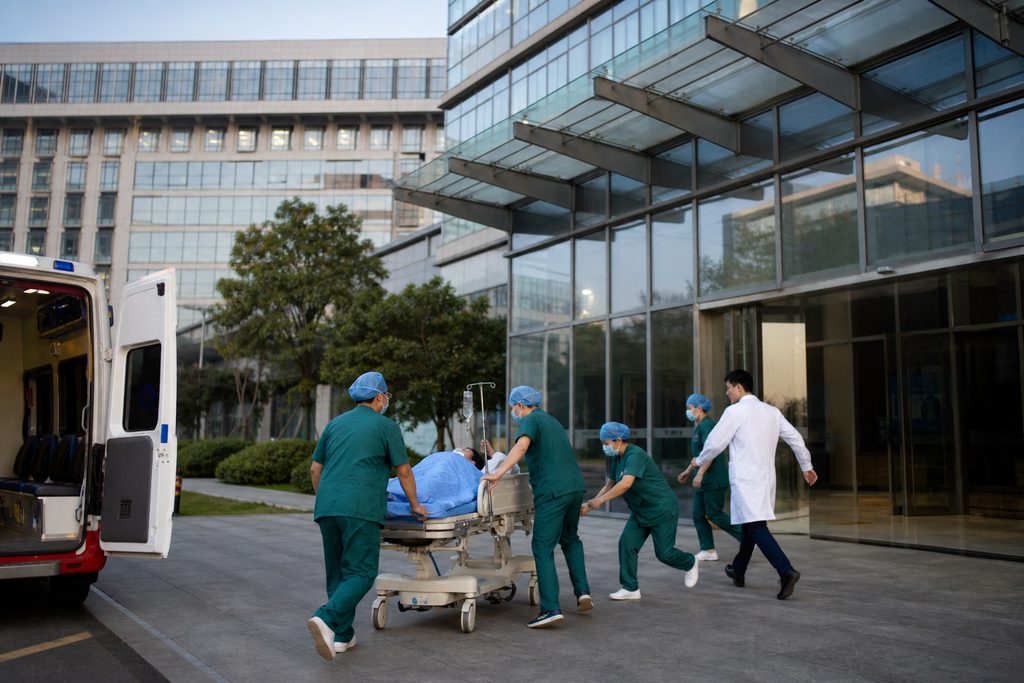
When 52-year-old David, an engineer from Manchester, was told he had a 5.2-centimeter ascending aortic aneurysm, his cardiologist gave him two pieces of information. The first was that surgery was inevitable. The second was that the NHS waiting list stretched beyond four months—a dangerous delay for a condition where every millimeter of growth increases rupture risk. David had never considered leaving the UK for surgery. He had never heard of Beijing Anzhen Hospital. Within six weeks, he was on a plane home, repaired and recovering.
He is not an outlier. He is part of a quiet but growing shift.
Key Takeaways
- Beijing Anzhen Hospital performs over 1,000 aortic dissection surgeries annually, making it one of the highest-volume aortic centers globally.
- The aortic aneurysm surgery cost in China ranges from $25,000 to $45,000 USD for complex open repairs—roughly one-fifth to one-third of US prices.
- Language barriers, visa requirements, and hospital registration systems make independent navigation extremely difficult without local coordination.
- Recovery after aortic dissection repair typically requires 7–10 days in-hospital and 3–6 months before returning to full activity.
The Problem: Aortic Disease Does Not Wait for Bureaucracy
An aortic aneurysm is not a passive condition. It is a structural time bomb. For ascending aortic aneurysms, surgical guidelines generally recommend intervention at 5.0 to 5.5 centimeters, depending on patient factors and growth rate. Once diagnosed, the clock starts ticking.
In publicly funded healthcare systems—the UK’s NHS, Canada’s provincial plans, parts of Europe—cardiothoracic surgery slots are rationed. A 2023 British Heart Foundation report noted that cardiac surgery waiting lists in England had grown by nearly 50% since early 2020, with some patients waiting over a year for non-emergency procedures. For an aneurysm patient, that wait is not just stressful. It is physiologically dangerous.
In the United States, the problem is not wait times. It is cost. Even with insurance, a complex aortic root replacement with valve-sparing techniques can leave patients with out-of-pocket bills exceeding $30,000. Without insurance, the numbers become absurd: $150,000 to $250,000 or more. Some patients simply cannot afford to have their lives saved in their own country.
Both groups—those stuck waiting and those priced out—share a single question: is there another option?
Who We Are
We are not a hospital. We do not provide medical treatment, clinical diagnoses, or surgical opinions. China Medical Services is a medical concierge organization that connects international patients with China’s top-tier hospitals. Our team handles the logistics—hospital matching, appointment coordination, visa guidance, bilingual medical companions, and post-operative recovery support. We are the bridge between you and clinical expertise. Nothing more, nothing less. We serve as your local architects, ensuring you do not have to navigate a foreign healthcare system alone.
Why Beijing Anzhen Hospital for Aortic Surgery
There are cardiac surgery centers. Then there are aortic centers. The distinction matters. Most heart surgeons can replace a valve or perform a bypass. Aortic root surgery, arch replacements, and dissection repairs require a fundamentally different skill set and institutional infrastructure. Beijing Anzhen Hospital is not simply a good heart hospital. It is one of the world’s busiest and most specialized aortic surgery centers.
Volume Creates Expertise
Beijing Anzhen Hospital’s aortic surgery program handles over 1,000 aortic dissection and aneurysm cases annually. To put that in perspective: many respected Western cardiac centers might see 50 to 100 aortic cases per year. The entire state of Texas—with roughly 30 million people—reports fewer annual aortic dissection surgeries than this single Beijing institution.
Why does volume matter? A 2016 study in the Journal of Thoracic and Cardiovascular Surgery found a clear inverse relationship between hospital volume and operative mortality for aortic arch surgery. Centers performing fewer than 10 cases annually had mortality rates above 12%. High-volume centers dropped that figure below 5%. Surgeons who see complex aortic pathology every day develop pattern recognition and technical fluency that low-volume surgeons cannot replicate.
The director of Anzhen’s aortic surgery program, Dr. Sun Lizhong, pioneered the “Sun’s procedure”—a surgical technique for acute Type A aortic dissection that combines total arch replacement with a stented elephant trunk. This approach has been adopted internationally and is now taught at aortic surgery workshops worldwide. The team has published extensively on their outcomes, with reported operative mortality for Type A dissection repair consistently under 5%—competitive with the best centers in North America and Europe.
Cost Reality: What You Actually Pay
Let us address the question most patients search for first: aortic aneurysm surgery cost in China. We will give you real numbers, not vague ranges.
For a complex open aortic root replacement—Bentall procedure, valve-sparing root replacement, or total arch replacement—at Beijing Anzhen Hospital’s international or VIP department, expect to pay between $25,000 and $45,000 USD. This covers the surgeon’s fee, anesthesia, operating room, ICU stay, ward bed, and standard medications. It does not include travel, accommodation, or post-discharge rehabilitation.
| Procedure | China (USD) | United States (USD) | United Kingdom (Private, USD) |
|---|---|---|---|
| Aortic root replacement (Bentall) | $28,000–$40,000 | $120,000–$200,000 | $80,000–$130,000 |
| Total arch replacement with frozen elephant trunk | $35,000–$45,000 | $150,000–$250,000 | $100,000–$160,000 |
| Thoracic endovascular aortic repair (TEVAR) | $18,000–$28,000 | $60,000–$100,000 | $45,000–$80,000 |
These figures are estimates. Final costs vary by case complexity, implant selection, length of ICU stay, and whether complications arise. But the structural gap is real. A patient paying $35,000 in Beijing for a procedure that would cost $160,000 in the US is not trading quality for savings. They are paying for clinical expertise, not American hospital administration overhead, insurance billing complexity, and pharmaceutical pricing distortions.
How Safe Is Aortic Aneurysm Surgery in China?
This is the question that keeps patients awake at night. It deserves a direct answer.
Safety in complex aortic surgery depends on three things: surgeon experience, institutional volume, and perioperative care infrastructure. At Beijing Anzhen Hospital, all three are present at levels that match or exceed most Western referral centers. The hospital’s cardiopulmonary bypass team runs perfusion for over 3,000 cardiac cases annually. The cardiovascular ICU is staffed by intensivists who see post-operative aortic patients daily—not once a month.
Published outcome data supports this. A 2019 study in the European Journal of Cardio-Thoracic Surgery analyzing outcomes from Anzhen’s aortic program reported a 30-day mortality of 4.3% for acute Type A aortic dissection repair. The International Registry of Acute Aortic Dissection (IRAD) reports global averages between 15% and 25% for the same procedure. These numbers do not mean Anzhen is magically better than every Western center. They mean the hospital has concentrated aortic care in a way that few institutions globally have attempted.
Infection rates, blood conservation protocols, and neurological protection strategies are all areas where the center has invested heavily. Deep hypothermic circulatory arrest with antegrade cerebral perfusion is standard for arch cases—a technique that takes time to master and requires a coordinated surgical team.
What You Need to Know Before Going Alone
Honesty is essential here. China’s top hospitals deliver world-class surgical outcomes. But accessing them as a foreign patient—without local knowledge, language skills, or institutional relationships—is genuinely difficult. Here is what you face:
- Visa Requirements: Medical treatment in China requires an S2 visa, which mandates an invitation letter from the treating hospital. Obtaining this letter independently—without a local contact who understands hospital bureaucracy—can take weeks of back-and-forth communication. Apply for the wrong visa category, and you risk entry denial.
- Hospital Registration Systems: Chinese public hospitals do not operate on a “call and book” model for international patients. There is no central scheduling line. Outpatient clinics require in-person registration, often on the same day, and specialist appointments fill within hours of release. Walking in without coordination means walking out without a consultation.
- Language and Cultural Navigation: Even in Beijing, clinical staff rarely speak functional medical English. Consent forms, surgical plans, discharge instructions—all in Chinese. A bilingual companion is not a luxury. It is a safety requirement. Misunderstanding post-operative medication instructions after aortic surgery is not a minor inconvenience.
- Payment and Insurance: Chinese public hospitals require upfront payment, typically as a deposit before admission. International insurance reimbursement is retrospective—meaning you pay first, claim later. Some private international hospitals offer direct billing, but Beijing Anzhen’s VIP department operates on a fee-for-service deposit model. You need working capital before surgery.
How We Help You Navigate This
These barriers are structural, not malicious. China’s healthcare system was built to serve 1.4 billion domestic patients—not to accommodate international visitors. Our role is to bridge that gap.
When you contact us, we start with your medical records. Not a brief summary—actual imaging, cardiology reports, surgical history. Our team translates these documents and presents them to the appropriate department at Beijing Anzhen Hospital or alternative centers if your case requires a different subspecialty. We do not choose your surgeon. The hospital’s department head reviews your file and assigns the most appropriate specialist.
Once the hospital confirms they will accept your case, we coordinate the S2 visa invitation letter, schedule your initial consultation, and arrange a bilingual medical companion to accompany you through every step: registration, consultation, pre-operative testing, admission, surgery day communication, and discharge instructions. Our companions are not interpreters standing in a corner. They are active participants in your care journey, ensuring nothing gets lost between languages.
After discharge, we can arrange follow-up consultations, medication reviews, and coordination with your home cardiologist. Recovery from aortic dissection repair is a months-long process. You should never feel abandoned once you leave the hospital.
Recovery: What to Expect After Aortic Dissection Repair
Patients often ask about recovery time after aortic dissection repair. The honest answer: it depends on what was done and how sick you were going in.
For elective aneurysm repair without dissection, most patients spend 1–2 days in the ICU, then 5–7 days on the ward. Walking begins on post-operative day two or three. Full sternal healing takes 8–12 weeks. Return to desk work is possible at 6–8 weeks. Physical labor takes longer—3 to 6 months minimum.
For acute dissection repair, recovery is more variable. These patients are often sicker pre-operatively, may have malperfusion affecting organs, and face a longer ICU course. Hospital stays of 10–14 days are common. Cardiac rehabilitation, when available, improves functional outcomes significantly.
One under-discussed aspect: the psychological recovery. Surviving a dissection or major aneurysm repair changes how you inhabit your body. Many patients experience anxiety, hypervigilance about bodily sensations, and difficulty trusting their repaired aorta. This is normal. It improves with time, good follow-up imaging, and honest conversations with your surgical team.
Frequently Asked Questions
For complex open aortic surgery, expect $25,000 to $45,000 USD for the hospital and surgical fees. Add $3,000 to $5,000 for travel, accommodation, and local expenses. Our coordination services start from $800 for specialist consultation coordination, with comprehensive packages available. Any consultation fees are credited in full toward on-the-ground coordination if you proceed with surgery within 90 days.
You cannot book surgery directly. The process requires: medical record submission and review, hospital acceptance, visa issuance, in-person consultation, pre-operative testing, and then surgical scheduling. Our team manages this entire pipeline. We translate records, liaise with the hospital’s international department, and coordinate timelines. The hospital decides surgical priority based on clinical urgency—not who paid first.
“Best” is subjective, but it is objectively one of the highest-volume aortic centers in the world, with published outcomes that rival top Western institutions. For patients who need complex arch surgery or have connective tissue disorders like Marfan syndrome, the center’s subspecialized expertise is particularly relevant. Other Chinese centers with strong aortic programs include Fuwai Hospital in Beijing and Zhongshan Hospital in Shanghai. The right choice depends on your specific pathology.
At high-volume Chinese centers like Beijing Anzhen, published operative mortality for elective aortic root replacement is under 3%, and for acute Type A dissection repair under 5%. These figures are comparable to or better than international benchmarks. Safety depends more on institutional volume and surgeon experience than on country. Choose the center, not the flag.
Beijing Anzhen Hospital has a dedicated cardiovascular surgical ICU with 24/7 intensivist coverage, advanced mechanical circulatory support capability, and a blood bank equipped for massive transfusion protocols. No surgery is risk-free, and aortic surgery carries real risks—stroke, bleeding, infection, renal failure. The question is whether the institution can recognize and manage complications when they occur. Anzhen’s volume means they have seen and managed virtually every post-operative complication possible.
Your Next Step
If you or someone you care about is facing aortic aneurysm surgery, and the options at home feel limited by cost, wait times, or lack of subspecialized expertise, Beijing Anzhen Hospital deserves serious consideration. The clinical outcomes are real. The cost advantage is significant. The logistical barriers are solvable with the right support.
We are here if you need us. Reach out for a free consultation—no obligation, no pressure. Send your medical records, ask your hardest questions, and let us help you understand whether this path makes sense for your specific situation. You deserve to make this decision with clear information, not marketing noise.
For more medical information and treatment options in China, visit chinamedservices.com (China Medical Services).
