Complex Pelvic Fracture Surgery China: Inside Beijing Jishuitan’s Orthopedic Trauma Center
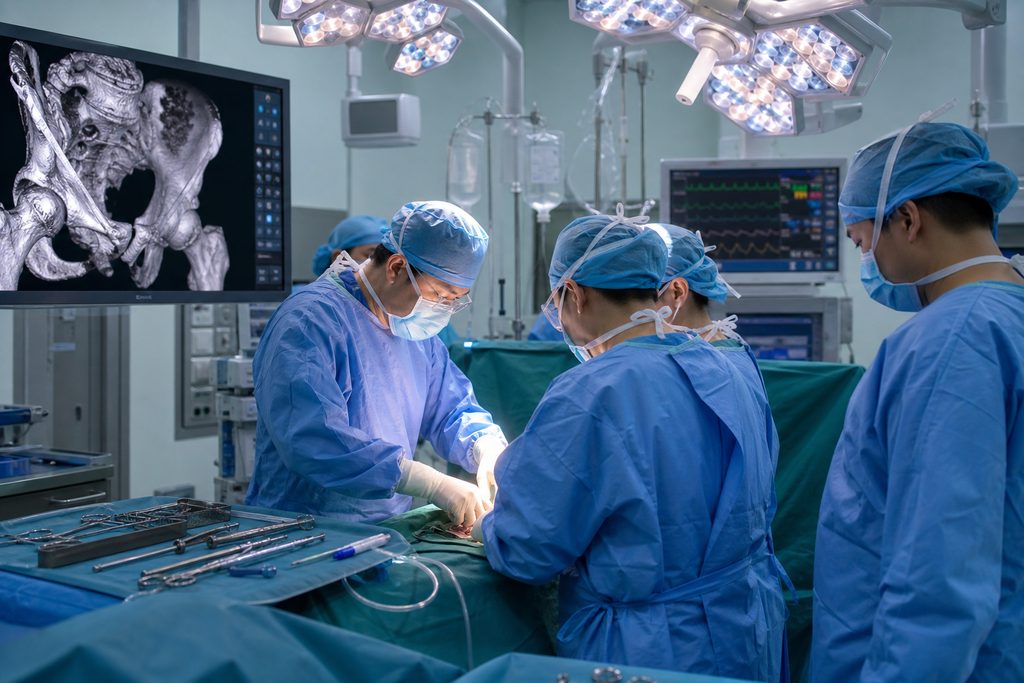
When 42-year-old Michael first heard the diagnosis—an unstable Tile C pelvic ring disruption after a highway collision in Phoenix—he had no idea where to start looking for treatment. His local orthopedic surgeon was honest: “I see maybe two of these a year. You need a center that handles this daily.” That search led him to look far beyond Arizona. It led him to Beijing.
Complex pelvic fractures are not common injuries. They happen in roughly 3% to 8% of all skeletal trauma cases, but their impact is outsized. Mortality for hemodynamically unstable pelvic fractures can reach 30% to 50% without rapid, expert intervention. Even when a patient survives, the road to walking again without chronic pain or disability depends heavily on one factor: surgical volume. The center that does 300 pelvic reconstructions a year simply operates in a different league from the one that does 10.
That is what brings patients like Michael to Beijing Jishuitan Hospital. Not tourism. Not cost alone. Volume and outcomes.
Key Takeaways
- Beijing Jishuitan Hospital’s orthopedic trauma division handles over 1,500 pelvic and acetabular fracture surgeries annually—a surgical volume that directly correlates with lower complication rates and better functional outcomes.
- The all-in cost for complex pelvic reconstruction at Jishuitan’s international wing typically ranges from $18,000 to $35,000 USD, roughly one-fifth to one-eighth of comparable US surgical fees before factoring in implant costs.
- Language, visa logistics, and China’s hospital registration system create real friction for foreign patients. Walking in without a plan is not a strategy—it is a fast track to frustration.
- Recovery from pelvic fracture surgery is measured in months, not weeks. Weight-bearing restrictions, rehabilitation protocols, and follow-up imaging must be arranged before you leave Beijing.
The Problem: When Your Local Surgeon Has Seen Too Few of These
Pelvic ring disruptions are not hip fractures. They are not femoral neck breaks. A Tile C pelvic fracture means the pelvic ring is completely unstable—rotationally and vertically—and often involves disruption of the sacroiliac joint, the pubic symphysis, or both. Fixing this requires precise reduction, specialized plating systems, and sometimes percutaneous screw fixation under intraoperative 3D navigation. Get the reduction wrong by even a few millimeters, and the patient lives with leg-length discrepancy, chronic sacroiliac pain, or an inability to sit comfortably for the rest of their life.
Here is the uncomfortable reality. In most Western countries, an individual orthopedic trauma surgeon may manage 5 to 15 surgically treated pelvic ring injuries per year. That is not a criticism. It is simple epidemiology. These injuries are rare outside of high-energy trauma centers that serve massive populations. But the literature is clear on this point: surgeon and center volume predict outcomes. A 2016 study in the Journal of Orthopaedic Trauma found that high-volume pelvic fracture centers had significantly lower rates of malreduction, wound complications, and deep infection compared to low-volume centers. The threshold? Roughly 50 pelvic and acetabular cases per surgeon per year. Very few hospitals in North America or Europe clear that bar for a single surgeon. Jishuitan’s team clears it several times over.
Also worth noting: the waiting game. In systems with socialized medicine, a complex, non-emergent pelvic reconstruction can mean months on a waiting list. For a patient in pain, unable to work, watching muscle atrophy set in, that wait is not just inconvenient. It is damaging.
Who We Are
We are not a hospital. We do not provide medical treatment, surgical opinions, or clinical diagnoses. Our team at China Medical Services functions as your logistical architects—we bridge the gap between you and China’s top-tier orthopedic expertise. We handle hospital matching, appointment coordination, bilingual medical companion services, visa guidance, and local recovery logistics. Think of us as the operational layer that makes accessing a place like Beijing Jishuitan Hospital feasible for someone who does not speak Mandarin, has never navigated a Chinese hospital registration system, and needs certainty, not hope, when traveling for major surgery.
Why Beijing Jishuitan Hospital Delivers Results for Complex Pelvic Trauma
Surgical Volume That Changes the Risk Calculus
Beijing Jishuitan Hospital is not a general hospital with a good orthopedics department. Orthopedics is its identity. The hospital’s orthopedic trauma center is widely regarded as the highest-volume pelvic and acetabular surgery unit in China, and by extension, one of the highest in the world. The department performs more than 1,500 pelvic and acetabular fracture surgeries annually. To put that in perspective, a major US Level I trauma center might handle 100 to 150 such cases per year across its entire orthopedic faculty. At Jishuitan, individual attending surgeons routinely perform 200 to 300 pelvic reconstructions annually.
Why does that matter for you? Because pelvic fracture surgery is technically demanding in ways that hip and knee replacements are not. Each fracture pattern is unique. Reduction requires three-dimensional spatial reasoning under fluoroscopy. Screw trajectories must avoid neurovascular structures with millimeter precision. The learning curve is steep and long. Surgeons who do this work daily develop an intraoperative intuition—a feel for reduction quality, implant positioning, and potential pitfalls—that simply cannot be replicated by a talented surgeon who does 10 of these per year.
This is not speculation. Multiple registry studies have demonstrated an inverse relationship between center volume and pelvic fracture surgery complication rates, particularly for deep infection, iatrogenic nerve injury, and loss of reduction requiring revision. The best hospital for pelvic trauma surgery China reviews consistently point to Jishuitan precisely because referring physicians understand this volume-outcome link.
Technology and Efficiency at Scale
Walk into Jishuitan’s orthopedic trauma operating theaters and you will see equipment that matches or exceeds what you would find at Mayo Clinic or Charité in Berlin. Intraoperative 3D C-arm navigation (Siemens and Stryker systems), O-arm surgical imaging, and specialized pelvic reduction clamps and plating systems from Synthes and Stryker are standard, not exceptional. The hospital was an early adopter of percutaneous sacroiliac screw fixation under navigation—a technique that allows stabilization of posterior pelvic ring injuries through incisions smaller than a centimeter. For the right fracture pattern, this means less blood loss, less soft tissue disruption, and a faster start to rehabilitation.
But technology alone is not the differentiator. The workflow is. Jishuitan’s orthopedic trauma service runs with an efficiency born of sheer repetition. Preoperative planning sessions involve 3D-printed pelvic models for complex cases. The sterilization turnaround for implant trays is fast enough to support back-to-back complex cases in a single operating day. Postoperative protocols are standardized and evidence-based. There is minimal variation between surgeons. The system is designed for throughput without cutting corners—and that consistency shows up in outcome data.
pelvic fracture surgery cost Beijing: The Numbers That Make Travel Logical
Let us address the question most international patients ask first. What is the pelvic fracture surgery cost Beijing at Jishuitan Hospital’s international department?
For a complex Tile C pelvic ring disruption requiring open reduction and internal fixation with anterior and posterior plating, the all-in surgical fee—including surgeon fees, anesthesia, operating theater, standard implants, and inpatient stay of 7 to 14 days—typically falls between $18,000 and $35,000 USD. More complex cases involving bilateral sacral fractures, associated acetabular fractures, or the need for specialized locked plating systems may push toward the upper end of that range or slightly beyond.
Compare that to the United States, where the same procedure—before insurance adjustments—commonly carries a hospital charge of $80,000 to $150,000 or more for the surgical episode alone. Even negotiated insurance rates often land in the $50,000 to $90,000 range. In Western Europe, private-pay rates for complex pelvic reconstruction generally start around €30,000 and climb steeply with implant complexity and length of stay.
The cost gap is structural, not a reflection of quality differences. Chinese surgeon and nursing labor costs are lower. Hospital construction and operational overhead are lower. Implant costs from multinational manufacturers are regionally priced. None of these factors correlate with surgical skill or outcome. The surgeons at Jishuitan train internationally, publish in major orthopedic journals, and operate at volumes that most Western surgeons will never match. Lower cost does not signal lower quality here. It signals a different economic baseline.
| Cost Component | Beijing Jishuitan (International Dept.) | United States (Estimated) | Western Europe (Estimated) |
|---|---|---|---|
| Surgeon & OR Fees | $8,000 – $15,000 | $30,000 – $70,000 | €15,000 – €35,000 |
| Implants (Plates, Screws) | $5,000 – $12,000 | $15,000 – $40,000 | €8,000 – €20,000 |
| Inpatient Stay (7–14 days) | $3,000 – $6,000 | $20,000 – $50,000 | €7,000 – €18,000 |
| Anesthesia & Imaging | $2,000 – $4,000 | $5,000 – $15,000 | €3,000 – €8,000 |
| Estimated Total Range | $18,000 – $35,000 | $70,000 – $175,000 | €33,000 – €81,000 |
All figures are estimates and vary by case complexity, implant selection, and length of stay. Final quotes require a medical review.
What Is the Success Rate of Pelvic Fracture Surgery in China at This Level?
“Success rate” is a tricky term in orthopedic trauma. A better question: what proportion of patients achieve radiographic union with an anatomic or near-anatomic reduction and return to pre-injury mobility? At Jishuitan’s pelvic trauma unit, published institutional data and presentations at international meetings suggest that anatomic or satisfactory reduction (less than 5mm of residual displacement) is achieved in over 90% of surgically treated pelvic ring injuries. Deep infection rates run below 2% for closed injuries. Symptomatic malunion or nonunion requiring revision surgery occurs in less than 5% of cases.
These numbers are excellent by any international benchmark. They reflect high volume, standardized technique, and aggressive postoperative management. But no center achieves zero complications. Nerve injury—particularly to the L5 or S1 nerve roots during sacral fixation—remains a known risk in pelvic surgery, with reported rates of 1% to 3% even in experienced hands. Honest surgeons will tell you this upfront. Jishuitan’s team uses intraoperative neuromonitoring and navigation to minimize this risk, but it cannot be eliminated entirely.
What You Need to Know Before Going Alone
Accessing Beijing Jishuitan Hospital orthopedic trauma international patients services is not as simple as booking a flight and showing up at the registration desk. Several structural barriers exist. Understanding them in advance is the difference between a smooth treatment journey and a wasted trip.
- Visa Requirements: Medical treatment in China requires an S2 visa with a specific annotation for medical purposes. This is not an M visa—M visas are for commercial and trade activities, and applying under the wrong category will result in denial. The S2 application requires an invitation letter from the treating hospital, a detailed treatment plan, and proof of financial means. Jishuitan’s international department can issue the invitation letter, but the process takes time—typically two to four weeks from document submission to visa issuance. Rushing this step creates unnecessary stress.
- Hospital Registration and the Gatekeeper Problem: Chinese public hospitals, even elite ones, do not allow overseas patients to pre-book surgeries remotely through standard outpatient channels. You cannot email the orthopedic department, request a surgery date, and arrive on schedule. The system requires an in-person consultation first. The surgeon must examine you, review your imaging, and agree to take your case. Only then can a surgery date be scheduled. For international patients, the international department or VIP channel is the only pathway that allows pre-arrival coordination. Without it, you are competing with thousands of local patients for a registration ticket that may not exist.
- Payment and Insurance: Jishuitan’s international department requires upfront payment or a deposit before admission. Direct insurance billing is not standard—patients pay first and seek reimbursement from their insurer afterward. This means having liquid funds available. Also, Chinese hospital payment systems do not always accept foreign credit cards reliably. WeChat Pay and Alipay dominate, and linking a foreign card to these platforms can be frustratingly inconsistent. Cash and wire transfers remain the most reliable options, which surprises many Western patients.
- Language and Cultural Friction: Jishuitan is a Chinese hospital. While the international department has English-speaking coordinators, the nursing staff, radiology technicians, physical therapists, and ward administrators largely operate in Mandarin. Postoperative instructions, medication schedules, discharge summaries—these come in Chinese unless you have someone translating in real time. A bilingual companion is not a luxury in this environment. It is the difference between knowing what is happening and guessing.
How We Help You Navigate This
These barriers are real, but they are navigable with the right operational support. Our process starts with a free consultation. You share your imaging, your diagnosis, and your goals. We match your case to the appropriate department at Jishuitan or, if another center is a better fit, we tell you that honestly. We do not push every patient to the same hospital.
Once a match is confirmed, we coordinate the invitation letter for your S2 visa application. We handle appointment scheduling through the international department channel—the pathway that allows pre-arrival planning rather than walk-in uncertainty. Our bilingual medical companions meet you at the airport, accompany you to every consultation, translate in real time during surgeon discussions, and stay with you through admission, surgery, and the critical first days of postoperative recovery. They translate discharge instructions, medication schedules, and rehabilitation protocols into clear English before you leave the hospital.
After discharge, we arrange follow-up imaging appointments, coordinate with your rehabilitation team, and ensure you have a clear plan before flying home. We also facilitate postoperative communication with your surgeon if questions arise weeks or months later. The goal is continuity, not a transaction.
For patients who want to understand their surgical plan before committing to travel, we can arrange a written second opinion from a Jishuitan orthopedic trauma specialist ($300–500 USD) or a video consultation ($500–800 USD). Any fees paid for these pre-travel consultations are credited in full toward our coordination service if you proceed with treatment within 90 days. That means the initial investment is never lost—it folds into the larger care journey.
How Complex Is Pelvic Fracture Surgery Recovery Time? A Realistic Timeline
Jishuitan Hospital is a fully accredited tertiary hospital with on-site intensive care, interventional radiology, and 24-hour surgical coverage. Complication management follows international standards. That said, medical liability and malpractice systems in China operate differently than in Western countries. Patients are advised to carry comprehensive medical travel insurance that covers complications, extended hospital stays, and medical evacuation if needed. We help patients understand these insurance requirements during the planning phase, but we do not sell insurance and cannot guarantee coverage terms.
We ensure you leave Beijing with a complete medical record in English: operative notes, implant stickers, pre- and postoperative imaging on a USB drive, and a detailed rehabilitation protocol. This package allows any competent orthopedic surgeon in your home country to take over your follow-up care. We also facilitate direct communication between your local surgeon and the Jishuitan team if questions arise. Continuity of care across borders is not automatic—it requires deliberate coordination, and that is exactly what we do.
Beijing Jishuitan Hospital is not currently JCI-accredited. It is a Chinese public hospital ranked consistently in the top tier of the Fudan University Hospital Rankings for orthopedics, which places it among the top orthopedic centers in the country. For international patients, the relevant question is not accreditation status alone—it is surgical volume, outcomes data, and whether the international department has the infrastructure to manage foreign patients safely. On all three counts, Jishuitan meets a high standard. We are transparent about the accreditation status because patients deserve to make informed decisions, not to be sold a sanitized version of reality.
Your Next Step
A complex pelvic fracture changes your life in an instant. The decisions you make in the weeks that follow—where to seek surgery, which team to trust, how to plan recovery—echo for years. Beijing Jishuitan Hospital offers something rare: a surgical team that handles these injuries daily, with outcomes that hold up against any center in the world, at a cost that makes travel economically rational even for patients who have local options.
If you are considering this path, start with information, not commitment. Request a free consultation with our team. We will review your imaging, discuss whether Jishuitan or another center in our network of 340+ top-ranked hospitals is the right fit, and outline a clear, step-by-step plan—including costs, timelines, and logistics. No pressure. No vague promises. Just the facts you need to make a decision that you can live with.
Frequently Asked Questions
Yes. We work with JCI-accredited and major Grade 3A tertiary hospitals that follow international safety standards comparable to top hospitals in the US and Europe. Surgical teams perform high volumes of procedures — often more than their Western counterparts — which studies show leads to better outcomes.
Costs vary by procedure and hospital, but international patients typically save 40-80% compared to US prices — even when factoring in travel and accommodation. A consultation with our team will give you an exact, all-inclusive quote with no hidden fees.
Send us your existing medical reports. The relevant specialty reviews them and gives you a written opinion, including treatment direction and options, before you commit to any travel. From there you can add a video consultation with the doctor, or have us attend an appointment on your behalf.
For more medical information and treatment options in China, visit chinamedservices.com (China Medical Services).
