Drug-Resistant TB Treatment China: Shanghai Pulmonary Hospital MDR-TB Program
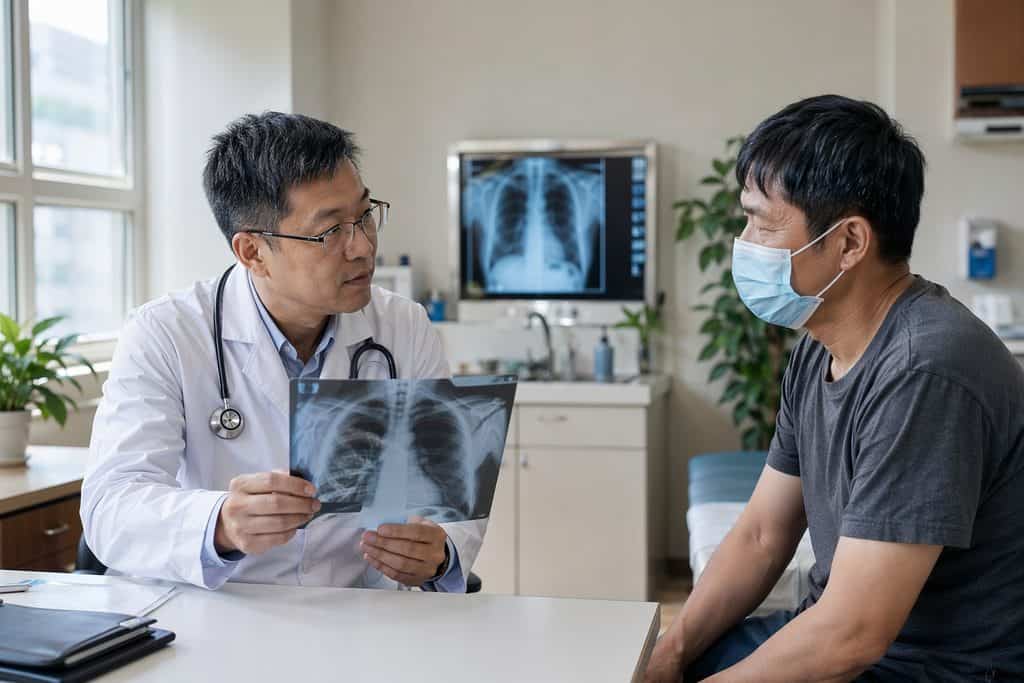
Drug-Resistant TB Treatment China: Shanghai Pulmonary Hospital MDR-TB Program
While a standard drug-sensitive tuberculosis case costs roughly $18,000 to treat in the United States, multidrug-resistant TB (MDR-TB) pushes that figure past $150,000 — and treatment can stretch across 18 to 24 grueling months. At Shanghai Pulmonary Hospital, the MDR-TB treatment cost Shanghai Pulmonary Hospital program delivers comparable clinical outcomes for international patients at $20,000 to $45,000, depending on drug regimen complexity and length of stay. The gap is not marginal. It is structural.
Our team at China Medical Services has coordinated treatment pathways for patients from over 15 countries who faced exactly this calculation. We do not treat the disease. We handle everything that stands between a patient and the treatment they need — visa logistics, hospital matching, appointment coordination, and bilingual medical companionship on the ground.
Key Takeaways
- Shanghai Pulmonary Hospital treats over 20,000 TB patients annually and runs China’s largest MDR-TB clinical program, with treatment success rates above 75% for MDR-TB cases.
- Total treatment costs for international patients range from $20,000 to $45,000 — a fraction of the $150,000+ typical in the US or Western Europe.
- Accessing the program independently is extremely difficult. The hospital’s international department handles foreign patients, but navigating visa requirements, medical translation, and post-discharge follow-up demands local expertise.
- No patient should commit to international MDR-TB treatment without first understanding the drug regimens available, the expected length of stay, and the post-treatment monitoring protocol.
The Problem: MDR-TB Is Spreading, and Treatment Abroad Is Financially Devastating
Approximately 450,000 people developed rifampicin-resistant or multidrug-resistant TB globally in 2023, according to the World Health Organization’s Global Tuberculosis Report. Only about two in five of those patients ever received treatment. The rest? They died, continued transmitting the disease, or simply ran out of money trying to pay for second-line drugs.
The financial arithmetic is brutal. In the United States, a full course of MDR-TB treatment can cost between $150,000 and $250,000 when hospitalization, surgery, and newer drugs like bedaquiline and delamanid are factored in. Even in countries with strong public health systems — the UK, Canada, Australia — wait times for drug susceptibility testing and specialist consultations can delay treatment by weeks. For a disease where every delay increases the risk of treatment failure, that timeline matters.
Patients search for alternatives. They ask pointed questions. What is the success rate of drug-resistant TB treatment in China? How much does multidrug-resistant tuberculosis treatment cost abroad compared to China? Can I travel to China for drug-resistant TB treatment legally and safely? These are not theoretical queries. They come from people who have received a diagnosis and a quote they cannot afford.
Who We Are
China’s National Tuberculosis Program has aggressively adopted newer MDR-TB drugs. Shanghai Pulmonary Hospital was among the first centers in China to incorporate bedaquiline and delamanid into routine clinical practice, and its clinicians have contributed to international research on the 9-month shorter MDR-TB regimen endorsed by the WHO. For eligible patients, this means a treatment course measured in months rather than years — and a corresponding reduction in total cost and drug toxicity.
The hospital also runs an active clinical trials program. International patients evaluated here may gain access to novel regimens not yet available in their home countries. This is not a guarantee. It is a structural advantage of being treated at a research-active center.
What Is the Success Rate of Drug-Resistant TB Treatment in China?
Published data from Shanghai Pulmonary Hospital’s MDR-TB cohort show treatment success rates above 75% — defined as cure or treatment completion without relapse within 12 months of follow-up. That figure aligns with or exceeds outcomes reported by major European reference centers. China’s national MDR-TB treatment success rate has climbed to approximately 54% overall, but the gap between an average provincial hospital and a specialized center like Shanghai Pulmonary Hospital is substantial. Where a patient receives treatment directly shapes their odds.
For extensively drug-resistant TB (XDR-TB), the numbers are more sobering everywhere. Shanghai Pulmonary Hospital reports success rates around 50-60% for XDR-TB cases — still significantly better than the global average of roughly 30-40%. Patients considering XDR-TB treatment should enter the process with eyes wide open. The disease is difficult. Outcomes are never guaranteed.
Cost Structure: How Much Does Multidrug-Resistant Tuberculosis Treatment Cost Abroad?
The MDR-TB treatment cost Shanghai Pulmonary Hospital program for international patients typically falls between $20,000 and $45,000 for a complete treatment course. This range reflects real variability. A patient eligible for the shorter 9-month all-oral regimen will fall toward the lower end. A patient requiring 18-24 months of treatment, injectable drugs, or adjunctive thoracic surgery will move toward the upper end.
What drives the cost difference compared to Western countries?
| Cost Component | United States (Approx.) | Shanghai Pulmonary Hospital (Approx.) |
|---|---|---|
| Second-line drugs (full course) | $80,000–$120,000 | $8,000–$15,000 |
| Hospitalization (per month) | $15,000–$25,000 | $2,000–$4,000 |
| Laboratory monitoring | $10,000–$20,000 | $1,500–$3,000 |
| Adjunctive thoracic surgery | $40,000–$60,000 | $8,000–$15,000 |
| Total estimated range | $150,000–$250,000 | $20,000–$45,000 |
These are estimates. Final costs depend on drug susceptibility patterns, regimen duration, whether surgery is required, and the specific hospital department handling the case. The Shanghai Pulmonary Hospital TB program price for foreigners is set through the hospital’s international department and reflects the actual cost of drugs, hospitalization, and clinical services — not a premium markup for foreign patients.
What You Need to Know Before Going Alone
The clinical case for seeking MDR-TB treatment in China is strong. The logistical barriers are real. Patients who attempt to navigate this process independently often hit walls they did not anticipate.
- Visa Requirements: Foreign nationals traveling to China for medical treatment require an S2 visa with a notation specifying the treatment purpose. The application requires a formal invitation letter from the treating hospital, medical records translated into Chinese, and proof of sufficient funds. Obtaining that hospital invitation letter without a local contact is the first major bottleneck. The hospital’s international department issues these letters, but they need a clear treatment plan first — and you need the letter to apply for the visa. It is a circular dependency that stops many patients before they start.
- Payment Systems: Chinese public hospitals, including Shanghai Pulmonary Hospital, operate on a prepayment model. Patients deposit funds upon admission, and treatment continues as long as the balance covers the charges. International credit cards are not accepted at most public hospital counters. Wire transfers, UnionPay cards, or cash deposits handled through a local representative are the practical options. Without someone on the ground, managing these payments becomes a recurring crisis.
- Medical Records and Translation: Shanghai Pulmonary Hospital’s clinicians need your drug susceptibility testing results, treatment history, imaging studies, and clinical notes — all translated into Chinese. Machine translation of medical records is dangerously unreliable. Drug names, in particular, do not translate cleanly between pharmacopeias. A mistranslated drug resistance profile can lead to an ineffective regimen.
- Post-Discharge Follow-Up: MDR-TB does not end when you leave the hospital. Patients require months of continued medication, regular sputum testing, and monitoring for late-emerging adverse drug effects. Coordinating follow-up between Shanghai Pulmonary Hospital and a physician in your home country demands structured communication — something that does not happen automatically.
How We Help You Navigate This
These barriers exist for structural reasons, not because anyone is trying to exclude foreign patients. The Chinese hospital system evolved to serve a domestic population of 1.4 billion people. International patient services exist, but they are not designed for independent navigation by someone who does not speak Mandarin or understand the administrative landscape.
Our team steps into that gap. Before you travel, we collect and translate your medical records, submit them to Shanghai Pulmonary Hospital’s international department, and coordinate a preliminary treatment assessment — often through a video consultation with a TB specialist. We handle the invitation letter and guide you through the S2 visa application. We arrange airport pickup and accommodation near the hospital.
During treatment, a bilingual medical companion accompanies you to every appointment — not just translating words, but interpreting context. When a clinician explains why a drug needs to be switched due to rising liver enzymes, you understand the reasoning, not just the instruction. We manage the prepayment system, coordinate with the hospital’s billing office, and ensure your treatment continues without administrative interruptions.
After discharge, we facilitate the handoff to your home-country physician — translating discharge summaries, clarifying the follow-up protocol, and arranging for remote consultations if needed. The goal is not to keep you dependent on us. It is to make sure the transition is clean.
Frequently Asked Questions
Can I travel to China for drug-resistant TB treatment right now?
Yes. China’s borders are open to international medical travelers. The S2 visa process is functioning, and Shanghai Pulmonary Hospital’s international department actively accepts foreign MDR-TB patients. The practical question is not whether travel is permitted — it is whether you have the logistical support to navigate admission, payment, and ongoing care. That is where most independent attempts break down.
What is the best hospital for MDR-TB in China for international patients?
Shanghai Pulmonary Hospital is the consensus reference center for drug-resistant TB in China. It has the highest case volume, the most experienced clinical team, and the strongest research infrastructure. Other strong options exist — Beijing Chest Hospital and Guangzhou Chest Hospital both run reputable MDR-TB programs — but Shanghai Pulmonary Hospital’s combination of volume, drug access, and experience with international patients makes it the default recommendation for foreign nationals.
What happens if the treatment does not work?
MDR-TB treatment fails in a minority of cases everywhere in the world. Shanghai Pulmonary Hospital’s clinicians monitor treatment response monthly through sputum culture conversion. If a regimen is failing, they adjust it — switching to alternative second-line drugs, extending treatment duration, or evaluating the patient for adjunctive surgery. The hospital’s thoracic surgery department performs lung resections for selected MDR-TB cases where localized disease can be removed surgically. No center can guarantee cure. But having surgical backup and access to third-line drug options within the same institution improves the odds when first-line MDR-TB regimens fall short.
How long do I need to stay in Shanghai?
The initial hospitalization phase typically lasts 4 to 8 weeks — long enough to initiate treatment, monitor for early adverse drug reactions, and confirm that sputum cultures are converting. After discharge, some patients return home and continue treatment under local supervision with remote consultations. Others choose to remain in Shanghai for the full treatment course, particularly if their home country lacks reliable access to second-line drugs or laboratory monitoring. The decision depends on your specific regimen, your home healthcare infrastructure, and your personal circumstances.
Is the shorter 9-month regimen available for international patients?
It depends on eligibility. The shorter MDR-TB regimen is appropriate for patients whose TB strain is susceptible to fluoroquinolones and second-line injectable agents, and who have not previously been treated with second-line drugs for more than one month. Shanghai Pulmonary Hospital’s clinicians assess eligibility based on drug susceptibility testing — which they can perform on-site using both molecular and culture-based methods. If you qualify, the shorter regimen dramatically reduces both treatment duration and total cost.
Your Next Step
MDR-TB is a disease that punishes delay. Every week spent weighing options is a week the mycobacteria continue to damage lung tissue. The decision to seek treatment abroad is never easy — it involves cost, travel, and trust in an unfamiliar system. But when the alternative is a treatment quote that threatens financial ruin or a wait time that risks treatment failure, the calculus shifts.
If you or someone you care about is facing a drug-resistant TB diagnosis and considering treatment in China, reach out to our team for a free consultation. We will walk you through what Shanghai Pulmonary Hospital can offer, what the process actually looks like, and whether this path makes sense for your specific situation. No pressure. No sales pitch. Just an honest conversation about options.
For more medical information and treatment options in China, visit chinamedservices.com (China Medical Services).
