Medical Treatment in Lanzhou China: Gansu’s Northwest Gateway Hospital Service on the Silk Road Recovery Path
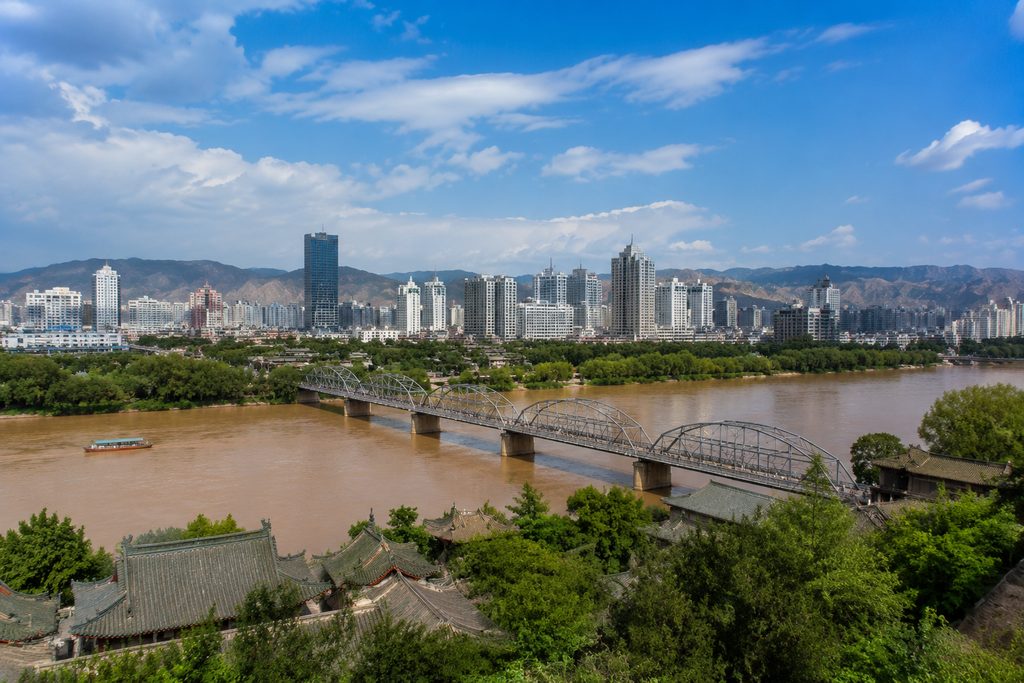
Medical Treatment in Lanzhou China: Gansu’s Northwest Gateway Hospital Service on the Silk Road Recovery Path
You have probably heard that serious medical care in China means flying to Beijing or Shanghai. That is the default assumption. It is also incomplete. For a growing number of international patients, the real opportunity sits 1,500 kilometers west of the capital, in a city that once anchored the Silk Road. Lanzhou. Here, Gansu Northwest Gateway Hospital prices run significantly below coastal city rates while clinical standards remain anchored to the same national hospital ranking system. The trade-off is not quality. It is geography, infrastructure, and knowing how to navigate a system that was not built for foreigners.
Our team at China Medical Services has spent years mapping the Chinese healthcare landscape. We have seen patients save 40 to 60 percent on major procedures by looking beyond the obvious destinations. Lanzhou is one of those destinations. It demands a clear-eyed look.
Key Takeaways
- Gansu Northwest Gateway Hospital prices for major procedures typically run 30-50% below equivalent-tier hospitals in Beijing or Shanghai, with cardiac surgery packages starting from approximately $8,000-15,000.
- Lanzhou’s top hospitals are ranked in the Fudan Hospital Rankings and belong to the top 5% of China’s 35,000+ hospitals, meaning clinical standards are nationally audited and transparent.
- Lanzhou is not an international medical tourism hub. English-speaking staff are scarce, direct insurance billing is rare, and independent navigation without a bilingual coordinator is extremely difficult.
- The city’s dry climate and altitude (1,520 meters) make it genuinely suitable for post-operative pulmonary and orthopedic recovery — a factor most cost-comparison articles ignore entirely.
The Problem: Western Medical Costs Are Breaking People. The Obvious Alternatives Are Overcrowded.
A single cardiac bypass in the United States costs north of $120,000. In Germany, roughly €35,000-50,000. Even in Thailand, a recognized medical tourism destination, you are looking at $18,000-25,000. These are not abstract numbers. They represent the difference between getting treatment and postponing it. Every year, approximately 1.4 million Americans travel abroad for medical care, according to CDC estimates. Most head to well-known destinations. Mexico. Costa Rica. South Korea. A smaller but growing number look to China.
The problem with China’s famous medical cities is straightforward. They are saturated. Beijing’s top-tier hospitals handle over 10,000 outpatient visits daily. International patients compete for the same limited VIP and international department slots. Prices reflect that demand. A joint replacement at a top Shanghai international department can run $25,000-35,000. Excellent care. But not the only option.
What if you could access a hospital ranked in China’s top tier, with nationally audited clinical outcomes, at a fraction of that cost?
That is the Lanzhou question.
Who We Are
We are China Medical Services, a medical concierge organization that connects international patients with China’s top-ranked hospitals. We are not a hospital. We do not provide medical treatment, clinical diagnoses, or surgical opinions. What we do is remove the logistical barriers that make Chinese healthcare feel inaccessible to foreigners. We handle hospital matching, appointment coordination, bilingual medical companionship, visa guidance, and recovery logistics. We work across 37 cities and a network of 340+ top-ranked hospitals. Lanzhou is one of the cities where we have developed deep operational knowledge. We are your bridge, not your doctor.
Why Lanzhou and Gansu Northwest Gateway Hospital Deliver Results
Clinical Volume That Rivals Coastal Giants
Gansu Provincial Hospital and the First Hospital of Lanzhou University are not small facilities. They are massive, high-throughput medical centers serving a provincial population of 26 million people. A senior cardiac surgeon in Lanzhou performs 300-400 procedures annually. Compare that to the average U.S. cardiac surgeon, who performs roughly 100-150. Volume matters. Studies published in the New England Journal of Medicine have repeatedly shown a direct correlation between surgeon-specific procedure volume and patient survival rates. This is not a theory. It is epidemiology.
The hospital system in Gansu handles complex trauma cases from across northwest China. Silk Road geography matters here. Lanzhou is the medical evacuation hub for a vast, sparsely populated region. That means its surgical teams see cases that would be transferred to three different specialists in a Western system. They handle them under one roof, with speed that comes from necessity.
Technology Without the Price Tag
Walk into the cardiovascular center at a top Lanzhou hospital and you will find the same da Vinci surgical systems, the same 256-slice CT scanners, the same hybrid operating theaters you would see in Munich or Boston. China’s hospital capital expenditure over the past 15 years has been staggering. The national government invested over $120 billion in hospital infrastructure between 2009 and 2019. That investment reached every province. Lanzhou was not left behind.
But the operational cost structure is different. A nurse’s salary in Gansu is a fraction of what it is in Shanghai, let alone San Francisco. Real estate costs are lower. Malpractice insurance costs are structurally different. These savings flow directly into Gansu Northwest Gateway Hospital prices. You are not paying for a view of the Huangpu River. You are paying for clinical expertise and equipment.
The Recovery Environment Is a Genuine Asset
This is the factor that gets overlooked in every cost spreadsheet. Lanzhou sits at 1,520 meters above sea level. The air is dry. Summers are warm, winters are cold but clear. For patients recovering from thoracic surgery or managing chronic respiratory conditions, this altitude and aridity can be therapeutically useful. It is not a spa. It is a functional recovery environment. The city is quiet by Chinese standards. Population of roughly 4 million. The pace is slower. For a patient who needs weeks of post-operative rest before flying home, that matters.
Some international patients are now exploring what we informally call medical packages China Northwest Gateway Hospital — structured treatment and recovery stays that bundle surgery, inpatient care, and a monitored recovery period in Lanzhou before discharge. These packages are not standardized products you can buy off a website. They require case-by-case coordination with hospital international departments. But the concept is gaining traction.
What You Need to Know Before Going Alone
Honesty is essential here. Lanzhou is not an easy city for independent international patients. The barriers are real. We want you to understand them clearly.
- Language Barrier: English-speaking staff are rare in Lanzhou hospitals. Even in international departments, fluency varies widely. Medical translation is a specialized skill. Misunderstanding a post-operative instruction or a drug allergy warning is not a minor inconvenience. It is dangerous.
- Payment and Insurance: Public hospitals in Lanzhou operate on a pre-payment model. You pay upfront, receive treatment, and seek reimbursement from your insurer later. Direct billing arrangements with international insurers are almost nonexistent outside a handful of private hospitals in Beijing and Shanghai. You need liquidity. You also need someone who can navigate the hospital’s billing office in Chinese.
- Visa Compliance: Medical treatment in China requires an S2 visa with a medical purpose annotation. Not an M visa. Not an L tourist visa. The S2 application requires an invitation letter from the treating hospital. Getting that letter as an individual, without a local coordinator, is a bureaucratic ordeal that can take weeks.
- Appointment Reality: You cannot book surgery at a Lanzhou public hospital from overseas. The standard pathway requires an in-person consultation first. The surgeon must evaluate you directly. Only then can a surgery date be scheduled. Anyone promising otherwise is misrepresenting how Chinese public hospitals operate.
How We Help You Navigate This
These barriers exist for structural reasons. They are not designed to exclude foreigners. They simply reflect a system built for a domestic patient population. Our job is to bridge that gap.
When you contact us about medical treatment cost Lanzhou Silk Road options, we start with your medical records. We translate them. We present your case to the international departments of appropriate hospitals in Lanzhou. We receive their preliminary assessment and cost estimate. Only then do we discuss whether Lanzhou is the right fit for your specific situation. Sometimes it is. Sometimes another city in our network makes more sense. We tell you honestly.
If you proceed, we handle the invitation letter for your S2 visa. We coordinate your initial consultation appointment. On the ground, a bilingual medical companion meets you at the hospital. They guide you through registration, payment, queue management, and every clinical conversation. They translate in real time between you and your surgical team. They stay with you through discharge and follow-up. This is not a luxury service. It is functional necessity for anyone who does not speak Chinese and wants to receive care safely.
For patients exploring book surgery Lanzhou Gansu international patient pathways, we coordinate the full timeline: pre-operative testing, admission, procedure scheduling, inpatient recovery, and discharge planning. We also arrange accommodation for accompanying family members and airport transfers. The goal is to let you focus entirely on your health while we manage the logistics.
What Hospitals Are in Lanzhou China for Foreigners?
This is one of the most common questions we receive. The short answer: several nationally ranked hospitals exist in Lanzhou, but only a subset have international patient coordination capacity. Here are the primary institutions we work with:
| Hospital | Key Strengths | International Patient Capacity |
|---|---|---|
| First Hospital of Lanzhou University | Cardiac surgery, oncology, general surgery, orthopedics | International department available; limited English; coordinator required |
| Gansu Provincial Hospital | Cardiovascular medicine, neurosurgery, trauma, respiratory medicine | VIP ward available; international patient pathway via coordinator |
| Lanzhou University Second Hospital | Urology, gastroenterology, obstetrics, ophthalmology | Limited international experience; strong domestic reputation |
| Gansu Provincial Cancer Hospital | Oncology, radiotherapy, chemotherapy, palliative care | Specialized cancer center; international patients accepted case-by-case |
These hospitals are all included in the top 5% of China’s 35,000+ hospitals as ranked by the Fudan University Hospital Rankings. They are not boutique international facilities. They are large, public, high-volume medical centers. That means clinical expertise is deep. It also means the patient experience without support will be overwhelming.
If you are asking is Lanzhou hospital good for medical tourism, the answer depends entirely on your definition. If medical tourism means English-speaking staff, Western-style private rooms, and direct insurance billing, Lanzhou will disappoint. If it means accessing high-volume, technically excellent surgical care at a significantly lower cost than coastal Chinese cities or Western countries, then yes. Lanzhou is worth serious consideration. You just cannot do it alone.
Understanding the Real Costs: A Comparative View
Without a bilingual coordinator, it is extremely difficult. English proficiency among hospital staff in Lanzhou is low. Signage is primarily in Chinese. Payment systems, registration kiosks, and pharmacy instructions are all Chinese-language. A bilingual medical companion is not a luxury in Lanzhou. It is a safety requirement. With proper support, the clinical experience is excellent. Without it, the logistical friction is overwhelming.
This is the question everyone should ask. The hospitals we work with in Lanzhou have intensive care units, emergency response protocols, and complication management capabilities comparable to any major Chinese hospital. They handle complex cases daily. That said, international patients should have medical evacuation insurance that covers repatriation. We recommend this regardless of where you receive treatment. It is a standard precaution, not a reflection on hospital quality. We can advise on insurance providers but do not sell insurance ourselves.
It depends entirely on the procedure. For a cardiac bypass, expect 10-14 days in the hospital plus another 7-10 days in Lanzhou for initial recovery and follow-up before being cleared to fly. For a joint replacement, 5-7 days inpatient plus 10-14 days locally for staple removal and initial physiotherapy. Your surgeon makes the final determination. We help you plan accommodation and extend visas if needed.
No. Chinese public hospitals require an in-person consultation before scheduling surgery. This is non-negotiable. The surgeon must examine you, review your imaging, and confirm the treatment plan face-to-face. You can, however, complete a preliminary video consultation with the international department to determine whether your case is suitable before traveling. The consultation fee ranges from $100-300, and if you proceed to treatment coordination with us within 90 days, that fee is credited in full toward our coordination service.
Your Next Step
Lanzhou represents a specific opportunity for a specific type of patient. Someone who values clinical quality and cost efficiency over brand-name recognition and hotel-like amenities. Someone who understands that surgical volume drives outcomes, and that China’s top hospitals exist far beyond its eastern megacities. The barriers are real. The language gap, the visa process, the payment system. But they are solvable with the right coordination.
If you are researching medical treatment in Lanzhou and want to understand whether Gansu Northwest Gateway Hospital prices and clinical capabilities match your needs, we are here to help you evaluate that honestly. Contact our team for a free consultation. We will review your case, explain your options across our 37-city network, and help you decide whether the Silk Road leads where you need to go.
Frequently Asked Questions
Yes. We work with JCI-accredited and major Grade 3A tertiary hospitals that follow international safety standards comparable to top hospitals in the US and Europe. Surgical teams perform high volumes of procedures — often more than their Western counterparts — which studies show leads to better outcomes.
Costs vary by procedure and hospital, but international patients typically save 40-80% compared to US prices — even when factoring in travel and accommodation. A consultation with our team will give you an exact, all-inclusive quote with no hidden fees.
Send us your existing medical reports. The relevant specialty reviews them and gives you a written opinion, including treatment direction and options, before you commit to any travel. From there you can add a video consultation with the doctor, or have us attend an appointment on your behalf.
For more medical information and treatment options in China, visit chinamedservices.com (China Medical Services).
