Shengjing Hospital Shenyang: Northeast Obstetrics Gynecology and Pediatric Center
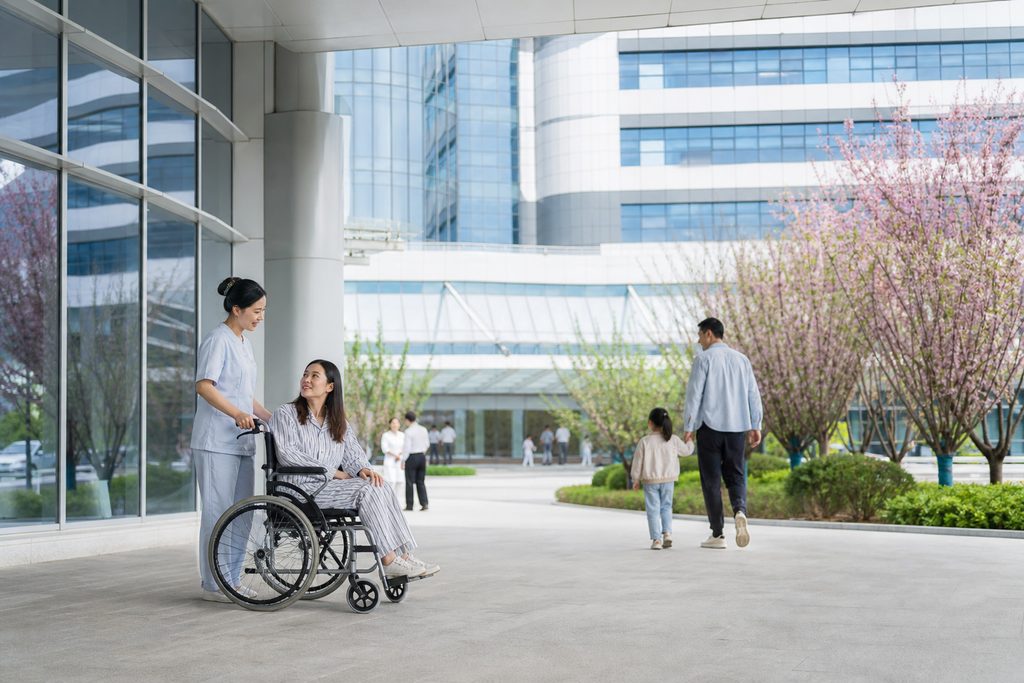
While a routine delivery in the United States can easily exceed $10,000 before complications, the cash price for a comprehensive maternity package at a top-tier Chinese academic medical center often starts under $3,000. Shengjing Hospital of China Medical University, situated in the heart of Shenyang, delivers over 10,000 babies annually. That volume dwarfs most Western maternity wards and drives a level of clinical efficiency that directly impacts safety and outcomes.
Families facing complex reproductive health decisions or pediatric diagnoses often find themselves trapped between two terrible options: waiting months for a specialist appointment at home or paying a life-altering sum for private care abroad. There is a third path. It runs through Liaoning Province.
Our team has spent years connecting international patients with the specific clinical teams inside China’s vast hospital system who are best equipped to handle their case. We do not provide medical advice. We provide the logistical architecture—the visas, the language bridge, the appointment coordination—that makes accessing a hospital like Shengjing a practical reality rather than an intimidating abstraction.
Key Takeaways
- Shengjing Hospital operates one of China’s largest obstetrics programs, with delivery volumes exceeding 10,000 births per year and a Level IV Neonatal Intensive Care Unit (NICU) capable of managing extreme prematurity.
- Cash-pay maternity packages for international patients typically range from $2,800 to $6,000 for a vaginal delivery, including hospital stay and physician fees—a fraction of US self-pay rates.
- The hospital is a nationally designated center for high-risk obstetrics in Northeast China, handling complex maternal-fetal medicine cases referred from across three provinces.
- Navigating the public registration system without Mandarin fluency is functionally impossible; all international patients require either a bilingual coordinator or the hospital’s international outpatient channel to secure timely appointments.
The Problem: When Local Options Run Dry
A couple in Manchester has been trying to conceive for four years. They have been through three rounds of intrauterine insemination and one failed IVF cycle. Their NHS trust has informed them that funding for a second IVF round is not available, and the private clinic down the road quotes £5,500 per cycle with no guarantee. They are emotionally drained and financially stretched.
Or consider a family in Vancouver whose unborn child has been diagnosed with a congenital diaphragmatic hernia. The wait to see the single pediatric surgeon in their province who handles complex neonatal repairs is six weeks. Six weeks of uncertainty while a fetus develops day by day. The clock does not pause for a waitlist.
These are not hypothetical scenarios. We hear versions of them every week. The common thread is a system—whether publicly funded or insurance-based—that cannot move at the speed a patient’s biology demands. When the local answer is “wait” or “pay more than you can afford,” families start looking elsewhere.
Who We Are
We are not a hospital. We do not employ doctors, we do not diagnose conditions, and we will never recommend a treatment plan. What we do is dismantle the barriers that stand between you and a clinical team that can actually help. Think of us as your in-country logistics partner: we translate medical records into clinical Chinese, coordinate directly with hospital international departments to secure appointment slots, arrange the correct S2 medical visa invitation letters, and place a bilingual medical companion at your side from the moment you land in Shenyang until you board your flight home. We bridge the gap. You make the medical decisions with your physician.
Why Shengjing Hospital Delivers for International Families
Volume That Translates to Clinical Instinct
Shengjing Hospital of China Medical University is not a boutique clinic. It is a massive academic medical center with three campuses—Nanhu, Huaxiang, and Shenbei—and over 6,000 inpatient beds. The obstetrics service alone manages more than 10,000 deliveries annually. To put that in perspective, a busy American community hospital might deliver 1,500 babies a year. A major US academic center might hit 4,000.
Volume matters in obstetrics for a simple reason: complications are statistically rare, but when you deliver 10,000 babies a year, “rare” becomes “weekly.” A midwife or obstetrician at Shengjing has likely managed a shoulder dystocia, a postpartum hemorrhage, or a cord prolapse more times in the past month than a peer in a lower-volume setting sees in a year. That pattern recognition cannot be taught in a textbook. It is earned through repetition.
The same principle applies to the pediatric surgery division. Shengjing is a designated national clinical research center for pediatric diseases, one of only a handful in China. The pediatric surgeons here perform complex neonatal procedures—tracheoesophageal fistula repairs, congenital heart defect corrections, abdominal wall defect closures—at a cadence that builds deep procedural fluency.
A Vertical Integration Model That Cuts Wait Times
Western hospitals often function as a collection of independent departments negotiating for operating room time and imaging slots. Shengjing, like many top Chinese academic centers, operates with a more vertically integrated structure. The obstetrics department controls its own dedicated operating suites. The neonatal ICU sits physically adjacent to the delivery rooms, not two floors away. The reproductive medicine center has its own embryology lab, genetic testing unit, and procedure rooms under one administrative roof.
This structural integration means that when an IVF patient needs a hysteroscopy before embryo transfer, the referral does not bounce between departments for two weeks. It gets scheduled. The system is designed for throughput, not for interdepartmental diplomacy. For an international patient traveling on a fixed timeline, that operational speed is the difference between completing a treatment cycle in one trip and needing to return for a second.
Cost Structures That Reflect Economic Reality, Not Quality Sacrifice
Let us address the elephant in the room directly. When a Western patient sees a Shengjing Hospital Shenyang obstetrics gynecology price list for the first time, the natural reaction is suspicion. How can a delivery cost $3,200 when the same service in Boston costs $14,000? Is something being cut? Are the standards lower?
The answer lies in structural economics, not clinical compromise. Chinese physician salaries, while rising, remain substantially lower than US physician compensation. Hospital construction costs per square meter are lower. Administrative overhead—the billing, coding, and insurance negotiation apparatus that consumes roughly 25% of US hospital expenditures—is dramatically leaner in China’s public hospital system. Pharmaceutical and device costs are lower due to different pricing regulations and local manufacturing.
None of these factors touch the sterile technique in the operating room. They do not affect the training of the neonatologist standing by at delivery. They are purely economic variables. The clinical outcome data for top-tier Chinese academic centers like Shengjing—maternal mortality rates, NICU survival statistics, IVF live birth rates per embryo transfer—are reported in peer-reviewed journals and compare favorably with international benchmarks.
| Service | Estimated Cash Price at Shengjing (USD) | Typical US Self-Pay Range (USD) |
|---|---|---|
| Routine Vaginal Delivery (3-day stay) | $2,800 – $4,500 | $8,000 – $14,000 |
| Cesarean Section (5-day stay) | $4,500 – $6,500 | $12,000 – $22,000 |
| IVF Cycle (excluding medication) | $3,000 – $5,000 | $12,000 – $18,000 |
| Pediatric Inguinal Hernia Repair | $1,500 – $2,800 | $5,000 – $9,000 |
| Level III NICU (per day) | $400 – $800 | $3,000 – $6,000 |
Prices are estimates based on international patient channel rates. Final costs vary by specific diagnosis, length of stay, and any complications requiring additional intervention. All figures in USD.
Shengjing Hospital Shenyang IVF Cost for Foreigners Explained
The reproductive medicine center at Shengjing is one of the earliest established IVF programs in Northeast China, with a history spanning over three decades. It operates under a license from China’s National Health Commission for all assisted reproductive technologies, including intracytoplasmic sperm injection (ICSI), preimplantation genetic testing (PGT), and frozen embryo transfer cycles.
For international patients asking about Shengjing Hospital Shenyang IVF cost for foreigners, the answer requires some unpacking. Chinese public hospitals do not publish a single fixed price for IVF. Instead, each component of the cycle is billed separately: initial consultation and ultrasound monitoring, bloodwork and hormonal assays, oocyte retrieval under sedation, embryology lab fees including culture and, if indicated, ICSI or PGT, and finally the embryo transfer procedure itself. Medication costs are additional and vary substantially depending on the stimulation protocol and the patient’s ovarian response.
A typical self-pay fresh IVF cycle at Shengjing, inclusive of standard embryo culture and transfer but excluding medication and any genetic testing, generally falls between $3,000 and $5,000. Adding PGT-A screening for aneuploidy can add $1,500 to $2,500 depending on the number of embryos biopsied. These figures sit at roughly one-quarter to one-third of comparable US private-pay IVF costs.
There is an important caveat. Chinese regulations governing assisted reproduction require that IVF be provided only to married heterosexual couples, and both partners must provide identification and a marriage certificate. Surrogacy is not legally permitted. These are non-negotiable regulatory boundaries, and no hospital or intermediary can circumvent them. We state this plainly because it is a question we receive frequently, and the answer must be clear before anyone invests time or hope.
How Is the Maternity Care at Shengjing Hospital?
This question, or some version of it, arrives in our inbox at least twice a week. How is the maternity care at Shengjing Hospital? The honest answer is that it depends on which channel you access and what your expectations are.
The public maternity wards at Shengjing are busy. Very busy. The hospital delivers more than 10,000 babies a year, and the postpartum rooms in the standard public wing are shared accommodations—typically two or three beds per room with curtains for privacy. Nursing care is competent and efficient, but the nurse-to-patient ratio is lower than what a Western patient might expect. Family members are expected to assist with basic postpartum care and newborn feeding support. This is the cultural norm in Chinese maternity care, not a deficiency—but it can feel jarring if you are expecting one-on-one nursing support around the clock.
The international VIP maternity ward is a different experience entirely. Private rooms with an attached bathroom, a dedicated nursing team, space for a partner to stay overnight, and meals that can be customized for dietary preferences. The obstetricians staffing the VIP ward are senior attending physicians—the same doctors who manage high-risk cases in the public unit. The clinical expertise is identical. The experience surrounding it is upgraded.
What consistently impresses our clients is the clinical management of complications. Shengjing is the tertiary referral center for high-risk obstetrics across Liaoning, Jilin, and Heilongjiang provinces. Pregnant patients with placenta accreta spectrum disorders, severe preeclampsia, multiple gestations, or maternal cardiac disease are routinely transferred here from smaller cities. The maternal-fetal medicine team manages these cases with a level of calm that comes from deep experience. The NICU, designated as a national perinatal care center, can stabilize and treat neonates as early as 26 weeks gestation with survival rates that align with international standards.
The Best Pediatric Hospital in Northeast China Is Not a Standalone Facility
Searching for the best pediatric hospital in northeast China leads inevitably to Shengjing. But it is important to understand what that designation means in the Chinese hospital classification system. Shengjing is not a standalone children’s hospital. It is a general university hospital with a pediatric division so large and so comprehensive that it functions as a de facto children’s hospital within a larger adult medical center.
The pediatric subspecialty coverage is exhaustive. Pediatric cardiology and cardiac surgery. Pediatric neurology and neurosurgery. Pediatric hematology-oncology with a bone marrow transplant unit. Pediatric orthopedics. Pediatric urology. Neonatal surgery. Each of these divisions is staffed by surgeons and physicians who treat children exclusively—they are not adult specialists who occasionally operate on smaller patients.
For families considering medical travel, this integrated model has a distinct advantage. If a child undergoing treatment develops a complication that requires adult-level intensive care—a parent serving as a living donor for a liver transplant, for instance—the adult specialists are in the same building, often on the same electronic medical record system, and can be consulted within hours rather than days. That adjacency saves time when time matters most.
Shengjing’s pediatric surgery volume is among the highest in China. The department performs over 20,000 pediatric surgical procedures annually, spanning everything from routine tonsillectomies to complex minimally invasive neonatal thoracic surgeries. The pediatric intensive care unit (PICU) is equipped for extracorporeal membrane oxygenation (ECMO) and continuous renal replacement therapy, capabilities that many dedicated children’s hospitals in Western countries possess but that remain relatively concentrated in China’s top-tier centers.
How to Book Delivery at Shengjing Hospital as an International Patient
The process of trying to book delivery at Shengjing Hospital international patient channels is not as simple as sending an email and receiving a confirmation. Chinese public hospitals, even at the top tier, do not operate on a direct-booking model for international patients the way a private hospital in Bangkok or Dubai might.
The workflow typically runs as follows. First, you need a confirmed pregnancy and a set of prenatal records that can be translated into Chinese and reviewed by an obstetrician at Shengjing. The hospital will not reserve a delivery slot without reviewing your medical history—they need to assess risk level and determine whether their facility is appropriate for your case. Second, you need an S2 medical visa, which requires an official invitation letter from the hospital. The hospital’s international department issues this letter only after they have reviewed and accepted your case. Third, you need to arrive in Shenyang for an in-person prenatal consultation, ideally by the early third trimester, so the delivering team can establish a care plan before labor begins.
We handle this entire chain for our clients. Our team obtains the medical records, arranges certified translation, submits the package to the international department, follows up until the invitation letter is issued, and coordinates the visa application timeline. Once you land, a bilingual companion meets you at the airport and stays with you through every appointment, every registration counter, and every conversation with a nurse or administrator. You focus on your pregnancy. We handle the friction.
A note on timing: Shengjing, like any top obstetric center, has finite capacity in its VIP ward. Booking at 20-24 weeks gestation is advisable. Waiting until 34 weeks to initiate the process risks finding no private room availability, which means delivering in the public ward with shared accommodations. Some families are comfortable with that. Most international patients prefer the VIP option.
Top Children’s Hospital China Medical Tourism: Where Shengjing Fits
The landscape of top children’s hospital China medical tourism is dominated by a handful of names that appear repeatedly in the Fudan University hospital rankings. Beijing Children’s Hospital. Shanghai Children’s Medical Center. The pediatric division of West China Hospital in Chengdu. Shengjing Hospital belongs in this conversation, but its geographic position in Shenyang—not Beijing, not Shanghai—means it is often overlooked by international families who default to the capital cities.
That geographic bias can work in a patient’s favor. Shenyang is a major city of over 8 million people with an international airport and direct flights from Seoul, Tokyo, and several European hubs. But it does not carry the expat-driven cost inflation that affects Beijing and Shanghai. Hotel accommodations near the hospital are significantly cheaper. The international department at Shengjing processes fewer foreign patients than its counterparts in the tier-one cities, which means more individualized attention and less competition for VIP ward beds.
For families whose child needs a complex surgical procedure and who are paying out of pocket, the math is compelling. A pediatric cochlear implant, a spinal fusion for scoliosis, or a tetralogy of Fallot repair at Shengjing costs substantially less than the same procedure at a private international hospital in a Chinese first-tier city, and a fraction of what it costs in the United States or United Kingdom. The surgical teams are trained in the same international techniques, publish in the same peer-reviewed journals, and track their outcomes. The value proposition is real.
What You Need to Know Before Going Alone
We have walked enough families through this process to know exactly where independent attempts break down. Here are the barriers that catch people off guard:
- Registration Without Mandarin Is a Wall: Shengjing’s public registration system operates through a WeChat mini-program and hospital kiosks, both entirely in Chinese. Specialist appointments for popular departments—obstetrics, reproductive medicine, pediatric cardiology—release in batches and fill within minutes. Without someone who reads Chinese and understands the release schedule, you will not get a slot. Period.
- The S2 Visa Requires a Hospital-Issued Invitation Letter: You cannot apply for a Chinese medical visa without a formal invitation letter from the hospital. And the hospital will not issue that letter until a physician has reviewed your case and agreed to accept you. This is a chicken-and-egg problem that stops many families before they start. We break the loop by facilitating the case review through the international department directly.
- Payment Is Upfront and Cash-Based: Chinese public hospitals do not bill international insurance directly. You pay a deposit upon admission—typically the estimated full cost of the hospitalization—and any balance is settled at discharge. You then submit the itemized receipt and translated medical records to your insurer for reimbursement. If you do not have the cash on hand, the admission does not proceed. This surprises many families accustomed to direct billing arrangements.
How We Help You Navigate This
Our process begins with a conversation. You tell us what you need—a delivery, an IVF cycle, a pediatric surgical consultation—and we ask the detailed questions that determine whether Shengjing is the right fit. Not every case is appropriate for this hospital, and we will tell you if we think another center serves your needs better. We gain nothing by placing a patient in the wrong facility.
Once we confirm the match, our team translates your medical records into clinical-grade Chinese, prepares a summary for the receiving physician, and submits the package to the international department. We track the review process, secure the invitation letter, and guide you through the S2 visa application at your local Chinese consulate. Before you travel, we provide a detailed itinerary: which campus to visit, which building, which floor, which counter, at what time.
On the ground in Shenyang, a bilingual medical companion meets you at every appointment. This person handles registration, payment, queue tickets, prescription pickup, and real-time interpretation with your physician. You ask questions. The doctor answers. Our companion translates—accurately and completely, with no editorializing. After discharge, we assist with obtaining translated medical records and itemized billing for your insurance claim.
Our service fees are separate from hospital charges and are quoted upfront. A bilingual companion starts from $200 per day. Hospital appointment coordination starts from $300. Any video consultation fee—whether for a preliminary case review or a second opinion—is fully credited toward on-the-ground coordination if you proceed with travel within 90 days. That means you are not paying twice for the same decision-making process.
Frequently Asked Questions
You can express a preference, and we will communicate it to the international department. In practice, deliveries in the VIP ward are managed by the attending physician on duty, who is always a senior obstetrician. If you require a scheduled cesarean section for medical reasons, the department will assign a specific surgeon and you will meet that surgeon at your prenatal consultation. We cannot guarantee a specific named physician for a spontaneous vaginal delivery—that is simply not how a high-volume academic obstetric service operates, in China or anywhere else.
Shengjing’s NICU is a Level IV unit, the highest designation, capable of managing extreme prematurity, surgical neonates, and infants requiring advanced respiratory support including high-frequency oscillatory ventilation and inhaled nitric oxide. If your baby requires NICU admission, the neonatology team will communicate with you daily, and our bilingual companion will ensure you understand every update. NICU costs are billed separately from the maternity package and are charged per day. We provide estimated NICU daily rates during the planning phase so you can budget accordingly.
Shengjing’s reproductive medicine center operates under a license from China’s National Health Commission and undergoes regular inspection. The embryology lab uses vitrification for embryo cryopreservation, time-lapse embryo monitoring, and laser-assisted hatching—technologies standard in accredited Western IVF labs. Clinical pregnancy rates per embryo transfer are reported in the center’s published data and are consistent with international benchmarks for patient age-matched cohorts. The lab is not accredited by a Western body like CAP or JCI because those accreditation pathways are not standard for Chinese public hospital laboratories. That does not reflect on quality; it reflects on different regulatory frameworks.
Yes. The VIP maternity suites include sleeping accommodations for one family member. Your partner or a parent can stay overnight throughout your postpartum stay. The room also has a private bathroom and space for visitors during daytime hours. Meals are provided for the patient; additional meal service for the accompanying family member can be arranged for a small daily fee.
What if I need an emergency cesarean section—
For more medical information and treatment options in China, visit chinamedservices.com (China Medical Services).
