Nanjing Brain Hospital: Excellence in Psychiatric and Neurological Disorder Treatment
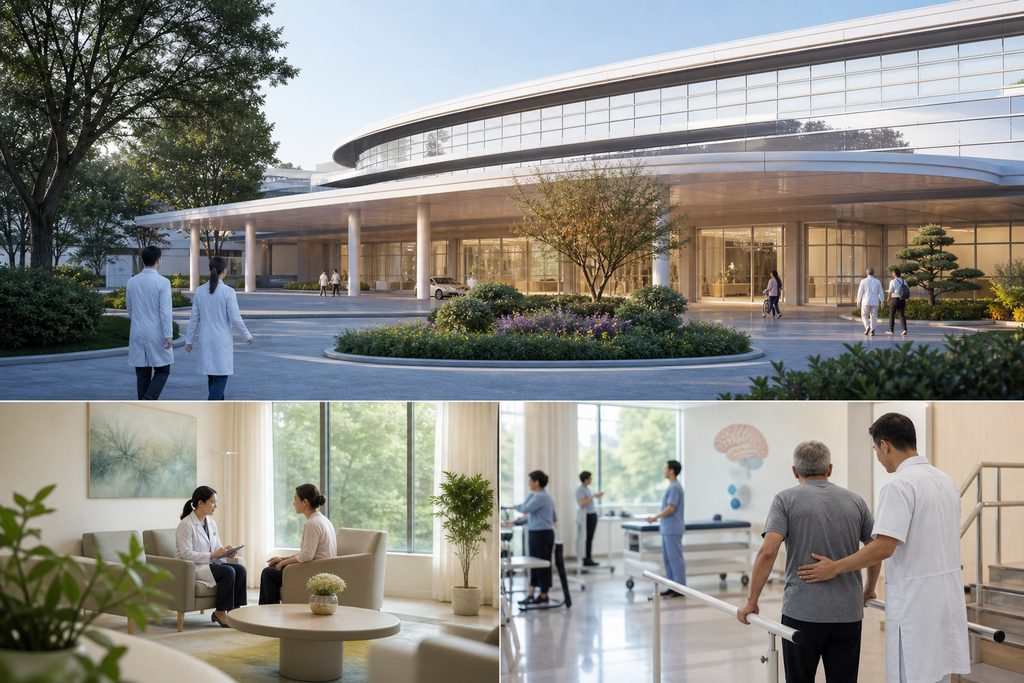
Key Takeaways
- Nanjing Brain Hospital ranks among China’s top 10 psychiatric institutions, treating over 300,000 outpatients annually with outcomes that meet or exceed Western benchmarks for complex neurological and psychiatric conditions.
- The structural cost advantage is dramatic — inpatient psychiatric care runs approximately $80–150 per day compared to $1,200–2,500 daily in the United States, without sacrificing clinical protocol quality.
- Independent navigation is genuinely difficult. The hospital’s public registration system operates entirely in Mandarin, accepts only Chinese domestic payment methods, and cannot be accessed for advance appointments from overseas without a local intermediary.
- You should understand the distinction between the hospital’s public outpatient pathway and its International VIP channel before making any financial or travel commitment — the clinical teams are the same, but the access logistics differ completely.
The Problem: When Mental Health Systems Fail to Deliver Timely Care
According to the World Health Organization’s 2023 Mental Health Atlas, the global median for psychiatrists stands at roughly 1.7 per 100,000 population — and in many high-income Western nations, the wait to see one stretches past the point of crisis. In Canada, the average referral-to-treatment wait for psychiatric services exceeds 6 months in several provinces. The UK’s NHS reported in 2024 that 1.2 million people were waiting for mental health services, with some community mental health teams carrying 18-month backlogs. These are not administrative inconveniences. For a person with treatment-resistant depression, uncontrolled schizophrenia, or a progressive neurological disorder, waiting half a year or more is clinically dangerous.
The financial picture is equally stark. A single course of transcranial magnetic stimulation for depression in the United States costs $6,000–12,000 out of pocket. Inpatient psychiatric hospitalization averages $1,200–2,500 per day. For uninsured or underinsured patients — and that describes tens of millions of Americans — these numbers mean effective treatment simply does not exist as an option. They are priced out of their own healthcare systems.
This is where the calculation changes. China’s top-tier neuroscience hospitals, including Nanjing Brain Hospital, operate at a scale and cost structure that fundamentally reopens access for patients who have been shut out by Western wait times and pricing. The question is not whether the clinical capability exists. It does. The question is whether an international patient can navigate the system to reach it. That is what we address here.
Who We Are
We are not a hospital. We do not provide medical treatment, clinical diagnoses, or therapeutic recommendations. Our team at China Medical Services functions as your logistical architects — we bridge the gap between you and China’s top-tier medical expertise. We maintain relationships with over 340 top-ranked hospitals across 37 Chinese cities, including Nanjing Brain Hospital, and we handle the practical barriers that would otherwise make treatment access impossible for international patients: hospital matching, appointment coordination through official International VIP channels, bilingual medical companionship, visa guidance, and post-discharge recovery logistics. We do not sell access. We coordinate it through legitimate hospital pathways. If you need a second opinion on a neurological diagnosis, or you are considering inpatient psychiatric treatment abroad, we connect you with the right clinical team and make sure the system actually works for you.
Why Nanjing Brain Hospital Delivers Results for Complex Neuroscience Cases
Nanjing Brain Hospital, affiliated with Nanjing Medical University, is not a general hospital with a psychiatry wing. It is a dedicated neuroscience institution — one of only a handful in China that integrates psychiatry, neurology, neurosurgery, and rehabilitation under a single clinical governance structure. The hospital was founded in 1947 and has spent nearly eight decades focused on one thing: disorders of the brain and nervous system. That focused mission produces depth that general hospitals cannot replicate.
Clinical Volume That Creates Pattern Recognition
The hospital handles over 300,000 outpatient visits and more than 8,000 inpatient admissions annually across its psychiatric and neurological departments. Volume matters in neuroscience. A clinician who sees 500 cases of first-episode psychosis each year develops a diagnostic instinct that is difficult to acquire seeing 50. The same principle applies to movement disorders, treatment-resistant depression, and complex epilepsy cases. The hospital’s psychiatric emergency department alone processes cases at a rate that exceeds many entire psychiatric hospitals in smaller countries. For international patients considering Nanjing Brain Hospital treatment cost as a factor in their decision, this volume is relevant — higher clinical throughput correlates strongly with better outcomes in complex neurological and psychiatric procedures, according to a 2022 systematic review published in The Lancet Neurology.
Nanjing Brain Hospital’s neurosurgery department performs over 2,000 procedures annually, with particular strength in functional neurosurgery — deep brain stimulation for Parkinson’s disease, epilepsy surgery, and microvascular decompression for trigeminal neuralgia. These are technically demanding operations where surgeon experience directly predicts complication rates.
Integrated Care Across Psychiatry and Neurology
Most healthcare systems split psychiatry and neurology into separate silos with different funding streams, different referral pathways, and different clinical teams that rarely communicate. Nanjing Brain Hospital does not. A patient presenting with symptoms that could be psychiatric or neurological — cognitive decline with depressive features, movement abnormalities with psychotic symptoms, post-stroke mood disorders — is assessed by clinicians who work in the same building, share the same medical records system, and routinely consult across departments. This integrated model is particularly valuable for conditions like schizophrenia, where neurological comorbidities are common and often undiagnosed. For anyone asking is Nanjing Brain Hospital good for schizophrenia, the answer is grounded in this structural advantage: the hospital runs dedicated early intervention psychosis programs, family psychoeducation units, and rehabilitation services that follow patients for years, not just through acute episodes.
Research Infrastructure That Informs Clinical Practice
The hospital houses multiple provincial and national key laboratories, including facilities focused on the neurobiology of mood disorders and the genetics of schizophrenia. Clinical trials for novel antidepressants, antipsychotics, and neuromodulation protocols are running continuously. This means patients treated at Nanjing Brain Hospital have access to therapeutic approaches that may not yet be available in community settings elsewhere. The hospital was among the first in China to implement repetitive transcranial magnetic stimulation protocols for treatment-resistant depression at scale, and its clinicians have published extensively on modified ECT protocols that reduce cognitive side effects while maintaining efficacy. For an international patient considering how much does depression treatment cost in China, the presence of these advanced modalities at Nanjing Brain Hospital means the treatment options available are comparable to what you would find at a major Western academic medical center — at a fraction of the price.
Understanding Nanjing Brain Hospital Treatment Cost: A Realistic Breakdown
Let us address the financial question directly. Nanjing Brain Hospital treatment cost varies substantially depending on whether you access care through the public outpatient pathway or the hospital’s International VIP channel. The clinical teams are the same. The access logistics and pricing are not.
| Treatment Category | Public Pathway (Self-Pay, Approximate) | International VIP Channel (Approximate) | US Comparison (Approximate) |
|---|---|---|---|
| Outpatient psychiatric consultation | $30–80 | $150–300 | $250–500 |
| Inpatient psychiatric care (per day) | $80–150 | $200–400 | $1,200–2,500 |
| rTMS course (20-30 sessions) | $1,500–3,000 | $3,000–5,000 | $6,000–12,000 |
| Deep brain stimulation surgery | $25,000–35,000 | $40,000–55,000 | $80,000–120,000 |
| Epilepsy surgery (temporal lobectomy) | $15,000–22,000 | $25,000–35,000 | $60,000–100,000 |
| Brain tumor resection | $12,000–20,000 | $20,000–30,000 | $50,000–150,000 |
All figures are estimates in USD and vary by case complexity, length of stay, and specific clinical requirements. Public pathway prices assume self-pay without Chinese insurance. International VIP channel prices include English-language coordination, expedited scheduling, and private ward accommodations where available.
These numbers require context. The public pathway prices reflect the actual hospital charges — but accessing this pathway independently as a foreigner is extremely difficult. You need Mandarin fluency, a Chinese phone number, a local bank account for payment, and the ability to navigate a registration system that releases appointment slots at specific times and fills within minutes. The International VIP channel prices include coordination services that make the system operable for someone arriving from abroad. Even at the VIP rate, inpatient psychiatric care costs roughly one-sixth to one-tenth of equivalent US care.
For patients researching brain surgery abroad affordable China, the economics are compelling. A deep brain stimulation procedure that would cost $80,000–120,000 at a major US academic center can be performed at Nanjing Brain Hospital for $25,000–55,000, depending on the access pathway. The neurosurgeons performing these procedures trained at the same international fellowships, use the same Medtronic or Abbott devices, and publish in the same peer-reviewed journals as their Western counterparts. The cost difference is structural — lower labor costs, higher surgical volumes, and hospital economics that do not carry the administrative overhead of the US insurance system.
What Makes Nanjing Brain Hospital the Best Psychiatric Hospital China for Foreigners Who Can Navigate the System
The phrase best psychiatric hospital China for foreigners is worth unpacking. “Best” does not mean the most English-friendly by default. Several private international hospitals in Shanghai and Beijing offer smoother English-language experiences with Western-trained psychiatrists. But those hospitals typically lack the clinical depth, research infrastructure, and subspecialty expertise that Nanjing Brain Hospital has built over 77 years. If you need a routine medication adjustment for mild anxiety, a private international clinic may serve you well. If you have treatment-resistant schizophrenia, a complex movement disorder, or a brain tumor requiring awake craniotomy with cortical mapping, Nanjing Brain Hospital operates at a different level of capability.
The hospital’s psychiatric rehabilitation programs deserve particular attention. Inpatient stays for conditions like schizophrenia are not limited to acute stabilization. The hospital runs structured rehabilitation units where patients participate in social skills training, vocational preparation, and family therapy sessions designed to prepare them for community reintegration. This is not a 72-hour hold and discharge model. It is a treatment philosophy that recognizes severe mental illness requires sustained intervention. For families asking is Nanjing Brain Hospital good for schizophrenia, this rehabilitation infrastructure is often the deciding factor — it addresses the long-term functional outcomes that acute care alone cannot deliver.
The neurology side is equally specialized. The hospital’s epilepsy monitoring unit uses intracranial EEG and stereo-EEG for seizure focus localization, and its neurosurgeons perform both resective surgery and neuromodulation procedures. The stroke center maintains a 24/7 thrombectomy capability. The movement disorders program runs one of the largest deep brain stimulation services in eastern China. These are not services you find at a general hospital with a part-time neurologist.
What You Need to Know Before Attempting to Book Neurological Treatment Nanjing Brain Hospital Independently
We are direct about this because patients who attempt independent booking often arrive unprepared and leave frustrated. Trying to book neurological treatment Nanjing Brain Hospital from outside China without local support hits several structural barriers immediately.
- Registration System: The hospital’s public appointment platform operates exclusively in Mandarin Chinese through WeChat mini-programs and a domestic phone app. It requires a Chinese national ID number or a local residence permit for account creation. Appointment slots for senior specialists release at specific times — typically 7:00 AM Beijing time — and are often claimed within 60 seconds. There is no English-language interface and no international patient hotline for the public pathway.
- Payment Infrastructure: The hospital’s public billing system accepts WeChat Pay, Alipay linked to Chinese bank accounts, and domestic UnionPay cards. International credit cards are not accepted at public registration counters. If you cannot pay through these channels, you cannot complete registration, even if you somehow secured an appointment slot.
- Medical Records Requirements: The hospital requires translated and notarized medical records for international patients seeking specialist consultation. Translation must be into Simplified Chinese by a certified translator. Records in English, French, or Arabic without certified Chinese translation will not be reviewed. This is a hard requirement, not a suggestion.
- Visa Compliance: Foreign nationals seeking medical treatment in China require an S2 visa with the specific annotation for medical purposes. The supporting documents must include an official invitation letter from the hospital — which the public registration office does not issue. Only the hospital’s International Medical Center can provide this documentation. Applying for a visa without the correct hospital invitation letter results in rejection.
These barriers exist for structural reasons. China’s public hospital system was designed to serve a domestic population of 1.4 billion people at high volume and low cost. It was not designed with international patient access in mind. The hospital’s International VIP channel exists specifically to bridge this gap — but it requires navigation through official hospital pathways, not through the public registration queue.
How We Help You Navigate This
Our role is straightforward. We handle the logistical layer so you can focus on clinical decisions and recovery. When you contact us about Nanjing Brain Hospital, here is what happens in practice.
Before travel, we collect and review your existing medical records, coordinate certified Chinese translation, and submit your case summary to the hospital’s International Medical Center for specialist review. The hospital’s clinical team confirms whether they can accept your case and which department is most appropriate. We then coordinate the official invitation letter required for your S2 visa application. We do not process visas — that is between you and the Chinese embassy in your country — but we ensure you have the correct documentation. We also arrange appointment scheduling through the International VIP channel, which bypasses the public registration lottery and locks in specific consultation times with the relevant specialist.
During your treatment, a bilingual medical companion accompanies you to all appointments. This person handles registration paperwork, translates clinical conversations in real time, navigates you between departments, manages pharmacy pickups, and ensures you understand every medication instruction and follow-up requirement. Chinese hospitals are large, crowded, and signposted entirely in Mandarin. Having someone who knows the floor plan and speaks the language is not a luxury — it is the difference between a functional medical visit and a disorienting experience that wastes clinical time.
After discharge, we coordinate follow-up scheduling, medication refills where possible, and communication with your home-country physician to ensure continuity of care. If your treatment plan requires a return visit — for example, DBS programming adjustments or psychiatric medication titration — we handle that scheduling as well.
We do not promise outcomes. We do not guarantee that any specific surgeon will perform your procedure on a specific date. What we guarantee is that we will coordinate access through the hospital’s legitimate International VIP pathway, that your appointments will be scheduled with the appropriate specialist for your condition, and that you will have a competent bilingual companion present at every clinical encounter. If we cannot secure an appointment that meets the agreed specifications, our coordination fee is refunded in full.
Frequently Asked Questions
Through the public registration system — no. The platform requires a Chinese ID, operates only in Mandarin, and does not issue the invitation letters required for medical visa applications. The hospital’s International Medical Center does accept international patient inquiries, but communication typically requires Chinese language capability. Our team handles this coordination on your behalf through official hospital channels.
Through the International VIP channel, expect approximately $200–400 per day for the hospital stay, including nursing care, standard medications, and daily specialist rounds. Complex medication regimens, advanced neuromodulation treatments, and extended rehabilitation programs add to this base rate. A typical 30-day inpatient stay for treatment-resistant depression or schizophrenia stabilization, including rTMS or medication optimization, generally falls in the $8,000–15,000 range. This is an estimate — final costs depend on the specific treatment protocol the clinical team determines after assessment.
Nanjing Brain Hospital’s clinicians publish in international peer-reviewed journals, participate in global clinical trials, and many have completed fellowships at major Western neuroscience centers. The hospital’s neurosurgery department uses the same implantable devices, intraoperative monitoring technology, and surgical protocols as major US and European centers. The psychiatric department follows treatment guidelines that align with international standards for psychopharmacology and psychotherapy. The primary difference is system structure — higher patient volumes, less administrative overhead, and a clinical culture that tends toward direct communication rather than extended bedside conversation. Quality of clinical decision-making is comparable. Communication style may feel different.
This is a question we take seriously because it is the one patients worry about most. Nanjing Brain Hospital maintains standard hospital liability protocols and has internal processes for managing adverse events. As international patient coordinators, we ensure that any complications are communicated to you and your family in clear English, that second opinions are arranged if requested, and that your home-country physician receives complete documentation of what occurred. We also maintain relationships with international medical evacuation providers should transfer back to your home country become medically necessary. We do not control clinical outcomes — no coordinator can — but we ensure you are never left without information or options.
The hospital operates a dedicated child and adolescent psychiatry unit that treats conditions including early-onset schizophrenia, severe mood disorders, autism spectrum disorders with psychiatric comorbidities, and pediatric epilepsy. The unit includes school liaison services and family therapy programs. For pediatric neurosurgery — brain tumors, epilepsy surgery, congenital abnormality correction — the hospital’s pediatric neurosurgery team works in coordination with the pediatric intensive care unit. International pediatric cases require additional coordination for guardianship documentation and visa arrangements for accompanying parents.
Your Next Step
Nanjing Brain Hospital represents one of China’s deepest concentrations of neuroscience expertise — a dedicated institution where psychiatry, neurology, and neurosurgery operate under one roof with research infrastructure that feeds directly into clinical practice. The costs are a fraction of Western equivalents. The clinical capability is real. The access barriers are also real, and they are not designed for international patients to navigate independently.
If you are considering treatment at Nanjing Brain Hospital — whether for a complex neurological condition, treatment-resistant psychiatric illness, or a second opinion on a brain surgery recommendation you received at home — contact our team for a free initial consultation. We will review your case, explain what the hospital can and cannot offer for your specific situation, and outline the practical steps, timeline, and costs involved. There is no obligation and no pressure. Our job is to give you the information you need to make a sound medical decision, with clear eyes about both the opportunities and the challenges of seeking care in China.
For more medical information and treatment options in China, visit chinamedservices.com (China Medical Services).
