Second Affiliated Hospital Harbin: Northern Full Support for Global Patients
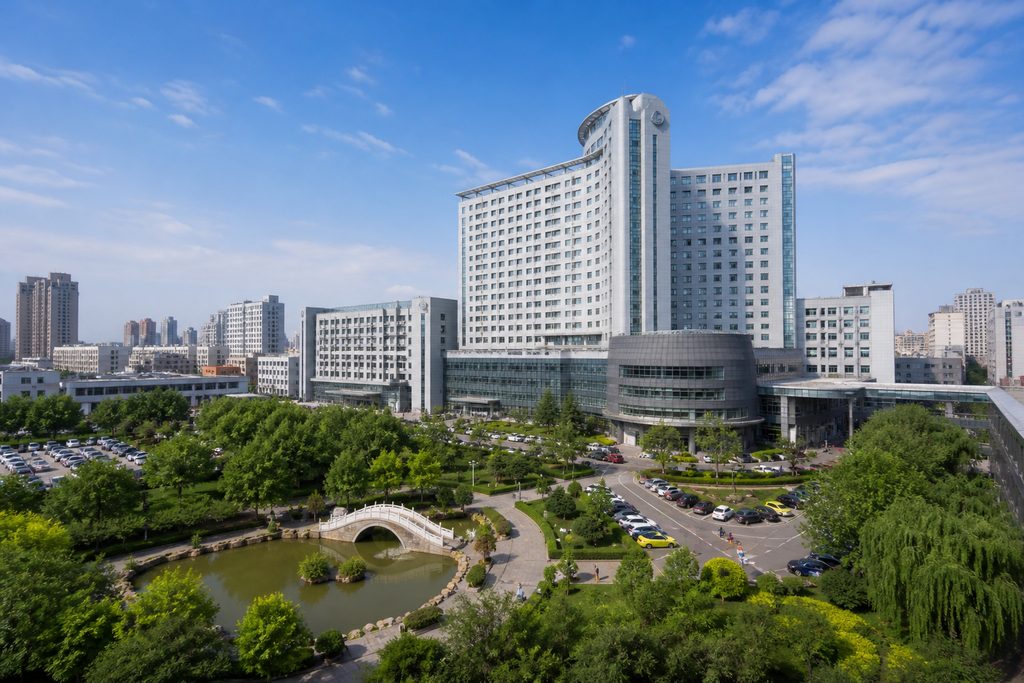
Second Affiliated Hospital Harbin Medical University: The Short Answer
The Second Affiliated Hospital of Harbin Medical University delivers advanced tertiary care at a price point that routinely lands 60–80% below what a comparable U.S. or Western European hospital would bill. A cardiac ablation that runs $80,000 in the United States may cost $18,000–$25,000 here. A complex spinal fusion? Think $22,000–$35,000 instead of $150,000. But getting that care isn’t as simple as booking a flight and showing up. The hospital operates within China’s public system, which means overseas patients face a real paperwork gauntlet before they ever see a specialist. That gap between the attractive Second Affiliated Hospital Harbin Medical University international patient price and actually securing a surgery date is exactly what we’ll map out here.
Who This Is Right For — and Who It Isn’t
This is not a universal solution. It fits a specific type of patient and situation. The hospital’s northern location in Heilongjiang province adds a layer of logistical complexity that doesn’t exist in Beijing or Shanghai. Understanding where you land on this spectrum will save you weeks of wasted effort.
Typically a strong candidate if:
- You need a high-acuity procedure in cardiology, neurology, or orthopedics and have been quoted a prohibitive price at home.
- You are already stable enough to travel internationally and can tolerate a 2–3 week stay in Harbin for pre-op evaluation and initial recovery.
- You have a complex chronic condition — autoimmune, metabolic, or degenerative — that hasn’t responded to the standard protocol in your home country and you want a fresh diagnostic lens from a high-volume academic center.
- You’re from Russia, Central Asia, or Mongolia and Harbin’s geographic and cultural proximity simplifies your journey significantly.
Probably not the right fit if:
- You need an English-speaking clinical environment from start to finish. The hospital has some English-capable senior physicians, but nursing, administrative, and support staff operate almost entirely in Mandarin. This is not Shanghai United Family.
- Your condition requires immediate emergency intervention. The visa process alone takes time, and no hospital will schedule a surgery without an in-person consultation first.
- You cannot tolerate extreme cold. Harbin winters routinely hit -25°C (-13°F). Post-surgical recovery in that climate is a genuine physical stressor that patients from tropical or temperate regions underestimate.
The Options, Compared
When a patient searches for the best hospital in Harbin for international patients, there isn’t a single answer. The city has several strong institutions, and the right one depends entirely on what you’re treating. Here’s how the Second Affiliated Hospital stacks up against the other major players in the region for the conditions international patients most frequently seek.
| Institution | Strongest For | International Patient Infrastructure | Estimated Price Range (Major Procedure) |
|---|---|---|---|
| Second Affiliated Hospital, HMU | Cardiovascular, neurology, orthopedics, organ transplant evaluation | Dedicated VIP/international ward; coordinator available but not 24/7 English | $18,000–$40,000 |
| First Affiliated Hospital, HMU | General surgery, oncology, hepatology | Larger international department; more established foreign patient flow | $20,000–$45,000 |
| Harbin Medical University Cancer Hospital | Oncology, radiotherapy, interventional radiology | Specialized but limited non-Mandarin support; strong clinical protocols | $15,000–$50,000 |
| Beijing United Family (comparison) | General tertiary, obstetrics, orthopedics | Full Western-style, English-first, direct insurance billing | $50,000–$120,000 |
For a patient whose primary concern is the Second Affiliated Hospital Harbin Medical University international patient price, the comparison is stark. You’re trading a fully English-supported, insurance-direct experience in a private Beijing hospital for a roughly 60% cost reduction in Harbin — but you’re also taking on a heavier coordination burden. The clinical quality at the Second Affiliated is not the compromise. The friction is entirely in the logistics.
What “Northern Full Support” Actually Means at This Hospital
The phrase gets used loosely in marketing materials. Let’s be specific about what the Second Affiliated Hospital’s international patient pathway delivers on the ground, because this is what separates a smooth episode of care from a stressful, confusing one.
The hospital’s cardiovascular center is the anchor. It performs over 3,000 interventional cardiology procedures annually and houses one of the few electrophysiology labs in northeast China capable of complex atrial fibrillation ablation. For orthopedic patients, the joint replacement volume exceeds 1,500 cases per year, with a growing registry of computer-navigated knee and hip procedures. Neurology is the dark horse — the stroke center operates a 24/7 thrombectomy-capable team with door-to-puncture times that benchmark competitively against major European stroke centers.
But the “full support” part for an international patient doesn’t come from the hospital alone. It comes from having someone on the ground who can translate your pre-op imaging reports into the format the Chinese surgical team expects, schedule the sequential blood work and imaging appointments without getting lost in a campus that sees 8,000+ outpatient visits daily, and negotiate the deposit and payment process at the VIP ward registration desk. The hospital’s own international coordinator can handle straightforward inquiries. For anything involving a multi-step surgical pathway, the gap between what the hospital provides and what a foreign patient needs is still wide.
What It Costs: Second Affiliated Hospital Harbin Medical University International Patient Price Breakdown
Let’s put numbers to this. The figures below reflect the Northern China medical tourism package cost reality — not just the hospital bill, but the total outlay a patient should budget for a single major procedure with a two-week Harbin stay. All amounts in USD.
| Cost Category | Estimated Range | What Drives the Variance |
|---|---|---|
| Hospital procedure (cardiac, ortho, or neuro) | $18,000–$40,000 | Complexity, implant type, ICU days, ward class (standard vs. VIP) |
| Pre-op diagnostics (labs, imaging, consults) | $800–$2,500 | Number of specialist consults required; whether advanced imaging (MRI, PET-CT) is needed |
| VIP ward surcharge (if applicable) | $150–$400/night | Single vs. suite; includes some coordination but not full translation |
| On-ground coordination and bilingual escort | $1,500–$3,500 | Half-day vs. full-day support; number of pre-op and post-op days required |
| Accommodation, meals, local transport (2 weeks) | $1,200–$2,800 | Hotel tier; proximity to hospital; companion traveling with patient |
| Visa, flights, insurance | $1,500–$4,000 | Origin country; business vs. economy; travel medical insurance for the stay |
| Total estimated outlay | $23,000–$53,200 |
These are not quotes. The hospital will issue a formal estimate only after reviewing your translated medical records and confirming the surgical plan. But this range holds true for the majority of cases we’ve coordinated through the Second Affiliated’s VIP pathway. The single biggest variable is whether you need a straightforward procedure with a standard implant, or a multi-level spinal reconstruction with custom hardware and a five-day ICU stay.
One thing that surprises patients: the hospital requires a deposit — typically 50–70% of the estimated procedure cost — before admission. This is standard across Chinese public hospitals and is not negotiable. International insurance that reimburses rather than pays directly means you need to float that deposit yourself.
How to Book Surgery at Harbin Medical University Hospital: The Actual Sequence
Searching for how to book surgery at Harbin Medical University hospital brings up a lot of vague advice. Here is the step-by-step reality for an overseas patient who does not read Chinese.
Step 1: Remote case evaluation. You cannot book surgery directly. You must first submit your existing medical records — imaging, pathology reports, discharge summaries, current medication list — for review by the relevant department. This is typically a written second opinion step. The department head or a senior attending will review and either accept the case with a provisional surgical plan, request additional diagnostics, or decline if the case is not suitable for their service. Expect 5–10 business days for this step.
Step 2: In-person consultation. If the remote review is positive, you travel to Harbin for a face-to-face consultation. This is non-negotiable. The surgeon will conduct their own physical examination, order fresh imaging if your existing scans are older than 30–60 days, and finalize the surgical plan. No hospital in China’s public system will schedule an operating theater without this step. Plan for 3–5 days in Harbin for this phase.
Step 3: Admission and surgery. Once the surgical plan is confirmed and the deposit is paid, admission typically happens within 1–2 weeks, sometimes sooner if a slot opens. The surgery itself follows standard protocols. Post-op monitoring in the VIP ward usually runs 5–10 days depending on the procedure.
Step 4: Discharge and local recovery. You won’t fly home the day after discharge. Most surgeons want to see you for at least one follow-up within 7–14 days post-discharge to check wound healing and remove sutures. Budget a total of 3–4 weeks in Harbin from arrival to departure.
Practical Considerations: Language, Climate, and Documentation
The clinical outcomes at the Second Affiliated are strong. The day-to-day experience for a non-Mandarin speaker is the real challenge. Here’s what you need to know before you commit.
Medical records must be translated. The surgical team will review English-language records — many senior physicians read medical English. But the hospital’s admission system, nursing notes, pharmacy instructions, and discharge summary are all in Chinese. You need someone who can read a Chinese discharge summary and explain exactly what the post-op medication schedule and activity restrictions are. This is not a nice-to-have. It’s a safety requirement.
Harbin’s climate is a genuine medical variable. If you’re coming for an orthopedic procedure between November and March, you’re recovering in sub-freezing temperatures. Icy sidewalks are a fall risk for post-op patients. The dry indoor heating can complicate wound care and respiratory recovery. The hospital handles this clinically — the wards are climate-controlled — but your hotel-to-hospital commute happens in real winter. Patients from warm climates consistently underestimate this.
Payment is upfront and in Chinese yuan. The hospital accepts international wire transfers and major credit cards at the VIP registration desk, but not all card networks work reliably. Bring multiple payment methods. Your insurance reimbursement happens after the fact, and you’ll need all original invoices and a translated discharge summary to submit a claim. Get digital and paper copies of everything before you leave Harbin.
Reviews of Second Affiliated Hospital Harbin for foreigners are mixed — and that’s exactly what you’d expect. Patients who arrived with a coordinator and translated records consistently report positive experiences with the clinical care. Patients who arrived alone and tried to navigate the system with a translation app report frustration. The hospital is not unfriendly to foreigners. It’s just not built around them. That distinction matters.
Frequently Asked Questions
For the right patient, yes — with caveats. Harbin’s top hospitals offer clinical quality that is genuinely competitive with Tier-1 Chinese cities at a meaningfully lower price point. The trade-off is infrastructure. Beijing has dozens of international clinics, English-speaking private hospitals, and a large expat ecosystem that makes a multi-week medical stay easier. Harbin has none of that. If you need a highly specific procedure that the Second Affiliated does at high volume — complex EP studies, navigated joint replacement, cerebrovascular intervention — and you have a coordinator handling the logistics, Harbin makes financial sense. If you need a general procedure and want a frictionless English-language experience, you’ll be happier paying more in Beijing or Shanghai.
This is the hardest question, and the answer is not entirely reassuring. The surgical team will provide a discharge summary and can arrange one or two video follow-ups in the weeks after you leave. But if a surgical site infection, implant failure, or other late complication develops once you’re back in your home country, you will need local care. Your home-country surgeon may be reluctant to manage another team’s complication. Before you commit to surgery in Harbin — or anywhere abroad — have an explicit conversation with your primary care doctor or a local specialist about whether they will accept you for follow-up care. Some will. Many won’t. Know this before you go.
You can get a provisional estimate, not a binding quote. The hospital’s international coordinator can provide a price range based on the department’s standard procedure codes once they’ve reviewed your records. But the final bill depends on what happens in the operating room — the specific implant used, unexpected findings, ICU days, blood products. The estimate will typically be within 15–20% of the final amount for a straightforward case. For complex revisions or cases with diagnostic uncertainty, the range is wider. We always recommend budgeting for the high end of the estimate.
Many senior attending physicians and department heads at the Second Affiliated speak functional to fluent medical English — they read international journals, attend conferences abroad, and some have completed fellowships in the U.S. or Europe. The gap is not in the operating room. It’s everywhere else: the nurses, the pharmacists explaining discharge medications, the technicians doing your pre-op echocardiogram, the administrative staff processing your admission. You will have moments of clear, direct English communication with your surgeon. You will also have long stretches where no one around you speaks a word of it. That’s the reality, and it’s why a bilingual escort changes the entire experience.
Your Next Step
The Second Affiliated Hospital of Harbin Medical University is a serious clinical institution. Its cardiovascular, neuroscience, and orthopedic programs deliver outcomes that hold up against any scrutiny. The barrier for international patients has never been the quality of the medicine. It’s been the distance — geographic, linguistic, and procedural — between a patient abroad and a surgical bed in Heilongjiang.
Our team exists to close that distance. We are not a hospital. We do not diagnose, treat, or promise outcomes. What we do is translate your records, coordinate the remote case review with the appropriate department, arrange the in-person consultation, and put a bilingual medical companion at your side from the moment you land in Harbin until your final follow-up. If you’re weighing the Northern China medical tourism package cost against comparable options in Beijing or Seoul, we can give you a realistic, line-by-line picture of what your specific case would require. No pressure. Just clarity. Start with a free consultation — we’ll ask about your case, explain the pathway, and help you decide if Harbin is the right move.
For more medical information and treatment options in China, visit chinamedservices.com (China Medical Services).
