Acupuncture at Tianjin TCM Hospital: Our Full Arrangement Guide
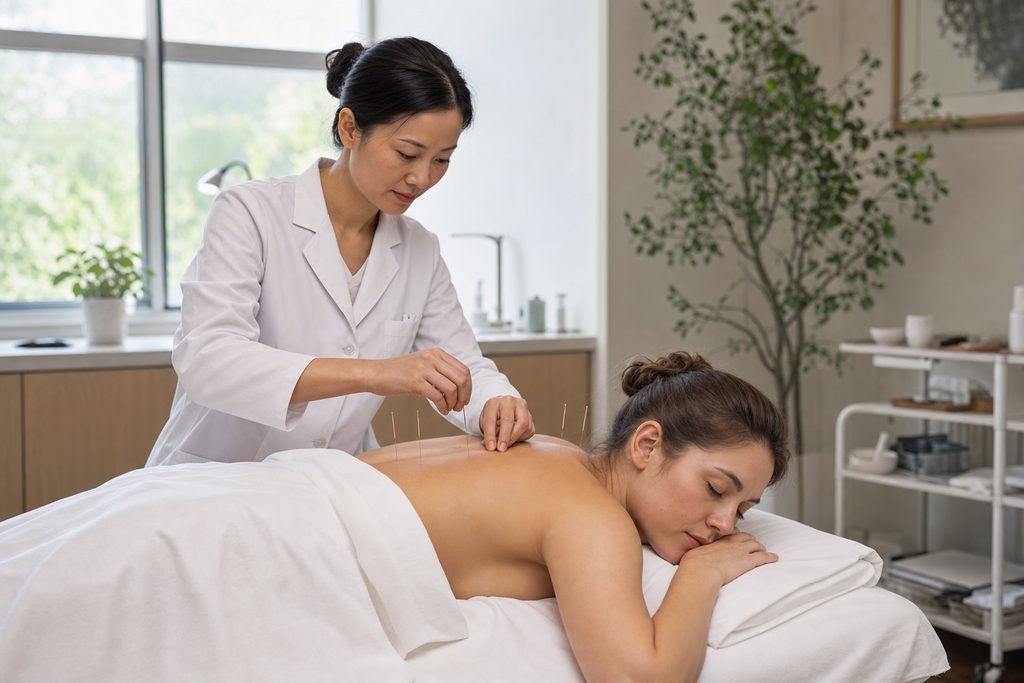
Have you ever stared at a list of treatment options, feeling the pull of a centuries-old practice like acupuncture, but immediately got stuck on the logistics of actually making it happen from another country? The questions pile up fast. Is the acupuncture cost at Tianjin University TCM hospital transparent? How do you even book a session when you don’t speak Mandarin? We hear this daily. Our team exists to collapse that distance, turning a complex cross-border medical journey into a clear sequence of steps. We don’t provide the needles. We provide the bridge to the experts who do, starting at one of China’s most authoritative institutions: the First Teaching Hospital of Tianjin University of Traditional Chinese Medicine.
How This Actually Works, Step by Step
The process isn’t a mystery. It’s a series of handoffs that we manage so you don’t have to. Here is how we connect you with the acupuncture department at First Teaching Hospital.
You start by sending us what you have. Recent medical records, imaging reports if relevant, and a clear description of what you’re hoping to address—chronic lower back pain, migraine frequency, or post-stroke rehabilitation, for example. Our team translates these documents into clinical Chinese. This isn’t a software translation. We prepare a proper case summary that a senior physician can review efficiently. We then submit this package through the hospital’s official international coordination channel.
The hospital’s TCM specialists review your case. They determine whether acupuncture is appropriate and what protocol they would recommend. You receive a written opinion back. This usually includes a suggested treatment frequency, an estimated number of sessions, and the specific acupuncture approach they propose. There is no commitment at this stage. You get the plan, you review the plan, and you decide. If you agree, we move to scheduling. We lock in your first appointment slot and then switch to the logistics: visa support documentation, accommodation recommendations within walking distance of the hospital, and airport pickup coordination. You arrive. Our bilingual medical companion meets you, guides you through registration, and sits with you during the consultation to ensure every word is understood.
The Real Numbers Behind Acupuncture Cost at Tianjin University TCM Hospital
The acupuncture cost at Tianjin University TCM hospital is one of the first things patients want to pin down. We understand why. You need to budget, and you don’t want surprises. Let’s look at the structure. Unlike Western hospital bills that often bundle a dozen opaque line items, pricing here is typically broken down into a few clear components.
A single acupuncture session at the First Teaching Hospital’s international department generally ranges from $80 to $150. This variation depends on the seniority of the attending physician and the complexity of the technique used. Standard body acupuncture for pain management sits at the lower end. More specialized techniques, such as electro-acupuncture or scalp acupuncture for neurological conditions, cost more. A typical course of treatment for a chronic condition involves 10 to 12 sessions. So, a full course might range from $800 to $1,800 in total physician fees. That is the core cost.
What does that compare to? In the United States, a single acupuncture session commonly costs between $75 and $200, with specialized treatments pushing higher. The difference isn’t always the per-session sticker price. It’s the depth of the protocol. At a teaching hospital of this caliber, you are not visiting a solo practitioner with a storefront clinic. You are accessing a team operating within a research-driven university hospital system. The diagnostic process often integrates TCM tongue and pulse diagnosis with modern lab work, all under one roof. That integration is what you’re paying for.
| Cost Component | Estimated Range (USD) | Notes |
|---|---|---|
| Single Acupuncture Session | $80 – $150 | Varies by specialist seniority and technique |
| Full Course (10–12 sessions) | $800 – $1,800 | Recommended for chronic conditions |
| Initial Specialist Consultation | $100 – $200 | Includes TCM diagnosis and treatment plan |
| Bilingual Companion (per day) | from $300 | Covers hospital navigation and translation |
These figures reflect care accessed through the hospital’s coordinated pathway. They are not the walk-in rates for the general public, which are lower but come without English-language support or logistical assistance. We are transparent about this distinction because it’s the reality of how a foreign patient navigates a massive Chinese public hospital.
A Realistic Timeline
Timelines matter more than most people admit. You aren’t just buying a treatment. You’re carving out a chunk of your life to travel, recover, and return. Here is what a realistic schedule looks like from the moment you first contact us.
| Stage | Duration | What Actually Happens |
|---|---|---|
| Document Collection & Translation | 3–5 business days | You gather existing reports. We translate and prepare your case summary. |
| Hospital Review & Treatment Plan | 5–7 business days | Specialists review your file and issue a proposed acupuncture protocol and cost estimate. |
| Visa Processing (S2) | 2–4 weeks | We provide the hospital invitation letter. You apply at your local Chinese embassy or consulate. |
| Travel & Arrival | 1–2 days | Flight to Tianjin. Our driver meets you. You settle into your accommodation. |
| First Appointment & Treatment Start | Day 1 after arrival | Companion-assisted registration, initial TCM assessment, and first acupuncture session. |
| Active Treatment Phase | 2–4 weeks | Daily or alternate-day sessions, depending on the protocol. A typical course runs 10–12 sessions over three weeks. |
The waiting steps catch people off guard. The hospital review period is non-negotiable. A senior physician is reading your file, not an intake coordinator. Visa processing times are set by embassies, not by us. We always advise patients to plan for a minimum of six weeks from initial contact to the first needle insertion. Rushing this creates stress that acupuncture is supposed to relieve.
What Can Go Wrong — and What Happens Then
Let’s be direct. Things don’t always go perfectly. We have seen the failure modes, and we plan for them.
The treatment plan changes after you arrive. A senior TCM physician might take one look at your tongue coating and pulse quality and decide the protocol needs adjustment. This isn’t a bait-and-switch. It’s good medicine. The written second opinion was based on paper. The in-person diagnosis adds layers. The acupuncture cost at Tianjin University TCM hospital might shift if the protocol changes. We make sure you understand the revised plan and associated fees before a single needle is placed. You always have the right to pause.
Your body doesn’t respond as expected. Acupuncture is effective for many conditions, but it’s not magic. Some patients feel dramatic relief after three sessions. Others need the full course to notice a difference. A small number see minimal change. If mid-treatment progress is slower than hoped, the attending physician will discuss this with you candidly. Options might include adjusting point selection, adding moxibustion, or, in some cases, recommending you transition to a different department within the hospital. We coordinate that transition if needed.
The visa gets delayed. This happens. An embassy asks for an additional document. Processing slows during holiday seasons. If your S2 visa is not issued in time for your scheduled appointment, we reschedule. The hospital’s international coordination team is accustomed to this. We shift your slot to the next available window. The hospital invitation letter remains valid, and we reissue supporting documents if the delay extends beyond the original validity period.
Is TCM Acupuncture Safe in China? Evaluating the Institution
The question “is TCM acupuncture safe in China” sits at the back of many patients’ minds. The answer depends almost entirely on where you go. A back-alley clinic with unsterilized needles is a risk anywhere in the world. A university teaching hospital with government oversight is a different story entirely.
The First Teaching Hospital of Tianjin University of TCM is not a small shop. It’s one of the country’s premier TCM institutions, directly affiliated with a university that has produced some of China’s most influential acupuncture researchers. The hospital’s acupuncture department uses single-use, sterile, disposable needles. Every time. This is a non-negotiable clinical standard, identical to what you would expect at a top hospital in Berlin or Boston. The physicians are licensed TCM practitioners who have completed a minimum of five years of university training, plus years of clinical apprenticeship. Many hold research positions and have published in international peer-reviewed journals. The safety profile is strong precisely because the institution’s reputation depends on it.
Yet safety isn’t just about infection control. It’s about diagnostic accuracy. A skilled acupuncturist knows when not to needle. They recognize red flags that suggest a deeper pathology requiring Western medical intervention first. At First Teaching Hospital, this safeguard is built in. If your initial workup suggests an undiagnosed underlying condition, they will order blood work or imaging before proceeding. They are a full-service hospital, not an acupuncture-only clinic. This ability to cross-reference TCM findings with modern diagnostics is the real safety net.
Practical Considerations: Records, Visas, and Aftercare
The acupuncture is the centerpiece. But the frame around it determines whether the whole experience holds together. Let’s walk through the practical scaffolding.
Medical records. Send everything. Even records you think are unrelated. A decade-old back surgery or a minor heart arrhythmia can influence point selection and needle depth. We need imaging reports, medication lists, and any relevant specialist notes. The more complete the file, the better the initial review. We handle the certified translation, but you need to provide the originals.
Visa specifics. You will apply for an S2 visa, the category designated for short-term private affairs including medical treatment. We provide a formal invitation letter from the hospital. Your accompanying family member applies for the same S2 category. Do not apply for an M visa. M visas are for commercial trade activities and are not appropriate for medical travel. Processing times vary by country, so apply as soon as you have your treatment dates.
Payment. The hospital expects payment at the time of service. International credit cards are accepted at the international department, but we always recommend carrying a backup payment method. Wire transfers can be arranged in advance for larger pre-paid packages. Our coordination fee is separate and detailed in your service agreement.
Follow-up at home. Acupuncture’s effects often continue unfolding after the last needle is removed. Before you leave Tianjin, your attending physician will provide a written summary of your treatment, point prescriptions used, and recommendations for ongoing care. This document is designed to be shared with a local acupuncturist back home. We translate it into English so you can walk into a clinic in London or Los Angeles and hand the practitioner a clear roadmap of what was done and why.
Frequently Asked Questions
A full course typically ranges from $800 to $1,800 for 10 to 12 sessions, depending on the specialist’s seniority and the specific techniques used. This does not include travel, accommodation, or our coordination services. We provide a detailed, line-item estimate after the hospital reviews your case.
Yes. You do not need a physician referral from your home country. You contact us directly. We collect your medical history, and the hospital’s TCM specialists conduct their own assessment. They decide if acupuncture is appropriate, effectively acting as the gatekeeper. This self-referral pathway is standard for international patients at this hospital.
The core difference is integration. At First Teaching Hospital, acupuncture is practiced within a full-spectrum university medical center. Your initial workup may include modern lab tests and imaging alongside traditional tongue and pulse diagnosis. The treatment protocol often combines acupuncture with other TCM modalities like moxibustion or cupping, and specialists can refer you internally to neurology or orthopedics if needed. It’s a hospital-based, multi-disciplinary approach rather than an isolated service.
At a top-tier university hospital like this one, the safety standards are rigorous. The hospital uses single-use, sterile disposable needles. Practitioners are licensed, university-trained physicians. The hospital’s internal protocols require ruling out contraindications before treatment begins. The risk of infection or injury is very low in this regulated, institutional setting.
Your Next Step
The acupuncture cost at Tianjin University TCM hospital is transparent once a specialist reviews your case, and the pathway to access it doesn’t have to be a solo expedition into the unknown. We exist to handle the friction points—the translation, the scheduling, the visa paperwork, the in-hospital navigation—so you can focus on the treatment itself. Our team has built relationships across China’s top-ranked hospitals, and we know the specific rhythms of this TCM institution well. If you want to explore whether acupuncture at First Teaching Hospital is right for your condition, send us your records. We’ll get you a clinical answer and a clear plan, with no pressure and no obligation.
Your next step is a conversation, not a commitment. Reach out through our patient coordination page and tell us what you’re dealing with. We’ll take it from there.
For more medical information and treatment options in China, visit chinamedservices.com (China Medical Services).
