Lupus Treatment in Shanghai Renji Hospital: A Guide for International Patients
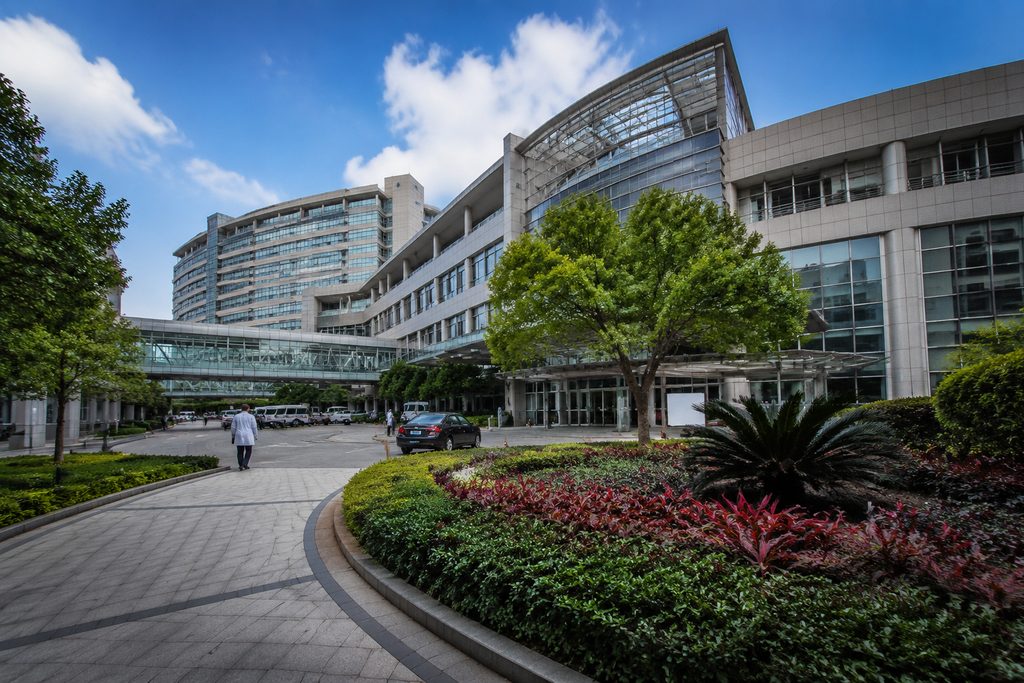
In the United States, the average annual direct medical cost for a patient with moderate to severe systemic lupus erythematosus (SLE) exceeds $30,000, with hospitalizations driving the bulk of that figure. A single inpatient stay for a lupus flare can bill out at over $50,000 before insurance negotiations even begin. At Shanghai Renji Hospital’s rheumatology department—which manages the largest lupus patient cohort in China—the financial arithmetic looks entirely different, often reducing treatment costs by 60 to 80 percent while delivering care benchmarked against the best Western centers.
That disparity raises an immediate question for anyone staring down a diagnosis or a flare while also staring at their insurance deductible. Is traveling halfway around the world for lupus management a rational choice? The answer depends on what you are actually treating, what “safe” means in a chronic disease context, and whether you can navigate a system not designed for walk-in foreigners. We will walk through all of it.
Key Takeaways
- Shanghai Renji Hospital’s rheumatology department has been ranked first in China for rheumatology in the Fudan University specialist reputation rankings for multiple consecutive years, managing over 10,000 SLE patients annually.
- Total lupus treatment cost at Shanghai Renji Hospital for international patients typically runs 60-80% below US private-pay rates, though final figures vary sharply by disease severity and the specific treatment protocol.
- Foreign patients cannot simply walk into the public outpatient clinic. Access runs through the hospital’s International Medical Center, which adds coordination fees but provides English-speaking support and priority scheduling.
- Safety and quality benchmarks at Renji’s rheumatology unit are audited against international protocols, but the patient experience differs structurally from Western hospitals—preparation matters.
The Problem: Lupus Costs Are Breaking Patients Before the Disease Does
Lupus is not a single disease with a single price tag. It is a relapsing-remitting autoimmune assault that can hit the kidneys, skin, joints, central nervous system, and blood cells in unpredictable sequence. That clinical variability makes cost forecasting nearly impossible in fee-for-service systems.
A 2023 analysis published in Arthritis Care & Research tracked direct healthcare expenditures for SLE patients in the US over five years. The mean annual cost was $33,223, but patients with lupus nephritis—kidney involvement—averaged $56,189 per year. For the uninsured or underinsured, those numbers are not abstractions. They are the reason people skip infusions, delay biopsies, and show up in emergency departments with irreversible organ damage.
Wait times compound the financial strain. In the UK, National Health Service rheumatology referrals for non-urgent SLE cases can stretch past 18 weeks for a first consultation. Canada’s median wait between general practitioner referral and rheumatologist visit sits at 12 to 24 weeks in most provinces. Lupus does not wait politely. A flare that brews for four months while a patient sits on a waitlist can permanently scar kidneys or inflame the pericardium. Speed is a clinical variable, not a convenience.
That is the real value proposition driving a small but growing number of international patients toward Shanghai. Not magic. Not a cure. Just a system built to absorb high volumes of complex rheumatology cases quickly, at a cost structure that does not require a six-figure income to survive.
Why Shanghai Renji Hospital’s Rheumatology Department Delivers Results
Clinical Volume That Reshapes Diagnostic Instinct
Renji Hospital’s rheumatology department follows more than 10,000 systemic lupus erythematosus patients annually. To put that number in context: a large academic rheumatology center in the United States might manage 1,500 to 2,500 SLE patients. Renji’s lupus cohort alone exceeds the total rheumatology patient load of many mid-sized Western hospitals.
Volume matters in lupus for a specific reason. The disease presents with maddening heterogeneity—two patients with identical antibody profiles can have completely different organ involvement and trajectories. A clinician who sees 50 new lupus nephritis cases a year develops pattern recognition that no textbook can replicate. Renji’s rheumatologists diagnose and manage more lupus nephritis cases in a month than a community rheumatologist in Europe might encounter in a year.
This is not speculation. The department’s research output on lupus nephritis biomarkers and treatment protocols appears regularly in Annals of the Rheumatic Diseases and Arthritis & Rheumatology. Clinical trial enrollment for novel biologics and JAK inhibitors is active. Patients treated here are plugged into a research engine that feeds directly back into clinical decision-making.
Structural Cost Advantages Without Quality Arbitrage
The lower lupus treatment cost at Shanghai Renji Hospital is not a discount. It is a function of hard economic factors that have nothing to do with cutting corners on drugs or diagnostics.
Labor costs dominate healthcare spending everywhere. A rheumatologist’s salary in Shanghai is a fraction of what the same specialist earns in Boston or London. Hospital infrastructure, while modern, is amortized over vastly higher patient volumes. Pharmaceutical pricing for immunosuppressants like mycophenolate mofetil, cyclophosphamide, and tacrolimus reflects China’s national drug procurement system, which negotiates prices at population scale. A month of mycophenolate that costs $400 to $600 out of pocket in the US can cost under $80 in Shanghai.
Biologics tell a similar story. Belimumab (Benlysta), the only FDA-approved biologic for SLE, carries a US list price of approximately $45,000 per year. In China, after inclusion in the national reimbursement drug list, the negotiated price dropped by over 60 percent. International patients paying out of pocket still access that lower baseline price, even if they cannot tap into Chinese insurance reimbursement.
The clinical outcomes hold up. A 2022 cohort study from Renji’s rheumatology team, published in Lupus Science & Medicine, reported five-year renal survival rates for lupus nephritis patients that sit squarely within the range reported by major North American and European lupus registries. Lower cost did not mean lower efficacy.
Integration of Traditional and Targeted Therapies
Renji’s rheumatology department operates within a hospital system that permits—and studies—adjunctive Traditional Chinese Medicine (TCM) approaches alongside conventional immunosuppression. This is not the “herbs instead of cyclophosphamide” strawman that rightly alarms Western patients. It is a dual-track model: disease-modifying antirheumatic drugs (DMARDs) and biologics handle the heavy immunological lifting, while TCM formulations are sometimes used for symptom management, steroid-sparing effects, and quality-of-life endpoints like fatigue and joint pain.
Several randomized controlled trials from Renji have examined TCM compounds like artemisinin derivatives for lupus, with some showing modest but statistically significant reductions in steroid requirements. The evidence base is incomplete—no one claims otherwise—but the willingness to investigate adjunctive pathways gives patients access to options that do not exist in most Western rheumatology clinics.
How Does Renji Hospital Treat Lupus for Foreign Patients: The Actual Pathway
A patient searching “how does Renji Hospital treat lupus for foreign patients” usually wants a concrete sequence, not a brochure. Here is the sequence as it actually works, step by step.
Step 1: Remote pre-evaluation. You do not book a flight and show up. The International Medical Center requires a complete medical dossier before scheduling anything: all prior rheumatology notes, antibody panels (ANA, anti-dsDNA, anti-Smith, complement C3/C4), renal biopsy reports if lupus nephritis is in play, current medication list with dosages, and imaging relevant to any organ involvement. This packet gets translated and reviewed by a rheumatologist. The pre-evaluation determines whether an in-person visit is warranted and what additional testing will be needed on arrival.
Step 2: Visa documentation. Once the medical team confirms a treatment plan is feasible, the hospital issues an invitation letter and treatment confirmation. These documents support an S2 visa application—the short-stay visa category used for medical treatment and private affairs in China. Processing times vary by embassy, but plan for two to four weeks. Family members accompanying the patient apply for their own S2 visas under the same category.
Step 3: Arrival and workup. The first in-person visit is not a quick chat. Expect two to three days of testing: repeat labs, a disease activity index assessment (SLEDAI scoring), possibly a repeat renal biopsy if the last one is older than six months, and consultations with nephrology or dermatology if those systems are involved. The International Medical Center coordinates all of this. English-speaking coordinators handle registration, scheduling, and results translation.
Step 4: Treatment initiation or adjustment. For a patient in flare, this might mean pulse corticosteroids and a cyclophosphamide infusion under observation. For a stable patient seeking a second opinion, it might mean a medication adjustment and a monitoring plan to take home. Rituximab, belimumab, and tacrolimus-based protocols are all available. The department has extensive experience with multi-drug regimens for refractory lupus nephritis.
Step 5: Discharge planning and remote follow-up. The goal for most international patients is not indefinite stay. The Renji team designs a protocol that can be executed at home, with scheduled video follow-ups at three, six, and twelve months. Lab results get reviewed remotely. Medication adjustments happen over video consultation.
Is Lupus Treatment in China Safe for International Patients: What the Data Actually Says
The honest answer is that safety is not a binary. It depends on what you are measuring and how you define it.
On clinical safety—infection rates, drug toxicity monitoring, treatment protocol adherence—Renji Hospital operates at a standard that is auditable and published. The rheumatology department is part of a hospital system that holds JCI accreditation through its international wing. Infection control protocols, laboratory quality control, and pharmacovigilance systems meet international benchmarks. The department’s own published complication rates for immunosuppressive therapy align with those reported in European lupus registries.
Where the experience diverges from Western expectations is in the patient journey, not the medicine. Public hospital corridors in China are crowded. Privacy norms differ. Nursing ratios on general wards are leaner than what a private-room patient in a US hospital would encounter. Informed consent conversations tend to be shorter and more directive. None of this means the care is unsafe—but it can feel disorienting if you are not prepared for it.
The International Medical Center mitigates much of this. Patients routed through the international department get private rooms, English-speaking nursing coordination, and longer consultation times with specialists. The trade-off is cost: international department pricing runs higher than the public track, though still far below Western private-pay rates.
There is also the question of regulatory recourse. China’s medical liability system does not offer the same litigation pathways that Western patients might assume. Disputes are typically mediated through hospital administration rather than courts. Serious adverse events are rare, but patients should understand the accountability structure before committing to treatment abroad.
What Lupus Treatment Packages in China Medical Tourism Actually Include
The phrase “lupus treatment packages China medical tourism” suggests a productized experience with a fixed price and a defined scope. Reality is messier. Lupus does not package neatly.
That said, most international patient coordinators—including hospital-affiliated international departments and independent medical concierge services—structure lupus care into phases with associated cost bands. A typical phase-one package for a new international lupus patient at Renji’s International Medical Center might include:
| Service Component | Estimated Cost (USD) | Notes |
|---|---|---|
| Remote pre-evaluation and dossier review | $300–$500 | Written second opinion; credited toward in-person care if patient travels within 90 days |
| Initial rheumatology consultation (international dept.) | $200–$400 | Includes translator if needed |
| Comprehensive lupus lab panel | $500–$1,200 | ANA profile, complements, anti-dsDNA, anti-Smith, lupus anticoagulant, urinalysis, 24-hour urine protein |
| Renal biopsy (if indicated) | $1,500–$2,500 | Includes histopathology and immunofluorescence |
| Imaging (chest X-ray, echocardiogram, abdominal ultrasound) | $300–$600 | Baseline organ assessment |
| First biologic infusion (e.g., belimumab) with observation | $800–$1,500 | Drug cost plus infusion center fee |
| Inpatient stay for flare management (per day, international ward) | $500–$1,000 | Includes nursing, meals, basic monitoring; excludes medications and procedures |
These figures are ballpark estimates. A severe lupus nephritis flare requiring pulse steroids, cyclophosphamide, and a two-week inpatient stay can run $8,000 to $15,000 all-in through the international department. The same episode in a US hospital, uninsured, could easily exceed $80,000.
What is not included: airfare, visa fees, accommodation outside the hospital, meals for family members, and any post-discharge medications filled at a pharmacy. Patients should budget an additional $3,000 to $5,000 for non-medical expenses during a two-week stay in Shanghai.
Coordination services—the people who handle scheduling, translation, and logistics—add another layer. Hospital-affiliated international departments charge coordination fees that range from $300 for basic appointment booking to $5,000 to $8,000 for comprehensive end-to-end support including airport pickup, daily accompaniment, and post-discharge follow-up coordination. Independent medical concierge services operate in a similar range, with the advantage of working across multiple hospitals if a second opinion from another institution is needed.
Practical Considerations: Documentation, Payment, and Staying Grounded
International lupus treatment at Renji Hospital requires more paperwork than most patients anticipate. Start gathering these documents at least six weeks before any planned travel:
- All rheumatology consultation notes from the past two years, translated into English if they are in another language (the hospital will arrange Chinese translation from English).
- Complete serological history: ANA titers over time, anti-dsDNA trends, complement C3 and C4 levels. Lupus is a disease tracked by lab trajectories, not snapshots.
- Renal biopsy reports with WHO/ISN classification if lupus nephritis has been diagnosed. The full pathology report matters, not just the summary.
- Current medication list with exact dosages, duration, and any prior adverse reactions.
- Imaging on CD or cloud storage: chest X-rays, echocardiograms, joint radiographs if arthritis is a feature.
Payment is almost entirely out-of-pocket at the point of service. Renji’s International Medical Center accepts major credit cards and wire transfers. Some international insurance policies with out-of-network benefits will reimburse Chinese hospital charges, but patients must verify this with their insurer before traveling. The hospital provides itemized receipts and translated medical records suitable for insurance claims, but it does not bill foreign insurers directly.
Visa processing deserves attention. The S2 visa for medical treatment typically allows a stay of up to 180 days, but the initial grant may be shorter—30 to 90 days is common. If treatment extends beyond the visa validity, the hospital’s international office can assist with extension applications, but approval is not guaranteed. Patients should build buffer time into their plans and avoid cutting visa deadlines too close.
Language remains a friction point even inside the International Medical Center. Physicians often speak functional medical English, but nursing staff, phlebotomists, and administrative personnel generally do not. Having a bilingual coordinator or medical companion for the first several days eliminates a great deal of unnecessary stress.
After returning home, continuity of care becomes the central challenge. The Renji team will provide a detailed treatment summary and protocol in English, but the patient’s home rheumatologist must be willing to execute a plan they did not design. Some are open to it. Others are not. Patients should have a candid conversation with their local rheumatologist before traveling to confirm they will collaborate with an overseas team.
Frequently Asked Questions
Yes. The International Medical Center offers video consultations with rheumatologists after reviewing your medical records. A written second opinion costs $300 to $500 and includes a treatment recommendation letter. This is often the most practical first step—it tells you whether traveling to Shanghai is even medically warranted before you spend thousands on flights and logistics.
What is the actual lupus treatment cost at Shanghai Renji Hospital for someone without Chinese insurance?
There is no single number. A straightforward consultation and medication adjustment might cost $1,000 to $2,000. A lupus nephritis flare requiring hospitalization, biopsy, and IV immunosuppression typically runs $8,000 to $15,000 through the international department. Chronic biologic therapy (belimumab) costs roughly $800 to $1,500 per infusion out of pocket. These figures are 60 to
For more medical information and treatment options in China, visit chinamedservices.com (China Medical Services).
