Brain Tumor Surgery in Shanghai: Why Huashan Hospital Is the Top Choice for International Patients
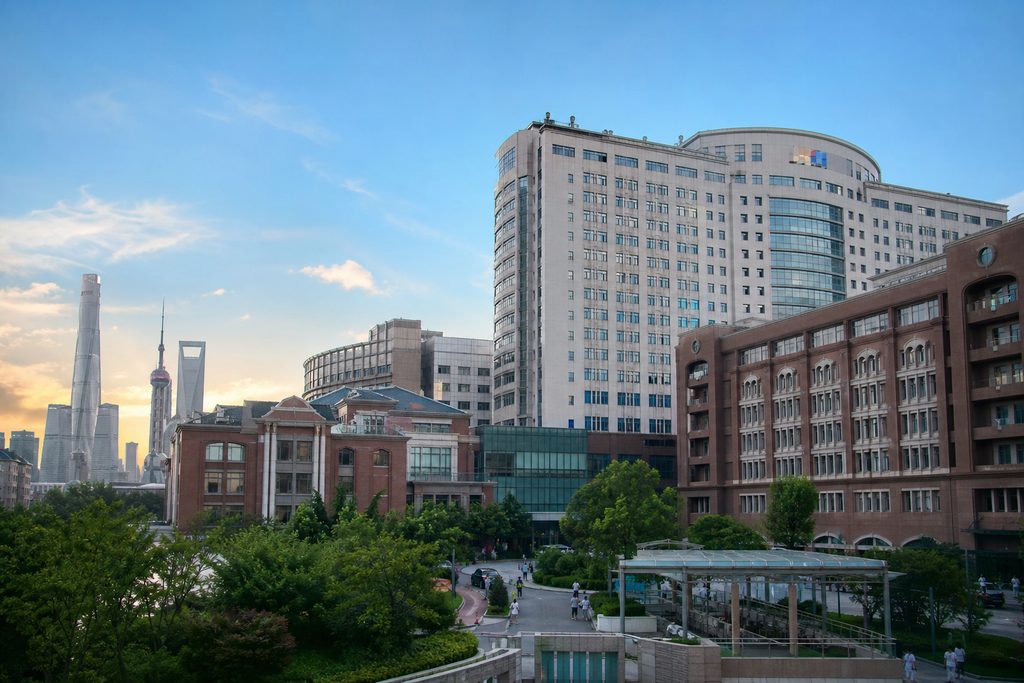
When 42-year-old Michael first heard the diagnosis from his neurologist in London, the world tilted. A meningioma. Benign, they said, but its location near the optic chiasm meant surgery was no longer optional. The wait for a top neurosurgeon through the NHS stretched to four months. Privately, the quote was £45,000. He started searching for alternatives, and one query kept surfacing: which hospital in Shanghai is best for brain tumor surgery? The answer that appeared again and again was Huashan Hospital, with its neurosurgery department consistently ranked among the very best in China.
The search for high-stakes medical care across borders is exhausting. You are not just looking for a building. You are looking for a team with hands that have navigated the exact terrain of your tumor thousands of times. Our team has spent years connecting international patients with China’s top-tier hospitals, and we see this specific question frequently. The data supporting Huashan’s reputation is substantial, but understanding the real-world logistics—from the brain tumor surgery cost in Shanghai to the visa process—is what turns a possibility into a plan. This article lays out exactly what you need to know.
Key Takeaways
- Huashan Hospital’s neurosurgery department is ranked second nationally in China’s most authoritative hospital ranking, performing over 17,000 neurosurgical procedures annually.
- The brain tumor surgery cost in Shanghai at a top public hospital typically ranges from $20,000 to $40,000, a fraction of the $100,000 to $250,000 common in the United States for comparable procedures.
- International patients cannot simply book a surgery date online. The process requires a formal evaluation of your medical records, a treatment plan, and coordination through the hospital’s international medical center.
- Language, visa logistics, and post-operative follow-up planning are the real barriers—not the quality of the surgical hands.
The Problem: When a Diagnosis Meets a Dead End at Home
A brain tumor diagnosis triggers a cascade of fears, and for many patients in Western healthcare systems, the clock starts ticking loudly. In Canada, the median wait time between a specialist visit and neurosurgery can exceed four months. In the UK, the NHS constitutional target is 18 weeks from referral to treatment, but neurology services often report longer waits for non-emergency tumor resections. For a benign but growing tumor, that waiting period is a psychological and physiological burden.
Then comes the financial shock. For those without comprehensive insurance, or for whom the public queue is simply too long, the private-pay route in the US or Europe can be devastating. A craniotomy for tumor resection in a major US hospital system routinely bills between $100,000 and $250,000. Even with insurance, out-of-pocket maximums can reach $15,000 or more. The math pushes patients to look beyond their borders. And that is how a search for the best hospital for brain tumor surgery China begins.
Why Huashan Hospital’s Neurosurgery Department Delivers Results
The reputation is not built on marketing. It is built on volume. Huashan Hospital, affiliated with Fudan University in Shanghai, houses a neurosurgery department that is effectively a city within a city. With over 600 beds dedicated solely to neurosurgery and more than 17,000 procedures performed each year, the department’s clinical experience is staggering. In China’s highly respected Fudan University Hospital Ranking, the neurosurgery department is perennially ranked second in the nation. This is not a general hospital that dabbles in brain surgery. This is a neurosurgical powerhouse.
Clinical Volume Translates to Rare-Case Experience
There is a well-documented relationship between surgical volume and patient outcomes, particularly in complex procedures like brain tumor resections. A surgeon who performs 200 craniotomies a year has seen anatomical variations and intraoperative complications that a lower-volume surgeon might encounter only a handful of times in a career. At Huashan, the neurosurgical team is subdivided into specialized units focusing on skull base tumors, gliomas, pituitary adenomas, and cerebrovascular conditions. This means the surgeon assigned to your case likely focuses on tumors in your specific brain region every single week. The average neurosurgeon in a Western community hospital might perform a few dozen tumor resections annually. At Huashan, the numbers are an order of magnitude higher.
Technology Deployed at a Scale That Makes Sense
Huashan operates multiple intraoperative MRI (iMRI) suites, a technology that allows surgeons to scan the brain during surgery and verify that the entire tumor has been removed before closing the skull. They integrate neuronavigation, intraoperative neurophysiological monitoring, and awake craniotomy protocols for tumors near eloquent brain regions responsible for speech or motor function. None of this equipment is unique to China. What is unique is the operational tempo. The systems are used constantly, not occasionally, and the teams running them have refined their protocols through relentless repetition.
The Cost Structure: Why Quality and Affordability Coexist
This is the question that makes people suspicious. How can the brain tumor surgery cost in Shanghai be so much lower than in the West without a hidden catch? The answer lies in structural economics, not in a compromise on quality. China’s top public hospitals like Huashan operate on a high-volume, lower-margin model. The cost of a neurosurgeon’s time, the nursing staff, and the hospital infrastructure is substantially lower than in the US or Switzerland. A craniotomy that bills $150,000 in California might cost $25,000 to $35,000 at Huashan, including the surgeon’s fee, anesthesia, operating room, and a stay in a standard ward. The hospital’s international VIP ward, which offers private rooms and English-speaking nursing coordination, will push the total closer to $40,000 to $60,000. That is still a 60-80% reduction from US private-pay rates. The implants, the microscopes, and the surgical techniques are the same global standard. The price difference is not a discount on safety. It is a different economic reality.
What “Ranked 2nd in China” Actually Means for Your Surgery
When you read that Huashan neurosurgery is ranked second, it is tempting to treat it as an abstract badge. The ranking is issued by the Hospital Management Institute of Fudan University, and it is the most authoritative hospital evaluation system in China. The methodology surveys thousands of clinical specialists across the country and evaluates departments on clinical reputation and research output. For neurosurgery, the top three spots have been consistently held by Beijing Tiantan Hospital, Huashan Hospital, and West China Hospital for years. The gap between first and second is narrow—often a matter of a few points in a complex scoring system. What matters for an international patient is that a hospital in this tier is operating at the very frontier of the specialty. The neurosurgeons at Huashan are presenting at the same international conferences, publishing in the same journals, and using the same surgical protocols as their counterparts at top-ranked centers in the US and Europe.
But the ranking also tells you something about the hospital ecosystem. Huashan is not a standalone neurosurgery center. It is a comprehensive teaching hospital with strong departments in endocrinology, infectious diseases, and radiology. A brain tumor patient often needs more than a neurosurgeon. You may need a neuro-endocrinologist to manage hormonal impacts, a neuro-radiologist who can read your scans with exceptional precision, and an intensive care team that handles post-craniotomy recovery as a matter of routine. That full-spectrum capability is embedded in the same campus.
Understanding the Real Brain Tumor Surgery Cost in Shanghai
Let’s talk numbers that are specific enough to be useful. The brain tumor surgery cost in Shanghai at Huashan Hospital varies significantly based on tumor type, surgical complexity, and your choice of ward. We have helped patients navigate these costs, and while every case is unique, the following ranges are based on real hospital billing data for international patients paying out-of-pocket.
| Cost Component | Standard Ward (USD) | VIP/International Ward (USD) |
|---|---|---|
| Pre-operative evaluation (MRI, CT, labs, consultation) | $2,000 – $4,000 | $3,500 – $6,000 |
| Craniotomy & tumor resection (surgeon, anesthesia, OR) | $15,000 – $25,000 | $25,000 – $40,000 |
| Hospital stay (7-14 days post-op, including ICU monitoring) | $3,000 – $8,000 | $8,000 – $15,000 |
| Pathology and post-operative imaging | $1,000 – $2,000 | $1,500 – $3,000 |
| Estimated Total Range | $21,000 – $39,000 | $38,000 – $64,000 |
These figures are estimates and vary by hospital and case complexity. A complex skull base tumor requiring extended operative time and a longer ICU stay will land at the higher end. A straightforward convexity meningioma might fall below the range. The VIP ward adds a private room, a dedicated nursing coordinator, and a more streamlined experience for non-Chinese speakers, but it does not buy you a better surgeon. The same attending neurosurgeon operates in both the standard and VIP tracks. The choice is about comfort, privacy, and logistical support.
Compare this to the question many patients ask: how much does brain tumor surgery cost in China versus elsewhere? The answer is stark. In the US, $100,000 to $250,000 is a realistic private-pay range. In the UK privately, £30,000 to £60,000. In Australia, AUD $50,000 to $100,000. The Chinese cost, even in a top-ranked department, is structurally lower. And that is before we factor in the speed of access.
Is Huashan Hospital Good for Brain Tumor Surgery? The Evidence Beyond Rankings
The question “is Huashan Hospital good for brain tumor surgery” is really asking: can I trust this team with my brain? Rankings are a starting point, but trust requires a more granular look. Huashan’s neurosurgery department has published extensively on surgical outcomes for gliomas, pituitary adenomas, and acoustic neuromas. Their gross total resection rates for pituitary tumors via the transsphenoidal approach are comparable to the best international centers. The department has been an early adopter of awake craniotomy for tumors in eloquent brain areas, a technique that requires a highly coordinated team of surgeons, anesthesiologists, and neuropsychologists. It is not a procedure you want a hospital doing for the first time on you. Huashan has been doing it for years, with a dedicated protocol and a track record that gives the team confidence to offer it to international patients who travel specifically for this approach.
One practical indicator: the international patient volume. Huashan’s International Medical Center regularly sees patients from Southeast Asia, the Middle East, Russia, and increasingly from Europe and North America. The center has English-speaking coordinators, a defined process for handling foreign medical records, and experience with the specific anxieties that come with traveling across the world for brain surgery. They have seen your situation before. That matters.
How to Book Brain Tumor Surgery at Huashan Hospital, Shanghai
This is where the process diverges sharply from what Western patients expect. You cannot simply call the hospital and book a surgery date. The pathway to book brain tumor surgery Huashan Hospital Shanghai follows a specific sequence, and skipping steps will lead to frustration and delays. The hospital requires a face-to-face consultation with the neurosurgeon before any surgery is scheduled. For international patients, this typically happens through one of two routes.
The first route is a remote evaluation. You send your complete medical records—including a recent contrast-enhanced MRI on a CD with DICOM files, pathology reports if a biopsy has been done, and a summary of your clinical history. The international center forwards these to the appropriate neurosurgical subspecialty team. A surgeon reviews the case and provides a written opinion on whether surgery is indicated and feasible. This written second opinion typically costs $300 to $500 and is for reference only, not a prescription. If the surgeon agrees to take the case, you then plan your travel. You arrive in Shanghai, have an in-person consultation, complete any additional pre-operative testing the hospital requires, and then a surgery date is set. The entire in-country process from arrival to surgery might take one to two weeks, depending on the surgeon’s schedule and the complexity of your pre-operative workup.
The second route is to travel to Shanghai first and have the initial consultation in person. This is sometimes faster for patients who already know they want surgery at Huashan and prefer to meet the surgeon directly. The risk is that you travel without a firm commitment that the surgeon will take the case. The remote evaluation mitigates that risk.
Practical step: Always request a written second opinion before booking flights. It protects you from traveling only to find that the surgeon recommends watchful waiting or a non-surgical approach based on the tumor’s characteristics. The cost of the written opinion is a small insurance policy against a much larger wasted trip.
Practical Considerations: Visas, Payments, and Language for Your Shanghai Surgery
The surgery itself is the mountain. The logistics are the path to base camp. Get them wrong, and you never even start climbing.
Visa: For medical treatment in China, the appropriate short-stay visa category is the S2 visa, which covers private affairs including medical treatment. Your accompanying family members also apply for S2 visas. The hospital’s international center will provide an official invitation letter and a treatment confirmation document that you submit with your visa application at the Chinese embassy or consulate in your home country. Processing times vary, but four to six weeks is a safe planning window. Do not book a non-refundable flight until the visa is in your passport. We have seen too many patients lose money by rushing this step.
Payment: Chinese public hospitals, including Huashan, operate on a pre-payment model. You will be asked to place a deposit upon admission, typically an amount that covers the estimated cost of the surgery and hospital stay. The hospital will settle the account upon discharge, refunding any surplus or billing for any shortfall. International credit cards are accepted at the international center, but transaction limits can be an issue. A single $30,000 charge on a foreign card may trigger a fraud block. Notify your bank in advance, and consider having a backup payment method. Wire transfers are also an option but require several days to clear.
Language: The neurosurgeons at Huashan often speak some English, particularly those who have trained or presented internationally. But the nursing staff, the administrative counters, the MRI technicians, and the billing office operate in Chinese. Walking into Huashan Hospital without a Mandarin speaker is disorienting and stressful. The hospital’s international center provides some coordination, but a dedicated bilingual medical companion who can translate your symptoms, explain the consent forms, and navigate the cashier’s window is the difference between a smooth experience and a daily struggle. This is not a luxury. It is a practical necessity for a hospital where the daily outpatient volume exceeds 10,000 visits.
Post-operative follow-up: Your neurosurgeon will want to see you for a follow-up MRI and consultation, typically at three months and one year post-surgery. You can return to Shanghai for these visits, or you can have the scans done at home and send the DICOM files for a remote review. Establish this plan before you leave Shanghai. Get a direct contact method for the surgeon’s team, usually a WeChat account or an email address that is actually monitored. Do not leave this to chance.
Frequently Asked Questions
You can get a written estimate, but not a fixed-price guarantee. The hospital’s international center will provide a cost estimate based on your diagnosis and the proposed surgical plan after reviewing your records. The final bill depends on the actual length of your ICU stay, the specific implants used, and any unforeseen complications. A written estimate is a good-faith projection, not a binding contract. Budget for the high end of the range and treat any savings as a pleasant surprise.
Huashan Hospital has a neurosurgical intensive care unit (NICU) staffed 24/7 by neuro-intensivists. The department manages its own complications. This is not a situation where a surgeon operates and then hands you off to a general ICU team. The continuity of care is strong. That said, any brain surgery carries risk, and complications can include infection, bleeding, neurological deficit, or the need for a second operation. The hospital has the resources to manage these events. Your financial planning should account for the possibility of an extended stay. Travel insurance that covers medical complications abroad is strongly recommended, though it rarely covers pre-existing conditions. Read the fine print carefully.
How do I know the surgeon assigned to me is actually the expert I researched?
For more medical information and treatment options in China, visit chinamedservices.com (China Medical Services).
