Strabismus Surgery in China: Our Companion for Eye Alignment
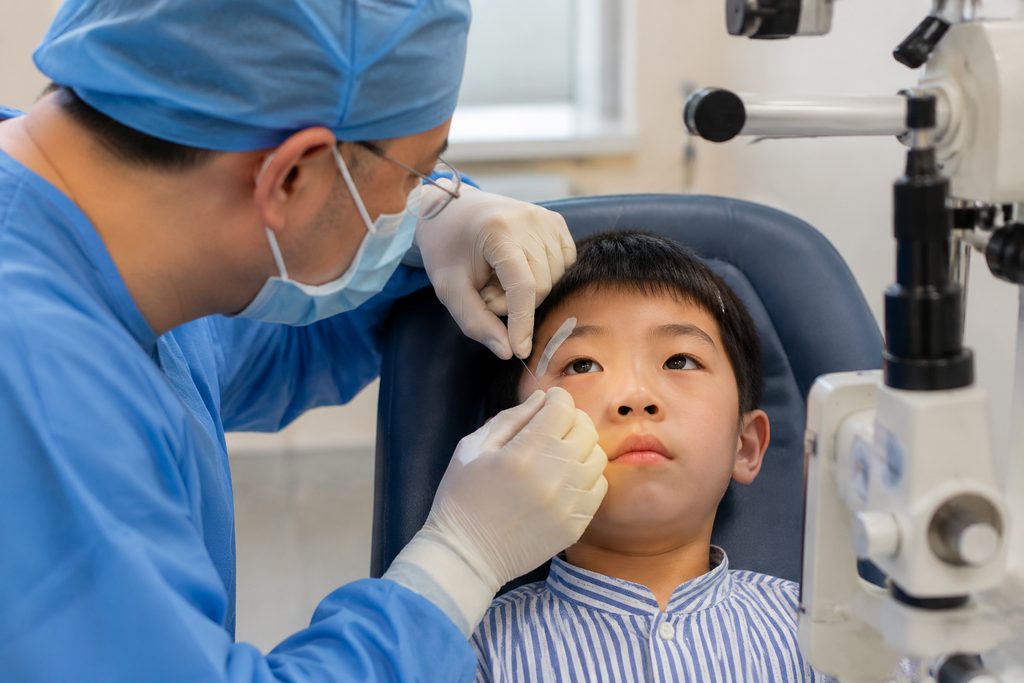
According to the American Association for Pediatric Ophthalmology and Strabismus, strabismus affects approximately 4% of the adult population in the United States. Many of those adults have lived with misaligned eyes since childhood. Others developed the condition later in life from trauma, neurological issues, or thyroid eye disease. The strabismus surgery cost China typically runs between $2,500 and $6,000 at top-tier public hospitals — roughly one-fifth to one-third of what the same procedure costs in the United States, where uninsured patients often face bills exceeding $15,000. That gap is real. But the decision to fly across the world for eye muscle surgery involves more than a price tag.
Our team has coordinated care for international patients at major Chinese eye centers for years. We know where the system works smoothly and where it frustrates. This guide covers what adult squint surgery in China actually costs, which hospitals handle it best, what recovery looks like, and the practical steps for making it happen safely.
Strabismus Surgery in China: The Short Answer
Yes, you can get high-quality strabismus surgery in China at a fraction of Western prices. Adult squint surgery at a top Chinese eye hospital typically costs $2,500 to $6,000 for one or both eyes, including surgeon fees, anesthesia, and a short hospital stay. The surgeons at major centers like Shanghai Eye and ENT Hospital or Zhongshan Ophthalmic Center in Guangzhou perform hundreds of these procedures annually. Many trained in the US, UK, or Japan.
But here is the catch. You cannot simply email a Chinese public hospital and book a surgery date. The system requires an in-person consultation first. The surgeon must examine your eye alignment, measure the deviation, and confirm you are a surgical candidate. That means at least one trip before the operation, or a coordinated plan that bundles consultation and surgery into a single longer stay.
Who This Is Right For — and Who It Isn’t
Strabismus surgery in China suits a specific profile of patient. Knowing whether you fit matters more than the price difference.
Good candidates:
- Adults with stable, long-standing strabismus who have already tried prism glasses or vision therapy without success
- Patients whose condition causes double vision, eye strain, or significant cosmetic concern
- Those with realistic expectations — surgery aligns the eyes but does not restore lost binocular vision in most adult cases
- People comfortable traveling internationally and staying in China for 10–14 days minimum
- Patients who have a recent, complete ophthalmology workup from their home country
Who should think twice:
- Anyone with unstable medical conditions, uncontrolled diabetes, or bleeding disorders that complicate any surgery
- Patients whose strabismus stems from an active neurological condition that has not been stabilized
- Those expecting guaranteed perfect cosmetic symmetry — results vary, and a second adjustment surgery is sometimes needed
- People who cannot arrange at least two weeks away from work or family obligations
- Anyone unwilling to travel for a follow-up if the first surgery needs refinement
Being honest about the second list is what makes the first list trustworthy. We have turned away patients who would have been better served staying home.
The Options, Compared
You have three realistic paths for strabismus surgery. Here is how they stack up.
| Option | Typical Cost | Wait Time | Key Trade-off |
|---|---|---|---|
| US private surgery | $8,000–$20,000+ | 2–8 weeks | Convenient, familiar, expensive |
| China top public eye hospital | $2,500–$6,000 | 2–6 weeks after consultation | Language barrier, travel logistics |
| China private international hospital | $5,000–$12,000 | 1–3 weeks | English-speaking staff, higher cost |
Most of our patients choose the middle path: a top public eye hospital with bilingual coordination support. The surgical quality matches or exceeds what they would receive at home, and the savings often cover flights, accommodation, and our service fees with room to spare. The private international option appeals to patients who want a more Western-style experience and are willing to pay for it.
What “Top Eye Hospital” Actually Means in China
China’s hospital rankings can confuse outsiders. The Fudan University hospital ranking — the most authoritative in the country — groups general hospitals into tiers rather than numbered positions. But for ophthalmology specifically, the specialty reputation rankings do list a top ten. That list matters if you are choosing where to have your eyes operated on.
Three centers dominate adult strabismus surgery in China:
- Zhongshan Ophthalmic Center, Sun Yat-sen University (Guangzhou) — the largest eye hospital in China, with a dedicated strabismus and pediatric ophthalmology department that handles complex adult cases
- Eye & ENT Hospital of Fudan University (Shanghai) — consistently ranked among China’s top ophthalmology centers, with strong adult motility and strabismus expertise
- Beijing Tongren Hospital — one of the oldest and most respected eye hospitals in the country, with high surgical volume and experienced strabismus surgeons
Volume matters in strabismus surgery. A surgeon who performs 300 alignment procedures a year simply has better judgment about how much to adjust each muscle than one who does 30. These centers deliver that volume.
How Long Is Recovery From Strabismus Surgery?
The recovery timeline surprises many patients — usually in a good way. Here is what to expect week by week.
Days 1–3: Your eye will be red, swollen, and possibly sore. You will use antibiotic and steroid eye drops. Most patients describe the discomfort as mild to moderate, like having sand in the eye. You can read, watch TV, and walk around, but heavy lifting is off the table.
Week 1: The redness peaks and starts fading. Many patients return to desk work within 5–7 days. You should avoid swimming, contact lenses, and eye makeup. The alignment may look slightly off during this period — swelling distorts the result temporarily.
Weeks 2–4: The eye looks much better, though some pinkness persists for up to a month. Most people resume normal activities, including exercise, by week three. Double vision, if present before surgery, usually improves or resolves during this window.
Months 2–3: The final alignment stabilizes. If a residual deviation remains, your surgeon will discuss whether a second adjustment is warranted. Roughly 10–20% of adult patients need a touch-up procedure, depending on the complexity of the original deviation.
And yes — how long is recovery from strabismus surgery is one of the most common questions we field. The honest answer: plan for one week of downtime and one month of caution, but expect to feel functional much sooner.
Is Eye Muscle Surgery Safe in China?
Roughly one in five adult strabismus patients needs an adjustment procedure within the first year. At Chinese public hospitals, a touch-up surgery typically costs 30–50% less than the original. If you cannot return to China, a local strabismus surgeon can usually perform the adjustment using your Chinese operative notes. Discuss this scenario with your surgeon before the first operation so you know the plan.
The Eye & ENT Hospital of Fudan University is the strongest choice in Shanghai for strabismus surgery. It ranks among China’s top ophthalmology centers and has a dedicated strabismus department. For foreign patients, the hospital’s international department provides English-speaking coordination, though bedside nursing staff may still communicate primarily in Chinese. A bilingual companion fills that gap.
Most international health insurance plans classify strabismus surgery as medically necessary when it causes double vision or functional impairment, and many will reimburse treatment at Chinese hospitals. Cosmetic strabismus surgery is usually not covered. Check with your insurer before booking anything, and ask specifically about overseas treatment at public hospitals. You will likely pay upfront and file for reimbursement.
Ask directly. Request the surgeon’s annual strabismus case volume and their re-operation rate. At the centers we recommend, senior strabismus surgeons perform 200–500 procedures per year. You can also ask where they trained — many have fellowships in the US, UK, or Singapore. A surgeon who hesitates to answer these questions is not the right surgeon.
Your Next Step
Strabismus surgery in China offers genuine quality at a price that makes it accessible to patients who could never afford the US sticker price. The surgery itself is safe, the recovery is manageable, and the results — when performed by an experienced surgeon — are comparable to anywhere in the world. The challenge is the logistics: language, scheduling, and navigating a system built for speed and volume rather than hand-holding.
That is where we come in. China Medical Services is a coordination team, not a hospital and not a medical practice. We help you choose the right eye center, arrange the consultation, handle the paperwork, and provide bilingual support on the ground. We do not diagnose, and we do not promise surgical outcomes. We do make the process navigable. If you are considering strabismus surgery in China, start with a conversation about your specific case. The next step is simple: tell us what you need, and we will tell you honestly whether China is the right choice for you.
Frequently Asked Questions
Yes. The hospitals used for international patients are JCI-accredited and follow the same international safety standards as top hospitals in the US and Europe. Surgical teams perform high volumes of procedures — often more than their Western counterparts — which studies show leads to better outcomes.
Costs vary by procedure and hospital, but international patients typically save 40-80% compared to US prices — even when factoring in travel and accommodation. A consultation with our team will give you an exact, all-inclusive quote with no hidden fees.
Send us your existing medical reports to get started. We handle everything from hospital selection and appointment scheduling to visa assistance and post-operative recovery planning. Your medical records are reviewed by the specialist before you even book a flight.
For more medical information and treatment options in China, visit chinamedservices.com (China Medical Services).
