Zhongshan Ophthalmic Center: Your Complete Guide to International Eye Surgery in Guangzhou
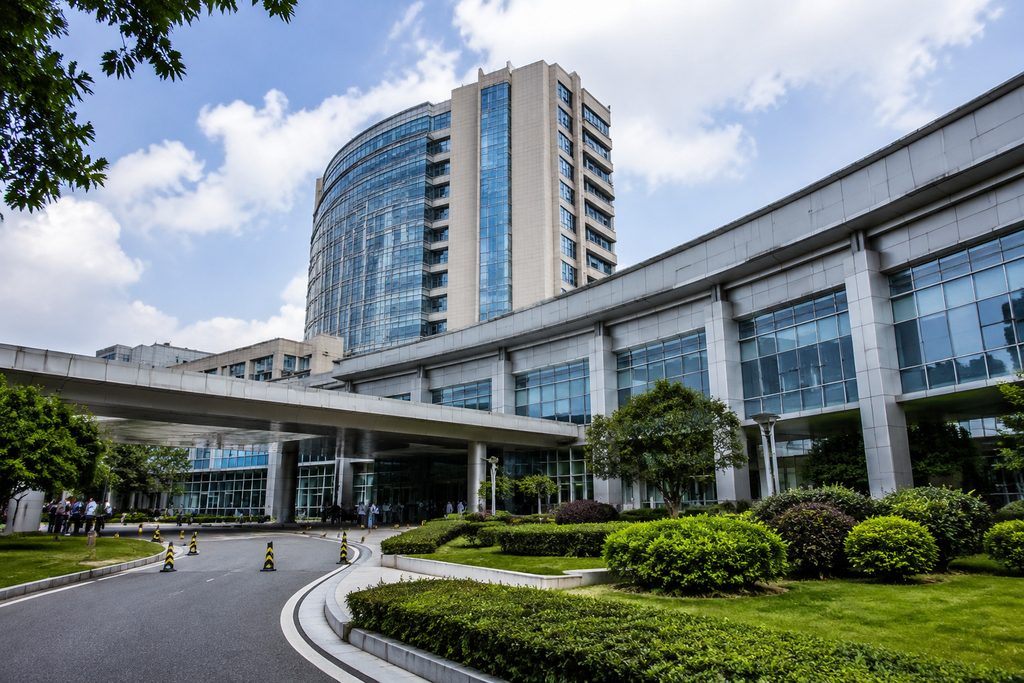
When 47-year-old Elena from Vancouver was told she needed a complex vitrectomy, her local surgeon quoted a wait of eleven months. The estimated cost, even with her provincial health plan covering a portion, would leave her with roughly CAD 14,000 in uncovered surgical fees. She started searching for alternatives. That search brought her to a name that keeps appearing in ophthalmology journals: the Zhongshan Ophthalmic Center in Guangzhou.
We know that moment of uncertainty. Our team fields dozens of inquiries each month from patients in North America, Europe, the Middle East, and Southeast Asia. They all ask variations of the same question: is this real? Can a hospital in China genuinely deliver world-class eye surgery at a fraction of the cost, and can a foreigner actually navigate the process?
The short answer is yes. But the full answer requires honesty about what the process demands, what it costs, and where the real friction points lie. This article walks through everything Elena learned—and everything you need to know before making a decision about eye surgery at the Zhongshan Ophthalmic Center.
Key Takeaways
- The Zhongshan Ophthalmic Center performs over 120,000 surgeries annually—more than any single eye hospital in North America—and ranks first in China’s national ophthalmology specialty rankings.
- International patients cannot book surgery remotely through the public outpatient system; you need the hospital’s International Medical Center or a coordination service to secure a surgical slot before traveling.
- Total surgical costs for common procedures range from $2,500 to $8,000 USD, roughly one-fifth to one-third of US private-pay prices, depending on complexity and implant choices.
- Language barriers, visa paperwork, and payment logistics are the three biggest obstacles for independent travelers—each is solvable with the right preparation.
The Problem: Eye Surgery Wait Times and Costs Are Pushing Patients to Look Abroad
Ophthalmology wait times in publicly funded health systems have been deteriorating for years. In Canada, the median wait between specialist referral and treatment for ophthalmology patients reached 30.3 weeks in 2023, according to the Fraser Institute’s annual survey. The UK’s NHS data shows that over 640,000 ophthalmology patients were waiting for treatment as of mid-2024, with more than 22,000 waiting over a year. In the United States, the issue is less about waiting and more about cost. A routine cataract surgery with a premium intraocular lens can bill at $3,500 to $6,000 per eye for insured patients with high deductibles. Retinal detachment repair? That can exceed $10,000 quickly.
These numbers force hard conversations. Patients delay care. Vision deteriorates. What starts as a treatable condition becomes a permanent deficit.
Medical travel is not a new idea. But the calculus has shifted. Twenty years ago, traveling to Asia for surgery meant accepting unknown quality for lower cost. That equation no longer holds. A small number of Chinese hospitals now match or exceed Western surgical volumes and outcomes in specific specialties. Ophthalmology is one of them.
Who We Are
We are not a hospital. We do not provide medical treatment, clinical diagnoses, or surgical opinions. Our organization, China Medical Services, functions as a logistical bridge between international patients and China’s top-tier hospitals. We maintain a vetted database of over 340 ranked hospitals across 37 cities, handle appointment coordination through official hospital international departments, arrange bilingual medical companions, and guide patients through the visa and travel logistics that make treatment in China possible. Think of us as your advance team on the ground—we solve the operational problems so you can focus on your health.
Why the Zhongshan Ophthalmic Center Delivers Results
The Zhongshan Ophthalmic Center, affiliated with Sun Yat-sen University in Guangzhou, is not simply a large eye hospital. It is the largest ophthalmic center in China by surgical volume and has held the top position in China’s national ophthalmology specialty rankings for consecutive years. For international patients researching the best eye hospital in China for foreign patients review data, the numbers tell a compelling story.
Surgical Volume That Creates Clinical Depth
Zhongshan Ophthalmic Center performs more than 120,000 surgeries annually across its facilities. To put that in perspective, the busiest eye hospital in the United States, Bascom Palmer Eye Institute, reports approximately 12,000 surgeries per year. Wills Eye Hospital in Philadelphia reports a similar figure. Zhongshan’s surgeons operate at ten times that scale.
Volume matters in surgery. Studies published in the journal Ophthalmology have repeatedly demonstrated a positive correlation between surgeon volume and patient outcomes in procedures like cataract surgery and vitrectomy. A surgeon who performs 800 cataract extractions annually encounters complications, anatomical variations, and edge cases at a rate that a surgeon performing 150 simply cannot match. The center’s retina department alone handles complex detachment cases that smaller centers might see once a month.
Technology Deployment at Scale
The center operates over 200 examination units and maintains dedicated surgical suites equipped with femtosecond laser platforms, intraoperative OCT (optical coherence tomography), and the latest phacoemulsification systems from Alcon and Johnson & Johnson Vision. What distinguishes Zhongshan is not the presence of this technology—many Western hospitals have similar equipment—but the systematized workflow around it. A patient moving through preoperative assessment, surgical planning, and postoperative follow-up passes through a standardized protocol refined across hundreds of thousands of cases.
This is not boutique medicine. It is high-volume, high-precision care delivered through clinical pathways that have been optimized through sheer repetition.
The Cost Equation Without the Quality Tradeoff
Let us address the objection directly. Lower cost does not mean lower quality—but it is fair to ask why the Zhongshan Ophthalmic Center international patient price structure is so different from what Western patients expect. The answer lies in structural economics, not clinical shortcuts.
Labor costs in Chinese academic medical centers are fundamentally different from those in North America or Europe. A senior ophthalmic surgeon at a top Chinese public hospital earns a fraction of their US counterpart’s salary, even accounting for purchasing power parity. Hospital overhead, malpractice insurance, and administrative costs are also significantly lower. The result: a retinal detachment repair that might bill at $12,000 in the US can be performed at Zhongshan for $3,000 to $5,000. Cataract surgery with a premium multifocal intraocular lens? Approximately $2,500 to $4,000 per eye, compared to $5,000 to $8,000 in the US private market.
These are cash-pay prices through the hospital’s International Medical Center. They are not insurance-negotiated rates. They are the actual amounts that appear on the invoice.
| Procedure | Zhongshan Ophthalmic Center (USD) | US Average Cash Price (USD) |
|---|---|---|
| Cataract (standard IOL, one eye) | $2,500–$3,500 | $3,500–$5,000 |
| Cataract (premium multifocal IOL, one eye) | $3,500–$4,500 | $5,500–$8,000 |
| Retinal detachment repair (vitrectomy) | $3,000–$5,000 | $8,000–$14,000 |
| LASIK / SMILE (both eyes) | $1,800–$2,800 | $4,000–$6,000 |
| Corneal transplant (PK/DSEK) | $4,000–$6,000 | $13,000–$20,000 |
Prices are estimates based on International Medical Center quotes as of early 2025. Final costs vary by case complexity, implant selection, and surgeon seniority. All amounts in USD.
Is Zhongshan Eye Hospital Good for International Patients? The Honest Answer
If you search “is Zhongshan eye hospital good for international patients,” you will find a mix of genuine experiences and marketing noise. Here is what our team has observed after coordinating care for dozens of patients there.
The clinical quality is not in question. Zhongshan’s retina, cornea, and glaucoma departments are staffed by surgeons who trained at top programs in China and frequently completed fellowships in the US, Europe, or Japan. Many publish in English-language journals. The hospital is a designated WHO Collaborating Center for the Prevention of Blindness.
The international patient experience, however, depends heavily on which channel you use to access care.
The public outpatient system is not designed for foreigners. Registration is conducted in Mandarin. Queues begin forming before dawn. Signage is primarily in Chinese. A patient who walks in without preparation will face hours of confusion and a high probability of being turned away or misdirected. This is not a reflection on the hospital’s quality—it is simply the reality of a public hospital serving a domestic patient population of tens of thousands daily.
The International Medical Center changes the equation. It offers English-speaking coordinators, expedited registration, dedicated waiting areas, and access to senior surgeons. Appointments are scheduled in advance. Consultations are not rushed. This is the channel that makes treatment viable for someone traveling from abroad.
The eye surgery cost Guangzhou for foreigners through the International Medical Center is higher than the domestic public price—typically 1.5 to 2 times the standard rate. But it remains dramatically lower than Western private-pay prices. And it buys you something essential: the ability to actually navigate the system.
How to Book Eye Surgery at Zhongshan Ophthalmic Center: The Real Process
This is where most online information falls apart. You cannot simply email the hospital and book a surgery date. The process has specific steps, and skipping any of them leads to dead ends.
Step 1: Medical Records Review
Before any appointment is made, the hospital’s International Medical Center requires your existing medical records. This means your ophthalmologist’s clinical notes, diagnostic imaging (OCT scans, visual field tests, corneal topography, fundus photographs), and a summary of your surgical history if applicable. These documents must be translated into Chinese or submitted with a bilingual summary. Our team handles this translation as part of our coordination service—medical terminology translation errors are a real risk if you use a general translation tool.
Step 2: Preliminary Assessment and Quote
Once records are reviewed, the department head or a senior surgeon provides a preliminary assessment. This is not a formal second opinion—it is a determination of whether the case is appropriate for treatment at the center and an estimate of the surgical approach and costs. At this stage, you receive a treatment plan outline and a Zhongshan Ophthalmic Center international patient price quote. The quote covers the surgeon’s fee, operating theater charges, implant or device costs, and hospital stay if applicable.
Step 3: Visa and Travel Arrangements
Foreign nationals seeking medical treatment in China apply for an S2 visa, with “medical treatment” noted as the purpose. The hospital issues an official invitation letter confirming your scheduled treatment, which you submit with your visa application. Family members accompanying you also apply for S2 visas. Do not apply for an M visa—that is for commercial business and will be rejected for medical travel purposes.
Step 4: In-Person Consultation and Surgery Scheduling
You travel to Guangzhou. You attend an in-person consultation where the surgeon conducts their own diagnostic tests and confirms the surgical plan. Surgery is typically scheduled within days of this consultation, not weeks or months. Postoperative follow-up appointments are built into the schedule before you leave.
Step 5: Recovery and Follow-Up Coordination
For most procedures, you remain in Guangzhou for one to two weeks post-surgery for monitoring. Your home ophthalmologist receives a complete discharge summary and imaging to continue your care. Telemedicine follow-up consultations can be arranged if needed.
What a Zhongshan Ophthalmic Center Medical Tourism Package Actually Includes
The term “medical tourism package” suggests something pre-bundled and standardized. In practice, what international patients receive is a coordinated sequence of services rather than a fixed-price package. The Zhongshan Ophthalmic Center medical tourism package concept is better understood as a care coordination arrangement that typically spans:
- Pre-arrival: Medical records translation, surgeon matching based on subspecialty, appointment scheduling, invitation letter issuance for visa support, and cost estimates.
- On-site: Bilingual interpretation during consultations, expedited registration and payment processing, accompaniment through diagnostic testing, and coordination of admission if inpatient stay is required.
- Post-discharge: Medication instructions in English, follow-up appointment scheduling, and a complete medical record set for your home physician.
Accommodation and flights are not included. The hospital does not operate a patient hotel. Guangzhou has numerous international-standard hotels within a 15-minute drive of the center’s Zhujiang New Town campus, and our team provides recommendations based on proximity and accessibility.
What You Need to Know Before Going Alone
Some patients attempt to arrange treatment independently. A few succeed. Most encounter obstacles they did not anticipate. Here are the barriers that consistently trip up independent travelers.
- Visa Documentation: The S2 medical visa requires an official invitation letter from the treating hospital. The public outpatient department does not issue these letters. Only the International Medical Center or an officially designated coordination channel can provide the documentation that a Chinese consulate will accept. Without it, your visa application has no basis.
- Payment Systems: The hospital accepts UnionPay cards, Chinese mobile payment platforms (WeChat Pay, Alipay), and cash in RMB. International credit cards are not consistently accepted at the hospital cashier. Large payments may require a Chinese bank account or a payment intermediary. International wire transfers to the hospital are possible but require precise routing instructions and take several business days to clear.
- Medical Record Continuity: Chinese hospitals maintain medical records in Chinese. Obtaining a complete, translated discharge summary and operative report requires someone who understands both medical terminology and the hospital’s documentation system. A general translator will not catch the difference between “macular hole closure with gas tamponade” and “macular hole repair.”
How We Help You Navigate This
These barriers exist for structural reasons, not because anyone is trying to make the process difficult. A public hospital serving 1.2 million outpatient visits per year simply cannot reconfigure its operations around the needs of a small number of international patients. The International Medical Center exists precisely to bridge this gap, and our role is to make that bridge walkable.
When you contact us, the first thing we do is listen. What is your diagnosis? What does your home ophthalmologist recommend? What is your timeline? We collect your records, have them reviewed by a bilingual medical coordinator, and submit them through the proper channel at Zhongshan’s International Medical Center. We do not promise you will see a specific named surgeon on a specific date—that is not how Chinese public hospitals work, even through the international channel. But we do secure a confirmed appointment with a senior surgeon in the relevant subspecialty, and we provide a realistic surgical window before you book your flight.
On the ground in Guangzhou, a bilingual medical companion meets you at the hospital. They handle registration, guide you to the correct departments, interpret during your consultation, and ensure your questions are fully answered. They also manage the payment process, medication pickup, and discharge paperwork. You focus on your eyes. We handle everything else.
After you return home, we ensure your follow-up records are complete and translated. If your home ophthalmologist has questions, we facilitate communication with the surgical team in Guangzhou.
Frequently Asked Questions
The Zhongshan Ophthalmic Center international patient price for common procedures ranges from approximately $2,500 for a standard cataract surgery to $8,000 for complex retinal or corneal procedures. These are International Medical Center rates, which are higher than domestic public prices but include English-language coordination, expedited scheduling, and access to senior surgeons. Final costs depend on your specific diagnosis, implant or device selection, and whether an inpatient stay is required. We provide a written estimate before you commit to travel.
No. Chinese law and hospital policy require an in-person consultation before any surgical procedure. The surgeon must examine you, review your current diagnostic imaging, and obtain your informed consent in person. What you can do remotely is secure a consultation appointment and a tentative surgical window, which allows you to plan travel with reasonable confidence about the timeline. Surgery typically follows within days of the in-person consultation.
This is a legitimate concern that every medical traveler should consider. Zhongshan’s surgeons provide a complete operative report and postoperative care plan in English. Your home ophthalmologist assumes ongoing care. If complications arise, the surgical team in Guangzhou is available for telemedicine consultation. In the rare event that a return to Guangzhou is medically necessary, we assist with urgent appointment scheduling. The reality is that serious postoperative complications from modern ophthalmic surgery are uncommon—endophthalmitis rates, for example, are below 0.1% in high-volume centers—but the contingency planning should be in place before surgery, not after.
For the procedures that international patients typically seek—cataract surgery, vitrectomy, corneal transplantation, refractive surgery—the outcomes data from Zhongshan Ophthalmic Center are published in peer-reviewed international journals and are consistent with benchmarks from leading Western centers. The center’s surgical volume in subspecialties like pediatric ophthalmology and ocular oncology exceeds what any single Western center handles. The difference is in the patient experience infrastructure, not the surgical quality. The International Medical Center narrows that experience gap significantly.
Yes. A tourist (L) visa does not permit medical treatment. Chinese immigration regulations require an S2 visa specifically endorsed for medical purposes. Using a tourist visa for surgery risks denial of entry or complications with hospital registration. The S2 application requires the hospital’s official invitation letter, which we help obtain as part of the coordination process.
Your Next Step
Traveling to another country for eye surgery is not a casual decision. It requires weighing clinical quality, cost, logistics, and the comfort of being treated in a familiar healthcare system. For patients facing long waits or prohibitive costs at home, the Zhongshan Ophthalmic Center represents a legitimate, evidence-backed alternative—one that has served international patients for years with outcomes published in the same journals your home ophthalmologist reads.
The process has friction points. Visa paperwork, language barriers, payment logistics. None of these are insurmountable, but each becomes far easier with someone who has navigated the path before. If you are considering eye surgery in Guangzhou, start with a conversation. We review your situation, answer your questions with specific information rather than general reassurances, and help you decide whether this path makes sense for you.
Contact our team for a free initial consultation about eye surgery at the Zhongshan Ophthalmic Center.
Disclaimer: This article provides general information about medical travel logistics and hospital access in China. It does not constitute medical advice, diagnosis, or treatment recommendation. All surgical decisions should be made in consultation with qualified ophthalmologists in your home country and at the treating hospital. Prices cited are estimates based on information available as of early 2025 and are subject to change. Individual cases vary in complexity and cost.
For more medical information and treatment options in China, visit chinamedservices.com (China Medical Services).
