Acupuncture in China for International Patients: Our TCM Companion Service
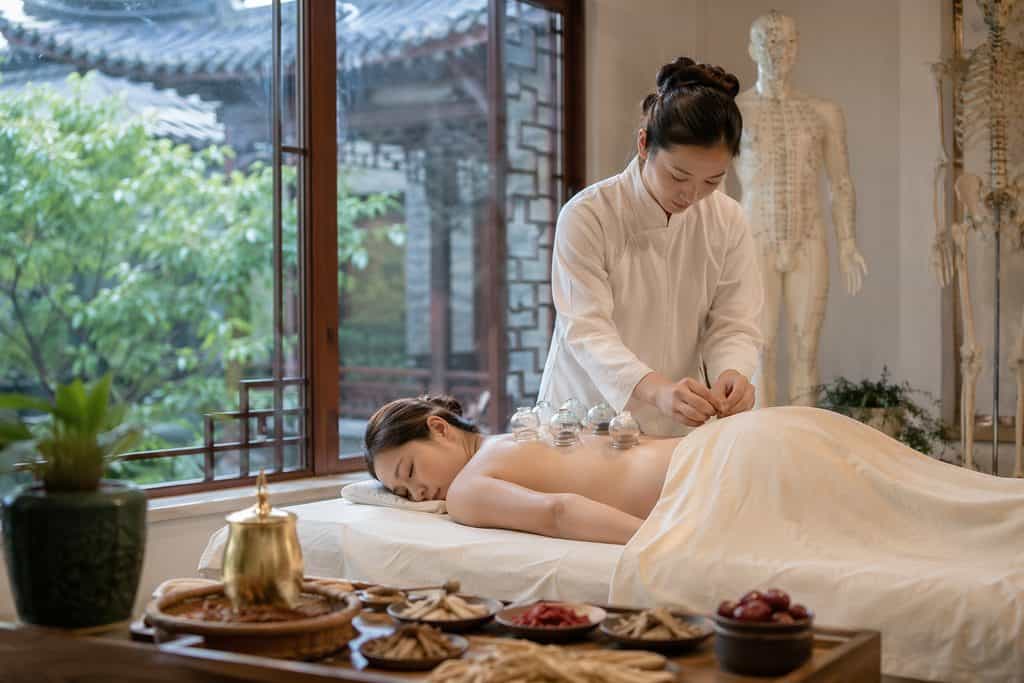
According to a 2023 report from the China Association of Traditional Chinese Medicine, over 300,000 international patients now travel to China annually for TCM-related treatments, with acupuncture accounting for roughly 40% of those visits. A typical acupuncture session in China runs between $30 and $80 at a public hospital, while private international clinics charge $80 to $150. That’s a fraction of what patients pay in the United States, where the same session often costs $75 to $200. But the acupuncture treatment cost in China is only one part of the story. The real question most foreigners ask is: how do I actually navigate a Chinese TCM hospital without speaking the language? That’s where a structured companion service changes the experience entirely.
How This Actually Works, Step by Step
The process starts before you book a flight. You send us your medical history, current symptoms, and any prior acupuncture or TCM records you have. Our team translates those documents into Chinese and forwards them to the TCM department at a hospital that matches your condition. Within three to five business days, you receive a written response outlining whether acupuncture is appropriate for your case, how many sessions the physician recommends, and what the estimated total cost will be.
Once you approve the plan, we handle the logistics. You apply for an S2 visa, which is the correct category for medical treatment and private affairs in China. While your visa processes — typically two to four weeks depending on your home country — we coordinate your appointment schedule with the hospital’s international department or VIP clinic. Public hospital walk-in registration is not realistic for foreigners. The lines are long, the signage is almost entirely in Chinese, and the registration kiosks require a local phone number and payment app. We pre-arrange everything so you arrive with a confirmed appointment.
On your first day, a bilingual medical companion meets you at the hospital entrance. They handle check-in, payment, queue management, and translation during your consultation with the TCM physician. After the session, they explain the doctor’s instructions, help you pick up any prescribed herbal medicine, and confirm your next appointment. If you need multiple sessions over several weeks, the companion stays with you for each visit.
What Acupuncture in a Chinese TCM Hospital Actually Looks Like
Western patients often imagine a dimly lit room with incense and mysterious rituals. The reality at a top-tier Chinese TCM hospital is more clinical. You’ll be treated in a shared treatment room with curtained partitions, or in a private room if you book through the international VIP department. The physician typically combines acupuncture with other modalities — cupping, moxibustion, or tuina massage — depending on your diagnosis. Sessions last 30 to 60 minutes.
Needles are single-use and sterile. China’s National Administration of Traditional Chinese Medicine mandates strict hygiene protocols in public hospitals, and JCI-accredited international clinics follow the same standards as Western facilities. If you’re wondering is acupuncture in China safe for international patients, the short answer is yes, provided you go through a reputable hospital rather than an unlicensed street clinic. We only work with public tertiary hospitals and JCI-accredited private institutions. That filter eliminates the single biggest safety risk: unregulated practitioners.
For patients seeking the best TCM acupuncture hospital Beijing for foreigners, the options cluster around a few well-known institutions. Guang’anmen Hospital, affiliated with the China Academy of Chinese Medical Sciences, is widely regarded as the country’s leading TCM hospital. Beijing University of Chinese Medicine’s affiliated Dongzhimen Hospital is another strong choice. Both have international departments with English-speaking staff. But “best” depends on your condition — a hospital strong in pain management may not be the right fit for digestive disorders. We match you based on the specific department’s reputation, not the hospital’s overall brand.
A Realistic Timeline
Here’s what the actual sequence looks like, including the waiting periods people forget about:
| Stage | What Happens | Duration |
|---|---|---|
| Day 1–3 | You submit medical records and symptom history | 1–3 days |
| Day 4–8 | Document translation and hospital department review | 3–5 business days |
| Day 9–14 | Treatment plan confirmation and cost estimate | 2–5 days |
| Week 3–6 | S2 visa application and processing | 2–4 weeks (varies by country) |
| Week 6–7 | Flight and accommodation booking | 1 week |
| Week 7 | First hospital visit with bilingual companion | 1 day |
| Week 7–10 | Treatment course (typically 6–12 sessions, 2–3 per week) | 2–4 weeks |
| Week 10+ | Follow-up consultation and departure | 1–2 days |
Most patients underestimate the document translation step. Chinese hospitals require complete records before scheduling. If your records are in English, German, Arabic, or French, translation takes time. Rushing this step leads to appointment delays on the ground.
What Can Go Wrong — and What Happens Then
Let’s be direct about the failure points. The most common problem is a mismatch between patient expectations and physician recommendations. A patient arrives expecting acupuncture for chronic back pain, but the TCM physician diagnoses an underlying kidney deficiency pattern and prescribes herbal medicine alongside acupuncture. That’s not a scam — it’s how TCM works. The physician treats the pattern, not just the symptom. If you’re not prepared for that, it feels like a bait-and-switch.
The second issue is language. Even at hospitals with “English-speaking staff,” the actual physician may speak limited English. Your companion translates everything, but nuance gets lost. When the doctor explains that your “qi stagnation” is causing your headaches, that’s a diagnostic framework, not a metaphor. Understanding it requires a translator who knows TCM terminology, not just conversational Chinese.
Third: payment. Public hospitals require prepayment at each visit. International clinics may bill your insurance directly, but public hospitals almost never do. You pay out of pocket and file for reimbursement later. If you run into an unexpected additional treatment — say, the doctor recommends cupping on top of acupuncture — you’ll need to pay on the spot. Our companions carry local payment methods and can front small amounts, which we reconcile in your final invoice.
If an appointment gets cancelled or rescheduled — which happens when a senior physician is called away — we rebook you within 48 hours. If the hospital changes your assigned physician, we explain the new doctor’s credentials and let you decide whether to proceed. We never lock you into a treatment plan you didn’t approve.
How to Evaluate a TCM Provider Before You Commit
Not every acupuncture clinic in China is worth your time. Here’s the filter we use when vetting hospitals for international patients:
- Hospital grade: Public tertiary (Grade 3A) hospitals undergo rigorous evaluation by the National Health Commission. They’re held to higher standards than private clinics without accreditation.
- International department: Does the hospital have a dedicated international or VIP wing? This determines whether you’ll wait 20 minutes or 3 hours.
- Physician credentials: Look for physicians trained at one of China’s top TCM universities — Beijing University of Chinese Medicine, Shanghai University of Traditional Chinese Medicine, Guangzhou University of Chinese Medicine, or Chengdu University of TCM.
- Published research: The strongest TCM departments publish in peer-reviewed journals. If a hospital’s acupuncture department has no research output, that’s a red flag.
- Sterilization protocols: Ask directly about needle disposal and sterilization. A legitimate hospital will answer without hesitation.
If you want to book acupuncture package China with translator, make sure the package specifies what “translator” means. Some agencies send a general interpreter who doesn’t know medical terminology. Others send a trained medical companion. The difference matters when the doctor explains your treatment plan. Ask for the companion’s background before you pay.
On pricing: the traditional Chinese medicine treatment abroad price varies dramatically by city. Beijing and Shanghai run 20–30% higher than Chengdu or Hangzhou. A 10-session acupuncture course at a Beijing public hospital’s international department might cost $600–$1,000. The same course in Chengdu could be $400–$700. Private international clinics like United Family or Jiahui charge $100–$180 per session regardless of city.
Practical Considerations: Visas, Records, and Follow-Up
The visa piece is straightforward but unforgiving. You need an S2 visa for medical treatment in China. Not an M visa — that’s for commercial and trade activities. The S2 application requires an invitation letter from the hospital or a medical treatment confirmation document. We help you obtain that document from the hospital’s international department. Processing times vary: US citizens typically get S2 visas within 5–10 business days, while applicants from some Middle Eastern and African countries wait 3–4 weeks. Apply early.
Bring your complete medical records. Every prior imaging report, blood test, and prescription list. TCM physicians in China take a holistic history and will ask about Western diagnoses. If you’re on blood thinners, say so — acupuncture is contraindicated for patients on certain anticoagulants unless the physician adjusts needle depth and location.
Insurance is another practical hurdle. Some international insurers cover acupuncture in China, but many exclude it or require pre-authorization. Check your policy before booking. If your insurer doesn’t cover TCM, you’re paying out of pocket — which, given the acupuncture treatment cost in China, is often still cheaper than a co-pay in the US.
Follow-up at home is the step most patients skip. Acupuncture effects are cumulative and often temporary. Your physician in China should give you a written maintenance plan — frequency of sessions, herbal prescriptions, dietary recommendations. If you can’t return to China for maintenance sessions, find a licensed acupuncturist at home and share the Chinese physician’s treatment summary with them. A good TCM doctor will write that summary in a way that transfers across borders.
Frequently Asked Questions
A typical 10-session course costs between $400 and $1,500 depending on the hospital tier and city. Public hospital international departments charge less than private international clinics. The acupuncture treatment cost in China excludes visa fees, flights, accommodation, and companion service fees, which add $1,000–$3,000 to the total trip cost.
A bilingual medical companion meets you at the hospital, handles registration and payment, translates during consultations, and explains post-treatment instructions. The companion does not make medical decisions. They’re your interface with the hospital system, not a substitute for the physician. How does TCM companion service work for medical tourists in practice? You arrive, the companion guides you through each step, and you leave with a clear understanding of what happened and what comes next.
Yes, when performed at accredited public tertiary hospitals or JCI-certified international clinics. Sterile single-use needles are standard. The main risks are unlicensed practitioners operating outside the hospital system and patients failing to disclose anticoagulant use. Both are avoidable with proper vetting.
Yes. Our coordinated packages include hospital appointments, bilingual companion service, and logistics support. The companion fee starts at $300 per day. Package pricing varies by hospital and case complexity. We provide a detailed quote before you commit to anything.
Beijing has the highest concentration of top-tier TCM hospitals and the most experienced international departments. Shanghai and Guangzhou are close behind. Chengdu offers lower costs with strong TCM training programs. The right city depends on your condition and budget, not a universal ranking.
Your Next Step
Acupuncture in China works best when you arrive with a plan. That means records translated, appointments confirmed, and a companion who knows the hospital system. We handle that coordination. We don’t practice medicine, and we never promise specific outcomes. What we do is remove the friction — the language barrier, the registration chaos, the uncertainty about where to go and who to see.
If you’re considering acupuncture in China, start with a conversation. Tell us your condition and goals. We’ll tell you honestly whether China is the right choice for you, and what a realistic treatment plan looks like. Request a free consultation — no commitment, just clarity.
China’s TCM hospitals offer world-class acupuncture at a fraction of Western prices. The challenge isn’t the medicine. It’s the system around it. That’s what we’re here for.
For more medical information and treatment options in China, visit chinamedservices.com (China Medical Services).
