Is Acupuncture Safe in China? Safety Data, Real Costs, and How to Choose a Trusted Clinic
How This Actually Works, Step by Step
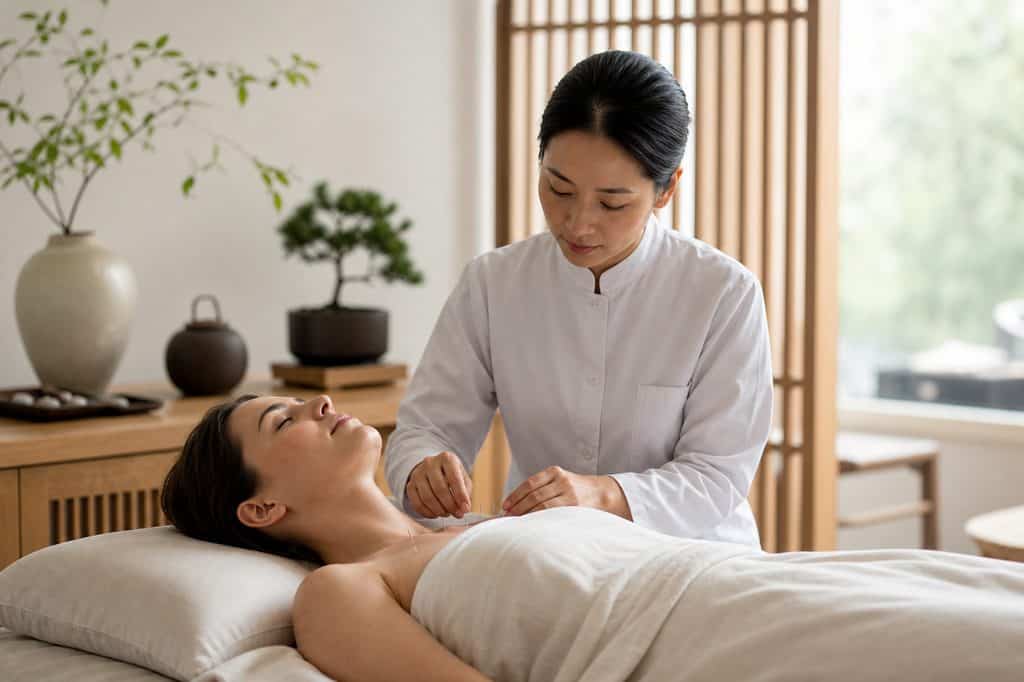
Acupuncture involves inserting very thin, sterile, single-use needles into specific points on the body to relieve pain, reduce inflammation, or support recovery. In China, it is a regulated medical procedure, not a spa treatment. That distinction matters when you are asking whether it is safe.
If you are considering treatment, the sequence usually looks like this:
You contact a hospital or a service coordinator. You send your basic medical history, current symptoms, and any imaging or lab reports you already have. A TCM physician reviews your case. They either recommend a consultation or tell you acupuncture is not appropriate for your condition. If you proceed, you schedule a session. On the day, the physician examines you, explains the point selection, and performs the needling. A typical session lasts 30 to 45 minutes. You may need 6 to 10 sessions over several weeks for chronic issues.
For international patients, the practical steps include visa planning, choosing between a public TCM hospital and a private international clinic, and arranging translation if needed. We will cover those details later.
Is Acupuncture Safe in China? What the Regulatory Framework Actually Says
The short answer is yes, when performed by licensed practitioners in regulated facilities. Acupuncture has been practiced in China for over 2,000 years, but modern practice is not folklore. It sits inside a formal regulatory system.
Practitioners must hold a license issued by the National Administration of Traditional Chinese Medicine or a provincial health authority. Needles are single-use, sterile, and disposed of as medical waste. Hospitals follow infection-control protocols similar to those for minor surgical procedures. The main risks — bruising, minor bleeding, temporary soreness — are the same as anywhere else in the world. Serious complications, such as pneumothorax from needling too deep near the lungs, are rare and almost always linked to unlicensed or poorly trained operators.
So the real question is not “is acupuncture safe in China” in the abstract. It is “how do you find the practitioners who meet the standard.” The answer is to use top-tier public TCM hospitals or JCI-accredited private clinics, not street-side shops. Our database of 340+ top-ranked hospitals includes TCM institutions where foreign patients are treated routinely.
Acupuncture Cost in China: Real Numbers for International Patients
Cost is a major reason patients consider China. The numbers are genuinely lower than in the United States, the UK, or Australia, but they vary by hospital tier and city.
At a public TCM hospital in a city like Chengdu or Wuhan, a single acupuncture session for a foreign patient through the international department typically costs between $30 and $80. In Beijing or Shanghai, expect $50 to $120 per session at a top public hospital. Private international clinics, such as United Family or Parkway, charge $100 to $200 per session because they include English-speaking staff and direct insurance billing.
Here is a realistic comparison:
| Setting | Typical Cost per Session (USD) | Notes |
|---|---|---|
| Public TCM hospital, tier-2 city | $30–$80 | Chinese-speaking environment; bilingual companion recommended |
| Public TCM hospital, Beijing/Shanghai | $50–$120 | Top specialists; international department available |
| Private international clinic | $100–$200 | English-speaking staff; insurance direct billing |
| US average (for reference) | $75–$150 | Often not covered by insurance |
Some hospitals offer acupuncture treatment packages China patients can book for 5 to 10 sessions. A package of 10 sessions at a public TCM hospital might run $400 to $900 depending on the physician’s seniority and the complexity of the condition. Always confirm whether the package includes the initial consultation fee or only the needling sessions. Prices vary by hospital and case complexity, and any written quote should come from the hospital’s international office, not a third party.
A Realistic Timeline
Planning matters more than most patients expect. Here is what a typical timeline looks like for a foreign patient seeking acupuncture in China.
| Stage | Duration | What Happens |
|---|---|---|
| Records preparation | 3–7 days | Collect medical history, imaging reports, current medication list; translate key documents into English or Chinese |
| Hospital matching and scheduling | 5–14 days | Confirm which TCM department fits your condition; get an appointment slot at the international department |
| Visa processing (S2) | 1–4 weeks | Apply for an S2 visa with a letter from the hospital confirming your treatment purpose |
| Arrival and first consultation | Day 1–2 | In-person evaluation; physician confirms diagnosis and sets treatment frequency |
| Treatment course | 2–6 weeks | Typically 2–3 sessions per week for chronic pain or recovery support |
| Follow-up at home | Ongoing | Written summary in English; video follow-up if needed |
People forget the document translation step. It slows everything down. If your records are in Arabic, Russian, or French, budget an extra week. And S2 visa processing times vary by embassy — some issue in a week, others take a month. Do not book flights before the visa is approved.
What Can Go Wrong — and What Happens Then
Acupuncture is low-risk, but it is not zero-risk. Bruising at the needle site is common and harmless. Mild dizziness after a session happens in perhaps 1 in 50 patients, usually because they arrived on an empty stomach. The practitioner will have you rest for 10 minutes and may offer water or glucose.
A more serious concern is infection. In a regulated hospital, the risk is extremely low because needles are single-use. But if you choose an unlicensed clinic — and they exist, especially in tourist areas — you are gambling. Hepatitis B transmission through reused needles has been documented historically, though current regulations have largely eliminated this in accredited facilities.
What if you do not speak Chinese and something feels wrong mid-session? At a public hospital, the physician may not speak English. That is where a bilingual companion changes the experience. They can explain your symptoms before the session and relay any discomfort during it. You are never alone in the room with an unexplained procedure.
If a practitioner cannot show you their license, or the clinic reuses needles, leave. No negotiation. The recourse is simple: choose a different facility. Our TCM hospital directory lists only regulated institutions, not independent storefronts.
How Safe Is Acupuncture in China Compared to Other Countries?
Here is a perspective most Western patients do not have. The volume of acupuncture performed in China is enormous. A single large TCM hospital in Beijing may perform thousands of acupuncture sessions per week. That repetition builds practitioner experience at a scale that simply does not exist in the US or Europe.
But volume cuts both ways. High patient throughput at public hospitals means shorter consultation times. A physician might spend 10 minutes with you before needling, whereas a private clinic in Shanghai might spend 30. If you want more explanation, book through an international department or a private clinic. The safety profile is similar across both; the communication quality is not.
And if you are asking “is acupuncture safe in Beijing” specifically, the answer is yes — Beijing has the highest concentration of top-tier TCM hospitals in the country, including institutions affiliated with Beijing University of Chinese Medicine. Shanghai is comparable. The difference is that Beijing’s top hospitals are busier, while Shanghai’s private international clinics are more numerous and more accustomed to foreign patients.
Practical Considerations: Records, Visa, Payment, and Language
Bring your medical records. Even for acupuncture, the physician will want to know your full history — especially if you are on blood thinners, have a pacemaker, or are pregnant. Acupuncture is generally safe during pregnancy when performed by a trained specialist, but certain points are avoided. Disclose everything.
Visa category: for medical treatment, you apply for an S2 visa with a supporting letter from the hospital. Family members accompanying you also apply for S2. The M visa is for commercial and trade activities and is not appropriate for medical travel. Processing requirements change, so always check with the Chinese embassy or consulate in your country before applying.
Payment at public hospitals is prepaid — you load a hospital card with funds and each session deducts from it. Insurance is usually reimbursement-based, meaning you pay first and claim later. Private international clinics often bill your insurer directly. Confirm before you book.
Language is the biggest practical barrier. Most TCM physicians in public hospitals do not speak English. A bilingual medical companion can handle registration, payment, translation during the consultation, and follow-up instructions. This is not a luxury; it is the difference between a smooth treatment course and a stressful one.
Frequently Asked Questions
You can, but you need the right setup. Choose a hospital international department or a JCI-accredited private clinic. Use a bilingual companion for translation. Avoid walk-in clinics where no one can explain the procedure in a language you understand.
For a regulated public TCM hospital in Shanghai, expect $50 to $120 per session. For a private international clinic, expect $100 to $200. The higher price buys English-speaking staff, longer consultation times, and direct insurance billing. Both are safe; the difference is service level.
Some plans cover acupuncture, especially if it is prescribed for chronic pain. Public hospitals require you to pay upfront and submit a claim. Private international clinics often have direct billing agreements with major insurers like Cigna, Aetna, and Allianz. Check your policy’s fine print before booking.
For acute pain, 3 to 5 sessions may be enough. For chronic conditions like migraine, lower back pain, or post-stroke recovery, expect 6 to 12 sessions over 4 to 8 weeks. A reputable physician will tell you if you are not responding after the first few sessions rather than selling you an endless package.
Tell the physician before your first session. Acupuncture can still be performed, but the practitioner will use fewer needles, avoid certain points, and may adjust your position to reduce bruising risk. If your condition is severe, they may recommend against acupuncture entirely.
Your Next Step
Acupuncture in China is safe when you choose a licensed practitioner in a regulated hospital or clinic. The cost is a fraction of Western prices, and the clinical experience is unmatched in volume. The challenge is not the medicine — it is the logistics: finding the right department, handling the language gap, and getting your records in order.
That is what we do. China Medical Services connects international patients with top-tier hospitals across 37 cities. We do not perform medical procedures and we do not promise clinical outcomes. We handle hospital matching, appointment coordination, and bilingual support so you can focus on treatment. If you are considering acupuncture in China, start with a free consultation to discuss your condition and the options that fit your budget and timeline.
For more medical information and treatment options in China, visit chinamedservices.com (China Medical Services).
