Can Blepharoplasty Fix Droopy Eyelids? Costs, Recovery, and Top Chinese Hospitals
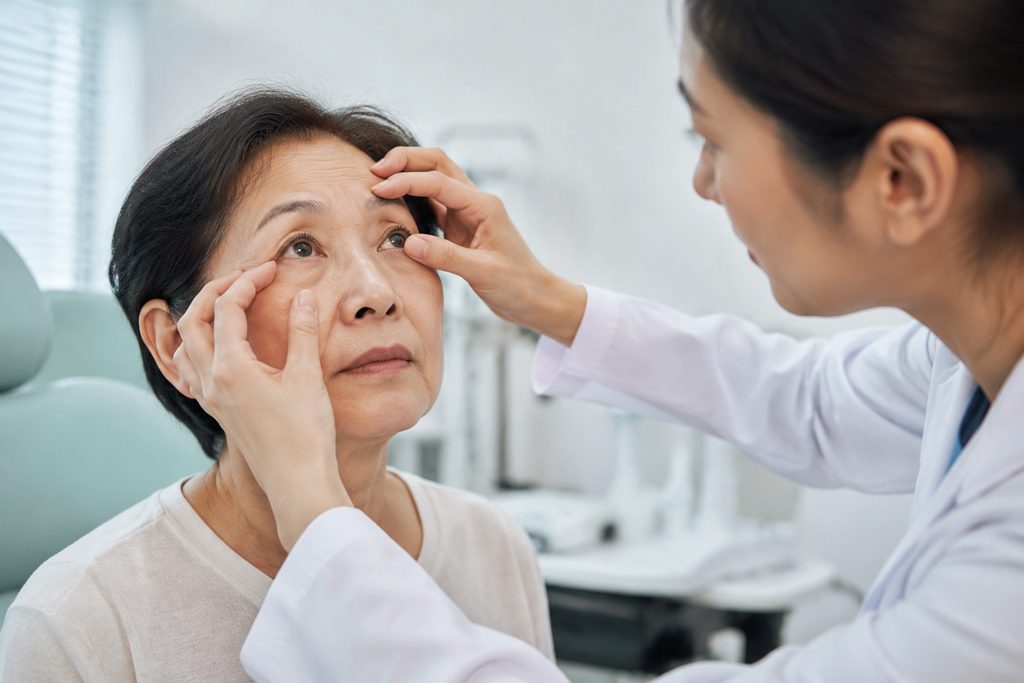
Can Blepharoplasty Fix Droopy Eyelids? Understanding Ptosis Repair and Blepharoplasty Cost China
While a functional upper blepharoplasty in the United States averages $4,200 per eye and often requires 6–9 months of insurance navigation, the same procedure at a Fudan-ranked Chinese hospital typically runs $1,800–$4,500 total — with board-certified oculoplastic surgeons performing 4–6 times the annual case volume of their Western counterparts. The blepharoplasty cost China offers is not a discount for lesser care. It reflects structural economics we will break down precisely.
Droopy eyelids affect approximately 11.5% of adults over 50, and the causes split into two distinct categories that determine whether blepharoplasty alone solves your problem. Understanding that distinction before you book anything matters more than any price comparison.
Key Takeaways
- Blepharoplasty removes excess skin and fat; ptosis repair reattaches the levator muscle — and many patients need both, which changes the cost and the surgeon you should choose.
- Top Chinese oculoplastic surgeons at hospitals like Peking Union Medical College Hospital and Zhongshan Ophthalmic Center perform 300–600 eyelid procedures annually, compared to roughly 80–120 for a typical US oculoplastic specialist.
- Public hospital outpatient clinics in China cannot be pre-booked from overseas — surgery requires an in-person consultation first, and only the international/VIP departments allow advance scheduling.
- Recovery follows a predictable arc: bruising peaks at day 3, sutures come out at day 5–7, and most patients resume normal social activity by week 3 — but full scar maturation takes 6–12 months.
The Problem: Droopy Eyelids Are Not One Condition — And Treating the Wrong One Fails
A 2023 study in Ophthalmic Plastic and Reconstructive Surgery found that 23% of patients referred for cosmetic upper blepharoplasty actually had undiagnosed ptosis — a drooping eyelid margin caused by levator muscle dysfunction, not excess skin. When those patients received skin-only blepharoplasty, satisfaction rates dropped by half within two years.
That distinction drives everything. Dermatochalasis means you have too much eyelid skin. The skin hangs over the lash line, but the eyelid margin itself sits in a normal position. Blepharoplasty fixes this directly — excise the redundant skin, maybe reposition a little fat, done.
Ptosis is different. The muscle that lifts your eyelid has stretched or detached. The eyelid margin sits too low, sometimes covering the pupil. Blepharoplasty alone will not fix this. You need ptosis repair — levator advancement, Müller muscle resection, or frontalis sling for severe cases. And here is the critical clinical point: many patients have both conditions simultaneously. The surgeon must address both in one operation, or the result disappoints.
So can blepharoplasty fix ptosis? Only if the procedure includes ptosis repair. A skin-only blepharoplasty cannot correct a muscle problem. This is the single most important question to ask any surgeon before booking.
Why Chinese Oculoplastic Centers Deliver Strong Results for Droopy Eyelid Surgery
Clinical Volume Creates Pattern Recognition
Volume is not a marketing metric. It is the mechanism by which surgeons learn to handle anatomical variation. A typical US oculoplastic surgeon completes a fellowship and then performs perhaps 80–120 eyelid procedures per year. At Zhongshan Ophthalmic Center in Guangzhou — the largest eye hospital in China — the oculoplastic department handles over 8,000 eyelid surgeries annually across its team. Individual senior surgeons routinely log 300–600 cases per year.
That repetition matters most in revision cases and asymmetric ptosis. When a surgeon has seen 400 levator muscles in the past 12 months, the range of anatomical presentation they have encountered dwarfs what a lower-volume Western surgeon sees in five years.
Integrated Oculoplastic Training, Not Fragmented Care
Chinese ophthalmology residency programs include mandatory rotation through oculoplastics, strabismus, and orbital surgery. The surgeons performing your blepharoplasty at a top-tier Chinese hospital are ophthalmologists first — not general plastic surgeons who added eyelid surgery to a broader cosmetic practice. For ptosis specifically, this distinction is clinically meaningful. Ptosis repair intersects with visual field testing, corneal health, and tear film dynamics. An ophthalmology-trained surgeon evaluates all of these before operating.
At Peking Union Medical College Hospital (PUMCH) in Beijing, the ophthalmology department runs a dedicated oculoplastic unit where ptosis patients receive preoperative visual field testing and margin-reflex distance measurements as standard protocol. That is the same workup you would receive at Bascom Palmer or Moorfields — at a fraction of the cost.
Blepharoplasty Cost China: Structural Economics, Not Quality Discounts
The blepharoplasty cost China presents is not a bargain-bin price. It reflects three structural realities. First, Chinese hospital systems operate at enormous scale — a top-tier public hospital may see 10,000 outpatient visits daily, spreading fixed costs across vastly more procedures. Second, physician compensation in China is fundamentally different from the US fee-for-service model. Third, supply chains for sutures, instruments, and operating room consumables are shorter and less marked-up.
Here is what that means in concrete numbers, comparing typical all-in costs for upper blepharoplasty with ptosis repair:
| Procedure Component | United States (USD) | China Top Public Hospital (USD) | China International/VIP Department (USD) |
|---|---|---|---|
| Surgeon fee | $2,800–$4,500 | $600–$1,200 | $1,500–$2,800 |
| Anesthesia (local + sedation) | $800–$1,500 | $150–$400 | $400–$800 |
| Operating room & facility | $1,200–$2,200 | $300–$700 | $700–$1,400 |
| Pre-op testing (visual field, photos, labs) | $500–$900 | $80–$200 | $150–$350 |
| Post-op visits (3 follow-ups) | $450–$800 | $60–$150 | $150–$300 |
| Total estimated range | $5,750–$9,900 | $1,190–$2,650 | $2,900–$5,650 |
Droopy eyelid surgery price Shanghai runs slightly higher than Beijing or Guangzhou due to demand concentration at hospitals like Shanghai Ninth People’s Hospital, which operates one of China’s largest oculoplastic departments. Expect Shanghai pricing at the upper end of the public hospital range above, typically $2,200–$3,500 for combined blepharoplasty and ptosis repair. All figures vary by hospital and case complexity.
How Droopy Eyelid Surgery Actually Works: The Step-by-Step Process in China
Understanding the sequence prevents surprises. Here is the real workflow for an international patient seeking eyelid surgery at a Chinese public hospital’s international department.
Step 1: Remote evaluation. Before you travel, the hospital’s international office reviews your photos and medical history. For ptosis cases, they will ask for a visual field test from your home ophthalmologist and photos looking straight ahead, up, and down. This remote triage determines whether you are a candidate for the surgery and which surgeon fits your case. Written second opinions from top Chinese oculoplastic specialists run $300–$500 through coordination services, and many patients find this step alone worth the cost — it tells you definitively whether you need ptosis repair, blepharoplasty, or both.
Step 2: In-person consultation. Chinese public hospitals require a face-to-face consultation before scheduling surgery. No exceptions — this is hospital policy across the board. The surgeon measures your margin-reflex distance, levator function, and skin redundancy. They will photograph your eyes and run a visual field test if you have not brought one. This consultation typically happens 1–3 days before surgery if you are traveling on a coordinated schedule.
Step 3: Surgery. Upper blepharoplasty with ptosis repair takes 60–90 minutes under local anesthesia with light sedation. You are awake but comfortable. The surgeon makes an incision in the natural crease, removes or repositions tissue, and — for ptosis — advances the levator aponeurosis or resects Müller muscle. Sutures are typically 6-0 or 7-0 nylon or prolene, removed at day 5–7.
Step 4: Immediate recovery in China. Most international patients stay 7–10 days after surgery. That covers suture removal, two follow-up visits, and the period when bruising is most visible. You do not want to fly home with fresh sutures and peak swelling.
Step 5: Long-term follow-up. Your home ophthalmologist handles ongoing care. Chinese surgeons typically provide a written discharge summary with photos and surgical notes in English, specifically for this purpose. Video follow-up at 1 month and 3 months is standard through the international department.
Recovery Timeline: What to Expect Week by Week After Eyelid Surgery
How long is recovery from eyelid surgery? The honest answer is that functional recovery is fast, but aesthetic recovery is slower than most patients expect. Here is the timeline based on standard healing physiology and what Chinese oculoplastic teams tell their international patients.
Days 1–3: Swelling and bruising peak. Your eyelids will look worse before they look better. Cold compresses — 15 minutes on, 15 minutes off — reduce edema. Sleep with your head elevated at 30–45 degrees. Vision may be slightly blurry from ointment and swelling. You will feel tightness, not sharp pain. Most patients need only acetaminophen.
Days 4–7: Bruising starts fading from purple to yellow-green. Sutures come out on day 5–7. Once sutures are removed, swelling drops noticeably within 48 hours. You can read, use screens, and walk around normally. No strenuous exercise, no bending over, no heavy lifting.
Weeks 2–3: Bruising is largely gone. Residual swelling makes the crease look slightly high or asymmetric — this is normal and temporary. Most patients return to work and social activities at week 2–3, often with light makeup to cover any remaining discoloration. Scar begins flattening.
Months 1–3: The scar is pink and slightly raised. This is the remodeling phase. Silicone gel or scar cream helps. Eyelid position settles — if ptosis repair was performed, the final lid height typically stabilizes around month 2–3. Asymmetry of up to 1mm is considered clinically excellent.
Months 6–12: Scar matures to a fine, pale line hidden in the natural crease. This is the final aesthetic result. If revision is needed for asymmetry or undercorrection, most surgeons prefer to wait until at least month 6.
Practical tip: Book your return flight no earlier than day 8 after surgery. Suture removal happens day 5–7, and you want one follow-up after sutures are out. If you fly home too early, you will need a local ophthalmologist to remove sutures — and many will not touch another surgeon’s work.
Choosing the Right Surgeon for Droopy Eyelids: What Actually Matters
The best eye plastic surgeon Beijing for droopy eyelids is not a single name — it is a profile you should look for. Here is what separates competent ptosis surgeons from cosmetic blepharoplasty mills, in China or anywhere else.
Ophthalmology board certification first, plastic surgery second. For ptosis specifically, your surgeon should be an ophthalmologist with oculoplastic fellowship training. In China, this means training at a major eye center — Zhongshan Ophthalmic Center in Guangzhou, Beijing Tongren Hospital, or the Eye & ENT Hospital of Fudan University in Shanghai. These institutions train the surgeons who then staff the oculoplastic units at top general hospitals.
Ask about their ptosis volume, not their blepharoplasty volume. Any cosmetic surgeon can do skin-only blepharoplasty. Ptosis repair is a different skill. Ask directly: “How many levator advancement procedures have you performed in the past 12 months?” A competent answer is 50 or more. A top Chinese oculoplastic surgeon will answer 150–400.
Demand a preoperative visual field test. If a surgeon offers to fix your ptosis without measuring your visual field or documenting margin-reflex distance, walk away. That test establishes the functional severity of your ptosis and is medically necessary documentation — not optional.
Understand the revision rate honestly. Even excellent ptosis surgeons have a revision rate of 5–10%. The question is not whether revisions happen — it is how the surgeon handles them. Ask about their policy on undercorrection or asymmetry revision. Most Chinese international departments include one revision within 12 months at reduced or no surgeon fee.
For patients considering a coordinated package, book eyelid lift surgery China package options typically include hospital coordination, bilingual accompaniment, and logistics support — but you should understand that the package coordinates access and communication. It does not change the clinical protocol. The surgeon still requires an in-person consultation before scheduling surgery.
Practical Considerations: Documentation, Visa, and Payment for Eyelid Surgery in China
If you are traveling from abroad for droopy eyelid surgery, three practical matters need attention before you book anything.
Medical documentation. Bring your complete ophthalmology records: visual field test results from the past 6 months, any prior eyelid surgery notes, current medication list (especially blood thinners — you must stop aspirin, warfarin, and certain supplements 7–14 days before surgery), and photos of your eyes in neutral gaze. For ptosis cases, bring your eyeglass prescription and any history of dry eye or corneal issues. These records determine surgical planning.
Visa category. Foreign nationals traveling to China for medical treatment apply for an S2 visa, which covers short-term private affairs including medical treatment. Your supporting documents should include the hospital’s invitation letter or treatment confirmation from the international department. S2 is the correct category — M visas are for commercial and trade activities and are not appropriate for medical travel. Processing typically takes 4–10 business days depending on your home country’s Chinese embassy or consulate. Requirements change, so verify with the specific consulate handling your application.
Payment reality. Chinese public hospitals require prepayment before surgery. The international department will quote you a package price covering surgeon fee, anesthesia, operating room, and basic post-op care. You pay this upfront — typically by bank transfer or international credit card through the hospital’s international billing office. Insurance reimbursement works on a pay-and-claim basis: you pay the hospital, then submit itemized receipts to your insurer. Most Western insurers do not have direct billing arrangements with Chinese public hospitals. Some private international hospitals in China — like United Family or Jiahui — do offer direct insurance billing, but their surgical fees run 1.5–2 times public hospital international department rates.
For a broader look at how international patients navigate the Chinese hospital system, our guide to top-ranked Chinese hospitals explains the Fudan ranking system and what “Top 100” actually means. If you are weighing public versus private options, the private international hospital comparison covers JCI accreditation and direct billing differences.
Frequently Asked Questions
Skin-only blepharoplasty cannot fix ptosis. Ptosis is a muscle problem — the levator muscle that lifts your eyelid has stretched or detached. If your eyelid margin sits low and covers part of your pupil, you need ptosis repair, which reattaches or tightens that muscle. Many patients need both procedures in one operation: blepharoplasty for excess skin and ptosis repair for the muscle. A competent oculoplastic surgeon determines this during your in-person consultation with margin-reflex distance measurements.
What is the realistic total cost for droopy eyelid surgery in Shanghai?
Droopy eyelid surgery price Shanghai for combined upper blepharoplasty and ptosis repair typically runs $2,200–$3,500 at a top public hospital’s international department. That includes surgeon fee, anesthesia, operating room, pre-op
For more medical information and treatment options in China, visit chinamedservices.com (China Medical Services).
