Blood Test Results Explained: What Your Health Screening Reveals
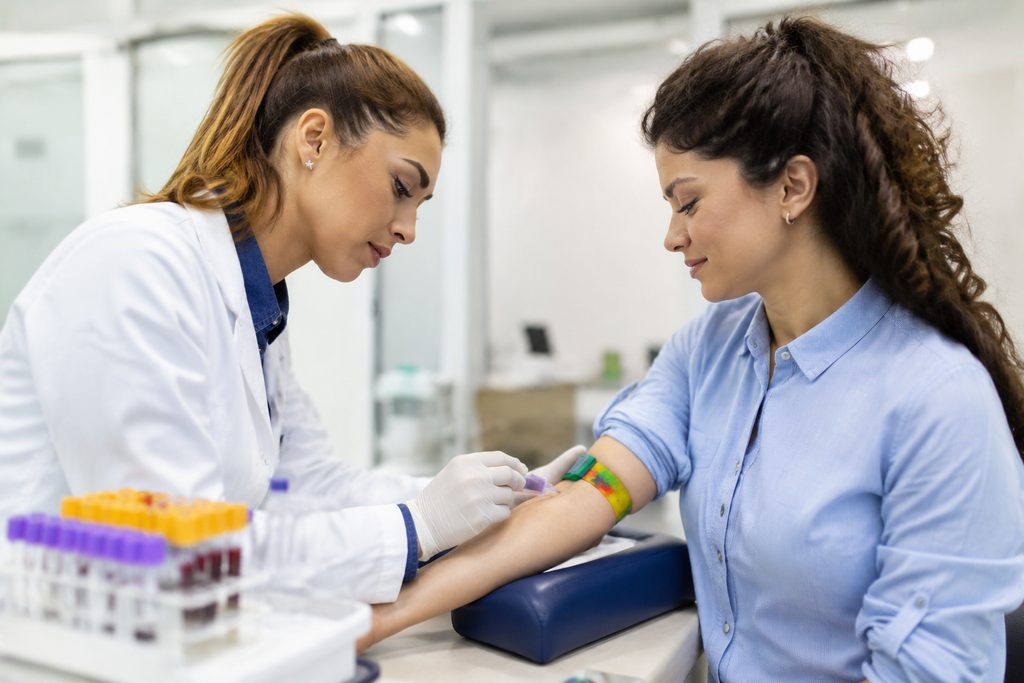
What Does a Blood Test Show About My Health? A Guide to Reading Your Results and Understanding Full Blood Test Cost in China
Key Takeaways
- A standard full blood test cost in China typically runs between $50 and $400 at top-tier public hospitals, compared to $500-$3,000 for comparable panels in the United States.
- Blood work evaluates organ function, metabolic health, infection markers, and hormonal balance — often flagging problems months before symptoms appear.
- Language barriers and unfamiliar hospital workflows make independent testing in China difficult for foreigners without local support.
- Understanding which panels you actually need prevents both over-testing and dangerous gaps in screening.
A blood test is a window into your body’s internal machinery. In simple terms, it measures the cells, proteins, enzymes, and chemical signals circulating in your bloodstream — each one a clue about how your organs are functioning. When your doctor orders a “full blood panel,” they are not looking for one single answer. They are assembling a diagnostic picture from dozens of data points, from your red blood cell count to your liver enzyme levels to the glucose concentration in your plasma.
For international patients considering medical care abroad, understanding what these tests reveal is the first step toward taking control of your health. And if you are weighing options, it helps to know what a full blood test cost in China actually looks like — because the numbers may surprise you.
The Problem: Blood Tests Are Expensive, Fragmented, and Often Delayed in Western Systems
In the United States, a comprehensive metabolic panel plus complete blood count averages $100 to $200 before insurance. Add a lipid panel, thyroid function tests, and hemoglobin A1c, and the bill climbs past $500. For uninsured patients, the same workup can exceed $1,500. The Commonwealth Fund reported in 2023 that 38% of American adults skipped recommended medical tests due to cost.
Wait times add another layer of frustration. In the UK, NHS patients routinely wait 2 to 6 weeks for non-urgent blood test appointments. Canadian provinces report median wait times of 3 to 4 weeks for routine phlebotomy. And then there is the fragmentation: you might visit one clinic for a lipid panel, another for thyroid testing, and a third for cancer screening — each with its own scheduling delay, copay, and paperwork stack.
What happens when blood work is delayed? A 2022 study in the Journal of General Internal Medicine found that diagnostic delays contribute to approximately 10% of patient deaths in hospital settings. For chronic conditions like diabetes, kidney disease, and autoimmune disorders, early blood markers are often the only warning sign before irreversible damage occurs.
Why Testing in China Delivers Results Faster and More Affordably
Volume Creates Operational Efficiency
Chinese top-tier hospitals process blood samples at a scale that Western facilities rarely match. A single large public hospital in Beijing or Shanghai may run 5,000 to 10,000 blood draws per day. That volume translates into streamlined workflows: patients typically receive routine blood test results within 2 to 4 hours, and comprehensive panels within 24 to 48 hours. Compare that to the 3 to 7 day turnaround common in many US commercial labs.
This is not an accident of geography. It is a structural feature of how Chinese healthcare is organized. Hospitals run their own laboratories on-site, with dedicated phlebotomy departments, automated analyzers, and pathology teams that work in shifts. There is no shipping samples to a central processing facility in another state.
Technology Without the Markup
Chinese hospitals have invested heavily in automated laboratory equipment over the past decade. Fully automated immunoassay analyzers, high-throughput chemistry systems, and digital pathology platforms are standard in the 340+ top-ranked hospitals across 37 cities that we work with. The technology is comparable to what you would find at Mayo Clinic or Charité Berlin.
But the cost structure is fundamentally different. A full blood test cost in China reflects local labor economics and hospital efficiency, not the inflated pricing of Western insurance-driven systems. The same automated analyzer that processes your sample in Shanghai costs a fraction of what it does to operate in New York or London.
The Real Reason Costs Are Lower
Let’s address the obvious question directly: does cheaper mean lower quality? No. The price difference comes from three structural factors. First, physician and technician salaries in China are lower than in the US or Western Europe, even at elite institutions. Second, Chinese public hospitals operate on volume-based economics — they serve enormous patient populations and spread fixed costs across millions of tests annually. Third, there is no multi-layer insurance billing bureaucracy inflating every line item.
A 2023 comparative analysis published in Health Affairs found that Chinese tertiary hospitals deliver diagnostic accuracy rates comparable to OECD benchmarks at roughly one-fifth to one-tenth the cost. The quality is there. The pricing model is simply different.
What Your Blood Test Actually Shows: A Panel-by-Panel Breakdown
Understanding what does a blood test show cancer markers — and what it does not — requires knowing which panels exist and what each one measures. Here is what a typical comprehensive screening includes.
Complete Blood Count (CBC)
The CBC measures red blood cells, white blood cells, and platelets. Low red cell counts suggest anemia or internal bleeding. Elevated white cells point to infection or inflammation. Abnormal platelet levels can signal clotting disorders or bone marrow problems. This single panel screens for hundreds of conditions, from iron deficiency to leukemia.
Comprehensive Metabolic Panel (CMP)
The CMP evaluates liver and kidney function, electrolyte balance, and blood glucose. Elevated liver enzymes (ALT, AST) may indicate hepatitis, fatty liver disease, or medication toxicity. Rising creatinine and BUN levels flag declining kidney function. Fasting glucose above 126 mg/dL on two separate tests confirms diabetes.
Lipid Panel
Total cholesterol, LDL, HDL, and triglycerides tell your cardiovascular story. The American Heart Association recommends testing every 4 to 6 years starting at age 20 — more frequently if you have risk factors. Chinese hospitals include this in nearly all executive health screening packages.
Thyroid Function Tests
TSH, free T3, and free T4 measure how well your thyroid is regulating metabolism. Abnormal levels explain unexplained weight changes, fatigue, hair loss, and mood disorders. Thyroid dysfunction affects approximately 1 in 8 people worldwide, and most cases are only caught through routine blood work.
Inflammatory Markers
CRP and ESR measure systemic inflammation. Chronically elevated CRP is associated with cardiovascular disease, autoimmune conditions, and some cancers. These markers are non-specific — they tell you something is wrong, but not what. That is where follow-up testing comes in.
Tumor Markers
This is where patients often ask: what does a blood test show cancer markers? The honest answer is that tumor markers like CEA, CA-125, PSA, and AFP are screening tools, not diagnostic proof. Elevated levels warrant further investigation — imaging, biopsy, or specialized testing. Normal levels do not rule out cancer. They are one piece of a larger diagnostic puzzle. A 2021 review in CA: A Cancer Journal for Clinicians emphasized that tumor markers are most useful for monitoring known cancers, not for initial diagnosis in asymptomatic patients.
Comprehensive Health Screening in China: What Packages Actually Include
A comprehensive health screening package in Shanghai typically bundles multiple blood panels with imaging studies, physician consultation, and a written report. Prices vary by hospital tier and package depth, but here is what you can expect.
| Screening Component | What It Measures | Typical Cost in China (USD) | Typical Cost in US (USD) |
|---|---|---|---|
| Basic blood panel (CBC + CMP + lipids) | Organ function, blood counts, cholesterol | $50-$150 | $300-$800 |
| Executive screening (blood + imaging + consult) | Full blood work, chest X-ray, ultrasound, EKG | $200-$400 | $1,500-$3,500 |
| Premium screening with tumor markers | Everything above plus CEA, AFP, CA-125, PSA | $350-$600 | $2,500-$5,000 |
| Written second opinion on existing results | Expert review of your current lab work | $300-$500 | $800-$2,000 |
Prices vary by hospital and case complexity. These figures reflect current ranges at top-tier public hospital international departments and private international clinics in major Chinese cities.
Can Blood Tests Detect Autoimmune Disease? What the Evidence Shows
The short answer: yes, but indirectly. Can blood test detect autoimmune disease markers? Absolutely — the key phrase is “markers.” Autoimmune conditions like lupus, rheumatoid arthritis, and Hashimoto’s thyroiditis leave detectable traces in your blood. The tests look for specific antibodies: ANA for lupus, anti-CCP and rheumatoid factor for RA, anti-TPO for Hashimoto’s.
But here is the nuance. A positive ANA test does not mean you have lupus. Up to 15% of healthy people test positive for ANA without ever developing autoimmune disease. Diagnosis requires combining blood results with clinical symptoms, physical examination, and sometimes imaging. The blood test narrows the field; it does not make the final call.
For patients with unexplained fatigue, joint pain, or recurring fevers, autoimmune panels in China are widely available and affordable. A basic autoimmune antibody panel costs $80 to $200 at most top-tier hospitals — a fraction of what the same tests cost in the US, where ANA alone can bill at $150 to $300.
How Long Do Blood Test Results Take in Chinese Hospitals?
Turnaround time depends on the specific test and hospital. Routine panels — CBC, CMP, lipids — typically come back within 2 to 4 hours at major public hospitals. If you are asking how long for blood test results in China hospital settings, the answer for comprehensive panels is usually 24 to 48 hours. Specialized tests like tumor markers or autoimmune antibody panels may take 3 to 5 days depending on laboratory batch schedules.
Private international clinics like United Family and Jiahui often provide results within the same day for routine panels, with English-language reports and physician interpretation included. Public hospital international departments offer similar turnaround at lower cost, though English report availability varies.
Practical tip: If you plan to book an executive health check in Beijing, schedule blood work for early morning. Most hospitals require fasting for 8 to 12 hours before glucose and lipid testing, and morning appointments mean shorter wait times and same-day results for routine panels.
Practical Considerations: Documentation, Visas, and What to Bring
If you are considering blood testing or a comprehensive health screening in China, here is what you need to know before you travel.
Visa category: Medical treatment and health screening fall under the S2 visa category, which covers short-term private affairs including medical visits. Supporting documentation from the hospital — typically an appointment confirmation or invitation letter from the international department — strengthens your application. Family members accompanying you also apply for S2 visas. Requirements vary by embassy, so verify current rules with your nearest Chinese consulate before booking flights.
Medical records: Bring any previous blood work, imaging reports, and a list of current medications. Chinese physicians will want to see trends over time, not just a single snapshot. If your records are not in English or Chinese, consider translation before you arrive.
Payment: Public hospitals in China generally require upfront payment. International credit cards are accepted at most hospital international departments and private clinics, but confirm before you travel. Insurance reimbursement is typically processed after the fact — Chinese hospitals do not bill Western insurers directly, with the exception of some private international facilities.
Language: This is the single biggest practical barrier. Even at top-tier hospitals, most phlebotomy staff and laboratory technicians do not speak English. The international department will assign English-speaking coordinators, but once you step outside that bubble, communication becomes difficult. This is where bilingual support makes a measurable difference in experience and safety.
Follow-up after returning home: Your results will be provided in writing. Some hospitals offer English-language reports; others provide Chinese reports that require translation. If follow-up testing or treatment is recommended, you can pursue it in your home country or return to China for further care. The decision is yours.
Frequently Asked Questions
Yes. Top-tier Chinese hospitals use the same automated laboratory equipment and quality control standards as major Western institutions. Many of the 340+ hospitals in our network are JCI-accredited or ranked among China’s top 100 by Fudan University’s hospital evaluation system. Diagnostic accuracy is comparable; the cost and turnaround time are what differ.
A basic panel (CBC, metabolic panel, lipids) runs $50 to $150. An executive screening package including blood work, imaging, and physician consultation typically costs $200 to $400. Premium packages with tumor markers and autoimmune panels range from $350 to $600. These are out-of-pocket prices — no insurance required.
Public hospitals in China generally do not allow overseas patients to book routine outpatient appointments or screenings in advance through standard channels. You can, however, arrange testing through a hospital’s international department or VIP service, which offers advance booking, English-language support, and expedited workflows. This is the standard pathway for international patients seeking to book an executive health check in Beijing or Shanghai.
An abnormal result is a starting point, not a diagnosis. Your physician will recommend follow-up testing — additional blood work, imaging, or specialist consultation. If you are in China, the hospital can arrange these follow-ups quickly, often within days. If you have returned home, you can share your results with your local doctor or request a written second opinion from the Chinese specialist who reviewed your initial panel.
Your Next Step
Blood testing is one of the most cost-effective tools in modern medicine, and understanding what your results mean puts you in control of your health decisions. At China Medical Services, we help international patients navigate the Chinese healthcare system — from hospital matching to appointment coordination to bilingual support during your visit. We are not a hospital and do not provide diagnoses; we connect you with the medical expertise you need and handle the logistics in between. If you are considering a health screening or blood work in China, start with a free consultation to discuss your needs and options.
For more medical information and treatment options in China, visit chinamedservices.com (China Medical Services).
