Glaucoma Treatment in China: A Guide to Costs, Hospitals, and Safety
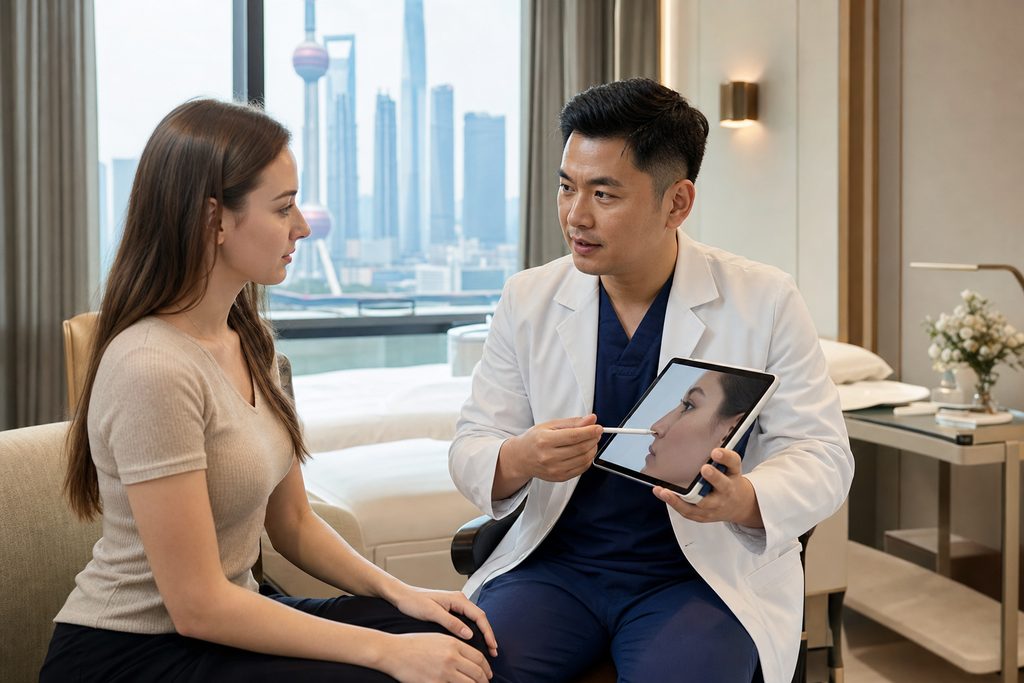
Glaucoma Treatment in China: A Guide
Glaucoma is not a single disease. It is a group of eye conditions that damage the optic nerve, usually because fluid pressure inside the eye builds up over time. Think of it like a sink with a slow drain. The faucet keeps running, the water has nowhere to go, and eventually the overflow damages what is underneath. In the eye, that “overflow” silently destroys nerve fibers, starting with peripheral vision. You often do not notice anything until significant damage has occurred. That is why it is called the silent thief of sight.
For patients in the US, UK, or Canada, the search for affordable care often leads to Asia. When we talk about the glaucoma treatment cost China offers, we are talking about a fraction of Western prices—often 60% to 80% less—without compromising on technology. Top Chinese ophthalmology departments use the same femtosecond lasers, micro-stents, and drainage implants found in Boston or London. The difference is the price tag and the waiting time.
But navigating a Chinese hospital as a foreigner is not like booking a hotel. It requires a specific process. At China Medical Services, our job is to bridge that gap. We connect international patients with the top 5% of China’s 35,000+ hospitals, handling the logistics so you can focus on your eyes.
How This Actually Works, Step by Step
You cannot simply fly to Beijing or Shanghai and walk into a top-tier public hospital expecting to see the chief ophthalmologist the next morning. That is not how the system works. The process is staged, and understanding it saves you weeks of frustration.
Here is the real sequence for a patient coming from abroad:
- Step 1: Send your records. You gather your recent visual field tests, OCT (optical coherence tomography) scans, IOP (intraocular pressure) readings, and any surgical history. You send these to us. We translate the key reports into Chinese medical terminology.
- Step 2: Written second opinion. We route your file to the international department of a top eye hospital—such as Zhongshan Ophthalmic Center or Beijing Tongren Hospital. A specialist reviews the data and provides a written assessment. This is not a prescription, but a direction: Do you need surgery? Which type? Is it urgent?
- Step 3: Video consultation. If the written opinion suggests intervention, we arrange a video call with the Chinese specialist. You ask questions. They explain the recommended procedure—whether it is SLT laser, trabeculectomy, or a MIGS implant.
- Step 4: Visa and logistics. Once you decide to proceed, we guide you on the S2 visa (the correct category for medical treatment). We coordinate your appointment date and hospital registration.
- Step 5: Arrival and treatment. You arrive. A bilingual medical companion meets you, helps with registration, payment, and translation during the exam. Surgery is scheduled after the in-person consultation confirms the plan.
This staged approach prevents unnecessary travel. If your case can be managed with drops, you learn that remotely. If you need surgery, you arrive with a plan already in place.
Finding the Best Eye Hospital in China for Glaucoma
In the international departments of top hospitals, the doctors speak English. However, the administrative staff, nurses, and pharmacy workers often do not. Without a bilingual companion, you will struggle with registration and payment. We provide that support as part of our service.
Glaucoma sometimes requires multiple procedures. If you return home, your local doctor can manage your pressure. If you need another surgery, you can return to China. We keep your records on file for future coordination.
No. The M visa is strictly for commercial and trade activities. For medical treatment, you must apply for the S2 visa. Applying for the wrong visa can result in entry denial. Always check the latest requirements with the Chinese embassy in your country.
Your Next Step
Managing glaucoma is a marathon, not a sprint. The goal is to preserve your vision for decades, not just to find a cheap procedure. China offers world-class ophthalmology at a fraction of Western costs, but it requires navigating a complex system.
We are China Medical Services. We are not doctors. We do not diagnose or operate. We are a case management team that translates your records, connects you with the right specialist, and stands beside you in the hospital. If you are considering treatment abroad, start with a conversation. We can review your situation and help you decide if China is the right choice for your eyes.
To discuss your case or request a written second opinion, reach out through our patient consultation page. We will give you a clear, honest assessment of what is possible.
Frequently Asked Questions
Yes. The hospitals used for international patients are JCI-accredited and follow the same international safety standards as top hospitals in the US and Europe. Surgical teams perform high volumes of procedures — often more than their Western counterparts — which studies show leads to better outcomes.
Costs vary by procedure and hospital, but international patients typically save 40-80% compared to US prices — even when factoring in travel and accommodation. A consultation with our team will give you an exact, all-inclusive quote with no hidden fees.
Send us your existing medical reports to get started. We handle everything from hospital selection and appointment scheduling to visa assistance and post-operative recovery planning. Your medical records are reviewed by the specialist before you even book a flight.
For more medical information and treatment options in China, visit chinamedservices.com (China Medical Services).
