Zhongshan Ophthalmic Center Guangzhou: A Complete Patient Guide
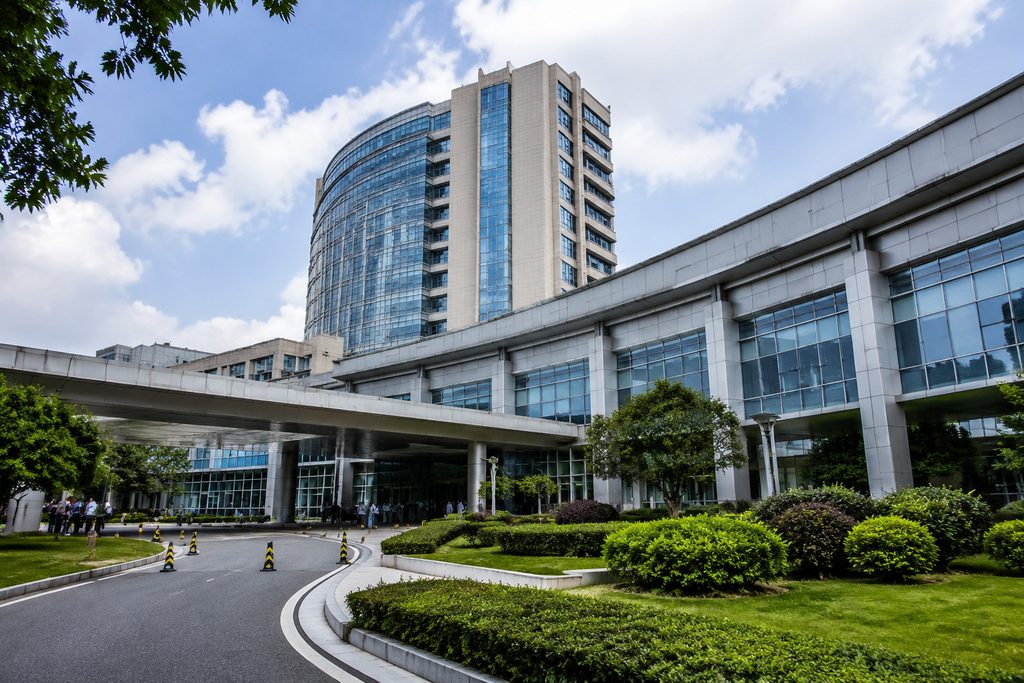
Zhongshan Ophthalmic Center Guangzhou: A Complete Guide for International Patients
If you have typed “Zhongshan Ophthalmic Center cost” into a search bar, you are probably weighing a serious decision. Maybe a cataract has made night driving difficult. Maybe a retina problem needs a specialist your local system cannot see for months. The Zhongshan Ophthalmic Center in Guangzhou is one of the largest and most respected eye hospitals in Asia, and it draws patients from across Southeast Asia, the Middle East, Africa, and beyond. This guide explains what the hospital is, how foreign patients actually get seen, what treatment typically costs, and where the real friction points sit.
Let us start with plain language. The Zhongshan Ophthalmic Center is a public tertiary eye hospital affiliated with Sun Yat-sen University. It is not a small clinic. It handles an enormous daily patient volume across subspecialties — cataract, cornea, glaucoma, retina, pediatric ophthalmology, refractive surgery, and ocular oncology among them. For an international patient, that scale cuts both ways: world-class expertise on one hand, and a registration system built for Chinese-speaking locals on the other.
How This Actually Works, Step by Step
Here is the honest sequence, from wherever you are now to a treatment plan.
Step one: gather your records. You send us your existing examination reports — OCT scans, visual field tests, fundus photos, IOP readings, prior surgical notes, and a current medication list. Reports in English are fine. Reports in other languages need translation, and that takes time.
Step two: a Chinese ophthalmology team reviews the file. This is a written second opinion, not a chat. You receive a written analysis covering likely diagnosis, treatment options relevant to your case, and a realistic direction — surgery, medication, monitoring, or further testing.
Step three: a video consultation, if you want one. You speak online with the specialty team, explain your symptoms and goals, and hear their recommendations directly. For eye conditions this matters, because the difference between “operate now” and “watch for six months” is often a judgment call that benefits from conversation.
Step four: appointment coordination. If you decide to travel, we assist with registration through the hospital’s international or VIP channel, medical card creation, and scheduling. Note the rule that applies across Chinese public hospitals: routine outpatient slots cannot be locked in from overseas in advance. Surgery is arranged only after an in-person consultation. That is the system, and no service can honestly promise otherwise.
Step five: arrival and the visit itself. A bilingual medical companion meets you, handles queueing, registration, payment, and wayfinding, and interprets between you and the clinical team.
What Eye Care at Zhongshan Ophthalmic Center Costs
Cost is the question almost everyone asks first, so let us be concrete — with the caveat that final pricing depends on the hospital, the surgeon, and how complex your case turns out to be.
| Procedure | Typical Range in China (USD) | Typical Range in the US (USD) |
|---|---|---|
| Cataract surgery (one eye, standard IOL) | $1,500 – $4,000 | $6,000 – $12,000 |
| Cataract with premium multifocal IOL | $3,000 – $7,000 | $10,000 – $20,000 |
| LASIK / SMILE refractive surgery | $1,500 – $3,500 | $4,000 – $6,000 |
| Vitrectomy (retinal surgery) | $5,000 – $12,000 | $20,000 – $50,000 |
| Glaucoma surgery (trabeculectomy) | $3,000 – $8,000 | $15,000 – $30,000 |
These figures are indicative. Published hospital price lists exist, but the number that applies to you is produced after examination, because a straightforward cataract and a cataract in a post-vitrectomy eye with zonular weakness are not the same operation. How much does cataract surgery cost in Guangzhou specifically? For a standard case at a major public eye hospital, patients commonly land in the $1,500 to $4,000 range per eye, with premium lens choices pushing that upward.
A Realistic Timeline
Optimistic timelines posted online tend to omit the boring parts. Here is a fuller picture.
- Days 1–5: You gather and send records. Translation of non-English documents adds two to five business days.
- Days 5–12: Written second opinion returns. A video consultation can usually be scheduled within a week of that.
- Weeks 2–4: Appointment coordination. Lead times vary by subspecialty and season; retina and pediatric slots are often tighter than general cataract clinics.
- Weeks 3–6: Visa processing. Foreign patients traveling for treatment use the S2 visa, with S1 for stays beyond 180 days. Accompanying family members apply for S2 as well. Processing typically runs one to three weeks depending on your consulate, and you should check the latest embassy requirements directly.
- Arrival week: In-person consultation, confirmatory testing, surgical planning, and a surgery date.
- Weeks 1–4 after surgery: Post-operative checks. Many patients fly home within two weeks for uncomplicated cataract surgery, but retinal and corneal cases often need longer local follow-up.
Total realistic window for a straightforward surgical case: six to ten weeks from first email to flying home. Complex retinal cases can run longer.
What Can Go Wrong — and What Happens Then
Trust is built by naming the failure modes, so here they are.
You cannot get a specific surgeon’s slot guaranteed in advance. In Chinese public hospitals, the specialist you see is determined by the registration system and the department’s scheduling. You can request a department or a senior physician through the international channel, and coordination staff will try. Nobody can promise a named professor on a named date. If a service guarantees that, be skeptical.
The plan changes after examination. A patient arrives expecting cataract surgery and leaves with a glaucoma diagnosis instead. This is not a bait-and-switch; it is medicine. Your written second opinion is a direction, not a contract.
Visa timing slips. Consulates get busy. Documents get requested twice. Build two extra weeks into your plan, and never book non-refundable flights before the visa is in hand.
Post-operative care at home is not automatic. Your local ophthalmologist may be unfamiliar with the technique or the lens used. Request a discharge summary in English before you leave China, and arrange a follow-up appointment at home before you fly.
Is Eye Surgery in China Safe, and How Do You Judge a Provider?
This is the question underneath all the others. Chinese tertiary eye hospitals perform very high surgical volumes, and volume correlates with proficiency in ophthalmic surgery — surgeons who do hundreds of a procedure per year tend to have well-refined technique. The Zhongshan Ophthalmic Center is frequently cited among the best eye hospitals in China for international patients, alongside other major university-affiliated eye centers.
But “safe” is not a property of a country. It is a property of a specific surgeon, a specific facility, and your specific eye. So evaluate on these criteria:
- Subspecialty match. A retina specialist and a cataract specialist are different people. Make sure your case is routed to the right one.
- Volume and outcomes. Ask how many of your specific procedure the team performs annually.
- Pre-operative testing depth. A rushed workup is a red flag. Good eye hospitals measure a lot before they cut.
- Written documentation. You should receive records you can carry home and read.
- Post-operative protocol. Ask what the follow-up schedule looks like and who handles it if you leave the country.
For a broader view of how Chinese tertiary hospitals are ranked, our overview of top-ranked hospitals in China explains the Fudan ranking system and what the tiers actually mean. If you want to compare eye care against other specialties, the department-by-department rankings are a useful reference point.
Practical Considerations: Records, Visa, Payment, Language
Records. Bring physical copies and digital files. CD or USB images of OCT and fundus photography are far more useful than printed thumbnails.
Visa. The S2 category covers short-stay medical treatment and private affairs, and it is the correct route for a medical visit. The M visa is for commercial and trade activity and has nothing to do with treatment. Requirements shift, so verify current rules with your nearest Chinese embassy or consulate and bring your hospital appointment documentation.
Payment. Public hospitals take prepayment by card or bank transfer. Private international hospitals in China often bill insurers directly, but they are a different setting with different pricing.
Language. This is the single biggest practical barrier. A major Chinese eye hospital may see thousands of outpatients in a day. Signage, registration kiosks, and staff conversations are overwhelmingly in Chinese. An English-speaking doctor may be available in the international clinic; the payment queue will not be.
Follow-up at home. Line up your local ophthalmologist before you travel, not after.
Frequently Asked Questions
Not directly, and this is true of most Chinese public hospitals. Routine outpatient registration happens on the day, and surgery is scheduled only after an in-person examination. What can be arranged in advance is a coordinated international-channel appointment, which is what our team assists with.
Standard cataract surgery at a major Guangzhou public eye hospital commonly falls between $1,500 and $4,000 per eye, against $6,000 to $12,000 in the United States. Premium lens implants raise the figure. Final pricing depends on the hospital and the complexity of your case.
Major tertiary eye hospitals have high surgical volumes and experienced subspecialists, and outcomes for common procedures are generally comparable to Western centers. Safety depends on your individual case, the surgeon’s subspecialty match, and thorough pre-operative assessment. Discuss your specific risks with a qualified ophthalmologist.
The S2 visa is the applicable short-stay category for medical treatment, with S1 for stays over 180 days. Accompanying family members apply under S2 as well. Always confirm current requirements with the relevant Chinese embassy or consulate, since documentation rules change.
Practically speaking, yes. Registration, payment, pharmacy pickup, and pre-operative instructions all happen in Chinese. A bilingual medical companion handles queueing, translation, and navigation so that you and your doctor are actually communicating rather than gesturing.
Your Next Step
Eye surgery abroad is a decision about eyesight, so it deserves clear information rather than pressure. The Zhongshan Ophthalmic Center is a genuinely strong option for many international patients — provided you understand the registration realities, the visa category, and the follow-up gap that comes with traveling for care.
China Medical Services is a coordination service, not a hospital and not a provider of medical advice. We do not sell access, and we do not promise specific surgeons or surgical dates. What we do is translate your records, route them to the right specialty, arrange written second opinions and video consultations, and support you on the ground in Guangzhou if you decide to travel. You can start with a free consultation through our patient support page — no commitment, just a conversation about whether this path fits your situation.
This article is for general information only and does not constitute medical advice. Treatment decisions should always be made with a qualified ophthalmologist who has examined you.
For more medical information and treatment options in China, visit chinamedservices.com (China Medical Services).
