Dental Second Opinion in China: Worth It for Your Treatment Plan?
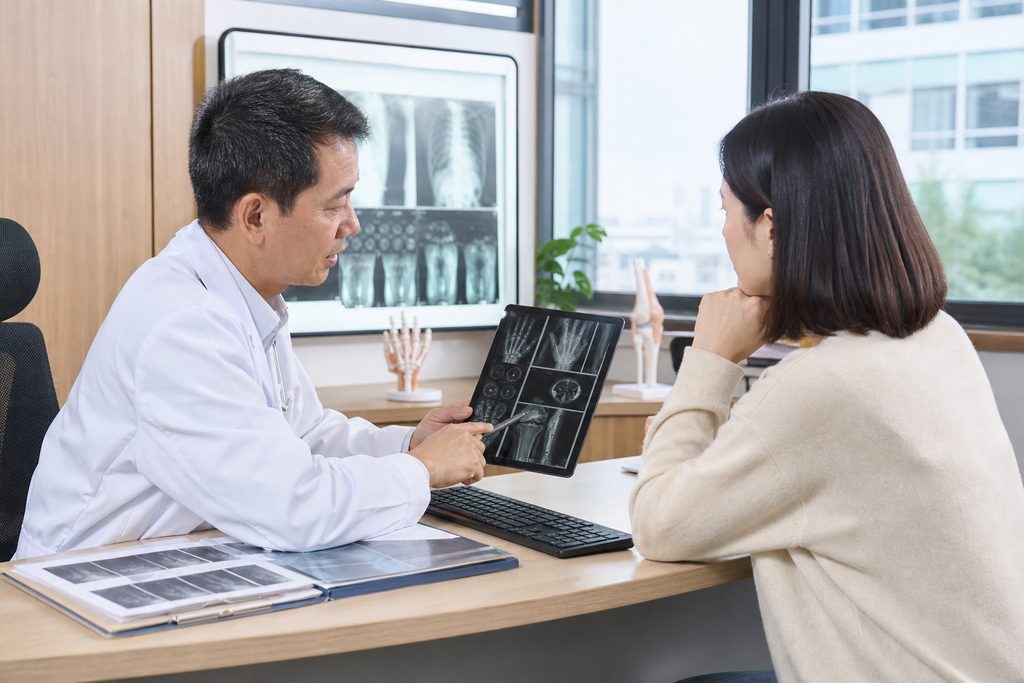
Dental Second Opinion in China: Worth It for Your Treatment Plan?
A crown in the United States averages $1,300 per tooth, while the same procedure at a top-tier Chinese dental hospital typically runs $150 to $400. That gap explains why so many international patients now ask a sharper question than “where should I go?” — they want to know whether a dental second opinion in China cost is low enough, and the expertise high enough, to justify reviewing a treatment plan they’ve already been given at home.
Short answer: yes, in most cases it’s worth it. But the reasons are more specific than price alone, and the process has real limits you should understand before you send anyone your X-rays.
How This Actually Works, Step by Step
The sequence is simpler than most people expect, and it does not require a plane ticket at the start.
Step one — you gather records. A usable second-opinion package includes your panoramic X-ray (orthopantomogram), any periapical or CBCT scans, intraoral photos if you have them, and the written treatment plan from your current dentist. If implants are involved, the CBCT is essential — no reputable specialist will comment on bone volume without it.
Step two — you send them. Digital files work best (DICOM for scans, JPEG or PDF for the rest). Our team handles translation of the written plan into Chinese and formats the imaging so the reviewing department can open it without conversion headaches.
Step three — a specialist reviews. The relevant department at a top-ranked hospital — prosthodontics, oral surgery, orthodontics, or implantology — examines your case and produces a written analysis. You get their reading of the imaging, their opinion on whether the proposed plan is appropriate, alternatives they’d consider, and a direction for treatment.
Step four — you decide. Sometimes the answer confirms your dentist at home was right. Sometimes it flags an overtreatment. Occasionally it identifies a path that’s cheaper, less invasive, or both. Either way you now have two independent professional opinions instead of one.
If you’d rather speak with the team directly, a video consultation adds a live conversation on top of the written review. Same records, plus a face-to-face discussion of symptoms and goals.
What a Dental Second Opinion in China Actually Costs
Let’s put real numbers on the table, because vague pricing is where trust dies.
| Service | Typical Cost (USD) | What You Receive |
|---|---|---|
| Written second opinion (top hospital specialist) | $300–500 | Written analysis, imaging review, treatment suggestions — for reference only, not a prescription |
| Video consultation (standard tertiary or private international department) | $100–300 | Live discussion plus written summary |
| Top-specialist video consultation | $500–800 | Senior specialist, extended session |
| Multidisciplinary team (MDT) video review | $1,500–2,000 | Multiple specialties reviewing complex cases together |
| In-person top-specialist consultation coordination | $800–1,200 | Registration, medical card creation, proxy or accompanied visit |
Compare that to a single implant consultation in the US, which frequently bills $200 to $400 before any imaging. You are not paying for a privilege or a shortcut. You are paying for a specialist’s time, records translation, and coordination through a hospital’s official international department. Final pricing varies by hospital and case complexity.
One mechanism worth knowing: any consultation fee is credited in full toward on-the-ground coordination if you travel to China for treatment within 90 days. That’s a one-time credit applied to the coordination fee only — never to hospital treatment charges.
A Realistic Timeline
Nobody’s dental case moves as fast as the marketing suggests. Here’s what actually happens, with the waiting steps people forget.
| Stage | Realistic Duration | Notes |
|---|---|---|
| Gathering records from your dentist | 3–10 days | Depends entirely on how fast your clinic releases imaging |
| Translation and formatting | 1–3 business days | Handled on our side |
| Specialist review and written opinion | 3–7 business days | Longer for MDT cases, typically 7–14 days |
| Video consultation scheduling | 5–14 days | Senior specialists book out further |
| If you decide to travel: S2 visa processing | 4–10 business days | Subject to embassy and consulate requirements |
| Hospital appointment lead time | 1–3 weeks | Public hospital general clinics cannot be pre-booked from abroad; international departments can |
So a written second opinion realistically lands in your inbox within two to three weeks of you starting the process. Travel, if you choose it, adds another three to six weeks on top. Anyone promising a 48-hour turnaround from a named senior specialist is either not using a senior specialist or not being straight with you.
What Can Go Wrong — and What Happens Then
Honest failure modes, because you deserve them before you pay anyone.
Your imaging is unusable. A blurry panoramic X-ray or a CBCT exported at the wrong slice thickness can’t support a real opinion. The fix is straightforward: we tell you what’s missing and you request it from your dentist. Occasionally that means paying for a new scan locally. No specialist should guess from bad images, and if one offers to, walk away.
The opinion contradicts your dentist, and now you’re confused. This happens more than people expect, and it isn’t a sign that someone is lying. Dentistry has genuine gray zones — whether a cracked tooth needs a crown or a root canal, whether a failing implant should be removed or salvaged. The recourse is a third data point, not panic. Ask the reviewing specialist to explain their reasoning against the original plan point by point.
The second opinion says your case needs in-person examination. Some things simply cannot be assessed remotely. Periodontal probing depths, bite registration, soft tissue quality — these need hands and instruments. A good remote review will say so clearly rather than pretend certainty it doesn’t have.
You travel and the plan changes again. This is the one that stings. In-person examination sometimes reveals what imaging missed, and the final treatment plan differs from the remote recommendation. That’s medicine, not bait-and-switch. Build flexibility into your budget and your expectations.
Judging Whether a Chinese Dental Second Opinion Is Any Good
China’s dental schools and hospital stomatology departments are not a monolith. Quality varies enormously, and the difference between a strong review and a weak one comes down to a few checkable things.
Start with the institution. The strongest stomatology programs sit inside large tertiary hospitals and dedicated dental universities, and their specialists publish and teach. Our department rankings list the top hospitals by specialty, which gives you a defensible starting point rather than a name someone mentioned once.
Then look at what the opinion actually contains. A useful review names the imaging it reviewed, states findings in specific terms, addresses the original plan directly, and lists alternatives with trade-offs. A weak one offers generalities that could apply to any patient. If you can swap your name for someone else’s and the document still reads fine, it wasn’t written for you.
Language matters too. The written opinion should arrive in clear English, translated by someone who understands dental terminology — not a generic translation app. Misreading “periapical” as something else is not a small error.
For patients considering treatment in Beijing specifically, the concentration of top-tier stomatology and general hospitals makes it a practical base. Our Beijing hospital guide covers which institutions offer English-language international departments and how appointment access works.
Practical Considerations: Records, Visas, Payment, and Follow-Up
Records. Request your full imaging archive, not just the report. Reports summarize; scans let a specialist form an independent view. Most clinics release these on request, sometimes for a small administrative fee.
Visas. If you decide to travel for treatment, the applicable short-stay category for medical treatment and private affairs is the S2 visa, subject to the latest embassy and consulate requirements and supporting hospital documents. Accompanying family members apply under the same category. Note that the M visa is for commercial and trade activities and has nothing to do with medical travel — if anyone tells you otherwise, they’re wrong.
Payment. Public hospitals require prepayment, with insurance reimbursement handled afterward on your side. Private international hospitals often bill insurance directly. Budget for the hospital’s estimate plus a margin.
Insurance. Most Western insurers will not reimburse a second opinion obtained abroad without prior authorization. Check before you commit, and ask whether the reviewing hospital can provide an itemized invoice with procedure codes.
Language. China’s top hospitals handle enormous daily patient volumes, and navigating registration, payment, and imaging departments without Mandarin is genuinely difficult. This is the practical reason bilingual medical companion services exist — from $300 per day for a half or full day of registration, queuing, payment, wayfinding, and interpreting. It is labor and language support, not a promise of access to any specific specialist.
Follow-up at home. Whatever the second opinion concludes, your ongoing care will likely happen where you live. Ask the reviewing specialist to write their recommendations in a form your local dentist can act on.
Frequently Asked Questions
At accredited tertiary and international hospitals, infection control and materials standards are comparable to Western norms, and many institutions hold JCI accreditation. Safety varies far more between individual clinics than between countries. The relevant question is which specific hospital and which specific department — not whether “China” is safe.
Written second opinions from top-hospital specialists generally run $300 to $500, and video consultations range from $100 to $800 depending on the seniority of the specialist and whether it’s a single-specialty or multidisciplinary review. Shanghai pricing sits within these same bands as Beijing and Guangzhou. Final quotes depend on case complexity and the hospital involved.
Yes, and the entire written-opinion process can be completed remotely. You send records digitally, the specialist reviews them, and the written analysis comes back by email. No travel is required unless in-person examination or treatment becomes necessary.
That’s often the point of seeking a second opinion, but disagreement isn’t automatically a red flag against your local dentist. Ask the reviewing specialist to explain their reasoning in detail, then weigh both. For complex cases, a third opinion is a reasonable move rather than an overreaction.
Rarely without prior authorization, and policies differ widely. Some international health plans reimburse overseas consultations; most domestic plans do not. Contact your insurer before booking and request an itemized invoice from the reviewing hospital.
Your Next Step
A dental second opinion in China is worth it when the stakes are high enough to justify a few hundred dollars and two to three weeks — implants, full-mouth reconstruction, orthodontic plans, or any recommendation you’re not fully comfortable accepting. It is not worth it for a routine cleaning or a single small filling.
We are China Medical Services, a coordination team that connects international patients with top-ranked Chinese hospitals. We don’t practice dentistry and we don’t diagnose. We translate records, route them to the right department through official hospital channels, and make sure the answer that comes back is one you can actually use. If you’d like to know whether your case is a good fit, start with a free consultation — no commitment, and no pressure to travel.
This article is for general information only and does not constitute medical advice. Treatment decisions should always be made with a qualified dental professional who has examined you in person.
For more medical information and treatment options in China, visit chinamedservices.com (China Medical Services).
