Stool Test in China: Cost and Booking for International Visitors
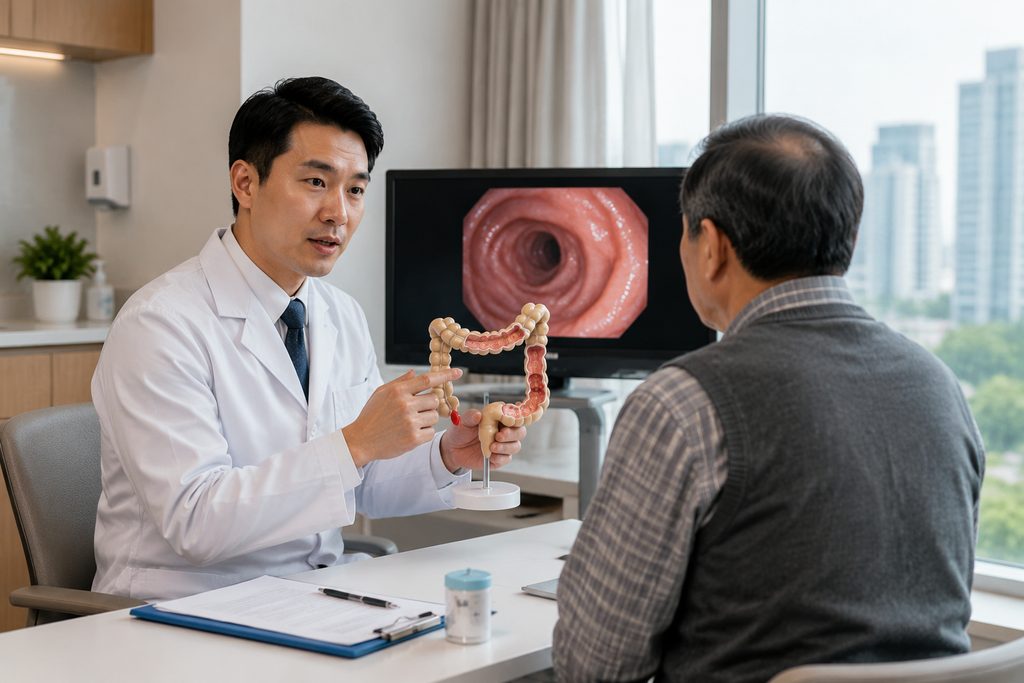
Stool Test in China: Cost and Booking for International Visitors
When 38-year-old Sarah from Melbourne landed in Shanghai for a business posting, she didn’t expect her first medical errand to be a stool test. But a persistent digestive issue her GP had flagged before she left needed follow-up, and she had three weeks to sort it out in a system she didn’t understand. Her question — how much does a stool test cost in China, and how do I actually book one? — is the same one we field from patients every week. The short answer: a basic stool test at a public hospital in China typically runs RMB 30–150 (roughly $4–$21), while a private international clinic charges $80–$250 for the same panel with English service. Booking ranges from walking in same-day at a public hospital to scheduling 1–3 days ahead at a private clinic.
The complication is that “stool test” covers wildly different things. A routine stool routine and occult blood screen is cheap and fast. A stool culture, parasite panel, calprotectin, or PCR-based pathogen test costs more and takes longer. Knowing which one you actually need — and where in China to get it — is where most visitors get stuck.
Stool Test Cost in China: What You Actually Pay
Pricing in China splits along a clear line: public hospitals versus private international clinics. Public hospitals are dramatically cheaper but operate almost entirely in Chinese, with same-day queue-based registration. Private international hospitals and clinics charge Western prices but offer English-speaking staff, direct insurance billing, and appointment booking.
| Test Type | Public Hospital (RMB) | Public Hospital (USD) | Private Clinic (USD) |
|---|---|---|---|
| Routine stool analysis | 30–80 | $4–$11 | $80–$150 |
| Fecal occult blood (FOBT) | 40–120 | $6–$17 | $90–$160 |
| Stool culture | 80–200 | $11–$28 | $150–$250 |
| Parasite panel (microscopy) | 60–180 | $8–$25 | $120–$220 |
| Calprotectin (fecal) | 150–350 | $21–$49 | $180–$320 |
| GI pathogen PCR panel | 400–900 | $56–$126 | $250–$500 |
Which column suits you depends on your priorities. If you have a Chinese-speaking companion and time to queue, the public route saves 70–90%. If you need English explanations, a clean appointment slot, and a report your home doctor can read without translation, the private column is worth the premium. For a broader look at how these two tiers compare across specialties, see our guide to private international hospitals in China.
Who This Is Right For — and Who It Isn’t
Stool testing in China makes practical sense for a specific set of travelers and expats. It is not the right move for everyone.
Good candidates:
- Expats and long-stay visitors who need routine GI screening or follow-up on a condition diagnosed at home
- Travelers with acute diarrhea, suspected parasitic infection, or food-poisoning symptoms who need fast diagnostic clarity
- Patients combining a stool test with a broader specialist workup — gastroenterology, infectious disease, or oncology screening
- Anyone already in China for other medical care who wants to add a low-cost diagnostic
Not the right fit:
- Someone with severe abdominal pain, high fever, or blood in stool who needs emergency care, not an outpatient test — go to a hospital emergency department immediately
- Patients who need a test result interpreted by their own physician at home and cannot wait for international report delivery
- Anyone expecting a single unified “medical tourism stool test package” with hotel and translator bundled — these exist informally but are not standardized products in China
Public Hospital vs. Private Clinic: Which Booking Path Fits You
If you search for a private stool test clinic Beijing price, you’ll find international clinics like the ones in our hospital database quoting $80–$250. These clinics let you book by phone or online, often within 24–48 hours, and hand you an English report. The trade-off is cost and, in some cases, a narrower menu of specialized tests.
Public hospitals — including the top-ranked facilities in our database of 340+ hospitals across 37 cities — offer the full test menu at a fraction of the price. But registration is typically same-day, in person, in Chinese. You take a number, wait, pay at a kiosk or cashier, then collect a sample container and return it to the lab window. For a foreigner without Mandarin, this is where a bilingual companion earns their fee.
One more wrinkle: public hospitals generally cannot be pre-booked from overseas for routine outpatient tests. You show up, register, and are seen that day. Private international clinics can be booked in advance. That single difference drives most of the decision for visitors on a tight schedule.
How Long for Stool Test Results in China
Turnaround depends entirely on the test. Routine stool analysis and occult blood: results often same-day, sometimes within 1–2 hours at large hospitals. Stool culture: 48–72 hours, because bacteria need time to grow. Parasite microscopy: 1–3 days, and sometimes requires three separate samples collected on different days for accuracy. Calprotectin: typically 1–2 days. PCR pathogen panels: 24–48 hours at most large hospitals.
Private clinics often quote slightly longer timelines because samples may be sent to a reference lab, but they usually deliver a clean English report. Public hospitals issue results in Chinese — you’ll need translation if your home doctor requires it.
How to Book a Stool Test Appointment in Shanghai or Beijing
Booking a stool test in Shanghai or Beijing follows one of three routes.
Route 1 — Private international clinic. Call or book online. Bring your passport. Expect $80–$250 depending on the panel, English service, and a report within 1–3 days. Direct insurance billing is often available.
Route 2 — Public hospital, self-guided. Arrive early (before 8 a.m. at large hospitals), register at the outpatient hall with your passport, pay the registration and test fee, collect your container, and submit your sample. Cost: RMB 30–900 depending on the test. No appointment needed for most routine stool tests.
Route 3 — Coordinated visit. If language or logistics are a barrier, a bilingual medical companion handles registration, queueing, payment, sample submission, and report pickup. Our patient coordination service covers exactly this, and pricing starts from $300 per day for a companion.
For city-specific hospital options, our Beijing and Shanghai pages list facilities by tier and specialty.
Is Stool Testing in China Reliable?
Yes — at accredited hospitals and international clinics, stool testing in China meets international standards. China’s top-tier public hospitals run CAP-accredited or ISO-certified laboratories, and the major international clinics are JCI-accredited. The equipment and reagents are typically imported from the same manufacturers used in the US and Europe.
The reliability question is really about two things: sample handling and result interpretation. Large public hospitals process thousands of samples daily, and their lab quality control is rigorous. But the report comes in Chinese, and the reference ranges may differ slightly from what your home doctor expects. Private clinics solve this by issuing bilingual reports with Western reference ranges.
What you should not assume is that a cheap test is a low-quality test. A RMB 60 stool routine at a top-tier hospital is the same assay a $150 private clinic runs — the price difference reflects service, language, and convenience, not accuracy.
Practical Considerations for Foreign Patients
Documentation. Bring your passport — it is your registration ID at every hospital in China. If you have prior test results or a doctor’s note from home, bring a copy; it helps the Chinese physician order the right panel.
Visa. If you are traveling to China specifically for medical evaluation, the applicable short-stay category is the S2 visa, used for medical treatment and private affairs, subject to the latest embassy or consulate requirements and supporting hospital documents. Family members accompanying you apply under the same category. The M visa is for commercial and trade activities and is not the medical route. Always confirm current requirements with your nearest Chinese embassy before applying.
Payment. Public hospitals require prepayment — cash, Alipay, WeChat Pay, or international card at some counters. Private clinics accept international cards and often bill insurance directly. Reimbursement from your home insurer is typically a post-visit process.
Language. Assume no English at public hospitals. Registration forms, lab instructions, and result reports are in Chinese. Plan for translation, whether through a companion, a translation app, or a private clinic.
Follow-up after returning home. Ask for a printed report with the test name, method, result, and reference range. If you need it in English, request it before you leave — chasing documents from abroad is slow and frustrating.
Frequently Asked Questions
At private international clinics, yes — usually 1–3 days ahead by phone or online. At public hospitals, generally no. Routine outpatient testing is same-day, walk-in registration. If pre-booking matters to you, choose a private clinic or arrange coordination in advance.
At public hospitals, yes — you’ll be issued a hospital card or number at registration, and it links to your test and payment records. Private clinics use your passport and their own patient file. Either way, bring your passport.
Some international policies reimburse overseas diagnostics; many do not, or require pre-authorization. Private international clinics are more likely to bill insurance directly. Public hospital receipts are usually accepted for reimbursement claims, but you must submit them yourself. Check your policy before you travel.
A stool test is a data point, not a diagnosis. If results are abnormal, you’ll want a gastroenterologist to review them alongside your history. We can arrange a written second opinion or video consultation with a Chinese specialist — fees range from $300–$500 for a written review and $100–$300 for a standard video consultation, with any consultation fee credited in full toward on-the-ground coordination if you travel within 90 days.
Your Next Step
Getting a stool test in China is straightforward once you know which tier fits your budget and timeline: $4–$21 at a public hospital, $80–$250 at a private clinic, with results in hours to a few days depending on the panel. The real friction is language, booking rules, and knowing which test you actually need.
We are China Medical Services — a coordination service, not a hospital. We don’t diagnose or treat. What we do is match you with the right facility from our database of 340+ top-ranked hospitals across 37 cities, handle registration and translation logistics, and make sure your results reach you in a form your home doctor can use. If you’d like help figuring out where to start, you can request a free consultation — no pressure, just a clear next step.
This article is for general information only and does not constitute medical advice. Test selection, interpretation, and treatment decisions should always be made with a qualified physician who can review your full medical history.
For more medical information and treatment options in China, visit chinamedservices.com (China Medical Services).
