Boao Lecheng: Early Access to New Treatments Without Leaving Asia
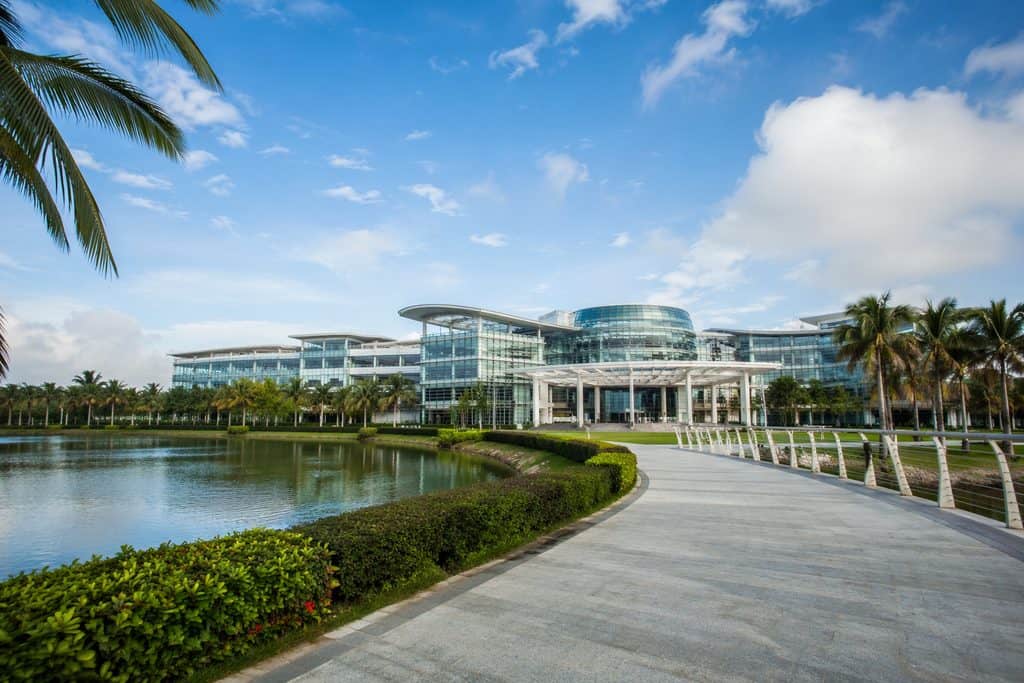
Have you been told the treatment you need is approved in the United States or Europe, but not yet available where you are? For many patients, the waiting period for regulatory approval feels like borrowed time. The Boao Lecheng International Medical Tourism Pilot Zone in Hainan was created to address exactly that gap. Understanding the Boao Lecheng new drug cost structure, the eligibility rules, and the real logistics matters before you book a flight.
This zone operates under a special policy framework that allows designated hospitals to use drugs, devices, and biologics that have received approval in major Western markets but not yet in mainland China. That is the core value proposition. But early access carries specific costs, paperwork burdens, and clinical limitations that are rarely discussed in promotional material. Our team at China Medical Services has helped international patients evaluate whether this pathway makes sense for their specific condition. Here is what the process actually looks like.
How This Actually Works, Step by Step
The sequence is more involved than a standard hospital visit. You cannot simply walk into a Boao hospital and request a specific drug. The zone operates under a “special request” mechanism tied to your diagnosis, your prescribing physician’s assessment, and the hospital’s licensed scope.
First, you submit your existing medical records — pathology reports, imaging, treatment history, current prescriptions, and a summary letter from your treating physician. These documents must be translated into Chinese by a certified medical translator. Hospitals in the zone will not review records in English, French, or Arabic. Translation typically takes three to five business days.
Second, a specialist at one of the designated Boao hospitals reviews your file. They determine whether the drug or device you are seeking is actually listed in the zone’s approved catalog for your condition. Not every Western-approved drug is available. The catalog covers oncology, rare diseases, ophthalmology, cardiovascular interventions, and certain orthopedic implants, but coverage is specific — not universal.
Third, if the specialist confirms eligibility, the hospital drafts a treatment proposal. This includes the drug name, dosage plan, number of cycles or units, and an itemized cost estimate. This is where the Boao Lecheng new drug cost becomes concrete. You will see line items for the drug itself, hospital administration fees, monitoring, and accommodation if you stay in the zone’s medical tourism facilities.
Fourth, you sign a consent form that explicitly acknowledges the drug is not yet approved by China’s National Medical Products Administration for general use. This is a legal requirement. The consent covers off-label status, known side effects from Western trials, and the absence of long-term Chinese post-market surveillance data for this specific population.
Fifth, you pay. Boao hospitals generally require full prepayment before the drug is ordered. International insurance rarely covers unapproved treatments, so this is typically out-of-pocket. After payment, the hospital imports the drug through the zone’s special customs channel. Lead time varies by drug: one to three weeks for most oncology agents, longer for cold-chain biologics.
What the Boao Lecheng New Drug Cost Actually Includes
The headline number you see in a brochure is rarely the final figure. Drug pricing in Boao is set by the manufacturer or its licensed distributor in the zone. Because the zone bypasses national centralized procurement, prices are generally higher than what the same drug costs in its country of origin — sometimes 20% to 40% higher, reflecting import logistics, small-batch handling, and the zone’s administrative overhead.
A typical oncology monoclonal antibody that costs $8,000 per cycle in the United States might be priced at $9,500 to $11,000 per cycle in Boao. That is the trade-off for access outside the normal approval timeline. Some patients find this acceptable. Others are surprised. You should ask for a written, itemized quote before committing to travel.
Beyond the drug, expect these additional costs:
- Hospital administration fee: $500 to $1,500 per admission, covering the special-request paperwork, ethics committee review where applicable, and nursing coordination.
- Specialist consultation: $200 to $600 for the initial Boao physician review and treatment plan drafting. This is separate from any remote second opinion you may have obtained earlier.
- Monitoring and follow-up: Blood tests, imaging, and post-infusion observation are billed at private international rates, not mainland public hospital rates.
- Accommodation: If your treatment requires multiple cycles over several weeks, staying in the zone’s medical tourism hotels adds $80 to $250 per night depending on the facility.
- Translation and document preparation: $100 to $300 for certified medical translation of your records.
So a single cycle of an unapproved oncology drug in Boao might total $12,000 to $18,000 all-in. Multiple cycles multiply that. This is not a budget pathway. It is a time-sensitive access pathway for patients who have exhausted approved options.
A Realistic Timeline
What does the calendar actually look like? Most patients underestimate the lead time between “I want this drug” and “the infusion is running.” Here is a realistic breakdown based on cases we have coordinated.
| Stage | What Happens | Typical Duration |
|---|---|---|
| Day 1–7 | You gather medical records and send them for translation | 5–7 business days |
| Week 2 | Boao specialist reviews your file; requests missing documents if any | 3–5 business days |
| Week 3 | Hospital confirms drug availability and drafts cost estimate | 2–4 business days |
| Week 4 | You sign consent, transfer payment, and apply for S2 visa | Visa: 5–10 business days |
| Week 5–7 | Hospital imports the drug through special customs channel | 1–3 weeks depending on drug type |
| Week 6–8 | You travel to Hainan, complete pre-treatment assessment, begin treatment | 2–3 days on-site before first dose |
The waiting steps people forget: document translation, visa processing, and drug import lead time. If you need a specific biologic that is manufactured in Europe and requires cold-chain shipping, the import window can stretch to four weeks. Plan for eight weeks from first contact to first dose in most cases.
What Can Go Wrong — and What Happens Then
This is not a frictionless conveyor belt. Several failure points exist, and you should understand the recourse for each.
The drug is not in the catalog. You may want a specific drug that is approved in the US but not listed for your condition in Boao. The hospital cannot import it outside the catalog. Recourse: ask the specialist whether a clinically similar drug from the same class is available, or whether your case qualifies for a “named patient” import request under compassionate use rules. Not all hospitals will pursue this. If they decline, your option is to look at clinical trials in mainland China or other jurisdictions.
Your records are incomplete. A Boao specialist may refuse to assess your file if pathology slides, genetic testing results, or prior treatment summaries are missing. Recourse: return to your home oncologist and request the specific documents. This can add two to three weeks. There is no shortcut.
Payment fails or is delayed. International wire transfers to Chinese hospital accounts sometimes take five to seven business days. If the drug order is time-sensitive, a delay can push your treatment window. Recourse: use a bank with established China correspondent relationships, or ask the hospital whether they accept payment through a licensed medical tourism facilitator with domestic settlement capability.
You arrive and the specialist changes the plan. Sometimes the Boao physician reviews your current condition in person and concludes the requested drug is no longer appropriate. This is a clinical judgment call. Recourse: you may receive a partial refund of unused drug costs, but the consultation and administration fees are typically non-refundable. This is why remote video consultation before travel is strongly advised.
Can Foreigners Get Early Access Medicine in China — and What Are the Rules?
The short answer is yes. Foreign nationals can access the Boao Lecheng pathway under the same rules as Chinese citizens. There is no citizenship restriction. The practical barriers are language, documentation, and logistics — not legal eligibility.
The S2 visa is the correct category for medical treatment in China. It covers short stays for private affairs, including medical treatment, and requires supporting documents from the receiving hospital in Boao. Do not apply for an M visa; that is for commercial and trade activities and will not be accepted for medical purposes. Your accompanying family members also apply for S2 visas. Stays longer than 180 days require an S1 visa, which is rare for Boao treatment plans but possible for extended multi-cycle protocols.
One nuance: the Boao zone is physically located on Hainan Island, which has visa-free entry policies for citizens of 59 countries under specific tourism conditions. But medical treatment is not tourism. If you enter under a visa-free tourism arrangement and then attempt to receive hospital treatment, you may be in violation of your entry conditions. Always enter on the correct S2 visa with hospital documentation in hand. This is a common mistake that causes last-minute disruption.
How to Evaluate a Boao Lecheng Hospital or Facilitator
Not every hospital in the zone has the same capabilities. The zone hosts over 20 licensed medical institutions, but only a subset actively participates in the early-access drug program. Some focus on aesthetic medicine, stem cell tourism, or traditional Chinese medicine. Others are genuine tertiary hospitals with oncology and cardiology departments capable of administering complex biologics.
When evaluating a hospital or a facilitator, ask these specific questions:
- Which specific drugs in your therapeutic area has this hospital actually administered in the past 12 months? Ask for numbers, not generalities.
- Who is the prescribing specialist, and what is their clinical background? You want a physician with experience in your disease, not a general administrator.
- Is the drug quote itemized? Does it separate drug cost, administration fee, monitoring, and accommodation?
- What happens if the drug is delayed at customs? Who bears the cost of a missed cycle?
- Does the hospital provide English-speaking coordination, or do you need your own translator?
Some international patients also explore top-ranked mainland hospitals for standard treatments that are already approved in China. Boao is specifically for treatments that are not yet approved. Understanding that distinction saves time and money. If your drug is already approved in mainland China, you may be better served at a major center in Beijing or Shanghai with a longer track record.
Practical Considerations: Visa, Payment, Language, and Follow-Up
Yes, but the process is entirely in Mandarin and requires you to handle document translation, visa paperwork, and payment logistics yourself. Most international patients use a coordinator for the document and communication layer. Direct booking does not reduce the drug cost; it only removes the coordination fee.
No public price list exists. Each hospital prices drugs individually based on manufacturer agreements and your specific dosage plan. You must request a written, itemized quote after your case has been reviewed. Any facilitator who quotes you a price before reviewing your records is guessing.
You sign an informed consent that acknowledges the drug’s unapproved status in China and the known risks from Western clinical data. The hospital provides standard supportive care for side effects, but there is no guaranteed outcome and no refund if the treatment is ineffective. This is the reality of early access medicine anywhere in the world.
For most infusion-based oncology drugs, yes. Cycles are typically administered every two to four weeks, and the hospital will want to monitor you on-site. Some patients arrange to return home between cycles, but this adds travel cost and visa complexity. Discuss the full treatment calendar before you commit to the first dose.
Your Next Step
Boao Lecheng offers something genuinely rare: legal, regulated access to Western-approved treatments that have not yet cleared mainland China’s approval process. The cost is real, the paperwork is substantial, and the clinical uncertainty is part of the deal. But for patients facing aggressive disease and a closing window of options, this pathway has provided meaningful time.
Our team at China Medical Services helps you evaluate whether Boao is the right fit for your specific diagnosis. We handle document translation, hospital communication, visa guidance, and on-the-ground coordination. We do not promise outcomes, and we do not guarantee access to any specific drug. What we do is make the process legible so you can make a clear-eyed decision. If you want to understand your options, start with a free consultation and we will walk through the specifics together.
Frequently Asked Questions
Yes. The hospitals used for international patients are JCI-accredited and follow the same international safety standards as top hospitals in the US and Europe. Surgical teams perform high volumes of procedures — often more than their Western counterparts — which studies show leads to better outcomes.
Costs vary by procedure and hospital, but international patients typically save 40-80% compared to US prices — even when factoring in travel and accommodation. A consultation with our team will give you an exact, all-inclusive quote with no hidden fees.
Send us your existing medical reports to get started. We handle everything from hospital selection and appointment scheduling to visa assistance and post-operative recovery planning. Your medical records are reviewed by the specialist before you even book a flight.
For more medical information and treatment options in China, visit chinamedservices.com (China Medical Services).
