Breast Augmentation Hospitals in Fuzhou: Costs, Top Clinics, and How to Plan
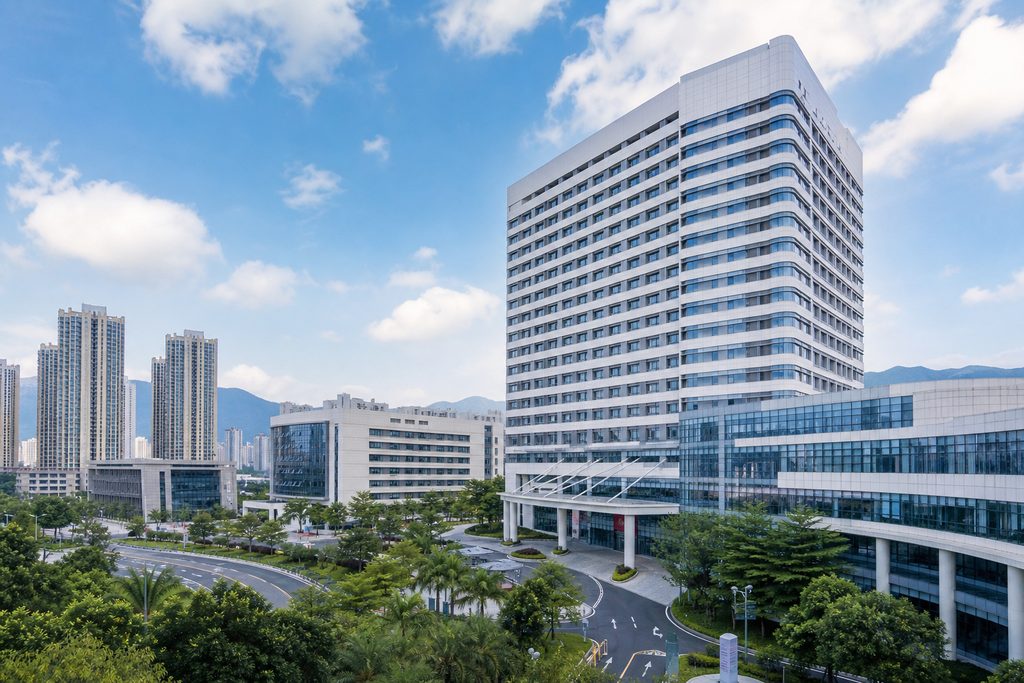
Breast Augmentation Hospitals in Fuzhou: Costs, Top Clinics, and How to Plan
Patients in the United States pay an average of $6,500 to $12,000 for breast augmentation, and the American Society of Plastic Surgeons logged roughly 300,000 of these procedures in a single recent year. In Fuzhou, the capital of Fujian province, the same operation at a reputable public hospital typically runs $3,000 to $6,500 — and the city’s plastic surgery departments handle volume that would stagger most Western clinics. Breast augmentation hospitals in Fuzhou fall into two clear categories: large public tertiary hospitals with dedicated plastic surgery departments, and private or international clinics built around English-speaking staff and shorter waits.
That price gap is real. So is the friction. Public hospitals in China rarely let you book a consultation from overseas, surgeons perform the operation only after an in-person exam, and the paperwork is in Chinese. Knowing which category of hospital fits your case matters more than chasing the lowest number.
Who This Is Right For — and Who It Isn’t
Fuzhou is a sensible destination for a specific kind of patient. It is not for everyone.
Typically a good fit:
- Healthy adults with a stable weight and no active breast disease, seeking primary augmentation with implants or fat transfer
- Patients willing to travel, stay 10 to 14 days, and attend an in-person consultation before surgery
- People who want a bilingual coordinator because they do not speak Mandarin
- Revision cases where the original implant was placed elsewhere and records can be shared
Probably not a good fit:
- Anyone with uncontrolled diabetes, active infection, or a bleeding disorder
- Patients expecting a guaranteed surgery date before a surgeon has examined them — no reputable hospital works that way
- Those who cannot commit to follow-up, whether in Fuzhou or with a local surgeon at home
- Anyone shopping purely on price. The cheapest quote is rarely the safest one.
If you have a history of breast cancer, a strong family history, or an autoimmune condition, this decision belongs with your own physician first. We are coordinators, not clinicians, and we will say so plainly.
Fuzhou’s Breast Augmentation Hospitals: Public vs. Private
Fuzhou sits in Fujian, a province with several large tertiary hospitals and a growing private aesthetic sector. The public teaching hospitals concentrate their plastic surgery expertise in dedicated departments, often handling reconstructive work alongside cosmetic procedures. That mix is a good sign — surgeons who rebuild breasts after mastectomy tend to have deep technical grounding.
Private and international clinics in Fuzhou, meanwhile, lean toward convenience: English-speaking staff, direct scheduling, and a calmer environment. Some carry international accreditation, though Fuzhou’s private market is smaller than Shanghai’s or Guangzhou’s.
| Factor | Public Tertiary Hospital | Private / International Clinic |
|---|---|---|
| Typical implant cost | $3,000–$6,500 | $5,500–$11,000 |
| Booking from overseas | Generally not possible; in-person registration | Often possible by email or video |
| English support | Limited; interpreter usually needed | Common |
| Surgeon volume | High — large case loads | Lower, more individualized scheduling |
| Payment | Prepayment; insurance reimbursed later | Some bill insurers directly |
| Wait time | Days to weeks for consultation | Often days |
Which column suits you? If budget is the priority and you are comfortable with a bilingual companion handling logistics, the public route delivers strong value. If you want English at every step and are willing to pay roughly 1.5 to 2 times more, the private route smooths the path considerably.
What Fuzhou Offers That Coastal Cosmetic Hubs Don’t
Shanghai and Guangzhou get the headlines. Fuzhou offers something different: lower living costs, shorter queues, and a compact city where hospital, hotel, and recovery apartment sit within a few kilometers of each other.
Fujian also has a long medical tradition. The province is home to respected teaching hospitals and a strong traditional Chinese medicine sector, which some patients use for post-operative recovery support — acupuncture for pain management, for instance, alongside standard care. That combination is uncommon in the West.
One caution. Fuzhou’s private aesthetic market is less mature than Beijing’s or Shanghai’s. If your case is complex — previous implant rupture, significant asymmetry, or a reconstruction — it may be worth comparing options in larger hubs through our ranked hospital directory before committing.
What It Costs — and What Drives the Variance
Here is the honest range. Implant-based augmentation in Fuzhou runs $3,000 to $6,500 at public hospitals and $5,500 to $11,000 at private clinics. Fat transfer sits in a similar band, sometimes higher because it involves two procedures — harvesting and grafting.
What moves the number:
- Implant type. Saline is cheaper; cohesive silicone gel costs more.
- Surgeon seniority. A department head’s fee exceeds a junior attending’s.
- Anesthesia and facility. General anesthesia with an overnight stay adds cost.
- Revision complexity. Removing scar tissue or correcting a previous result takes longer.
- Hospital tier. International departments charge roughly 1.5 to 2 times the standard rate for English service and priority scheduling.
Compare that to U.S. figures — $6,500 to $12,000 on average, and considerably more in major metros — and the savings are meaningful even after flights and a two-week hotel stay.
Practical Considerations for International Patients
Records. Bring prior mammograms, any previous surgical notes, medication lists, and recent blood work. Translated into Chinese where possible. Our team handles that translation as part of case management.
Visa. Medical travel to China uses the S2 visa, which covers short-stay treatment and private affairs; stays beyond 180 days fall under S1. Accompanying family members apply for S2 as well. The M visa is for commercial and trade activity only and has nothing to do with medical care — if a service tells you otherwise, walk away. Requirements shift, so confirm current rules with your nearest Chinese embassy or consulate and bring your hospital’s supporting documents.
Payment. Public hospitals expect prepayment; you then claim reimbursement from your insurer at home. Some private clinics bill international insurers directly. Check your policy’s overseas coverage before assuming anything.
Language. This is the real obstacle. A top Chinese hospital may see ten thousand outpatients in a day. Signage, forms, and pharmacy instructions are in Chinese. A bilingual medical companion handles registration, queuing, payment, and interpretation so you are not navigating it alone.
Follow-up. Plan your return. Implants need monitoring, and your surgeon at home should receive the operative report. Request it before you fly back.
How the Process Actually Works
You cannot simply book a surgery date from abroad at a Chinese public hospital. That is the rule, not a sales tactic.
The realistic sequence looks like this. First, a written second opinion — you send your existing reports, and a Chinese plastic surgery specialist reviews them and returns written analysis and treatment direction. Second, a video consultation if you want to speak with the team directly and hear their recommendations. Third, if you want eyes on a specific surgeon or department before traveling, a proxy consultation lets us register on your behalf and visit in person with your materials.
Only after a surgeon has examined you in person does scheduling become concrete. Admission always remains subject to hospital rules. Anyone promising otherwise is not being straight with you.
This staged approach exists for a reason. It lets you build confidence before booking flights, and it filters out cases where traveling would be a mistake.
Frequently Asked Questions
No. Public hospitals in China require an in-person consultation before scheduling surgery, and standard outpatient slots cannot be reserved from overseas. What you can arrange in advance is a video consultation, a written second opinion, or coordination through a hospital’s international department. The surgery date gets set after the surgeon examines you.
China’s large tertiary hospitals perform enormous surgical volumes and follow established protocols. That said, safety depends on your individual health, the surgeon’s assessment, and post-operative care. We do not promise outcomes, and no ethical coordinator should. Ask about the surgeon’s complication rates and confirm the facility has proper anesthesia and emergency support.
This is the question worth asking before you book. Arrange a local surgeon willing to handle follow-up, obtain your complete operative and implant records before departure, and confirm your travel insurance covers surgical complications. If a revision becomes necessary, you would either return to Fuzhou or work with a surgeon at home — plan for both possibilities rather than hoping neither happens.
Your Next Step
Fuzhou offers genuine value for breast augmentation — solid public hospitals, costs well below Western averages, and a manageable city for recovery. The trade-off is process: no remote booking, a required in-person exam, and a language barrier that a companion service exists to remove.
China Medical Services connects international patients with 340+ top-ranked hospitals across 37 cities, including Fuzhou. We are not a hospital and we do not diagnose or treat. What we do is translate records, coordinate appointments through official international departments, and provide bilingual support on the ground.
Start with a free consultation at our patient services page. Tell us your situation, and we will tell you honestly whether Fuzhou fits — or whether another city does. No pressure either way.
This article is for general information only and is not medical advice. Breast augmentation carries risks including infection, capsular contracture, implant rupture, and changes in nipple sensation. Consult a qualified plastic surgeon about your individual case.
For more medical information and treatment options in China, visit chinamedservices.com (China Medical Services).
