Medical Treatment in Changsha China: Xiangya Hospital International Patient Guide
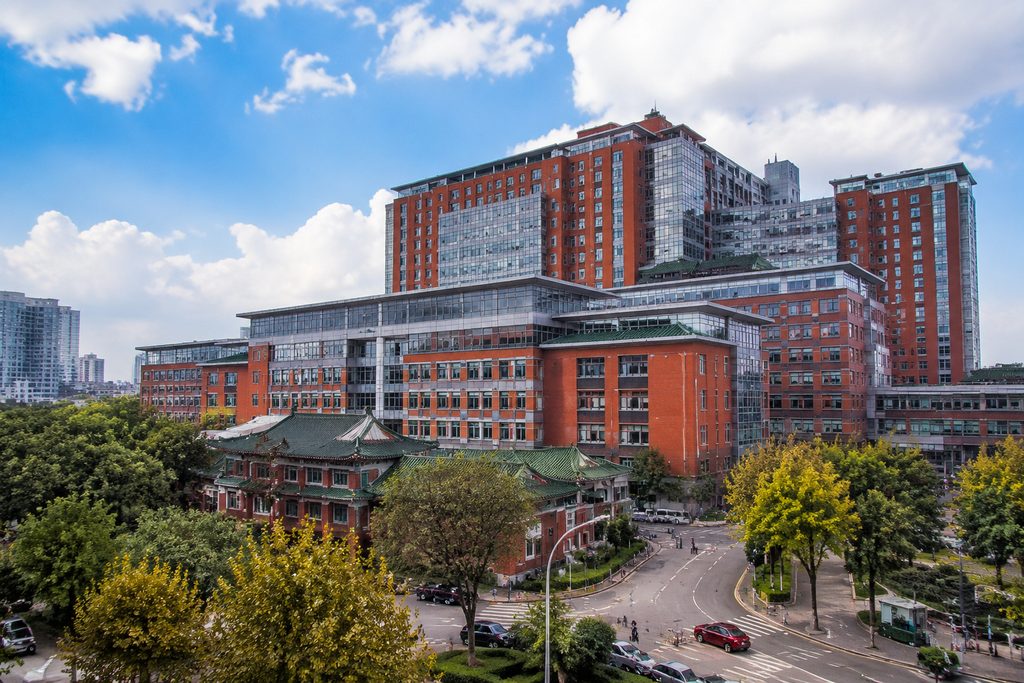
Key Takeaways
- Xiangya Hospital handles over 3.8 million outpatient visits annually — its clinical teams have seen and treated conditions that might appear only a handful of times in a Western surgeon’s entire career.
- The hospital’s International Medical Center provides a legitimate pathway for foreigners that bypasses the chaos of the general outpatient hall, with English-speaking coordinators and direct access to senior specialists.
- Without Chinese language ability and an understanding of the hospital’s internal systems, a foreign patient attempting to navigate Xiangya independently will face near-insurmountable barriers — from registration kiosks that only accept Chinese ID cards to cashier windows with no English signage.
- Treatment costs at Xiangya typically run 60-80% lower than equivalent care in the United States, but you must be prepared to pay upfront and seek reimbursement from your insurer later.
The Problem: You Need World-Class Care, But the System Was Not Built for You
A cancer diagnosis arrives. A cardiac condition worsens. A spinal issue that three specialists back home called “inoperable” keeps you awake at night. You start searching beyond your borders — and you discover that Xiangya Hospital, affiliated with Central South University, is ranked among China’s top-tier medical institutions. Its oncology, neurology, and surgical departments produce research that gets cited in The Lancet and the New England Journal of Medicine. The surgeons here perform procedures at volumes that dwarf most Western hospitals. And the cost? A fraction of what you would pay in Houston or Munich. But then you hit the wall. The hospital’s website is largely in Chinese. The phone numbers ring to desks where nobody speaks English. There is no obvious “book now” button for international patients. You are looking at one of Asia’s most capable hospitals, and you cannot find the door. That is not your fault. The system was built for 1.4 billion domestic patients. We exist to open that door.
Who We Are
We are China Medical Services, a medical concierge organization that connects international patients with China’s 340+ top-ranked hospitals across 37 cities. We are not a hospital. We do not employ doctors or provide clinical diagnoses. What we do is handle the entire logistical layer that sits between you and the medical expertise you need: hospital selection based on your specific condition, appointment coordination through official international department channels, visa guidance for S2 medical visas, bilingual medical companions who stay by your side through every consultation and test, and post-discharge recovery planning. Think of us as your local operational team in a country where the healthcare system can feel impenetrable. Our job is to make sure the only thing you need to focus on is getting better.
Why Xiangya Hospital Draws International Patients Seeking Medical Treatment in Changsha China
Xiangya is not simply “a good hospital.” It is one of the oldest Western-medicine institutions in China, founded in 1906 by the Yale-China Association. That heritage matters. It means the hospital has a century-deep culture of integrating international medical standards with Chinese clinical scale. Today, Xiangya Hospital Central South University operates over 3,500 beds and runs more than 90 clinical departments. Its dermatology, neurosurgery, and oncology programs consistently place among the top 10 in China’s national specialty rankings. For a foreign patient evaluating options, the combination of academic rigor, surgical volume, and cost efficiency is difficult to match elsewhere.
Surgical Volume That Creates Unmatched Clinical Experience
There is a straightforward correlation in medicine: the more times a surgical team performs a procedure, the better their outcomes tend to be. A 2023 study in the British Journal of Surgery found that hospitals in the highest-volume quartile for complex cancer resections had 28% lower 30-day mortality rates than those in the lowest quartile. Western surgeons might perform 20-30 esophagectomies per year. At Xiangya’s thoracic surgery department, that number can exceed 200 annually. The same pattern holds across neurosurgery, orthopedics, and interventional cardiology. When you consult with a Xiangya specialist, you are speaking with someone who has likely managed your condition hundreds or thousands of times — including the rare complications that a lower-volume center might encounter once in a decade. This is not a theoretical advantage. It translates directly into lower complication rates and more refined surgical technique.
Is Xiangya Hospital Good for International Patients? The Infrastructure Reality
The honest answer is that it depends on how you access it. If you walk through the main entrance of the outpatient building at 8 a.m. on a Monday, you will encounter a scene that can overwhelm even the most resilient traveler: thousands of patients queuing at self-service kiosks, announcements blaring in Mandarin, hallways dense with people carrying imaging films and lab reports. This is not an environment designed for foreigners. But Xiangya’s International Medical Center operates on an entirely different model. Located in a dedicated wing, it offers pre-scheduled appointments with senior attending physicians, English-speaking nursing staff, private consultation rooms, and a coordinator who manages your registration, payment, and test scheduling. Wait times drop from hours to minutes. The doctors are the same senior specialists who oversee the general wards — but the experience is structured for someone who cannot speak Chinese and cannot spend an entire day navigating hospital bureaucracy. This is the access point that makes Xiangya viable for international patients. Without it, the hospital is functionally inaccessible. With it, you get the clinical expertise without the chaos.
The Xiangya Hospital International Patient Price List: What Costs Actually Look Like
Let us address the question that every international patient asks first. The Xiangya Hospital international patient price list reflects the hospital’s VIP/International Medical Center channel — not general ward pricing. You pay a premium for the coordination, language support, and direct specialist access, but the total remains far below Western private-hospital rates. Here is a realistic breakdown based on recent cases we have coordinated:
| Service Category | Estimated Cost at Xiangya (USD) | Comparable US Cost (USD) |
|---|---|---|
| Specialist Outpatient Consultation (International Center) | $150–350 | $500–1,200 |
| Comprehensive Health Screening Package | $600–2,000 | $3,000–8,000 |
| MRI (3T) — Single Region | $200–400 | $1,500–3,500 |
| Cataract Surgery (Single Eye, Premium IOL) | $2,500–4,000 | $6,000–12,000 |
| Total Hip Replacement | $12,000–18,000 | $40,000–70,000 |
| Cardiac Bypass Surgery (CABG) | $15,000–22,000 | $120,000–200,000 |
| Cancer Treatment — Chemotherapy (Per Cycle) | $800–3,000 | $5,000–20,000 |
| Cancer Treatment — Radiotherapy (Full Course) | $5,000–12,000 | $30,000–80,000 |
These figures vary by hospital and case complexity. The cost of cancer treatment at Xiangya Hospital China depends heavily on the specific regimen — targeted therapies and immunotherapies using imported drugs will push costs toward the higher end, while standard chemotherapy protocols using domestically manufactured agents sit at the lower end. We always advise patients to budget for a range rather than a fixed number. One structural advantage worth noting: many pharmaceuticals that are patent-protected and priced accordingly in Western markets have locally manufactured biosimilars available in China at a steep discount. Your oncologist can discuss which substitutions are clinically appropriate.
What You Need to Know Before Going Alone
We have seen intelligent, resourceful people attempt to arrange treatment at Xiangya independently. Some succeed after enormous frustration. Many give up. Here are the barriers that break the process for solo international patients:
- Registration Requires a Chinese ID or a Physical Hospital Card: The self-service kiosks that handle 80% of outpatient registration at Xiangya scan Chinese national ID cards. Foreign passport holders cannot use them. You must go to a staffed counter — but those counters operate in Mandarin, and the queue on a weekday morning can stretch to 90 minutes. If you arrive without knowing which counter handles international patients, you will wait in the wrong line and start over.
- The S2 Visa Requires Specific Documentation from the Hospital: You cannot simply apply for an S2 medical visa with a flight booking and a hope. The Chinese visa authority requires a formal document from the receiving hospital confirming your treatment arrangement — typically a stamped invitation letter or admission confirmation. Xiangya’s International Medical Center can issue this, but only after your case has been reviewed and an appointment or admission has been confirmed. Getting that confirmation without a local contact is the circular problem that traps many patients.
- Payment Is Upfront and Insurance Reimbursement Is Retroactive: Xiangya, like nearly all Chinese public hospitals, operates on a pay-before-treatment model for international patients. You will need to deposit funds at admission and settle outstanding balances before discharge. The hospital provides itemized receipts and translated medical records suitable for insurance claims, but it does not bill your insurer directly. You pay, then you claim. If your policy requires pre-authorization, you must handle that before arrival.
- Medical Records Must Be Translated Before the Consultation: Xiangya specialists will review your overseas medical records, imaging, and pathology reports — but they need them in Chinese. A stack of English-language documents handed to a specialist during a 20-minute consultation slot will not receive the thorough review your case deserves. Professional medical translation, completed before your appointment, is essential. This is not a formality. A mistranslated pathology term can derail a treatment plan.
How to Get Treatment at Xiangya Hospital as a Foreigner — The Coordinated Pathway
The process, when handled properly, follows a logical sequence. We have refined it over hundreds of patient cases. It starts with your medical records, not with a plane ticket.
First, we collect your complete medical file: imaging studies on CD or via secure upload, pathology reports, surgical notes, current medication list, and a summary of your treatment history written by your primary physician. Our medical translation team converts these into clinical Chinese, paying particular attention to terminology precision — a “grade 3 astrocytoma” must not become a “grade 3 brain tumor” in translation. The translated file goes to the relevant department at Xiangya’s International Medical Center for specialist review. This typically takes 3-5 business days. The specialist assesses whether your case is appropriate for treatment at Xiangya and, if so, proposes a preliminary treatment plan and estimated timeline. This step is critical. It prevents you from traveling to Changsha only to discover that the hospital cannot offer what you need.
With a confirmed treatment plan, we coordinate the appointment scheduling. For surgical cases, this means securing an operating room slot and a bed in the International Medical Center ward — not the general ward. The distinction matters. International Center beds are limited, and peak surgical seasons (particularly before Chinese national holidays) fill weeks in advance. We also request the formal invitation letter that you will need for your S2 visa application. For patients requiring a book appointment Xiangya Hospital medical tourism pathway, this is the document that unlocks the visa process.
Visa guidance follows. We provide a detailed checklist of required documents, help you prepare the application package, and advise on the appropriate visa center for your jurisdiction. The S2 visa for medical treatment typically allows a stay of up to 180 days, with the option to extend to an S1 visa if treatment requires longer. Family members accompanying you apply for their own S2 visas. This is not a step where guesswork is safe — a rejected visa application resets your timeline by weeks.
When you arrive in Changsha, a bilingual medical companion meets you at the hospital entrance. This person handles every administrative interaction: registration, payment deposits, queue tickets for labs and imaging, pharmacy pickups, and real-time interpretation during every consultation. You sit in the consultation room and speak directly with the specialist, with your companion translating both the clinical discussion and the subtle context — the doctor’s degree of concern about a particular finding, the reasoning behind a medication choice, the practical details of post-operative recovery that a rushed consultation might otherwise skip. After discharge, we coordinate follow-up appointments, medication refills, and any rehabilitation services you need before flying home.
What Makes Xiangya the Best Hospital in Changsha for Foreigners Seeking Complex Care
Changsha is not Beijing or Shanghai. It does not have twenty internationally accredited hospitals. What it has is Xiangya — an institution that anchors the city’s entire medical ecosystem. For foreign patients, this concentration of expertise simplifies decision-making. You are not choosing between five roughly equivalent hospitals. You are accessing the one institution in Hunan province that consistently ranks among China’s national leaders in specialty care. Its dermatology department is arguably the strongest in the country. Its neurosurgery program handles complex cerebrovascular cases that smaller centers refer out. Its oncology department runs active clinical trials for nasopharyngeal carcinoma, hepatocellular carcinoma, and other cancers with higher prevalence in Asian populations — trials that may offer treatment options unavailable in your home country.
The city itself is practical for a medical stay. Changsha Huanghua International Airport has direct flights from major Asian hubs and connections from Europe and North America. Accommodation near the hospital ranges from budget hotels to serviced apartments suitable for multi-week recovery periods. The cost of living is markedly lower than in China’s Tier-1 cities — a family member accompanying a patient can find comfortable long-stay housing for under $1,500 per month. These logistical factors matter when you are facing a treatment timeline measured in weeks or months, not days.
Frequently Asked Questions
You can try. The International Medical Center does have an email address and occasionally responds to English-language inquiries. Response times vary from two days to never. The challenge is that an initial email saying “I have lung cancer, can you treat me?” will not receive a substantive clinical response — the hospital needs translated records, imaging, and a clear clinical question before a specialist will review your case. Without a local coordinator managing the back-and-forth, the email thread often dies after one or two exchanges. If you have a straightforward question and time to wait, direct contact is possible. If you have a progressing condition and need a definitive answer within a week, it is not a reliable strategy.
This is why the pre-arrival specialist review step is non-negotiable. We do not book flights until a Xiangya specialist has reviewed your translated records and confirmed that your case is appropriate for their department. No reputable medical concierge should. If, upon in-person examination, the specialist determines that the condition has progressed beyond what was visible in your earlier imaging or that a different approach is needed, we pivot immediately. That might mean coordinating a transfer to another top-tier hospital in our network — Beijing, Shanghai, Guangzhou — where a different team has the specific expertise required. The pre-paid coordination model means we handle the re-routing without additional coordination fees. The goal is getting you to the right treatment, not locking you into a single hospital.
Look at the objective metrics. Xiangya Hospital is accredited by the National Health Commission of China at the highest level (Grade A, Class 3). Its clinical laboratories participate in international proficiency testing programs. Its research output is indexed in global databases and subject to peer review by the same international journals that publish Western research. The hospital’s International Medical Center specialists are the same attending physicians who train residents, publish research, and present at international conferences. The difference is not in the clinical capability — it is in the patient experience layer. A Western private hospital will offer hotel-like amenities, unrestricted visiting hours, and gourmet meal services that a Chinese public hospital, even at the International Center level, does not prioritize. If your primary concern is clinical outcome for a complex procedure, Xiangya competes. If your primary concern is a luxury recovery environment, you may want to consider a private international hospital in Shanghai or Beijing instead.
The hospital’s charges cover the medical services themselves: consultations, diagnostic tests, surgical procedures, medications administered during your stay, and ward accommodation. What it does not cover: your flights, visa fees, accommodation outside the hospital, meals beyond basic hospital food, non-prescribed medications, and any post-discharge rehabilitation services not provided on-site. There is also the coordination cost — whether you pay a concierge service like ours or attempt to manage the process yourself (in which case your hidden cost is time, stress, and the very real risk of delays that allow a condition to progress). We advise patients to budget 15-20% above the quoted treatment cost for incidentals: extended accommodation if recovery takes longer than expected, a family member’s living expenses, and contingency funds for unplanned diagnostic tests that the specialist may order after the initial examination.
Your Next Step
Xiangya Hospital represents a genuine opportunity for international patients who need high-volume, high-expertise care at a cost that does not exhaust their life savings. The clinical capability is real. The pathway to accessing it is the hard part — but it is a solvable problem. If you are considering treatment at Xiangya, start with a conversation. Tell us about your diagnosis, share your records, and let us get a straight answer from the specialists about what is possible. You will know within a week whether this is the right path for you. No commitment, no upfront payment for the initial assessment. Just clarity about your options. Get a free consultation with our team and let us help you figure out the next move.
For more medical information and treatment options in China, visit chinamedservices.com (China Medical Services).
