First Affiliated Hospital of Zhengzhou University Hematology: A Guide for International Patients
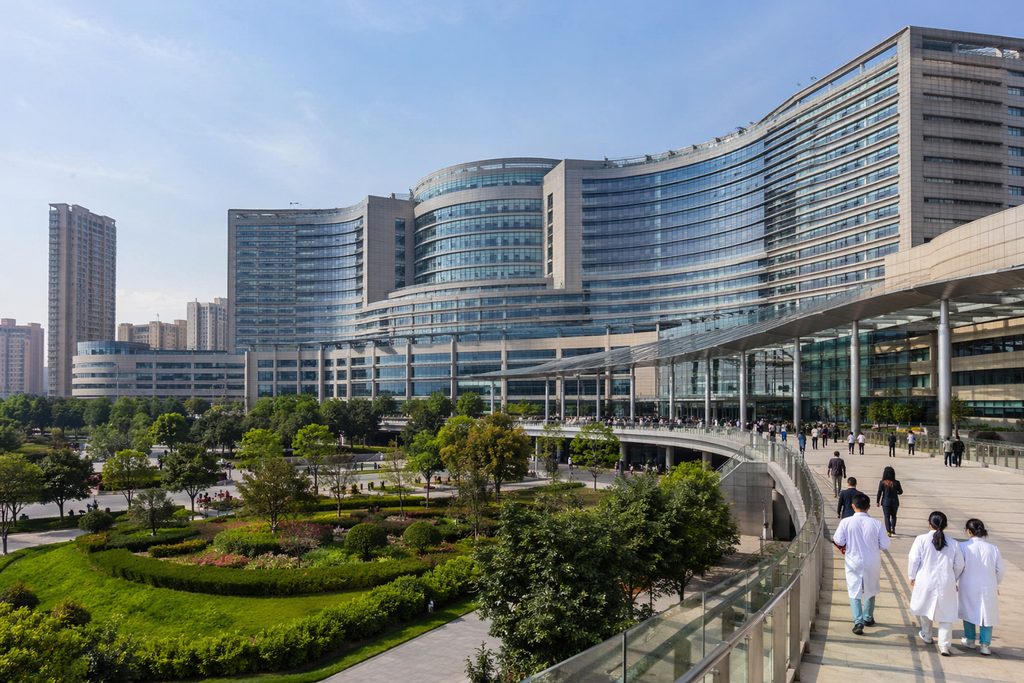
When 42-year-old Michael from Manchester first heard the word “leukemia,” his world shrank to a single question: where do I go? His NHS oncologist recommended a specific chemotherapy protocol, but the waiting list stretched for weeks. Michael started searching. He typed “leukemia treatment cost China” into Google. He found forums, fragmented pricing pages, and a lot of confusion. What he could not find was a clear, honest explanation of what it actually takes for a foreigner to receive hematology care at one of China’s largest hospital systems.
That is what this article provides. The First Affiliated Hospital of Zhengzhou University (FAHZZU) operates one of the largest hematology departments in central China, treating thousands of blood cancer patients annually. For international patients, accessing that expertise requires navigating a system built primarily for domestic demand. We will explain how it works, what it costs, and who should even consider it.
Leukemia Treatment Cost China: The Short Answer
For a standard chemotherapy induction cycle at a top-tier Chinese public hospital, international patients should budget between $8,000 and $25,000 per cycle. A full treatment course for acute leukemia typically runs $60,000 to $150,000. Bone marrow transplantation ranges from $80,000 to $200,000 depending on donor type and conditioning regimen. These figures cover hospital charges, medications, and basic ward fees.
The caveat: international patients rarely access standard public pricing. Most enter through the hospital’s international department or VIP channel, which adds a service premium of 50% to 100% on top of base rates. That means the real cost for a foreigner seeking leukemia treatment at FAHZZU often lands closer to $120,000 to $250,000 for a complete treatment arc. Still significantly below US prices, but not the bargain-basement figures sometimes quoted online.
Who This Is Right For — and Who It Isn’t
International hematology care in Zhengzhou suits a specific profile. You need a confirmed diagnosis with complete medical records. You need financial resources for upfront payment. And you need the physical stamina for international travel during a vulnerable period.
Typically a good candidate:
- Diagnosed with leukemia, lymphoma, aplastic anemia, or myelodysplastic syndrome with clear pathology reports
- Seeking a second opinion or alternative treatment protocol to what is available at home
- Already in China or the Asia-Pacific region for work or family reasons
- Has $100,000+ in liquid funds for treatment and logistics
- Stable enough to fly — hemoglobin above 80 g/L, platelets above 20, no active infection
Not a good candidate:
- Requiring emergency induction within 48-72 hours — international logistics will not move that fast
- Medically unstable with active bleeding, sepsis, or organ failure
- Expecting Western-style private rooms and English-speaking nurses on a public hospital budget
- Without a family member or caregiver able to travel — you will need an advocate on the ground
- Hoping for guaranteed admission to a specific named specialist — Chinese public hospitals do not promise this to anyone, domestic or foreign
Being honest about who should not come matters more than marketing who should. A leukemia diagnosis is frightening enough without arriving in a foreign city and discovering the system does not work the way you assumed.
The Options, Compared
Blood cancer treatment in China is not a single product. It is a menu of pathways, each with different price points, service levels, and clinical implications. Here is how the genuine alternatives stack up.
| Option | Typical Cost (USD) | Wait Time | English Support | Best For |
|---|---|---|---|---|
| Standard public ward, self-arranged | $8,000–25,000 per chemo cycle | Days to weeks for initial appointment | Minimal — bring your own translator | Budget-conscious patients with local connections |
| International department / VIP channel | $120,000–250,000 full treatment arc | 1–2 weeks for specialist consultation | Some English coordination, not full bilingual nursing | Most international patients seeking curated access |
| Private international hospital (e.g., United Family, Jiahui) | $200,000–400,000 full treatment arc | Days | Full English-speaking staff, JCI-accredited | Patients prioritizing comfort and language over cost |
| Written second opinion only (remote) | $300–500 | 1–2 weeks | Via coordination service | Patients deciding whether China is worth the trip at all |
Which column fits you? If cost is the dominant factor and you have a Mandarin-speaking relative in Zhengzhou, the public ward route works. Most Western patients, however, end up in the international department tier — it balances clinical access with navigational support without the premium of a fully private facility. And if you are still deciding whether China makes sense, a written second opinion costs less than a plane ticket and often clarifies the decision within a fortnight.
What “Hematology at FAHZZU” Actually Means for a Foreigner
The First Affiliated Hospital of Zhengzhou University is not a boutique international clinic. It is a massive public institution — one of the largest hospitals in China by bed count, with a daily outpatient volume that can exceed 20,000 visits. The hematology department handles leukemia, lymphoma, multiple myeloma, aplastic anemia, and performs hematopoietic stem cell transplants. The clinical volume is extraordinary. That volume drives experience, and experience drives outcomes in complex blood cancers.
But the experience of being a foreign patient there is fundamentally different from being a domestic one. Registration happens through the hospital’s international patient office or a coordination service. You will not walk into the main outpatient hall and register at a kiosk with a passport. The hospital requires a Chinese medical card (就诊卡), which must be created with your passport and visa documentation. Appointments with senior hematologists are arranged through the department’s administrative office, not through an online booking platform.
Language is the single largest friction point. Nurses on standard wards speak Mandarin. Ward rounds happen in Mandarin. Your ability to understand medication changes, ask questions about side effects, or clarify discharge instructions depends entirely on whether you bring a bilingual companion. The hospital does employ some English-speaking coordinators in its international office, but they are administrators, not bedside interpreters.
That is not a criticism. It is a structural reality of Chinese public healthcare. The system was built to serve 1.4 billion domestic patients efficiently. Foreigners are an afterthought — accommodated, but not prioritized. Understanding this before you arrive prevents the shock of discovering it after.
Is Bone Marrow Transplant Safe in China?
FAHZZU has a 24-hour emergency department, and admitted patients have access to the on-call hematology team. Emergency care for admitted patients is included in hospital charges. The challenge is communication: emergency staff outside the hematology ward may have limited English. Your bilingual companion or a hospital coordinator should be reachable at all hours. If you are staying off-site between cycles and develop fever or bleeding, go directly to the hospital emergency department, not a local clinic.
Most international insurers will reimburse treatment at recognized Chinese public hospitals, but the process requires documentation that Chinese hospitals do not automatically provide in English. You will need itemized bills, translated discharge summaries, and a letter from the treating physician. Some insurers require pre-authorization before treatment begins. Check your policy’s terms for treatment outside your home region and confirm pre-authorization requirements before you travel. Reimbursement typically takes 4-8 weeks after claim submission.
What if the treatment does not work?
This is the question every patient should ask before spending six figures on international treatment. Chinese hematologists follow the same evidence-based protocols as Western centers —
Frequently Asked Questions
Yes. The hospitals used for international patients are JCI-accredited and follow the same international safety standards as top hospitals in the US and Europe. Surgical teams perform high volumes of procedures — often more than their Western counterparts — which studies show leads to better outcomes.
Costs vary by procedure and hospital, but international patients typically save 40-80% compared to US prices — even when factoring in travel and accommodation. A consultation with our team will give you an exact, all-inclusive quote with no hidden fees.
Send us your existing medical reports to get started. We handle everything from hospital selection and appointment scheduling to visa assistance and post-operative recovery planning. Your medical records are reviewed by the specialist before you even book a flight.
For more medical information and treatment options in China, visit chinamedservices.com (China Medical Services).
