Which Hospital in China Offers Cardiac Surgery: A Complete Guide for International Patients
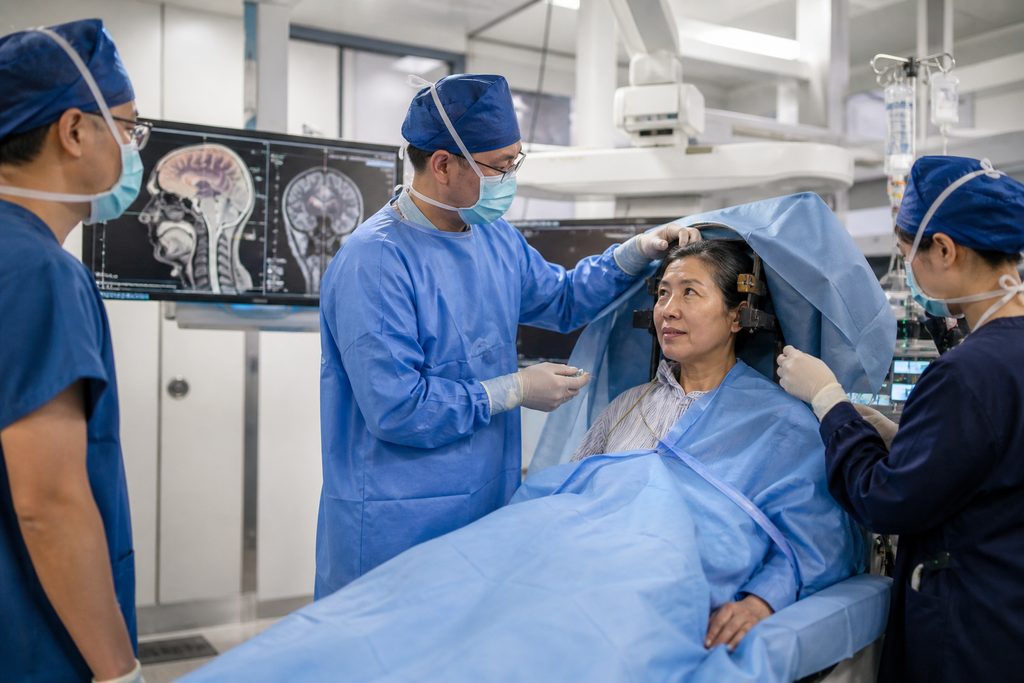
While a patient in the United States faces an average bill exceeding $120,000 for a coronary artery bypass graft, the same procedure at a top-ranked Chinese cardiac center typically runs between $12,000 and $20,000. That is a difference of roughly $100,000. And it is not a difference in clinical quality—Fuwai Hospital in Beijing alone performs over 14,000 cardiac surgeries annually, the highest volume of any heart center on the planet. The gap is structural: labor costs, hospital pricing models, and the sheer scale of China’s top-tier public hospitals.
If you are searching for which hospital in China offers cardiac surgery, the answer is not a single name. It is a shortlist of elite institutions concentrated in Beijing, Shanghai, and Guangzhou, each with distinct strengths in valve repair, bypass grafting, congenital defect correction, and minimally invasive techniques. This guide breaks down the real options, the actual cardiac surgery cost China patients can expect, and the step-by-step process of getting from a diagnosis abroad to a hospital bed in China.
How This Actually Works, Step by Step
The process starts with your existing medical records. Not with a plane ticket.
You send us your echocardiogram reports, coronary angiography images, blood work, and any prior surgical notes. Our team translates these documents into Chinese and submits them to the cardiac surgery department at one or more of the hospitals in our network—340+ top-ranked hospitals across 37 cities, representing the top 5% of China’s 35,000+ medical institutions as ranked by Fudan University and JCI accreditation standards.
A senior cardiac surgeon reviews your file. This typically takes 3 to 7 business days. You receive a written assessment: whether you are a surgical candidate, what procedure they recommend, what the expected hospital stay looks like, and a preliminary cost estimate. If the surgeon has questions, we arrange a video consultation so you can speak directly with the clinical team before committing to anything.
Only after the remote evaluation confirms a feasible plan do we move to logistics. Visa documentation, appointment scheduling, arrival support. The sequence matters: remote evaluation first, travel second. This protects you from flying across the world only to be told you are not a candidate.
Top Cardiac Surgery Hospitals in China for International Patients
Fuwai Hospital, officially the National Center for Cardiovascular Diseases, is the single highest-volume cardiac surgery center globally. Over 14,000 cardiac operations per year. That volume translates into something concrete: surgeons who perform complex valve replacements and bypass grafts multiple times daily develop a procedural fluency that lower-volume centers cannot replicate. For international patients, Fuwai operates a dedicated international medical department with English-speaking coordinators.
If you are looking for the best heart hospital Shanghai has to offer, Zhongshan Hospital consistently ranks among China’s top three for cardiac surgery in the Fudan specialty reputation rankings. Its cardiac surgery department pioneered several minimally invasive valve techniques now used nationwide. Shanghai also offers a more international environment than Beijing—more English signage, more Western restaurants, easier navigation for first-time visitors.
PUMCH is not the highest-volume cardiac center. It is the most meticulous. For patients with complex, multi-system conditions—say, cardiac disease combined with renal dysfunction or autoimmune issues—PUMCH’s multidisciplinary approach is unmatched. Their cardiac surgeons work alongside China’s top internists, which matters when your case does not fit a standard protocol.
West China Hospital in Chengdu runs one of the largest cardiac surgery programs in western China. For patients who want to avoid the intensity of Beijing or Shanghai, Chengdu offers lower living costs during recovery and a more relaxed pace. The hospital’s international department has grown significantly in recent years, and its cardiac outcomes are published in peer-reviewed journals.
Each of these hospitals appears in our specialty-specific hospital rankings, which draw from the Fudan University specialty reputation lists covering 45 clinical disciplines.
A Realistic Timeline
Here is what the process actually looks like, from first contact to walking into the operating room. These are ranges, not promises.
| Stage | What Happens | Typical Duration |
|---|---|---|
| Week 1 | You submit medical records; we translate and forward to cardiac surgery departments | 3–7 days |
| Week 2–3 | Surgeon review and written second opinion delivered | 5–10 business days |
| Week 3–4 | Video consultation with the surgical team (if needed) | Scheduled within 1–2 weeks |
| Week 4–6 | S2 visa application with hospital invitation letter | 5–15 business days, varies by embassy |
| Week 6–8 | Arrival in China, in-person consultation, pre-operative testing | 3–5 days of testing |
| Week 8–9 | Surgery scheduled | Usually 1–2 weeks after in-person evaluation |
| Week 10–12 | Hospital discharge and initial recovery | 5–10 days in hospital for bypass; 7–14 for valve replacement |
| Month 3–6 | Full recovery and return to normal activity | Varies by procedure and patient condition |
The steps people forget: document translation takes real time. Embassy visa processing does not speed up because your case is urgent. And Chinese public hospitals require an in-person consultation before surgery is scheduled—no exceptions, even for international patients. The remote evaluation shortens your in-country time, but it cannot eliminate it.
What Can Go Wrong — and What Happens Then
Let us be direct about the failure modes.
The surgeon reviews your file and says no. This happens. Not every patient is a surgical candidate, and Chinese surgeons are conservative about taking on high-risk international cases where post-operative follow-up will occur abroad. If one hospital declines, we submit your file to a second or third center. If all decline, you have received an honest answer that may save you from a dangerous procedure.
The in-person evaluation changes the plan. Imaging from your home country may be outdated or incomplete. The Chinese team may order repeat angiography and find something the original scans missed. This can delay surgery by days or weeks. It can also change the recommended procedure. Budget for this possibility.
Complications occur. The question “is open heart surgery safe in China” deserves a straight answer. At top-ranked centers like Fuwai and Zhongshan, mortality rates for routine bypass grafting are comparable to major Western centers—typically 1–2% for low-risk patients. But “low-risk” is doing the heavy lifting there. Older patients, diabetics, those with reduced ejection fraction, or anyone requiring combined procedures face higher risk. No hospital in any country eliminates surgical risk. Chinese top-tier hospitals manage it well; they do not make it disappear.
Language barriers surface in unexpected places. The surgical team may speak English. The nurses, the pharmacy staff, the billing office—often not. This is where a bilingual medical companion changes the experience. Without one, even routine tasks like filling a prescription or understanding discharge instructions become ordeals.
Cardiac Surgery Cost China: What the Numbers Actually Mean
The headline number—$12,000 to $20,000 for a bypass graft—is real. But it is not the whole story.
That price typically covers the surgery itself, the hospital stay, standard medications, and basic nursing care. It does not automatically include the international department premium. Public hospitals in China operate separate international or VIP wards where English-speaking staff, private rooms, and expedited scheduling are standard. Expect to pay 1.5 to 2 times the standard rate for these services. A bypass that costs $15,000 on the standard ward might run $22,000 to $30,000 through the international department.
The heart bypass surgery price Beijing patients pay also varies by hospital tier. Fuwai and PUMCH command premium pricing. Provincial capitals like Chengdu or Wuhan offer lower rates—sometimes 30–40% less—with clinical quality that is still excellent. The trade-off is fewer English-speaking staff and less experience handling foreign patients.
Compare this to the alternatives. The same bypass in the United States averages $120,000+ before insurance. In the UK, NHS wait times for elective cardiac surgery can stretch past 18 weeks from referral to treatment. In Canada, median wait times for bypass surgery after specialist consultation hover around 2–3 months, but that is after months of waiting to see the specialist in the first place. China’s advantage is not just price. It is price combined with speed.
For patients specifically seeking to book cardiac bypass surgery China package deals, understand what “package” means here. Chinese hospitals do not sell all-inclusive surgery packages the way some Thai or Indian private hospitals do. What you can arrange is a coordinated care plan: the surgery, the hospital stay, the post-operative rehabilitation, and the logistical support—priced as a bundle by the international department. Our team helps negotiate and clarify these bundles so you know exactly what is included before you pay.
Practical Considerations: Records, Visas, Payment, and Follow-Up
Medical records. Bring everything. Original imaging on CD or USB, not just printed reports. Chinese surgeons want to review raw angiography footage and echocardiogram loops themselves. If your records are not in English or Chinese, get them translated before you arrive.
Visa. You will apply for an S2 visa, which covers short-term private affairs including medical treatment. The hospital’s international department issues an invitation letter confirming your treatment plan—this is a required supporting document. Family members accompanying you also apply for S2 visas. Processing times vary by embassy; allow at least three weeks from document submission to visa in hand. For treatment exceeding 180 days, an S1 visa applies.
Payment. Chinese public hospitals require pre-payment. You deposit an estimated amount before surgery; the hospital draws down from that deposit as charges accrue. International departments accept major credit cards and international wire transfers. Private international hospitals like United Family or Jiahui offer direct insurance billing with many Western insurers—but their cardiac surgery capabilities are more limited than the major public centers.
Follow-up at home. This is the under-discussed part. Your Chinese surgeon will want follow-up echocardiograms at 1 month, 3 months, and 1 year post-surgery. You will need a cardiologist at home willing to perform these tests and share the results. Find that cardiologist before you travel. Some Chinese hospitals offer video follow-up consultations, but the imaging still has to happen locally.
Frequently Asked Questions
Is open heart surgery safe in China?
At Fudan-ranked top-100 hospitals, yes—outcomes for standard procedures like coronary bypass and valve replacement are comparable to major Western centers. The key is hospital selection. A top-tier Chinese cardiac center is a different world from an average provincial hospital. Check the Fudan specialty rankings and JCI accreditation status before committing.
How long to recover from heart valve replacement?
Most patients stay in the hospital 7–14 days after valve replacement. Full recovery takes 3–6 months. You can typically fly home 2–3 weeks after discharge, but you should not lift anything heavy or resume strenuous activity for at least 6–8 weeks. Your surgeon will provide a specific timeline based on whether you received a mechanical or biological valve.
Can I book cardiac bypass surgery in China before arriving?
No. Chinese public hospitals require an in-person consultation before scheduling surgery. What you can do remotely is complete the surgical evaluation, confirm you are a candidate, get a cost estimate, and receive a tentative treatment plan. This reduces your in-country time to roughly 2–3 weeks instead of 2–3 months. But the final surgical decision happens face-to-face.
What does cardiac surgery cost China patients actually pay?
For coronary artery bypass grafting, expect $12,000–20,000 at a top public hospital on the standard ward, or $22,000–30,000 through the international department. Valve replacement runs $15,000–25,000 standard, or $25,000–40,000 international. These are ranges; your final quote depends on the specific hospital, your case complexity, and the surgeon’s assessment. Always get a written estimate before traveling.
Your Next Step
The gap between knowing China offers excellent cardiac surgery and actually getting it is wide. Language, logistics, hospital selection, record translation, visa documents—each step has friction. That is what our team at China Medical Services handles. We do not perform surgery, we do not guarantee outcomes, and we do not promise access to specific surgeons. We coordinate the process: matching you with the right hospital, translating your records, arranging remote evaluations, and supporting you on the ground in China. If you are considering cardiac surgery abroad, start with a conversation. Send us your records and let the surgeons tell you what is possible.
For more medical information and treatment options in China, visit chinamedservices.com (China Medical Services).
