Which Hospital in China Offers Cataract Surgery: Top Eye Centers & Costs
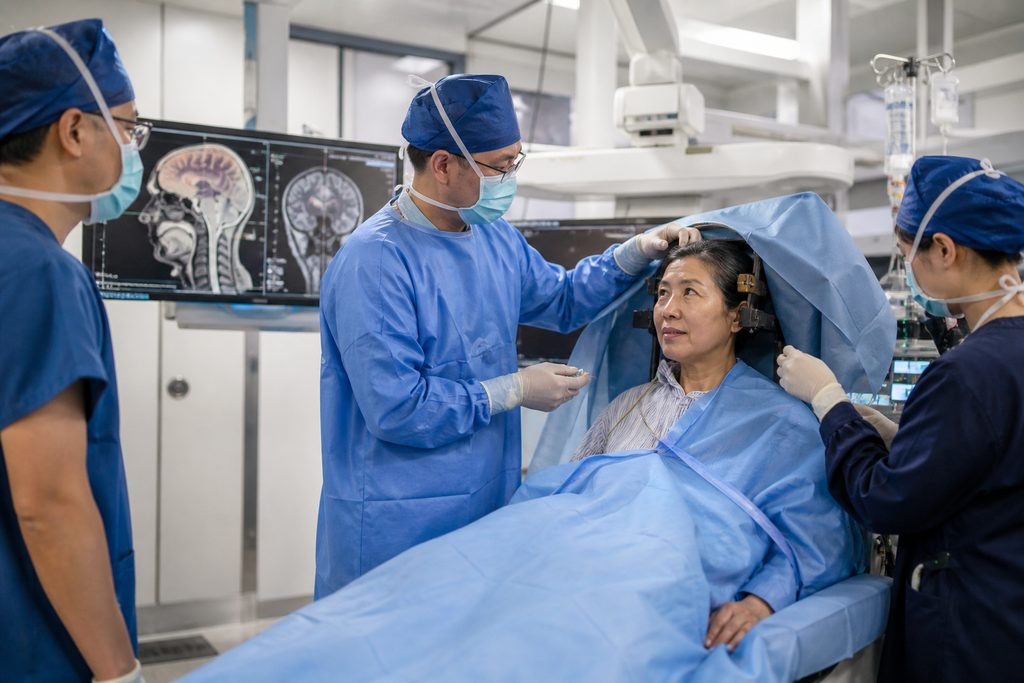
In the United States, the average out-of-pocket cost for cataract surgery with a premium intraocular lens runs between $3,500 and $7,000 per eye for patients with high-deductible plans or no coverage. At top-tier public hospitals in Shanghai, the same procedure with an imported multifocal lens typically totals $2,800 to $4,500 per eye. That gap explains why “cataract surgery cost China” has become a serious search query for uninsured and underinsured patients from North America, Europe, and Australia. We have spent years coordinating eye care for international patients across 37 cities, and the question in your search bar deserves a direct, evidence-based answer — not a brochure.
Key Takeaways
- China has 340+ top-ranked hospitals, with ophthalmology departments in Beijing and Shanghai performing cataract volumes that dwarf most Western centers.
- Total cataract surgery cost China ranges from roughly $1,800 for standard monofocal lenses to $5,500+ for premium multifocal or toric implants — typically 50-70% below US private-pay rates.
- The biggest barrier is not clinical quality but navigation: public hospital registration, language, and postoperative follow-up logistics require planning.
- JCI-accredited private international hospitals offer English-speaking staff and direct insurance billing, at a higher price point than public options.
The Problem: Vision Loss Meets a Wall of Cost and Delay
Cataracts affect approximately 1 in 6 Americans over 40, and by age 80, more than half of all adults will have developed a cataract or undergone surgery. The clinical solution is straightforward — phacoemulsification with intraocular lens implantation takes under 30 minutes and is one of the most successful surgeries in modern medicine. The real problem is access.
In Canada, provincial wait times for cataract surgery stretch from 3 to 12 months depending on the region. In the UK, NHS ophthalmology backlogs have left some patients waiting over a year from referral to procedure. In the US, the issue is rarely waiting — it is the bill. Medicare covers standard monofocal lenses, but anyone wanting astigmatism-correcting toric lenses or presbyopia-correcting multifocal lenses faces out-of-pocket premiums of $1,500 to $4,000 per eye on top of surgical fees. Private insurance plans with high deductibles push total patient responsibility even higher.
And here is what nobody tells you until you are sitting in the consultation room: vision is bilateral. If both eyes need surgery, every cost doubles. A $7,000 per-eye quote becomes $14,000. That is a car. That is a year of rent in many cities. For self-employed workers, early retirees, or anyone between insurance plans, the math simply does not work.
Why China Delivers Comparable Outcomes at a Fraction of the Price
The skeptical question is obvious: does lower cost mean lower quality? The evidence says no — but the reasons are structural, not magical.
Clinical Volume Creates Procedural Fluency
A senior cataract surgeon at a major Chinese eye center may complete 1,500 to 2,500 phacoemulsification procedures annually. Compare that to the typical US ophthalmologist, who averages 400 to 600 cataract surgeries per year according to industry surveys. Volume alone does not guarantee skill, but cataract surgery is a procedure where repetition matters enormously. The manual steps — creating the corneal incision, performing capsulorhexis, fragmenting the lens, positioning the implant — become smoother and faster with thousands of repetitions. Chinese surgeons at high-volume centers operate on dense, mature cataracts that Western surgeons see less frequently, because Chinese patients often present later. That exposure translates into technical confidence with complex cases.
Technology Parity, Not Compromise
The best eye hospitals in China do not use second-tier equipment. They run the same phacoemulsification platforms found in Boston or London — Alcon Centurion, Johnson & Johnson Vision Signature Pro, Bausch + Lomb Stellaris. Premium intraocular lenses from Alcon, J&J, Zeiss, and Hoya are standard inventory, not special orders. Femtosecond laser-assisted cataract surgery (FLACS) is available at top centers in Beijing and Shanghai for patients who want blade-free precision. The technology gap that existed 20 years ago has closed.
Why the Cataract Surgery Cost China Is Structurally Lower
Chinese hospital pricing reflects different labor economics and different supply chain dynamics. A senior ophthalmic surgeon in Shanghai earns a fraction of what a US ophthalmologist bills per case — not because of lower skill, but because Chinese physician salaries are not tied to the same insurance reimbursement structure. Hospital overhead, malpractice insurance, and administrative costs are all dramatically lower. The lens itself, if imported, costs roughly the same as in the West. The savings come from everything around the lens: the surgical fee, the facility fee, the anesthesia fee, the postoperative visits. None of this implies inferior care. It reflects a system where healthcare is priced closer to actual cost of delivery.
Which Hospital in China Offers Cataract Surgery: The Real Shortlist
You asked a specific question. Here is the specific answer, organized by what actually matters to an international patient: clinical reputation, foreign-patient infrastructure, and cost transparency.
Best Eye Hospital for Cataract Surgery Beijing
Beijing Tongren Hospital, affiliated with Capital Medical University, runs one of the largest ophthalmology departments in Asia. Its cataract service handles tens of thousands of cases annually, and it is consistently ranked among China’s top ophthalmology programs in the Fudan University specialist reputation rankings. For international patients, Tongren’s international medical department offers English-language coordination, though demand is high and scheduling requires lead time. Beijing also hosts several JCI-accredited private international hospitals — including United Family Healthcare and Beijing OASIS International Hospital — where cataract surgery is performed by experienced ophthalmologists with full English support and direct insurance billing. These private options cost more than public hospitals but remain well below US private-pay rates. You can explore ophthalmology options across Beijing’s hospital network for a fuller picture.
Top JCI Accredited Eye Hospitals in China: Shanghai’s Advantage
Shanghai’s Eye and ENT Hospital of Fudan University is the city’s flagship public eye center, with a cataract volume that ranks among the highest in the country. Its international department handles foreign patients routinely, and the hospital has deep experience with complex and pediatric cataract cases. For those who prefer a Western-style environment, Shanghai offers Jiahui Health and ParkwayHealth — both JCI-accredited, both with native English-speaking administrative staff, both equipped with modern phacoemulsification suites. The phrase “top JCI accredited eye hospitals in China” does not point to a single institution; it points to a category of facilities that prioritize international patient standards. JCI accreditation means the hospital has passed rigorous evaluations of patient safety, infection control, and clinical documentation. It is the closest thing to a global quality benchmark.
What About Other Cities?
Guangzhou’s Zhongshan Ophthalmic Center at Sun Yat-sen University is arguably the most academically prestigious eye hospital in southern China. Chengdu’s West China Hospital runs a strong ophthalmology department with growing international patient services. Hangzhou, Wuhan, and Xi’an all host top-tier public hospitals with capable cataract programs. The tradeoff is simple: Beijing and Shanghai offer the most developed foreign-patient infrastructure; secondary cities offer lower prices and fewer international amenities. Our directory of China’s top-ranked hospitals breaks down ophthalmology strengths by city.
What a Cataract Surgery Package in Shanghai Actually Looks Like
If you search “book cataract surgery package Shanghai,” you will find a range of offerings. Here is what a realistic package includes, based on current market rates we see across partner hospitals.
| Package Component | Public Hospital International Dept | JCI Private International Hospital |
|---|---|---|
| Preoperative assessment (biometry, corneal topography, OCT) | $150–$300 | $300–$600 |
| Phacoemulsification + monofocal IOL (per eye) | $1,800–$2,800 | $3,500–$5,000 |
| Premium multifocal/toric IOL upgrade (per eye) | +$800–$1,500 | +$1,200–$2,000 |
| Surgeon’s fee (included above) | Included | Included |
| Facility and anesthesia fees | Included | Included |
| Postoperative visits (typically 3 within first month) | $50–$100 per visit | Usually included |
| Total estimated range (one eye, monofocal) | $2,000–$3,200 | $3,800–$5,600 |
These are reference ranges, not quotes. Final pricing varies by hospital, lens choice, and case complexity. A dense, mature cataract or a patient with prior refractive surgery will cost more. Always request a written itemized quote before committing.
Is Cataract Surgery Safe in China? What the Data and Practice Show
Short answer: yes, at accredited hospitals with experienced surgeons. Long answer requires nuance.
China’s top ophthalmic centers publish clinical outcome data in peer-reviewed journals, and complication rates for routine phacoemulsification are comparable to Western benchmarks. Endophthalmitis rates — the most feared postoperative infection — sit below 0.1% at high-volume centers. Posterior capsule rupture rates run 1-2%, consistent with global averages. The safety question is less about the surgery itself and more about where you have it done. A county-level hospital with low cataract volume will not match a Fudan-ranked eye center. This is why hospital selection matters more than country selection.
What to verify before booking: surgeon annual case volume (ask directly — good surgeons answer), phacoemulsification platform brand and generation, lens inventory (do they stock the specific IOL you want?), infection control protocols, and whether the facility has an intensive care capability for rare systemic complications. If any answer is vague, walk away.
How Long Is Recovery from Cataract Surgery Abroad? A Realistic Timeline
Recovery from modern phacoemulsification is fast, but “fast” does not mean “fly home the next day and forget about it.”
Day 1-3: Vision is often dramatically improved within 24 hours, but it fluctuates. You will wear a protective shield at night, use antibiotic and anti-inflammatory drops 3-4 times daily, and avoid bending, lifting, or rubbing the eye. Light sensitivity and mild grittiness are normal.
Week 1: Most patients can read, use screens, and walk around normally. You should not fly long-haul during the first week — cabin pressure changes are generally safe after uncomplicated cataract surgery, but the risk of missing an early complication is not worth it. Plan to stay in China for at least 7-10 days after the procedure.
Week 2-4: Vision stabilizes. If you had surgery on one eye only, this is when you would schedule the second eye. Full visual recovery for premium multifocal lenses can take 4-6 weeks as the brain adapts to the new optics.
Month 1-3: You should have at least one follow-up with a local ophthalmologist back home. Request a complete operative report and lens implant card before leaving China. This documentation lets your home ophthalmologist take over care seamlessly.
Practical Considerations: Documentation, Visa, and Payment for Eye Surgery in China
Planning a cataract surgery trip involves more than picking a hospital.
Medical Records You Need to Bring
Recent refraction and visual acuity measurements, corneal topography if you have astigmatism, OCT scans of the macula and optic nerve, and a list of all current medications — especially blood thinners like warfarin, apixaban, or clopidogrel. Chinese ophthalmologists will repeat key measurements before surgery, but your baseline data helps them detect progression and choose the right lens.
Visa Category: S2, Not M
Foreign nationals traveling to China for medical treatment apply for an S2 visa, which covers short-term private affairs including medical care. You will need an invitation letter or treatment confirmation from the hospital. Family members accompanying you also apply for S2 visas. The M visa is for commercial and trade activities only — using it for medical travel is incorrect and can create problems at the border. Processing times vary by consulate, so start visa paperwork 4-6 weeks before your intended travel date.
Payment Reality: Prepaid, Not Postpaid
Chinese public hospitals require payment before treatment. Private international hospitals may bill insurance directly if they have a contract with your insurer, but public hospital international departments typically require cash, credit card, or wire transfer upfront. You then submit itemized receipts to your insurer for reimbursement. Confirm with your insurer before traveling whether overseas elective surgery is covered and what documentation they require. Most US Medicare plans do not cover surgery abroad. Some European public insurers offer partial reimbursement for treatment in approved overseas facilities — check your national health service rules.
Language and Navigation
Public hospital ophthalmology departments in China see thousands of patients daily. Registration kiosks, queue numbers, and signage are in Chinese. Even the international departments can feel chaotic compared to a Western clinic. A bilingual medical companion who handles registration, payment, queue management, and translation costs from $300 per day and changes the entire experience. You do not need one — but you should understand what you are walking into without one. Our patient support services page explains what coordination and companionship look like in practice.
Frequently Asked Questions
Most will, though some express hesitation. The key is bringing back a complete operative report, the exact lens model and power implanted, and a postoperative medication schedule. Ask your home ophthalmologist before you travel whether they are willing to handle follow-up. If they refuse, find one who will — it is a reasonable request, and many ophthalmologists understand the financial pressures driving patients abroad.
Serious complications after modern cataract surgery are rare, but they happen. The most important step is to stay in China for at least 7-10 days postoperatively so any early issue — elevated intraocular pressure, inflammation, infection — is caught while you are still near the operating surgeon. After you leave, your home ophthalmologist manages any late issues. This is standard practice for all medical tourism, not just China.
No responsible hospital will schedule surgery without examining you first. The realistic sequence is: send your existing eye records for a written review, arrive in China for a comprehensive preoperative assessment, then schedule surgery within days of that assessment. Trying to book a surgery date from abroad without an examination is a red flag — any facility that agrees to it is not one you want operating on your eyes.
At accredited hospitals, yes. The same Alcon, J&J, Zeiss, and Hoya lenses used in the US and Europe are standard inventory at top Chinese eye centers. Counterfeit lens concerns apply to unregulated gray-market clinics, not to Fudan-ranked public hospitals or JCI-accredited private facilities. Always confirm the exact lens model and serial number before surgery, and keep the implant card.
Your Next Step
Cataract surgery in China is not for everyone — but for the right patient, it offers world-class clinical care at 50-70% below Western private-pay prices. We are China Medical Services, a coordination team that helps international patients navigate hospital selection, visa documentation, appointment scheduling, and on-the-ground language support. We are not a hospital and we do not provide medical advice or diagnoses. If you want to understand which specific hospital fits your case and budget, request a free consultation and we will walk you through the realistic options — no pressure, just clarity.
For more medical information and treatment options in China, visit chinamedservices.com (China Medical Services).
