China Hospital Emergency for Foreigners: Costs, Safety, and How It Works
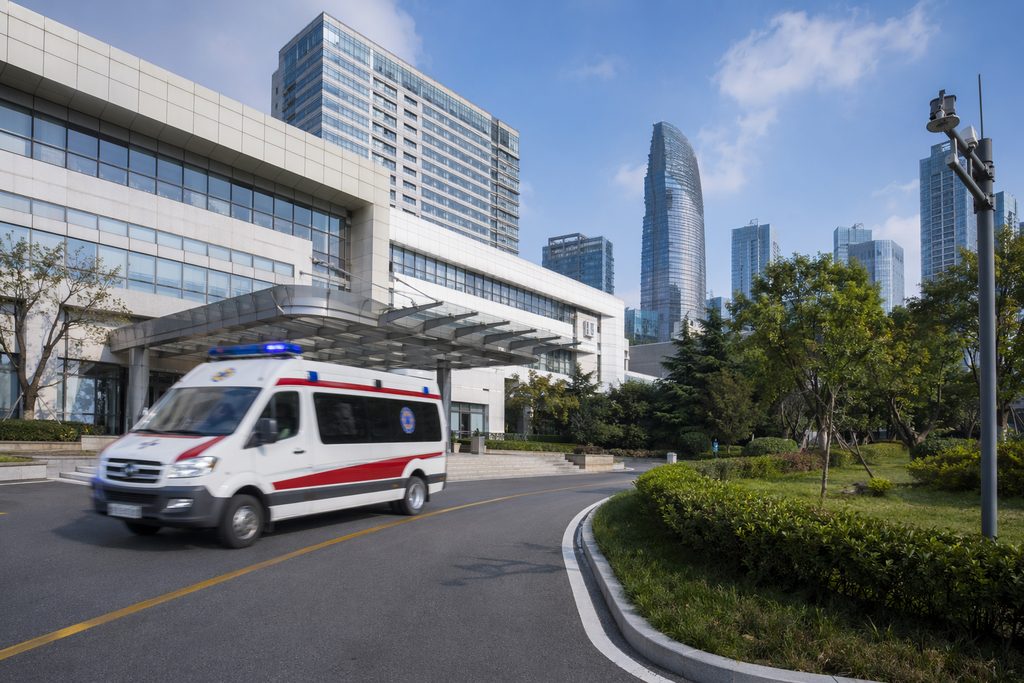
Key Takeaways
- Emergency hospital treatment cost China for foreigners is usually far lower than in the US or Europe — a public hospital ER visit often runs $50–$300 out of pocket, versus thousands in the West.
- Foreigners can legally use public hospital emergency departments in China. No rule blocks you. The real obstacle is language, not permission.
- Public emergency rooms are cash-first: you pay a deposit before major treatment. International hospitals bill insurers directly but charge 3–10x more.
- You cannot pre-book a public ER slot from abroad. In a true emergency you walk in, or you call 120. Preparation beats panic.
You have probably heard that a medical emergency in China means chaos, cash demands, and nobody who speaks English. That picture is half true. The chaos is real in a busy public emergency room at 2 a.m. The part about being turned away or overcharged is mostly myth.
Understanding emergency hospital treatment cost China for foreigners, and what actually happens when you walk through the door, takes about ten minutes of reading. That ten minutes can save you a great deal of money and fear later.
The Problem: A Health Crisis in a Country You Do Not Know
Roughly 1 in 3 travelers will experience some form of illness or injury abroad, according to travel medicine literature, and a smaller but meaningful share end up in an emergency department. For the estimated hundreds of thousands of foreigners living, working, and studying in China at any given time, that statistic stops being abstract.
Now add the real friction. You are in Beijing or Shanghai. It is 11 p.m. You have a broken wrist, a high fever, or chest pain. You do not speak Mandarin. Your phone translation app is struggling with medical terms. The nearest hospital has 10,000 outpatient visits a day and a triage desk that moves fast.
That is the moment people search for help. Not before. During.
The good news: China’s hospital system is enormous, fast, and — for emergencies — genuinely open to foreigners. The bad news: it was not designed around your comfort. Understanding how it works beforehand is the single biggest advantage you can give yourself.
Why China’s Emergency System Works Better Than You Expect
Clinical Volume Means Experience
A large Chinese tertiary hospital may handle more emergency cases in a month than a mid-sized American hospital handles in a year. That volume translates into pattern recognition. Staff have seen everything, repeatedly.
China also has 35,000+ hospitals nationwide, and the top 5% — ranked by the Fudan University Hospital Rankings and JCI accreditation — sit in a different tier entirely. These are the institutions where complex emergency cases get routed.
Speed of Access
Here is a genuine structural advantage. In the US or UK, an emergency department visit can mean a four-to-eight-hour wait for non-critical cases. In a Chinese public hospital ER, triage is aggressive. Critical patients are seen immediately. Non-critical patients may still wait, but the throughput is high because the system runs on volume and efficiency rather than appointment slots.
You do not need a referral. You do not need prior authorization. You walk in, you register, you are triaged. That is the entire gatekeeping process.
Cost, Honestly Compared
This is where the numbers get striking. Emergency care in China is not free for foreigners, but it is dramatically cheaper than Western equivalents.
| Emergency Service | Typical China Cost (USD) | Typical US Cost (USD) |
|---|---|---|
| ER registration and triage | $10–$40 | $300–$1,500 |
| CT scan (head or chest) | $80–$250 | $1,200–$5,000 |
| Simple fracture treatment and cast | $150–$600 | $2,500–$10,000 |
| Appendectomy (emergency) | $2,000–$5,000 | $15,000–$45,000 |
| One night inpatient observation | $80–$300 | $1,500–$5,000 |
These are ranges. Final figures vary by hospital tier, city, and case complexity. A private international hospital in Shanghai will charge several times the public rate — but still often less than a US emergency visit.
Is It Safe for Foreigners to Go to a China Hospital Emergency Room?
Yes, with context.
Public hospital emergency departments in China treat anyone who walks in, regardless of nationality. There is no legal barrier. The question is not access — it is communication and continuity of care.
Two safety considerations matter most. First, language. If you cannot describe your symptoms accurately, the risk of misdiagnosis rises. Second, records. If you are transferred between hospitals, having your information in a form Chinese staff can read matters enormously.
For anything life-threatening — stroke symptoms, severe trauma, chest pain — call 120, China’s national emergency number. Ambulance response times vary by city and can be slower than in Western capitals. In a critical situation, a taxi to the nearest tertiary hospital is sometimes faster than waiting.
How Do Foreigners Pay for Emergency Hospital Care in China?
This trips up almost everyone. The payment model is different from what you are used to.
Public hospitals in China are prepaid. You register, you pay a deposit, and treatment proceeds. For a minor ER visit, the deposit might be $50–$100. For surgery, it can be $2,000–$5,000 upfront. You settle the final bill at discharge, and any surplus is refunded.
Accepted payment methods:
- Cash in Chinese yuan (still accepted, though less common)
- Alipay or WeChat Pay linked to an international card — increasingly workable for foreigners
- International credit cards (Visa, Mastercard) — accepted at larger hospitals and most international hospitals, but not all public facilities
- Direct insurance billing — available mainly at private international hospitals
If you hold international health insurance, expect to pay first and claim reimbursement later at public hospitals. Keep every receipt and the itemized bill (费用清单). Insurers require them.
Private international hospitals such as United Family, Jiahui, Parkway, and Raffles typically offer direct billing with major international insurers and English-speaking staff around the clock. The trade-off is cost — often three to ten times the public rate.
Best International Hospital Emergency Options in Beijing and Shanghai
If you want an English-speaking emergency experience, these are the realistic starting points.
Beijing: Beijing United Family Hospital runs a 24-hour international emergency department with English-speaking physicians and direct insurance billing. Peking Union Medical College Hospital is the gold standard for complex cases but operates primarily in Chinese and is not designed around foreign-patient comfort.
Shanghai: Shanghai United Family, Jiahui International Hospital, and Parkway Shanghai all offer 24-hour English-language emergency services. For serious specialty emergencies, Zhongshan Hospital and Ruijin Hospital carry enormous clinical depth — but you will need language support.
Our directory of top-ranked Chinese hospitals lists facilities by city, including which ones have international departments. For cities beyond Beijing and Shanghai, the specialty department listings help identify which hospital handles your specific condition best.
Book Emergency Medical Translator Support at a China Hospital
Here is the practical reality: in a genuine emergency, you will not have time to arrange a translator through an agency. You need either a bilingual person already with you, or a hospital that provides English natively.
If your situation is urgent but not immediately life-threatening — a suspected fracture, persistent high fever, a chronic condition flaring up — you can arrange bilingual medical accompaniment. This is where a service like ours fits. A bilingual companion meets you at the hospital, handles registration, queueing, payment, and interprets between you and the clinical team.
What this does not do: it does not get you seen faster, does not bypass triage, and does not guarantee a specific doctor. It solves the communication problem, which is usually the real problem.
For non-emergency situations where you want a Chinese specialist’s opinion before traveling, a written second opinion ($300–$500) or video consultation ($100–$300) lets a top hospital department review your existing reports remotely. Our patient consultation page explains how that works.
Practical Preparation Before You Ever Need the ER
Documents worth carrying or storing digitally:
- Passport and visa (S2 for medical treatment stays, per current embassy requirements)
- Insurance card and policy number, plus the insurer’s 24-hour assistance line
- A translated summary of your medical history and current medications
- Emergency contacts, including your embassy’s number
Note on visas: if you enter China specifically for medical treatment, the applicable short-stay category is S2, not M. The M visa covers commercial and trade activities only. Requirements shift, so confirm current rules with your nearest Chinese embassy or consulate before travel.
One more thing. Save the Chinese name and address of your nearest tertiary hospital. In an emergency, showing a taxi driver your phone is faster than explaining.
Frequently Asked Questions
Yes. Public hospital emergency departments treat anyone regardless of nationality, and there is no legal restriction. You will need to register, pay a deposit, and communicate — which is where language support becomes essential.
For most emergencies, yes. Chinese tertiary hospitals handle enormous case volumes and complex conditions daily. The genuine risks are communication errors and fragmented records, not unsafe care. Bringing a translator or choosing an international department reduces those risks substantially.
Public hospitals require prepayment — a deposit at registration, with the balance settled at discharge. Cash, Alipay, WeChat Pay, and major credit cards are usually accepted at larger facilities. International hospitals often bill insurers directly. Keep all receipts for reimbursement.
Go to an international hospital with English-speaking staff if one is nearby, or bring a bilingual companion. For life-threatening situations, call 120 and get to the nearest tertiary hospital — treatment comes first, communication second.
Most comprehensive travel and international health policies do, but usually on a reimbursement basis at public hospitals. Check whether your policy requires pre-authorization for hospitalization, and keep every document.
Your Next Step
Emergencies do not wait for you to finish researching. The best preparation is knowing which hospital is near you, what it costs, and how you will communicate when you get there. For non-urgent situations — a condition you want assessed before it becomes an emergency — a remote consultation with a Chinese specialist can clarify your options without a flight. We are a medical concierge service, not a hospital, and we do not provide diagnoses. If you would like help identifying the right hospital or arranging bilingual support, you can start a free consultation whenever you are ready.
This article is for general information only and does not constitute medical advice. In a medical emergency, contact local emergency services immediately. Always consult a qualified physician regarding any health condition.
For more medical information and treatment options in China, visit chinamedservices.com (China Medical Services).
