China Medical Second Opinion: Expert Review of Your Diagnosis and Treatment Plan
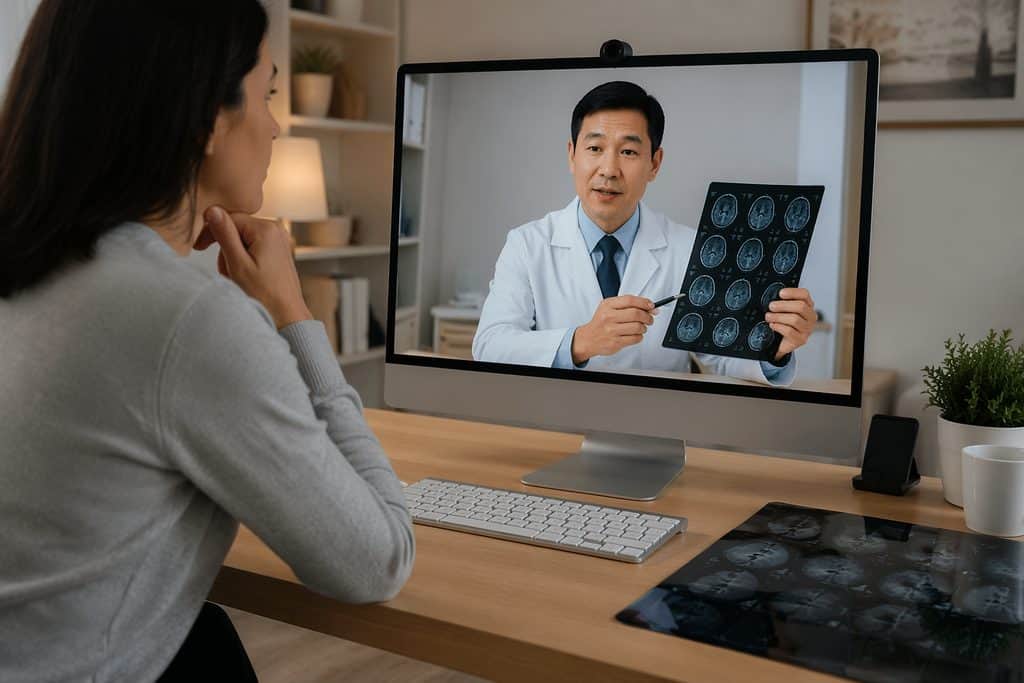
When 42-year-old Michael first heard the oncology diagnosis, he had no idea where to start looking for a second opinion. His local hospital had given him a treatment protocol, but something gnawed at him. Was the staging correct? Had every viable option been considered? A colleague mentioned China’s high-volume cancer centers, where specialists see rare presentations that might appear once in a career elsewhere. Michael found himself searching for a “China medical second opinion service” — and discovered a pathway he didn’t know existed. The China medical second opinion cost typically ranges from $300 to $500 for a written review by a top-tier specialist, a fraction of what repeat diagnostics and consultations would run at home. But the real value isn’t the price tag. It’s the access to clinicians who review thousands of cases annually in their narrow subspecialty.
This article walks through what a remote second opinion from a Chinese hospital actually involves, who should consider one, and what the process looks like from start to finish. No fluff. Just what our team has learned coordinating these reviews for international patients.
What a China Medical Second Opinion Actually Delivers: The Short Answer
A remote second opinion from a Chinese specialist is a written analysis of your existing medical records — imaging, pathology slides, lab reports, and your current treatment plan. You send what you have. A senior clinician at one of China’s top-ranked hospitals reviews it. You receive a detailed report covering whether they agree with your diagnosis, staging, and proposed treatment, along with alternative approaches if the evidence supports them.
This is not a prescription. It is not a treatment relationship. It is a professional clinical review designed to confirm, refine, or challenge your current plan. For many patients, that’s exactly what they need before committing to a major intervention.
The entire process — from document submission to receiving the report — typically takes 5 to 10 business days. Urgent reviews can sometimes be expedited, but that depends on specialist availability and the complexity of the case.
Who This Is Right For — and Who It Isn’t
A remote second opinion isn’t for everyone. The patients who benefit most share a few common characteristics. They have a complex or rare diagnosis where treatment guidelines aren’t clear-cut. They’ve been given a treatment plan with significant side effects or life-altering consequences — surgery, long-term chemotherapy, organ removal — and want another set of eyes before proceeding. Or they’ve hit a wall with their current treatment and need fresh thinking.
Good candidates typically have organized medical records they can access and share. They understand English (the written report is delivered in English, translated by hospital international departments). They’re comfortable with a remote, document-based process rather than an in-person visit.
Now, who should probably skip this. If your diagnosis is straightforward — a simple fracture, a routine infection, a well-characterized condition with clear standard-of-care treatment — a remote second opinion adds little value. If you need an immediate in-person intervention and cannot wait 5 to 10 days, this is the wrong tool. And if your records are incomplete, disorganized, or unavailable, the specialist simply won’t have enough to work with. A review is only as good as the data behind it.
The Options, Compared
Not all second opinions work the same way. The table below breaks down the three main pathways available to international patients seeking a Chinese specialist’s review.
| Feature | Written Second Opinion | Video Consultation | Proxy In-Person Consultation |
|---|---|---|---|
| Format | Written report in English | Live video with specialist | Representative attends hospital, reports back |
| Typical cost | $300–500 | $500–800 | $800–1,200 |
| Turnaround | 5–10 business days | 7–14 days to schedule | Varies by hospital queue |
| Best for | Confirming diagnosis and treatment plan | Asking follow-up questions, discussing nuances | When the patient cannot travel but needs hospital registration |
| Requires travel | No | No | No (representative goes in your place) |
| Includes direct Q&A | No | Yes | Limited, via representative |
The written second opinion is the most common starting point. It’s affordable, fast, and gives you a document you can take back to your local doctor. If the written review raises questions you want to discuss live, you can upgrade to a video consultation later. And if you decide to pursue treatment in China, any second opinion or consultation fee is credited in full toward the on-the-ground coordination service within 90 days — a one-time credit applied to the coordination fee, never to hospital treatment charges.
How to Get a Chinese Doctor to Review Your MRI and Treatment Plan
You don’t need to speak Chinese. The international departments at hospitals like Zhongshan Hospital in Shanghai or Peking Union Medical College Hospital in Beijing handle the entire process in English. You submit your records. They coordinate with the specialist. You receive the report in English. The language barrier sits on their side of the table, not yours. That said, working with a case management team streamlines the process — we handle document formatting, translation quality control, and specialist matching so you’re not navigating hospital bureaucracy from abroad.
That’s the point of getting a second opinion. A disagreement isn’t a problem — it’s information. You take both opinions to your treating physician and discuss. Sometimes the Chinese review confirms your original plan, which provides peace of mind. Sometimes it suggests an alternative worth exploring. Rarely, it identifies a significant concern — a missed finding on imaging, a staging error, an outdated protocol. In those cases, the second opinion may change your treatment trajectory. The key is that you’re making decisions with more data, not less.
Yes. The written second opinion can serve as the starting point for treatment planning if you decide to pursue care in China. But it does not guarantee admission or bypass the standard hospital intake process. You would still need to travel to China, complete an in-person consultation, and follow the hospital’s admission procedures. The second opinion gives the Chinese team a head start — they already know your case. That can shorten the evaluation period once you arrive.
That depends on your doctor. Some welcome outside input. Others resist it. The report comes from a credentialed specialist at an accredited hospital — it’s not an anonymous internet opinion. Most reasonable physicians will at least read it and discuss it with you. If your doctor refuses to engage with a second opinion from a legitimate medical institution, that may itself be information worth considering.
Your Next Step
A remote second opinion won’t solve every uncertainty. But it can give you something rare in medicine: a genuinely independent perspective from a clinician who has no stake in your original treatment plan. For patients facing high-stakes decisions, that perspective is worth the investment.
Our team at China Medical Services coordinates these reviews daily. We are not a hospital. We do not diagnose or treat. What we do is handle the logistics — document preparation, specialist matching at China’s top-ranked hospitals, translation, and delivery — so you get a thorough, timely review without navigating an unfamiliar system alone. If you’re considering a second opinion from a Chinese specialist, we can help you understand whether it makes sense for your situation and what the process would look like. No pressure. Just a conversation.
Getting a diagnosis verified is a rational step, not a sign of doubt in your current care team. The best clinicians welcome it.
Frequently Asked Questions
Yes. The hospitals used for international patients are JCI-accredited and follow the same international safety standards as top hospitals in the US and Europe. Surgical teams perform high volumes of procedures — often more than their Western counterparts — which studies show leads to better outcomes.
Costs vary by procedure and hospital, but international patients typically save 40-80% compared to US prices — even when factoring in travel and accommodation. A consultation with our team will give you an exact, all-inclusive quote with no hidden fees.
Send us your existing medical reports to get started. We handle everything from hospital selection and appointment scheduling to visa assistance and post-operative recovery planning. Your medical records are reviewed by the specialist before you even book a flight.
For more medical information and treatment options in China, visit chinamedservices.com (China Medical Services).
