Treatment in China for Southeast Asian Patients: Costs, Hospitals, and How to Start
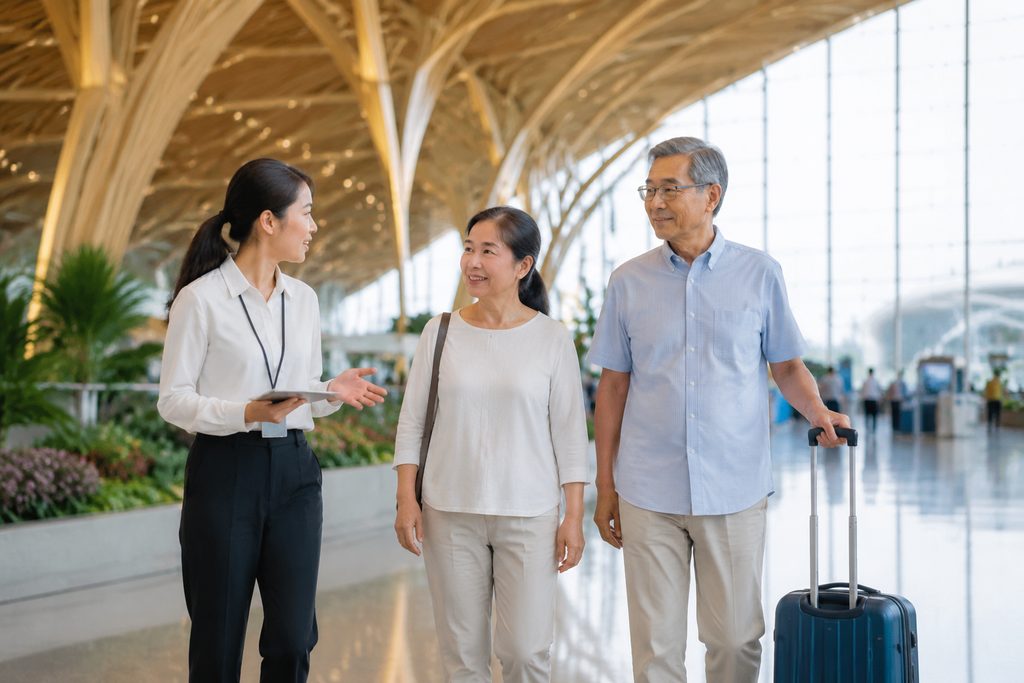
Treatment in China for Southeast Asian Patients: Costs, Hospitals, and How to Start
A coronary artery bypass graft at a top Chinese public hospital typically runs between $12,000 and $20,000. The same procedure in the United States averages well over $120,000. For patients across Indonesia, Vietnam, the Philippines, Thailand, and Malaysia, that gap is the single biggest reason medical tourism China cost comparisons keep landing on the same conclusion: China is now one of the most cost-effective destinations for serious surgery — without flying to the other side of the world.
Distance matters more than most people admit. A patient in Jakarta or Manila can reach Guangzhou in four to five hours. Bangkok to Kunming is under three. That proximity changes everything about recovery, family support, and follow-up care.
This guide walks through what treatment in China actually costs, which hospitals accept international patients, how the S2 visa works, and where the real friction points are.
How This Actually Works, Step by Step
Most international patients assume they can book a specialist appointment online, fly in, and get treated. That is not how Chinese public hospitals operate. Understanding the real sequence saves weeks of wasted effort.
Step one: you send your existing records. Not a summary — the actual imaging files, pathology reports, lab results, and discharge summaries. Our team arranges certified translation into Chinese, since hospital specialists review in their own language.
Step two: a Chinese specialty team reviews the file. Depending on your case, this happens as a written second opinion, a video consultation, or both. A written second opinion from a top-tier hospital specialist typically costs $300–500. A video consultation with a regular tertiary hospital international department runs $100–300; with a top specialist, $500–800. Complex cases sometimes warrant a multidisciplinary team review at $1,500–2,000.
Step three: you get a written assessment. It covers whether treatment in China is appropriate for your condition, which hospital and department fits best, an estimated cost range, and a realistic timeline. This is analysis, not a prescription — final decisions always rest with the treating physician.
Step four: appointment coordination. If you decide to proceed, we coordinate registration through the hospital’s official international department or VIP channel. Appointment coordination starts from $300, and if we cannot secure the appointment you were quoted, that fee is refunded in full.
Step five: you arrive, and the in-person process begins. Outpatient consultation first. Surgery or admission is scheduled only after a doctor has examined you face to face — this is a firm rule at Chinese public hospitals, and no service can bypass it.
Step six: recovery and follow-up. Bilingual accompaniment continues through admission, discharge, and any follow-up visits. Records are prepared in English for your doctor back home.
What Surgery and Treatment Cost in China: Real Numbers
How much does surgery cost in China? It depends on the hospital tier, the complexity of your case, and whether you use the standard public channel or the international/VIP channel. The VIP route gives you senior specialists and English-speaking staff, but prices run roughly 1.5 to 2 times the standard channel.
| Procedure | China (top public hospital) | United States | Typical Southeast Asia private |
|---|---|---|---|
| Coronary artery bypass | $12,000–20,000 | $120,000+ | $25,000–40,000 |
| Knee or hip replacement | $8,000–15,000 | $35,000–60,000 | $15,000–25,000 |
| Spinal fusion | $10,000–18,000 | $80,000–150,000 | $18,000–30,000 |
| Cancer surgery (varies widely) | $10,000–30,000 | $50,000–200,000 | $20,000–45,000 |
| IVF cycle | $5,000–10,000 | $12,000–25,000 | $8,000–15,000 |
These are ranges, not quotes. Final pricing varies by hospital and case complexity, and every figure should be confirmed after a specialist has reviewed your records. What the table does show is the structural advantage: on major surgery, China’s top public hospitals often land at one-fifth to one-tenth of US pricing.
Public hospitals require prepayment, with insurance reimbursement handled afterward in most cases. Private international hospitals — United Family, Jiahui, Parkway, Raffles among them — frequently offer direct insurance billing and English-speaking staff throughout.
A Realistic Timeline
Patients routinely underestimate how long the front end takes. Here is what a typical case looks like, from first contact to recovery.
| Stage | Typical duration | What happens |
|---|---|---|
| Records collection and translation | 3–10 days | You gather imaging, reports, and history; certified Chinese translation is prepared |
| Specialist review or consultation | 3–7 days | Written second opinion or video call with the relevant department |
| Hospital selection and appointment coordination | 1–3 weeks | International department registration; VIP channel lead times can run longer |
| S2 visa application | 1–3 weeks | Requires hospital invitation and treatment documentation; processing times vary by consulate |
| Travel and first outpatient visit | 2–5 days after arrival | Face-to-face consultation; admission or surgery scheduled afterward |
| Surgery and hospital stay | 3–14 days | Depends entirely on procedure and recovery |
| Local recovery before flying home | 1–4 weeks | Follow-up checks, wound care, fitness-to-fly confirmation |
Add buffer time. Visa processing slows around holidays, and top specialists in high-demand departments can have appointment queues measured in weeks, not days.
What Can Go Wrong — and What Happens Then
Honest planning means naming the failure modes.
The specialist declines your case. It happens. Some conditions are better managed closer to home, and a good second opinion will say so. You have lost the consultation fee and gained clarity — which is far cheaper than flying in and finding out at the hospital door.
The visa is delayed. S2 applications require supporting hospital documents, and consulates set their own timelines. If your travel date is tight, the appointment may need to shift. We flag this early rather than after you have booked flights.
The quoted price changes. Estimates are based on records. Once a surgeon examines you in person, the plan — and the cost — can adjust. This is normal medicine, not a bait-and-switch, but you should budget a margin.
The appointment you wanted is unavailable. We do not promise a specific doctor or a specific surgery date. What we promise is a genuine attempt to coordinate, and a full refund of the coordination fee if the quoted appointment cannot be secured.
Language breaks down anyway. A hospital with 10,000+ daily outpatient visits is overwhelming even for Mandarin speakers. Bilingual medical accompaniment starts from $300 per day and covers registration, queuing, payment, wayfinding, and translation. It is not a luxury here — it is the difference between a smooth process and a chaotic one.
Choosing the Right Hospital for Your Case
China has more than 35,000 hospitals. The ones worth your attention sit in the top 5%, ranked by the Fudan Hospital Ranking and JCI accreditation. Our database covers 340+ top-ranked hospitals across 37 cities.
Where you go depends on what you have. Beijing hosts 21 of the Fudan Top 100 hospitals, Shanghai 18, Guangzhou 10. For cardiac surgery, Fuwai Hospital in Beijing performs over 14,000 cardiac operations a year — among the highest volumes anywhere. For complex internal medicine, Peking Union Medical College Hospital and West China Hospital in Chengdu are long-standing referral centers. Guangzhou’s Sun Yat-sen University hospitals are a natural fit for Southeast Asian patients, given the shorter flight and large Cantonese-speaking communities.
Two practical filters help. First, check whether the hospital has a dedicated international department — this is what makes English-language coordination and advance scheduling possible. Second, look at specialty rankings rather than overall reputation. A hospital ranked among China’s top 10 for oncology may be mid-tier for orthopedics. Our department-by-department rankings break this down across 45 specialties.
Private international hospitals are worth considering for diagnostics, health screening, and minor procedures. They offer Western-style care, direct insurance billing, and shorter waits — at higher prices. For major surgery, the public tertiary system remains the volume and expertise leader.
Practical Considerations: Visas, Payment, and Records
Get the visa category right, because this is where misinformation circulates most.
Foreign patients coming to China for medical treatment use the S2 visa, annotated for medical purposes. Stays exceeding 180 days require the S1. Accompanying family members apply for S2 as well. The M visa is a commercial and trade visa and has nothing to do with medical treatment — if anyone tells you otherwise, they are wrong. Requirements shift, so always confirm current documentation with the Chinese embassy or consulate in your country.
For Southeast Asian patients specifically, the China medical visa process is usually straightforward: a hospital invitation letter, proof of appointment, financial documentation, and a valid passport. Processing typically takes one to three weeks, though this varies by consulate and season.
On payment: public hospitals require prepayment before treatment, with insurance reimbursed afterward. Private international hospitals often bill insurers directly. Bring more than one payment method, and confirm currency and card acceptance with the hospital’s international department in advance.
Records are the other quiet trap. Bring original imaging on physical media or secure cloud links, not just printed reports. Radiologists re-read images, and a missing DICOM file can delay surgery by days.
Traditional Chinese medicine is a separate pathway worth knowing about. Acupuncture, tuina, and herbal therapy are widely used for chronic pain, rehabilitation, and post-surgical recovery. Our TCM hospital guide covers which institutions accept international patients and what to expect.
Frequently Asked Questions
China’s top-tier hospitals meet international standards, and many hold JCI accreditation. Surgical volumes at leading centers are among the world’s highest, which correlates with better outcomes for complex procedures. That said, safety depends on choosing the right hospital for your specific condition — which is exactly why a written second opinion before travel matters.
For major procedures, top Chinese public hospitals typically cost one-fifth to one-tenth of US prices, and often 30–50% less than private hospitals in Singapore or Thailand. Exact figures vary by hospital and case complexity, so treat any number as a range until a specialist has reviewed your records.
You can secure an outpatient appointment through a hospital’s international department in advance. You cannot lock in a surgery date remotely — Chinese public hospitals require an in-person consultation first. Any provider promising a guaranteed surgery date before you arrive is overpromising.
There is no single answer. For cardiac surgery, Fuwai Hospital in Beijing is a global volume leader. For complex diagnostics, Peking Union Medical College Hospital. For proximity to Southeast Asia, Guangzhou’s tertiary hospitals are a strong practical choice. Match the hospital to your condition, not to a generic ranking. Our Fudan Top 100 hospital directory groups options by city and tier.
Southeast Asian patients traveling for treatment apply for the S2 visa with medical annotation, supported by hospital documentation. Processing generally takes one to three weeks, but consulate timelines vary. Confirm current requirements with your local Chinese embassy before booking travel.
Your Next Step
Treatment in China for Southeast Asian patients has become genuinely practical — shorter flights, world-class surgical volume, and costs that often land at a fraction of Western pricing. The catch is that the system rewards preparation and punishes improvisation.
We are China Medical Services. We are not doctors, and we do not provide medical advice or guarantee outcomes. What we do is translate records, connect you with the right hospital department, coordinate appointments through official channels, and put a bilingual companion beside you from arrival to discharge.
The sensible first move is a written second opinion or a video consultation — a modest cost that tells you whether traveling to China makes sense for your case at all. If you would like to explore that, start with a free consultation. No pressure, no obligation, just a clear picture of your options.
This article is for general information only and does not constitute medical advice. Treatment decisions should always be made with a qualified physician who has reviewed your individual case.
For more medical information and treatment options in China, visit chinamedservices.com (China Medical Services).
