Why Choose China for Medical Treatment in 2026: The Full Picture
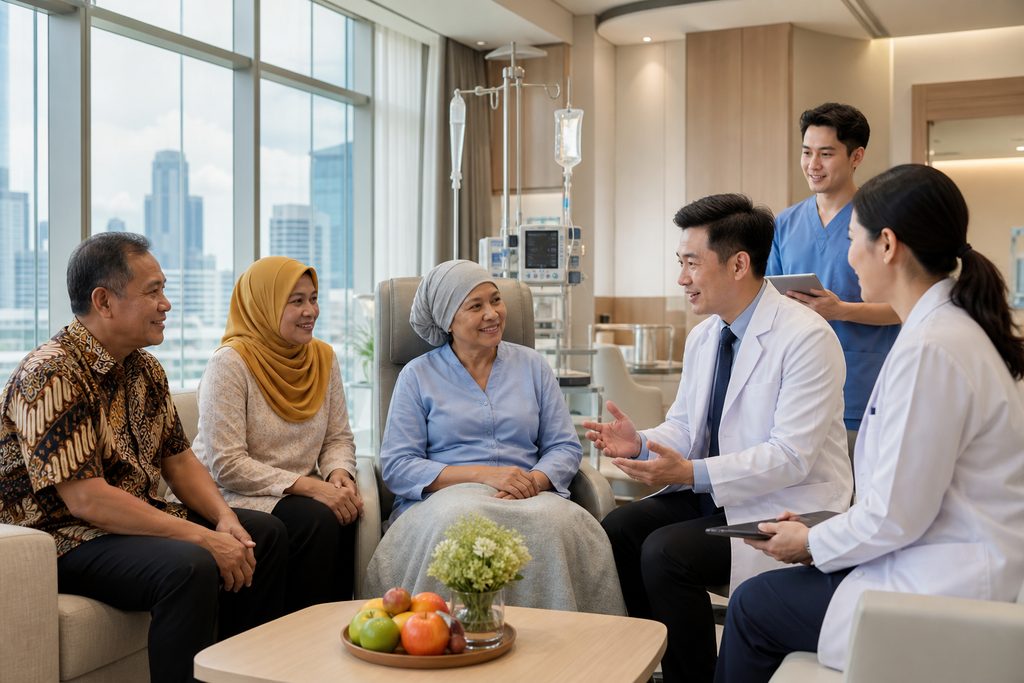
You’ve probably heard that choosing China for medical treatment means trading quality for affordability. The reality is more complicated — and often the opposite. China now operates over 35,000 hospitals, and the top 5% — roughly 340+ top-ranked institutions across 37 cities — routinely handle case volumes that dwarf Western centers. Fuwai Hospital in Beijing performs over 14,000 cardiac surgeries annually, making it the highest-volume heart center globally. That repetition breeds a specific kind of clinical fluency you simply cannot replicate in a hospital doing 800 cases a year.
But volume alone doesn’t answer your question. You’re weighing something harder: whether the logistics, language barriers, and distance justify the savings. This article gives you the full picture for 2026 — costs, hospital selection, visa steps, realistic timelines, and what happens when things don’t go as planned. We’ll also address the question many patients quietly ask: where is the best hospital in China for cancer treatment, and how do you actually access it as a foreigner?
How This Actually Works, Step by Step
The sequence from “considering China” to “recovering at home” follows a predictable path. Here’s the real sequence, not the brochure version.
You send your existing medical records — imaging, pathology reports, blood work, current medication list. Our team translates them into Chinese and routes them to the appropriate specialty department at a hospital matched to your condition. A senior specialist reviews the file. Within 5 to 10 business days, you receive a written assessment: whether your case is treatable in China, which approach they’d recommend, and whether they need to see you in person before committing to a surgical plan.
That written second opinion costs between $300 and $500 for a top-tier specialist review. It’s not a prescription. It’s a directional document — for reference only. Many patients stop here. The opinion alone tells them whether traveling is worth it.
If you decide to proceed, the next step is a video consultation. You speak directly with the treating team, usually for 30 to 45 minutes, through a medical interpreter. You ask your questions. They refine the plan. This costs $100 to $300 for a standard international department consultation, or $500 to $800 for a top-specialist video session.
Only after both steps do you book travel. This staged approach prevents the expensive mistake of flying to China before a doctor has confirmed they can actually help you.
What “Best Hospital” Actually Means in China — and Where Cancer Patients Should Look
Not through the standard public hospital pathway. Public hospitals require an in-person consultation before scheduling surgery. Through the international department or VIP channel, you can secure a confirmed appointment with a named specialist before you fly, but the surgery date itself is scheduled after that consultation and any required pre-operative testing. Anyone promising a locked surgical date before you’ve been seen is not being honest with you.
Yes, but only within registered clinical trials or hospital ethics committee-approved protocols for specific indications. Unregulated clinics offering broad stem cell treatments outside trial frameworks operate illegally and should be avoided. Legitimate treatment requires documented eligibility and informed consent through a formal trial structure.
China operates a national organ allocation system under strict legal oversight. Foreign patients may access transplant services through formal hospital channels, subject to the same medical eligibility criteria as domestic patients. We do not promise donor availability or accelerated waitlist placement. Any service making such promises should be treated with extreme skepticism.
You receive that answer in writing, with the clinical reasoning, and you do not travel. The written second opinion costs $300 to $500 and exists precisely to prevent unnecessary travel. If the opinion leads to treatment in China, that fee is credited in full toward our on-the-ground coordination service.
Your Next Step
The decision to pursue medical treatment abroad is never purely financial. It’s about access, timing, and trust. China’s top hospitals offer genuine clinical depth at a fraction of Western prices — but only if you navigate the system correctly.
We are China Medical Services, a coordination team that connects international patients with China’s top-ranked hospitals. We do not practice medicine, and we do not promise outcomes. What we do is handle the logistics: records translation, hospital matching, appointment coordination, visa documentation, and bilingual companionship on the ground. If you’re still deciding, start with a free consultation. Send your records. Get an honest answer about whether China makes sense for your case.
That’s the first step. It costs you nothing but a conversation.
Frequently Asked Questions
Yes. The hospitals used for international patients are JCI-accredited and follow the same international safety standards as top hospitals in the US and Europe. Surgical teams perform high volumes of procedures — often more than their Western counterparts — which studies show leads to better outcomes.
Costs vary by procedure and hospital, but international patients typically save 40-80% compared to US prices — even when factoring in travel and accommodation. A consultation with our team will give you an exact, all-inclusive quote with no hidden fees.
Send us your existing medical reports to get started. We handle everything from hospital selection and appointment scheduling to visa assistance and post-operative recovery planning. Your medical records are reviewed by the specialist before you even book a flight.
For more medical information and treatment options in China, visit chinamedservices.com (China Medical Services).
