Cross-Border Medical Second Opinion: Expert Review of Chinese Hospital Programs
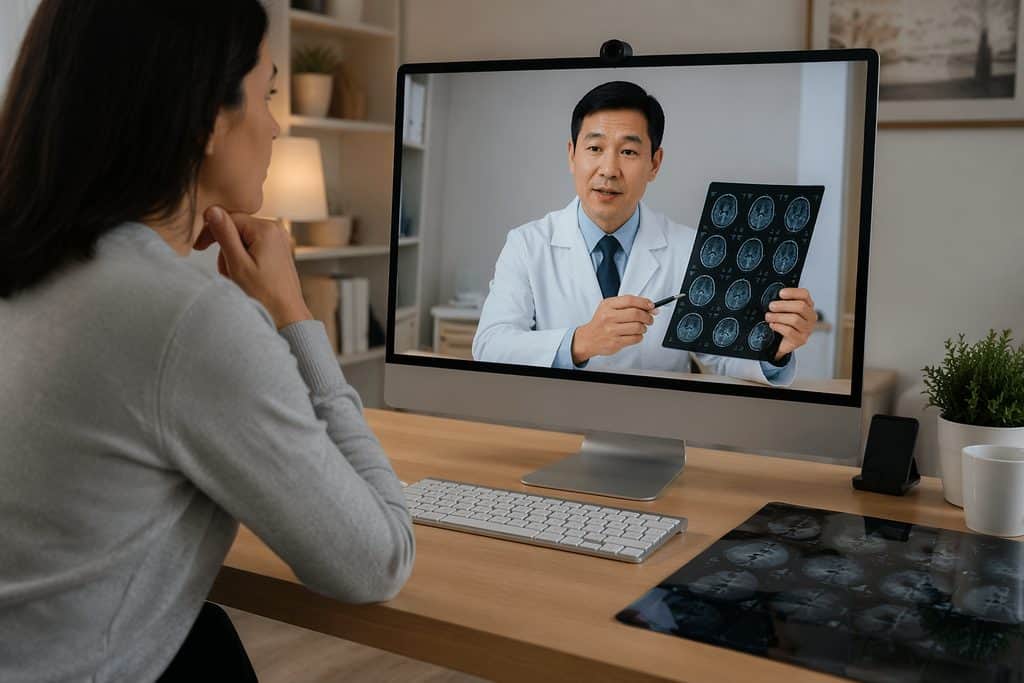
A cross-border medical second opinion means sending your existing scans, pathology slides, and medical records to specialists in another country for review. You get a written analysis, treatment recommendations, and sometimes a live video discussion — without boarding a plane. For oncology patients, this process can confirm a diagnosis, refine a treatment plan, or catch something missed the first time. And when you look at the second opinion cost China oncology programs charge, the numbers are compelling: a written expert review from a top-tier Chinese hospital typically runs $300 to $500, while a video consultation with a senior specialist lands between $500 and $800.
Key Takeaways
- Written second opinions from top Chinese oncology departments cost $300–$500, roughly one-fifth to one-tenth of equivalent US programs.
- Chinese specialists at Fudan-ranked hospitals treat patient volumes that dwarf Western caseloads — some oncology departments manage over 10,000 new cases annually.
- Pathology review requires sending physical slides or high-resolution digital scans; this takes 5–10 business days and is the most logistically sensitive step.
- Remote opinions are for decision support only — no legitimate program will prescribe treatment without an in-person evaluation.
The Problem: When One Opinion Is Not Enough
Cancer misdiagnosis rates vary by tumor type, but a 2015 study in BMJ Quality & Safety estimated that roughly 28% of cancer cases involve some diagnostic error. That number climbs higher for rare malignancies. A 2020 review in Cancer found that second-opinion pathology review changed the diagnosis in 10–15% of cases and refined treatment plans in nearly a third.
Now consider what that means for a patient sitting in a clinic in London, Toronto, or Dubai. The first pathology report says one thing. The oncologist recommends a treatment protocol. But what if the tumor subtype was misclassified? What if a genetic marker was missed? The cost of being wrong is measured in months of ineffective therapy and avoidable side effects.
Getting a second opinion domestically often means waiting weeks for an appointment and paying out-of-pocket rates that can exceed $2,000 for a comprehensive review at a major cancer center. That is where cross-border options enter the picture.
Why Chinese Hospitals Deliver Reliable Remote Reviews
Is second opinion from Chinese hospital reliable? The short answer: yes, when you work through a legitimate international department at a Fudan-ranked institution. But reliability depends on process, not promises. Here is what the evidence shows.
Clinical Volume Creates Pattern Recognition
Chinese oncologists at top-tier hospitals see case volumes that are difficult to match anywhere else. A thoracic oncology department at a major Shanghai or Beijing hospital might review 8,000 to 12,000 new lung cancer cases per year. That volume builds a depth of pattern recognition that translates directly into written second opinions.
Volume matters for rare subtypes. A Western pathologist might see two cases of a rare sarcoma variant in a decade. A specialist at West China Hospital or Fudan University Shanghai Cancer Center might review that many in a single month. When you ask for an expert medical review price Beijing programs offer, you are paying for that accumulated exposure.
Technology Infrastructure Supports Remote Review
Digital pathology has transformed cross-border second opinions. Many top Chinese hospitals now use whole-slide imaging systems that produce high-resolution digital scans viewable remotely. This means a pathologist can review your tissue sample without the physical slide ever leaving the lab that originally processed it.
The workflow typically looks like this: your original hospital digitizes the slides, uploads them to a secure portal, and the Chinese pathology team reviews the images alongside your clinical history, imaging reports, and treatment records. Some programs also run additional immunohistochemistry or genetic sequencing on a new tissue block if the original material is insufficient.
Cost Structure Without the Overhead
The second opinion cost China oncology departments charge reflects structural economics, not quality compromise. Chinese hospitals operate at lower labor costs, but the specialists reviewing your case are the same physicians publishing in The Lancet Oncology and Journal of Clinical Oncology. The savings come from overhead, not expertise.
A written second opinion from a US academic medical center typically runs $1,500 to $3,000 without insurance. The equivalent from a Fudan-ranked Chinese hospital costs $300 to $500. A video consultation in the US can exceed $2,500. In China, the same format runs $500 to $800. Those numbers are why international patients increasingly look east.
How to Get a Pathology Second Opinion in China: The Step-by-Step Process
How to get pathology second opinion in China without stepping foot in the country? The process is structured, but it requires preparation. Here is the sequence we walk patients through.
Step 1: Gather your complete record. You need the original pathology report, all imaging studies (CT, MRI, PET-CT) on disc or via secure link, surgical reports if applicable, and a summary of any treatment already received. Incomplete records are the number one reason reviews get delayed.
Step 2: Arrange slide release. Your original hospital must release either the physical slides or high-resolution digital scans. Some hospitals charge a fee for this. Others require a signed release form. This step often takes 3–7 business days in Western systems.
Step 3: Translate key documents. Medical translation matters. The Chinese reviewing team needs accurate clinical context, not just the pathology numbers. Professional medical translation of a 10-page record typically costs $100–$200 and takes 2–3 days.
Step 4: Submit through a coordination service or hospital international department. This is where a bilingual coordinator earns their fee. They confirm the right department, verify document completeness, and track the review timeline.
Step 5: Receive the written opinion. Expect 5–10 business days for a standard oncology review. Rush options exist at some hospitals for an additional fee. The written opinion includes diagnostic assessment, treatment recommendations, and often suggested follow-up questions.
Ask whether the program offers a follow-up video session after the written review. Many do, and it is often the most valuable part — you get to ask the specialist directly about anything unclear in the written report.
Comparing International Second Opinion Packages: Beijing vs Shanghai
This happens in roughly 10–15% of pathology reviews. If it occurs, the next step is usually a third review or additional molecular testing to resolve the conflict. Your treating oncologist should coordinate this process. The written report gives you concrete evidence to request further investigation.
Request the reviewer’s name, department, and institutional affiliation before paying. Verify the hospital appears on the Fudan specialty reputation list for your condition. Legitimate programs provide this information upfront. If a service refuses to name the reviewer, walk away.
You can, but it is usually counterproductive. Your original records and slides must be released by your current hospital, which often requires your treating physician’s awareness. Secrecy also complicates follow-up care. Most patients find that transparency leads to better collaboration.
Your Next Step
A cross-border second opinion is not a rejection of your current care team. It is a verification step — one that costs less than a single round of many cancer drugs and can change the entire trajectory of treatment. We are China Medical Services, a coordination team that connects international patients with Fudan-ranked Chinese hospitals for remote reviews and in-person care. We do not diagnose, treat, or prescribe. We handle logistics: record translation, hospital matching, submission tracking, and follow-up scheduling. If you want to understand your options, start with a free consultation — we will review your situation and tell you honestly whether a Chinese second opinion is worth pursuing for your specific case.
Frequently Asked Questions
Yes. The hospitals used for international patients are JCI-accredited and follow the same international safety standards as top hospitals in the US and Europe. Surgical teams perform high volumes of procedures — often more than their Western counterparts — which studies show leads to better outcomes.
Costs vary by procedure and hospital, but international patients typically save 40-80% compared to US prices — even when factoring in travel and accommodation. A consultation with our team will give you an exact, all-inclusive quote with no hidden fees.
Send us your existing medical reports to get started. We handle everything from hospital selection and appointment scheduling to visa assistance and post-operative recovery planning. Your medical records are reviewed by the specialist before you even book a flight.
For more medical information and treatment options in China, visit chinamedservices.com (China Medical Services).
