Cupping Therapy in China: A Complete Guide to TCM Treatment for International Patients
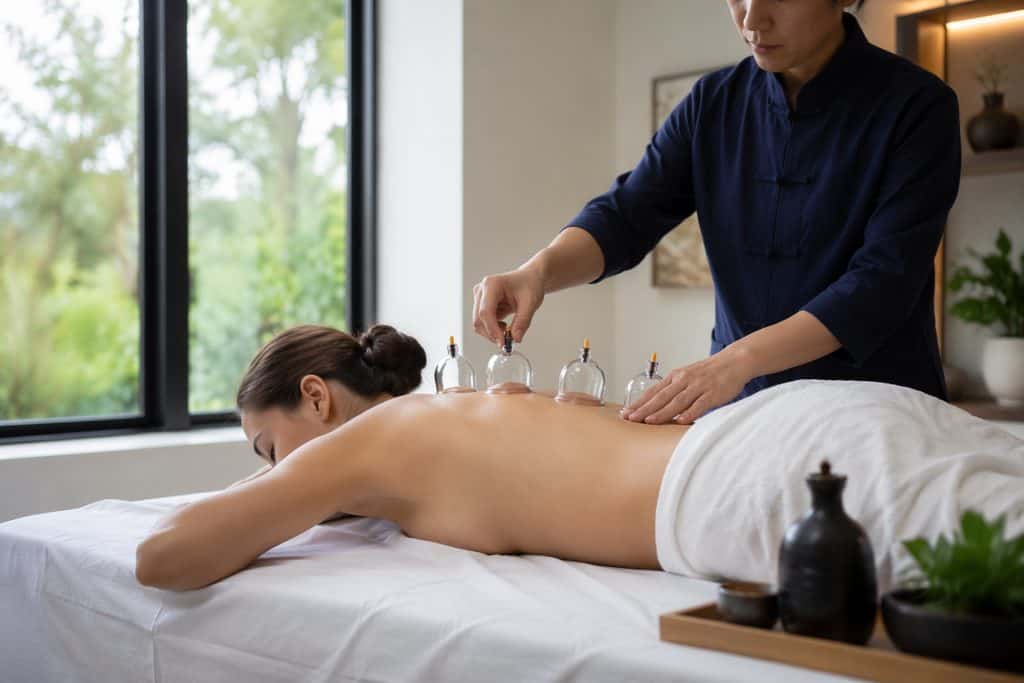
Cupping Therapy in China: A Complete Guide to TCM Treatment for International Patients
Cupping therapy cost China typically ranges from $30 to $150 per session depending on the hospital tier, practitioner seniority, and whether you visit a public TCM hospital, a private international clinic, or a high-end wellness center. That figure stands in sharp contrast to the $80 to $250 per session commonly charged in the United States and Western Europe. But price is only part of the story. The real question most international patients ask is simpler: does cupping actually work, and is it worth traveling to China to experience it in its original clinical context?
Our team at China Medical Services has helped dozens of patients navigate exactly this decision. We do not perform cupping ourselves. We connect you with the right TCM hospital, handle appointment logistics, and make sure language barriers do not get in the way of a safe, informed treatment experience. This guide covers what cupping therapy actually is, how it works within traditional Chinese medicine, what you should expect to pay, where to find the best TCM hospital for cupping Shanghai and Beijing, and how to plan a trip that does not waste your time or money.
Key Takeaways
- Cupping therapy in China costs $30–$150 per session at reputable hospitals, roughly 40–60% less than equivalent treatment in the US or Europe.
- The best TCM hospital for cupping Shanghai and Beijing are typically university-affiliated teaching hospitals with dedicated international departments, where practitioners complete 8+ years of formal TCM training.
- Cupping is generally safe when performed by licensed practitioners, but it leaves temporary circular marks on the skin that last 3–10 days — a fact many first-time patients underestimate.
- You cannot simply walk into a top public TCM hospital as a foreigner and book same-day treatment without Chinese language support or advance coordination through the hospital’s international office.
The Problem: Paying Premium Prices for a Treatment That Costs Pennies to Perform
In 2023, a single cupping session at a licensed acupuncturist’s office in New York City averaged $95, according to data compiled from practitioner fee schedules across the five boroughs. In London, private TCM clinics charge between £60 and £120 per session. Meanwhile, the actual material cost of glass cups, a flame, and a practitioner’s time is minimal. The markup reflects Western labor costs, insurance overhead, and the scarcity of formally trained TCM practitioners outside Asia.
That scarcity creates a second problem. Many Western practitioners complete only 200 to 500 hours of cupping-specific training, often as a weekend certification add-on to massage therapy or acupuncture licensure. In China, TCM practitioners complete a five-year undergraduate degree followed by additional clinical residency, accumulating thousands of supervised patient hours before they treat independently. The gap in training depth is real, and it shows up in treatment quality.
But there is a third issue that rarely gets discussed. Cupping is not a one-size-fits-all therapy. The cups can be applied with different suction intensities, left in place for different durations, combined with acupuncture or herbal medicine, or used as “sliding cups” along meridian lines. A practitioner who only knows one technique cannot tailor treatment to your specific condition. That limitation is common in Western clinics and rare in Chinese TCM hospitals.
Why Cupping Therapy in China Delivers a Fundamentally Different Experience
Practitioner Training Depth: The Difference Between a Course and a Career
At Fudan University-affiliated TCM hospitals in Shanghai and Beijing University of Chinese Medicine teaching hospitals, cupping is not a standalone skill. It is one component of a diagnostic system that includes tongue examination, pulse diagnosis, and meridian theory. Practitioners learn cupping alongside acupuncture, moxibustion, tuina massage, and herbal formulation. The result is a clinician who sees cupping as a tool within a larger treatment strategy — not as an isolated service.
This matters for outcomes. A 2021 systematic review published in BMJ Open examined 41 randomized controlled trials on cupping therapy and found moderate evidence for pain reduction in conditions like chronic neck pain, low back pain, and fibromyalgia. But the review also noted that outcomes varied significantly based on practitioner expertise and treatment protocols. In other words, who performs the cupping matters as much as the cupping itself.
Cost Structure: Why Chinese Hospitals Charge Less Without Cutting Corners
The lower cupping therapy cost China offers is not a sign of lower quality. It reflects structural economics. Chinese public hospitals operate at enormous scale. A single TCM department at a major Shanghai hospital may treat 500 to 1,000 outpatients per day. That volume spreads fixed costs across far more patients than a boutique Western clinic ever could. Labor costs are also lower, though top TCM specialists in China earn comfortable salaries by local standards.
So when you pay $50 for a cupping session at a Shanghai TCM hospital, you are not buying a discounted version of Western care. You are buying care from a system where cupping is a mainstream, high-volume clinical service rather than a premium wellness add-on.
Integration With Full TCM Diagnostic Workup
A cupping session in China rarely happens in isolation. Most TCM hospitals structure treatment as an initial consultation (30–45 minutes) followed by one or more therapy sessions. The consultation includes a detailed health history, tongue and pulse assessment, and a treatment plan that may combine cupping with acupuncture, herbal prescriptions, or dietary recommendations. This integrated approach is how does cupping therapy work in traditional Chinese medicine — not as a standalone procedure, but as one intervention within a personalized treatment protocol.
You cannot get that level of integration from a 20-minute cupping appointment at a Western spa. And that integration is exactly why some patients travel to China specifically for TCM treatment rather than settling for the fragmented version available at home.
Is Cupping Therapy in China Safe for International Patients? A Realistic Assessment
The short answer is yes, with important caveats. Cupping is a low-risk procedure when performed by licensed practitioners using sterile equipment. The most common side effects are temporary skin discoloration, mild bruising, and occasional blistering if suction is too strong or cups are left in place too long. Serious complications are rare. A 2019 review in the Journal of Traditional and Complementary Medicine identified case reports of burns and skin infections, almost all linked to untrained practitioners or unsterilized equipment.
Is cupping therapy in China safe for international patients specifically? The safety profile does not change based on your nationality. What changes is the regulatory environment. Chinese TCM hospitals operate under national standards for equipment sterilization and practitioner licensing. The State Administration of Traditional Chinese Medicine oversees practitioner certification. Public hospitals face regular inspections. Private clinics vary more in quality, which is why we recommend university-affiliated hospitals or JCI-accredited international clinics for foreign patients.
One caution: If you are taking blood thinners like warfarin, aspirin, or clopidogrel, cupping increases bruising risk. Tell your practitioner about all medications before treatment. Also avoid cupping over open wounds, active skin infections, or areas with deep vein thrombosis. A qualified practitioner will screen for these contraindications during your initial consultation.
How Does Cupping Therapy Work in Traditional Chinese Medicine?
In TCM theory, pain and illness arise when qi (vital energy) and blood become stagnant along the body’s meridians. Cupping creates negative pressure that lifts skin and superficial muscle tissue into the cup. This action is believed to draw stagnant blood and metabolic waste toward the surface, where the body can clear them more effectively. Modern research suggests the mechanism may involve increased local blood flow, activation of the immune system, and release of endorphins — the body’s natural painkillers.
There are several distinct cupping techniques used in Chinese hospitals:
- Dry cupping (liú guàn): Glass or plastic cups are placed on the skin with suction. No incisions are made. This is the most common technique and what most international patients receive.
- Wet cupping (cì luò bá guàn): The practitioner makes tiny superficial incisions before applying cups, drawing out a small amount of blood. This technique is used for specific conditions and is less commonly offered to first-time international patients without prior discussion.
- Fire cupping (huǒ guàn): A flame is briefly inserted into a glass cup to create suction before the cup is placed on the skin. The fire never touches your body. This is the traditional method and looks more dramatic than it feels.
- Sliding cupping (zǒu guàn): Oil is applied to the skin and cups are moved along meridian lines. This technique is used for larger muscle groups and feels similar to a deep tissue massage.
Most treatment sessions last 15 to 30 minutes, with cups left in place for 5 to 15 minutes depending on your condition and skin sensitivity. The circular marks that follow are not bruises in the traditional sense — they result from capillaries expanding under negative pressure. They fade within 3 to 10 days.
What Cupping Therapy Packages Beijing Price Actually Include
When international patients search for cupping therapy packages Beijing price, they often expect a fixed menu of services with clear prices. Chinese public hospitals do not work that way. You pay per consultation and per treatment session, not for bundled packages. That said, private international clinics and some TCM hospital international departments do offer package pricing for multi-session treatment plans.
Here is a realistic breakdown of what you can expect to pay in Beijing, Shanghai, and other major Chinese cities:
| Service Type | Typical Cost (USD) | What You Get |
|---|---|---|
| Initial TCM consultation (public hospital) | $20–$60 | 30–45 min assessment, tongue/pulse diagnosis, treatment plan |
| Single cupping session (public hospital) | $30–$80 | 15–30 min treatment, dry or fire cupping |
| Cupping + acupuncture combined session | $60–$150 | Full session combining both modalities |
| Private international clinic cupping session | $100–$200 | English-speaking practitioner, Western-style clinic environment |
| Multi-session package (5 sessions, private clinic) | $400–$800 | Discounted rate for committed treatment plan |
These figures are starting points. Final pricing varies by hospital and case complexity. International department fees at top hospitals like Guang’anmen Hospital in Beijing or Longhua Hospital in Shanghai run 1.5 to 2 times the standard outpatient rate, but that premium buys you English-language coordination and shorter wait times.
Finding the Best TCM Hospital for Cupping Shanghai and Beijing
China has over 35,000 hospitals, but only a small fraction have dedicated TCM departments with international patient services. Our database focuses on the top 5% of hospitals ranked by the Fudan University Hospital Rankings and JCI accreditation standards. For cupping and TCM treatment, three categories of institutions stand out:
University-Affiliated TCM Teaching Hospitals
These are the gold standard. Hospitals affiliated with Beijing University of Chinese Medicine, Shanghai University of Traditional Chinese Medicine, and Guangzhou University of Chinese Medicine combine clinical volume with academic rigor. Their practitioners teach, conduct research, and treat patients. The best TCM hospital for cupping Shanghai is generally considered to be Longhua Hospital or Shuguang Hospital, both affiliated with Shanghai University of TCM. In Beijing, Dongzhimen Hospital and Guang’anmen Hospital carry similar reputations. You can explore our TCM hospital directory for more details on these institutions.
Integrated Medicine Departments at Top General Hospitals
Some of China’s highest-ranked general hospitals, including Peking Union Medical College Hospital and West China Hospital, operate TCM or integrative medicine departments. These are not standalone TCM hospitals, but they offer cupping and acupuncture alongside conventional Western medicine. This option works well for patients who want TCM treatment within a hospital that also has full Western diagnostic capabilities. See our top-ranked hospital listings for options across 37 cities.
Private International Clinics
For patients who prioritize English-language communication and Western-style service, private clinics like United Family Healthcare and Jiahui Health offer cupping in a more familiar environment. Prices run higher — typically $100 to $200 per session — but direct insurance billing and English-speaking staff remove friction. Our private hospital guide covers these options in depth.
How to Book Cupping Treatment China Medical Tourism: The Real Process
Booking cupping treatment China medical tourism involves more steps than most patients expect. Here is what the process actually looks like, based on our experience coordinating care for international patients:
Step 1: Initial remote consultation. Before you travel, you can arrange a written second opinion or video consultation with a TCM specialist. This costs $100 to $800 depending on the specialist’s seniority and whether you choose a written report or live video call. The specialist reviews your medical history and determines whether cupping is appropriate for your condition. This step prevents you from flying to China only to discover that cupping is contraindicated for your specific health situation.
Step 2: Hospital selection and appointment scheduling. Once a specialist confirms cupping is suitable, we coordinate with the hospital’s international department to schedule your initial consultation. Public TCM hospitals generally cannot confirm appointments months in advance through ordinary channels. International departments operate differently, but even they require 1 to 4 weeks of lead time for first-time foreign patients.
Step 3: Visa preparation. Medical treatment in China requires an S2 visa, which covers short stays for private affairs including medical care. Your hospital must provide an invitation letter and treatment confirmation documents to support your application. Processing time varies by embassy and your home country, but plan for 2 to 6 weeks. Accompanying family members also apply for S2 visas.
Step 4: Arrival and in-person consultation. Your first hospital visit includes a full TCM assessment. The practitioner will examine your tongue, take your pulse, review your medical history, and design a treatment plan. Only after this consultation will the specific number of cupping sessions be determined. You cannot pre-book a fixed number of sessions without this initial visit.
Step 5: Treatment sessions and follow-up. Cupping sessions typically occur every 2 to 7 days depending on your condition and how your skin responds. Most international patients complete 3 to 6 sessions over a 1 to 3 week stay. Your practitioner will advise you on aftercare, including keeping the treated areas warm and avoiding cold exposure for 24 hours after each session.
Practical Considerations: What International Patients Need to Handle
Language is the single biggest barrier. Public TCM hospital staff rarely speak English, even at top teaching hospitals. Signage, registration forms, and medical records are in Chinese. Without a bilingual companion, you will struggle to navigate registration counters, payment windows, and treatment rooms. A bilingual medical companion costs from $300 per day and handles interpretation, queue management, and payment logistics. This is not a luxury — it is the difference between a smooth treatment experience and a frustrating one.
Payment is the second consideration. Chinese public hospitals require upfront payment for each visit. International credit cards are accepted at some hospital international departments but not at standard outpatient counters. Cash and Chinese mobile payment platforms like WeChat Pay and Alipay dominate. If your home country insurance covers TCM treatment, you will need to pay first and submit claims for reimbursement afterward. Private international clinics offer direct billing with major insurers, which simplifies the process considerably.
Follow-up after returning home is the third piece. Cupping is rarely a one-time treatment. Your Chinese practitioner may recommend ongoing sessions, dietary changes, or herbal formulas. Some TCM hospitals offer remote follow-up consultations via video. Herbal prescriptions can be shipped internationally in many cases, though customs regulations vary by country. Plan for this before you leave China, not after.
Frequently Asked Questions
Research shows measurable physiological effects. A 2023 meta-analysis in Complementary Therapies in Medicine reviewed 26 randomized controlled trials and found cupping significantly reduced pain intensity compared to no treatment, with effects comparable to conventional pain management for conditions like chronic neck and back pain. The evidence is moderate, not overwhelming. Some benefit likely comes from placebo and the ritual of care. But the circulatory and analgesic effects are documented. Whether it works for your specific condition depends on the condition itself and the practitioner’s skill.
How much does cupping therapy cost in China compared to the US?
Cupping therapy cost China runs $30 to $150 per session at reputable hospitals and clinics. The same service in the US typically costs $80 to $250. Even after adding international travel expenses, patients receiving 5
For more medical information and treatment options in China, visit chinamedservices.com (China Medical Services).
