Dialysis in Shanghai for Foreigners: Costs, Centers, and How to Arrange It
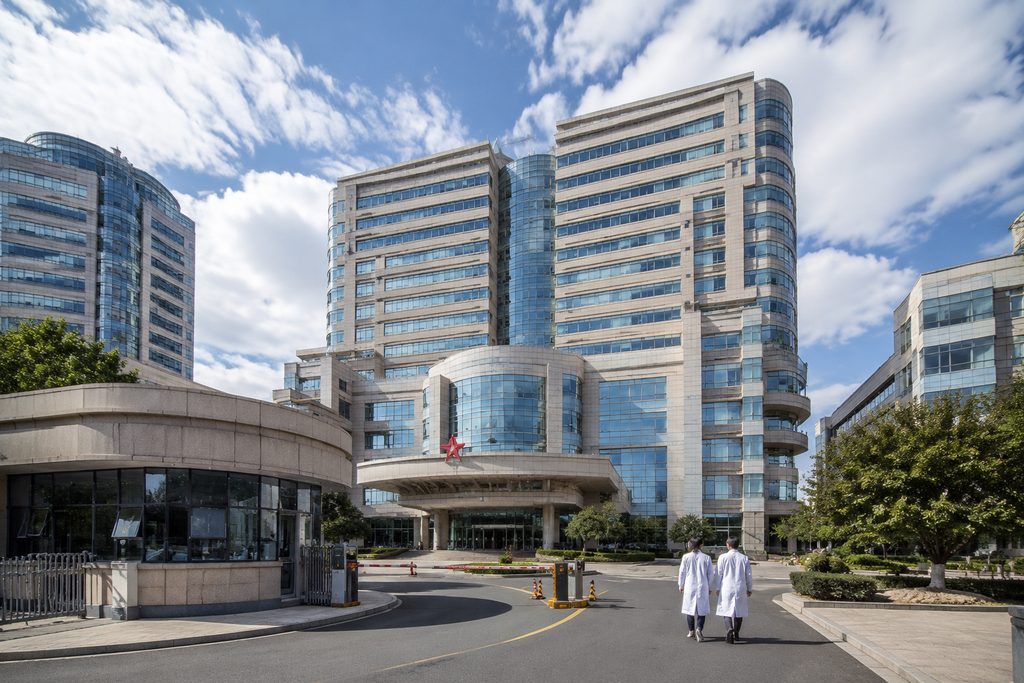
Dialysis in Shanghai: A Guide for Foreigners
You have probably been told that arranging dialysis abroad is a bureaucratic nightmare — that you need months of paperwork, a local ID, and a resident’s insurance card before anyone will even talk to you. That is not how it works in Shanghai. The city runs one of Asia’s largest networks of dialysis units, and a growing number of them are set up specifically for international patients. The real challenge is not access. It is knowing which unit fits your prescription, what a session actually costs, and how to secure a slot before you land. This guide covers dialysis cost in Shanghai for foreigners, how to book, and what to expect on the ground.
How This Actually Works, Step by Step
Here is the real sequence, from first email to first session.
Step one — you send your records. A current nephrology summary, your dialysis prescription (dialyzer type, blood flow rate, session length, frequency), recent labs including potassium, phosphorus, hemoglobin and albumin, your vascular access type, and your medication list. If you have hepatitis B or C, or any infectious disease marker, say so upfront. It changes which unit can accept you.
Step two — a Chinese nephrology team reviews the file. This usually takes two to five business days. They confirm whether your prescription can be matched locally, whether your access is usable, and which unit has capacity during your travel dates.
Step three — you get a written response. It names the unit, the available time slots, the per-session price, and any documents the hospital needs before your first visit.
Step four — you confirm and pay a deposit. Public hospitals require prepayment. Private international clinics often bill directly to international insurance.
Step five — you arrive, register, and dialyze. Your first session usually includes a short in-person assessment. Bring your passport and your original records.
That is the whole process. No residency requirement. No local insurance card.
What Dialysis Cost in Shanghai for Foreigners Actually Looks Like
Prices depend on three variables: the type of facility, your session length, and whether you need isolation (separate machines for hepatitis B or C positive patients, which cost more).
| Facility Type | Cost Per Session (USD) | Notes |
|---|---|---|
| Public hospital, standard unit | $150–$250 | Limited English. Requires a local coordinator or companion. |
| Public hospital, international department | $250–$400 | English-speaking staff, faster scheduling, VIP-style service. |
| Private international clinic | $400–$700 | Direct insurance billing, Western-style care, small patient volume. |
| Isolation unit (HBV/HCV positive) | Add $50–$150 | Availability is limited. Book early. |
For comparison, a single outpatient hemodialysis session in the United States is billed at roughly $500–$1,000 before insurance, and Medicare’s composite rate sits near $250 per treatment. Shanghai’s private-clinic pricing is comparable to that Medicare rate; its public-hospital pricing is well below it.
One caveat that matters: these numbers vary by hospital and case complexity. A patient needing three sessions a week for a month is negotiating a different package than a traveler needing two sessions during a layover. Always get a written quote per session, not a verbal estimate.
Finding the Best Dialysis Center in Shanghai for International Patients
Shanghai has dozens of dialysis units. Only a subset are practical for foreigners. When you evaluate them, ask four questions.
- Does the unit have English-speaking nursing staff on every shift? Not just a doctor who speaks English. The nurse inserting your needle matters more.
- Can they match your exact dialyzer and prescription? Some units stock a limited range of filters. If you use a high-flux polysulfone dialyzer, confirm it is available.
- What is the isolation policy? If you are hepatitis B surface antigen positive, you need a dedicated machine and often a dedicated shift.
- How do they handle emergencies during a session? Ask whether there is on-site nephrology coverage or an ICU transfer protocol.
In our experience coordinating care across 340+ top-ranked hospitals in 37 cities, the units that handle international patients well tend to be attached to major academic medical centers or to JCI-accredited private hospitals. Shanghai has 18 hospitals in the Fudan Top 100 ranking, the second-highest concentration in China after Beijing, so the depth of specialist support is genuinely strong. You can browse the Shanghai hospital directory to see which facilities offer international departments.
A Realistic Timeline
Contact the hospital’s international department directly, or work through a coordinator who can submit your records and follow up in Chinese. The booking itself is straightforward once your prescription is matched — the delay is almost always in document review and slot availability, not in the request itself.
Typically a passport valid for at least six months, a completed S2 application, a photo, the hospital’s appointment or invitation letter, proof of sufficient funds, and your travel itinerary. Exact requirements vary by consulate, so verify with the specific embassy or consulate handling your application.
Usually yes, if you ask. Most units will provide a nephrology summary and recent labs on request. You may need to arrange translation yourself, which is where a coordination service earns its keep.
Some units can accommodate this, but capacity is tighter. Flag it early in your inquiry. If no unit can match your frequency, you may need to adjust your travel dates or consider a different city.
Your Next Step
Dialysis in Shanghai is genuinely workable for foreign patients — the equipment is modern, the pricing is transparent once you ask, and the scheduling process, while slower than you might hope, is not complicated. The friction is in the details: matching your prescription, securing a slot, and having someone in the room who understands both your nephrologist’s instructions and the nurse’s questions.
We are China Medical Services. We coordinate hospital appointments, arrange bilingual medical companions, and help you prepare the documentation a Shanghai dialysis unit will ask for. We are not a dialysis provider and we do not give medical advice — your nephrologist remains in charge of your prescription. If you would like help mapping out the logistics, start with a free consultation. No pressure, no obligation. Just a clear answer about what is possible.
This article is for informational purposes only and does not constitute medical advice. Treatment decisions should always be made in consultation with a qualified nephrologist. Costs and availability vary by hospital and case complexity and should be confirmed directly with the facility.
Frequently Asked Questions
Yes. The hospitals used for international patients are JCI-accredited and follow the same international safety standards as top hospitals in the US and Europe. Surgical teams perform high volumes of procedures — often more than their Western counterparts — which studies show leads to better outcomes.
Costs vary by procedure and hospital, but international patients typically save 40-80% compared to US prices — even when factoring in travel and accommodation. A consultation with our team will give you an exact, all-inclusive quote with no hidden fees.
Send us your existing medical reports to get started. We handle everything from hospital selection and appointment scheduling to visa assistance and post-operative recovery planning. Your medical records are reviewed by the specialist before you even book a flight.
For more medical information and treatment options in China, visit chinamedservices.com (China Medical Services).
