Can I Fly After Dental Surgery: Safe Timelines & China Travel Guide
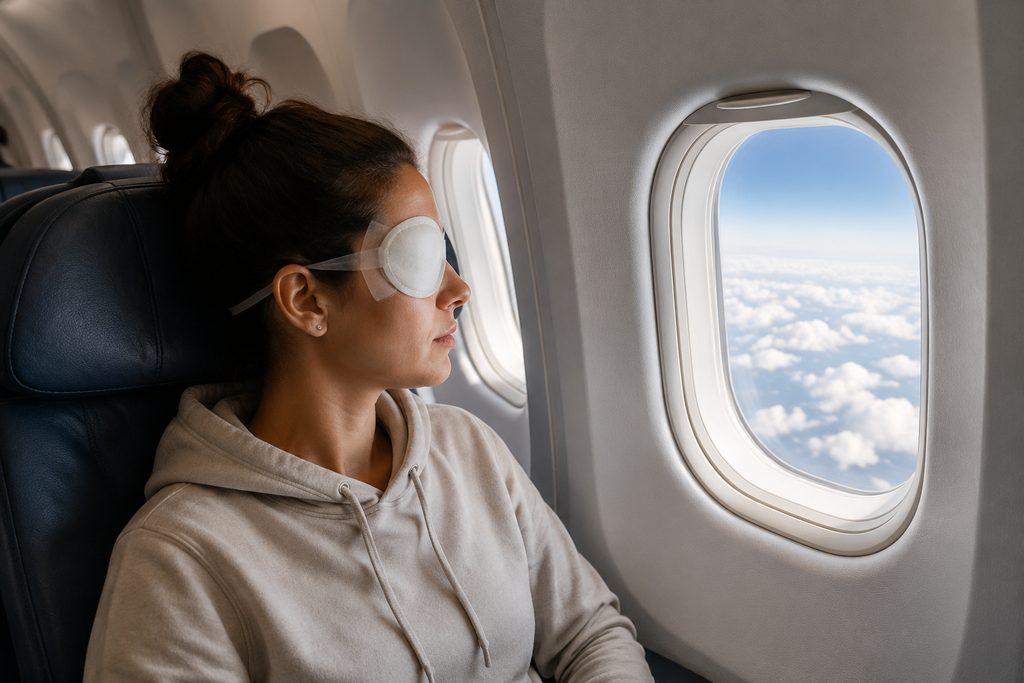
Can I Fly After Dental Surgery: Safe Timelines and What Changes at Altitude
When 34-year-old Sarah from Manchester booked her root canal in Shanghai, the last thing on her mind was cabin pressure. She had compared prices, coordinated her treatment schedule with a bilingual coordinator, and arranged her S2 visa. Then her dentist mentioned something that stopped her cold: “You should wait before flying.” How long? Nobody had told her. If you are weighing a dental procedure in China — where dental surgery cost China can run 60% to 80% below Western prices — the flight home is part of the plan. Get the timeline wrong and you risk pain, bleeding, or a ruined trip.
The short answer: for most routine dental work, you can fly after 24 to 48 hours. For surgical extractions, implants, or bone grafts, wait 3 to 7 days. The cabin pressure drop does not “explode” your tooth, but it can expand trapped air pockets and worsen swelling. This guide breaks down the evidence, the timelines by procedure, and what to do if you are flying internationally after treatment.
Can You Fly After Dental Surgery: The Short Answer
Yes, you can fly after most dental surgery — but not immediately. The minimum safe window is 24 hours for simple fillings and cleanings. For extractions, especially wisdom teeth, wait 48 to 72 hours. For implants with bone grafting, wait 5 to 7 days. The reason is not the airplane itself. It is the pressure change during ascent and descent, which affects trapped air and fresh blood clots.
A 2023 review in the Journal of Travel Medicine found that barotrauma — pressure-related tissue damage — is rare in dental patients but real. The risk peaks during the first 48 hours when the extraction socket is still forming a stable clot. Dislodge that clot and you get dry socket, a painful condition that no one wants at 35,000 feet.
Who Should Wait Longer — and Who Can Fly Sooner
Not every mouth heals at the same speed. Your timeline depends on the procedure, your health, and the flight duration. Here is who can typically fly sooner and who should extend their stay.
Typically safe to fly after 24–48 hours:
- Simple fillings and composite bonding
- Teeth cleaning and scaling
- Single-tooth root canal without active infection
- Simple (non-surgical) extraction of a loose tooth
Should wait 3–7 days or get explicit clearance:
- Surgical extraction of impacted wisdom teeth
- Dental implant placement, especially with sinus lift or bone graft
- Multiple extractions in one session
- Any procedure with active infection, significant swelling, or ongoing bleeding
- Patients with sinus issues, recent colds, or eustachian tube dysfunction
And if you have uncontrolled high blood pressure, a bleeding disorder, or you are on anticoagulants, talk to your dentist before booking any flight. Cabin pressure plus a fresh surgical site plus a clotting issue is a combination worth avoiding.
The Options, Compared: Flying Timeline by Dental Procedure
Here is how the standard advice breaks down. These are general guidelines, not individual medical orders. Your dentist’s word overrides this table.
| Procedure | Minimum Wait Before Flying | Key Risk at Altitude | Typical Healing Milestone |
|---|---|---|---|
| Cleaning / scaling | Same day to 24 hours | Minor gum sensitivity | No restrictions |
| Filling / bonding | 24 hours | Bite adjustment discomfort | Can fly next day |
| Root canal (single visit) | 24–48 hours | Residual inflammation | Pain peaks at 48h |
| Simple extraction | 48–72 hours | Clot dislodgement, dry socket | Clot stabilizes day 3 |
| Surgical extraction (wisdom) | 3–5 days | Bleeding, swelling, dry socket | Swelling peaks day 3 |
| Implant placement | 5–7 days | Pressure on graft site | Initial osseointegration begins |
| Bone graft / sinus lift | 7–10 days | Graft displacement, sinus pressure | Graft stabilizes |
If you are flying long-haul — say, Shanghai to London or Beijing to New York — add an extra day to these minimums. A 12-hour flight is not the same as a 2-hour hop. Longer flights mean longer exposure to cabin pressure swings and more time sitting upright, which can increase swelling.
Is It Safe to Fly After Oral Surgery: What Actually Happens at 30,000 Feet
Cabin pressure in a commercial airliner is typically maintained at the equivalent of 6,000 to 8,000 feet above sea level. That means the air inside your sinuses, middle ear, and any trapped pockets in your jaw expands by roughly 25% to 30% compared to sea level. For a healthy person, that expansion is harmless. For someone with a fresh extraction socket or a sinus communication after an upper molar extraction, it can hurt.
Here is the mechanism. When a tooth is removed, air can sometimes enter the tissue spaces around the socket. As the plane climbs, that trapped air expands. It pushes against nerve endings and can disrupt the forming blood clot. The result is pain that starts during ascent and often worsens during descent. In rare cases, patients report a “bubbling” sensation — that is trapped air moving through tissue. Unpleasant, but not life-threatening.
So is it safe to fly after oral surgery? For most people, yes — after the waiting window. The danger is not the flight itself. It is flying too soon and turning a routine recovery into a painful complication far from your dentist.
How Long After Dental Implant Can I Fly: The Longer Answer
Dental implants are different from extractions. You are not just healing a wound — you are protecting a titanium post that needs to fuse with bone. That process, called osseointegration, takes months. But the critical window for flying is much shorter.
Most implant dentists advise waiting 5 to 7 days after implant placement before flying. Why? The first week is when swelling peaks and the risk of infection is highest. If you fly too soon, the pressure change can increase swelling and discomfort around the implant site. It will not “ruin” the implant — titanium is not going anywhere — but it can make your recovery miserable.
If your implant included a sinus lift or bone graft, extend that to 7 to 10 days. The sinus cavity is directly affected by cabin pressure. A sinus lift creates a space between your sinus membrane and jawbone that needs time to stabilize. Flying before that happens can cause sinus pain, nosebleeds, or graft movement. None of those are worth saving two days of hotel costs.
Can You Fly After Tooth Extraction: Managing Pain and Bleeding in the Air
You have waited your 48 to 72 hours. The clot looks stable. You board the plane. Now what? The flight itself still requires some care.
First, pack gauze. Not one piece — a small supply. If bleeding restarts at altitude, you need to apply pressure immediately. Second, bring your pain medication in your carry-on, not checked luggage. Third, avoid drinking through a straw during the flight. The suction can dislodge a clot just as easily at 30,000 feet as it can on the ground. Fourth, skip the airline snacks that require heavy chewing. Stick to soft foods and room-temperature water.
Practical tip: If you must fly within 72 hours of an extraction, ask your dentist for a prescription-strength analgesic and an antibiotic cover. Also request a written summary of the procedure in English — this helps if you need to see a dentist at your destination.
One more thing: cabin air is dry. Dry mouth slows healing and increases infection risk. Drink water regularly, but do not swish aggressively. Gentle sips only.
What Dental Surgery Cost China Actually Looks Like — and Why It Changes Travel Plans
Here is where the timeline conversation gets real. Patients who travel to China for dental work are often combining multiple procedures in one trip. That changes the flying calculus. A single filling has a 24-hour wait. Four implants and a bone graft? You are looking at 10 days before you should board a plane.
The savings, though, are substantial. Dental surgery cost China varies by city and clinic tier, but the ranges are consistently lower than Western equivalents. A single dental implant in Shanghai at a private international clinic runs from $1,200 to $2,500. The same implant in the US averages $3,000 to $6,000. A full-mouth restoration that costs $45,000 in London might cost $18,000 to $25,000 in Guangzhou. Root canal treatment at a reputable clinic in Beijing: $300 to $600. In New York: $1,500 to $2,200.
Those numbers are not promotional. They are the reality of different cost structures. But the savings only make sense if you budget for the recovery time. Rushing to the airport 48 hours after a surgical extraction to save one night of hotel costs is a false economy. The complication you risk — dry socket, infection, graft failure — will cost more than the hotel room.
Best Dental Clinic Shanghai for Root Canal: Where International Patients Actually Go
If your procedure is a root canal, the flying timeline is relatively short — 24 to 48 hours. That makes Shanghai a practical destination for a quick treatment trip. But which clinic? The honest answer: it depends on what you need.
For English-speaking staff, direct insurance billing, and Western-style care, the private international clinics are the default choice. Shanghai has several JCI-accredited options, including United Family and Parkway. These are not the cheapest, but they handle international patients daily. A root canal at one of these clinics runs $400 to $800, depending on the tooth and complexity.
For maximum cost savings, public hospital stomatology departments — such as the one at Shanghai Ninth People’s Hospital — are highly regarded. But here is the reality: you will need Chinese language support, you cannot easily pre-book from overseas, and you will queue on the day. That is where a bilingual medical companion becomes worth the fee. They handle registration, translation, and navigation. The clinical quality is excellent. The experience without language help is not.
The best dental clinic Shanghai for root canal is the one that matches your budget, language needs, and tolerance for administrative friction. There is no single correct answer.
Book Dental Treatment Package China: What to Ask Before You Commit
Some patients try to book dental treatment package China through a medical tourism agency. That can work — but only if you ask the right questions first. A package that bundles treatment, hotel, and airport transfer sounds convenient. What it often hides is the recovery timeline.
Ask these questions before paying anything:
- Does the package include post-operative follow-up visits, or just the initial procedure?
- What is the clinic’s policy if complications arise — who do you see, and what does it cost?
- Is the quoted price for the procedure only, or does it include anesthesia, imaging, and medications?
- Can you see the dentist’s credentials and the clinic’s accreditation before arrival?
- What is the refund policy if the dentist determines you are not a suitable candidate after examination?
A legitimate package will answer all of these without hesitation. A sales pitch will dodge them.
Practical Considerations: Visas, Records, and Follow-Up After You Fly Home
The most common problem is dry socket — a painful condition where the blood clot dislodges and exposes the underlying bone and nerves. It typically starts 2 to 4 days after extraction, which overlaps with the “too soon to fly” window. You may also experience increased bleeding, swelling, or a sharp pain during ascent and descent. None of these are life-threatening, but all of them can turn a comfortable flight into a miserable one.
Yes, but mildly. The pressure change can expand trapped air in freshly treated teeth or extraction sockets, causing discomfort. It does not damage crowns, fillings, or implants that are fully seated. The risk is highest in the first 48 hours after surgery, when the tissue is still inflamed and air pockets are most likely to be present.
For an uncomplicated root canal, 24 to 48 hours is generally sufficient. The tooth may be sensitive for a few days, but the procedure does not typically create the kind of open socket that causes pressure-related problems. If the root canal was performed because of an active abscess, your dentist may want you to complete a course of antibiotics first.
If you are flying internationally after dental surgery, yes. Standard travel insurance often excludes pre-existing conditions and planned medical treatment. Look for a policy that specifically covers complications from dental procedures performed during your trip. It will not cover the original treatment cost, but it can cover emergency care if something goes wrong after you leave China.
Your Next Step
Flying after dental surgery is safe when you respect the timeline. Wait 24 to 48 hours for routine work, 3 to 5 days for extractions, and 5 to 10 days for implants with grafting. The savings on dental surgery cost China are real, but only if you budget the recovery days into your trip.
Our team at China Medical Services helps international patients coordinate dental and medical care at top-tier Chinese hospitals and clinics. We are not a medical provider and we do not diagnose or treat. We handle the logistics — hospital matching, appointment coordination, bilingual accompaniment, and visa documentation guidance. If you are considering dental work in China and want to plan your treatment and flight timeline correctly, request a free consultation. We will help you understand your options without pressure.
Plan the procedure. Respect the recovery window. Then fly home with confidence.
Frequently Asked Questions
Yes. The hospitals used for international patients are JCI-accredited and follow the same international safety standards as top hospitals in the US and Europe. Surgical teams perform high volumes of procedures — often more than their Western counterparts — which studies show leads to better outcomes.
Costs vary by procedure and hospital, but international patients typically save 40-80% compared to US prices — even when factoring in travel and accommodation. A consultation with our team will give you an exact, all-inclusive quote with no hidden fees.
Send us your existing medical reports to get started. We handle everything from hospital selection and appointment scheduling to visa assistance and post-operative recovery planning. Your medical records are reviewed by the specialist before you even book a flight.
For more medical information and treatment options in China, visit chinamedservices.com (China Medical Services).
