Fujian Medical University Union Hospital Cardiology: A Guide for International Patients
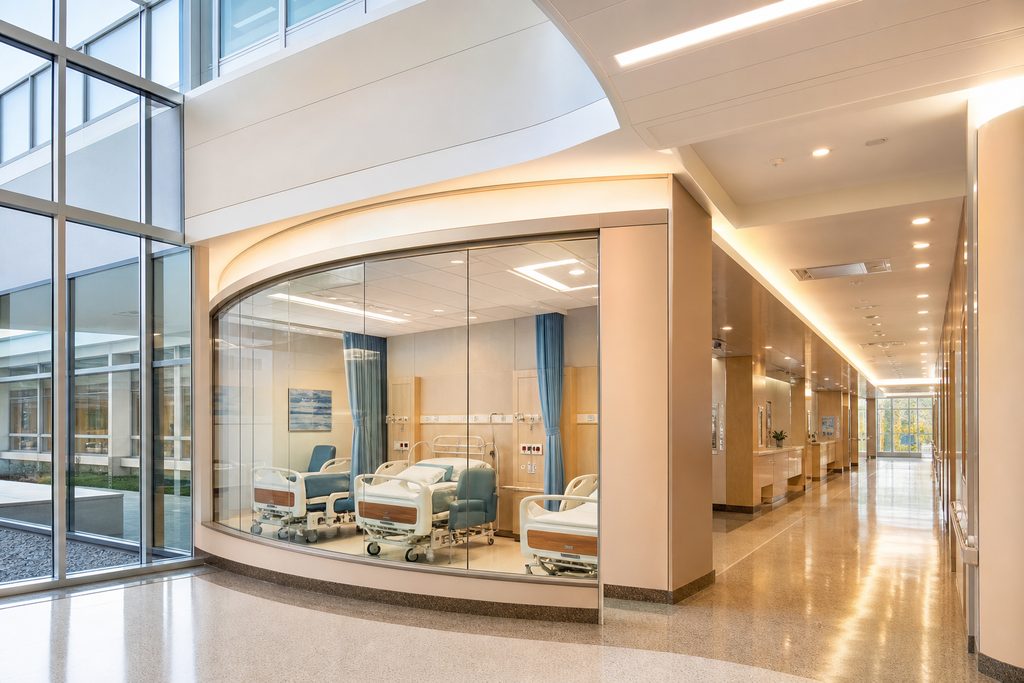
While patients in the United States face an average bill of $30,000 to $120,000 for a complex cardiac procedure, Fujian Medical University Union Hospital in Fuzhou delivers comparable care at a fraction of that figure — often between $8,000 and $25,000. That gap is not a sign of lower quality. It reflects structural differences in how healthcare is priced, staffed, and delivered across two very different systems. If you are weighing cardiac care in China, understanding those differences matters more than the headline number.
Key Takeaways
- Fujian Medical University Union Hospital performs over 3,000 cardiac interventions annually, placing it among the highest-volume heart centers in southeastern China.
- Total out-of-pocket costs for common cardiac procedures typically run 70–85% below US private-pay rates, even when using the hospital’s international coordination channel.
- You cannot book a surgery remotely through the standard public registration system — advance scheduling requires the hospital’s international or VIP pathway.
- Language is the single largest practical barrier for foreign patients; without bilingual support, even routine registration and payment become difficult.
The Problem: Cardiac Care Costs Are Crushing Patients in Western Systems
Heart disease remains the leading cause of death globally, and the financial burden of treating it has become a crisis in its own right. In the United States, a coronary artery bypass graft (CABG) at a major academic center now averages over $120,000 before insurance. Even insured patients routinely face out-of-pocket maximums of $8,000 to $15,000 per year. For the uninsured or underinsured, the numbers are simply catastrophic.
The problem is not limited to America. In the United Kingdom, the NHS reports that patients wait a median of 13.3 weeks for cardiology outpatient appointments, with some regions exceeding 26 weeks for non-urgent echocardiograms. Australia’s public system reports similar strain — median wait times for elective cardiac surgery in New South Wales hover around 45 days, but complex cases can stretch past six months. For patients with progressive valve disease or worsening angina, waiting is not a neutral inconvenience. It is a clinical risk.
That leaves a growing number of patients searching for alternatives. Some look to medical tourism in Thailand or India. Increasingly, a smaller but significant group is looking at China. The question they ask us most often: what does cardiology hospital cost China for foreigners actually look like, and is the quality trustworthy? The answer requires more than a price list.
Why Fujian Medical University Union Hospital Delivers Results
Clinical Volume That Builds Procedural Muscle
Fujian Medical University Union Hospital, located in Fuzhou, is one of the largest tertiary referral centers in Fujian Province. Its cardiovascular center handles more than 3,000 interventional procedures each year, including percutaneous coronary intervention (PCI), radiofrequency ablation for arrhythmias, and structural heart repairs. That volume matters. Multiple studies, including a widely cited 2017 analysis in Circulation: Cardiovascular Quality and Outcomes, have shown a strong inverse relationship between institutional PCI volume and in-hospital mortality. Hospitals performing more than 400 PCIs per year consistently demonstrate lower complication rates than lower-volume centers.
For an international patient, this translates into something concrete: the team has seen your condition before. Many times. A cardiologist who performs 200 ablations annually has encountered the anatomical variations, the unexpected rhythm shifts, and the intraoperative decisions that a lower-volume practitioner might see only occasionally. That is not marketing language. It is the logic of repetition.
Technology and Efficiency at Scale
The hospital operates a hybrid operating suite, 3D electroanatomic mapping systems for complex arrhythmia work, and dedicated cardiac catheterization labs. What separates this from a Western facility is not the equipment itself — it is the throughput. Chinese public hospitals run on a scale that most Western systems cannot replicate. A single catheterization lab at Union Hospital may process 15 to 25 cases per day. Staff rotate in shifts; the lab does not sit idle.
This operational model has real consequences for scheduling. Where a patient in Canada might wait months for a diagnostic angiogram, a patient at Union Hospital can often complete the same study within days of arrival — provided the referral pathway is set up correctly. The bottleneck is rarely the machine. It is the coordination.
Cost Advantage Without Quality Compromise
The price difference between Chinese and Western cardiac care is not explained by inferior materials or outdated techniques. It is structural. Chinese public hospitals operate with significantly lower labor costs. A senior interventional cardiologist in Fuzhou earns a fraction of what a comparable specialist earns in Boston or London. Nursing costs, facility overhead, and administrative expenses all run lower. At the same time, the hospital purchases the same stents, the same ablation catheters, and the same imaging equipment as Western centers — often from the same manufacturers.
So when a foreign patient receives a quote of $12,000 for a PCI that would cost $45,000 in the US, the savings come from labor economics and volume, not from cutting corners on the implant. That is the honest explanation. And it holds up under scrutiny.
How to Book Fujian Medical University Union Hospital Cardiology as a Foreigner
This is where most international patients hit a wall. The hospital’s standard outpatient registration system is built for domestic patients. It requires a Chinese ID number, a local phone number, and same-day in-person queueing. You cannot log in from overseas, pay by international credit card, and reserve a consultation slot for next Tuesday. The system simply does not work that way.
For foreign patients, there are two realistic pathways. The first is to arrive in Fuzhou, register in person at the hospital’s outpatient building, and navigate the process with whatever Chinese language support you can muster. This is possible. It is also exhausting, slow, and prone to miscommunication — particularly if you need to see a specific senior specialist whose outpatient slots fill within minutes of opening.
The second pathway is the hospital’s international or VIP coordination channel. This is the route we recommend for anyone asking how to book Fujian Medical University Union Hospital cardiology without wasting weeks on logistics. Through this channel, the hospital’s international office can pre-arrange a specialist consultation, schedule diagnostic imaging, and coordinate admission for procedures. The trade-off is cost. International channel pricing typically runs 1.5 to 2 times the standard public rate. For a consultation that might cost ¥300 (about $42) on the public system, the international route might bill $80 to $150. For a full surgical package, the premium scales accordingly.
That premium buys you more than a translator. It buys you a confirmed appointment with a named specialist, a coordinated schedule that minimizes time between consultation, imaging, and treatment, and a single point of contact who can navigate the hospital’s internal systems. For a patient traveling from abroad, that coordination is often the difference between a one-week visit and a three-week ordeal.
Is Fujian Heart Surgery Safe for Overseas Patients? What the Data Shows
The question behind the question is trust. Is Fujian heart surgery safe for overseas patients, or is this a gamble dressed up as a bargain? The honest answer is that safety depends on case selection, communication, and realistic expectations.
Fujian Medical University Union Hospital’s cardiac surgery program performs approximately 1,500 open-heart procedures annually, including valve replacements, congenital defect repairs, and CABG. Its in-hospital mortality rates for isolated CABG are reported in the 1–2% range, consistent with international benchmarks from the Society of Thoracic Surgeons database, which reports a national US average of approximately 2.2% for isolated CABG. These are not outlier numbers. They are within the expected range for a high-volume center anywhere in the developed world.
But there are real risks that have nothing to do with surgical skill. Post-operative care in a Chinese public hospital is different from what Western patients may expect. Nursing ratios are leaner. Family members are often expected to assist with basic patient care — feeding, mobility, hygiene. Food, privacy, and ward amenities vary widely. A patient who arrives expecting a private room with hotel-style service may be shocked by the reality of a shared ward, even in a top-tier hospital.
That is not a reason to avoid the hospital. It is a reason to prepare properly. Patients who do best are those who understand the environment, bring a companion, and have realistic expectations about the recovery experience.
Cardiac Treatment Packages Fuzhou China Price: What You’ll Actually Pay
Pricing for cardiac care in China is rarely published as a fixed package. Hospitals bill by individual line items — consultation fees, imaging charges, laboratory tests, procedure fees, implant costs, and daily ward rates. That makes it difficult to get an exact quote before your records are reviewed. But based on typical cases we have coordinated, the following ranges reflect what international patients can expect at Fujian Medical University Union Hospital through the international channel.
| Procedure | China (International Channel) | US Average (Private Pay) | Savings |
|---|---|---|---|
| Diagnostic coronary angiogram | $1,500 – $3,500 | $8,000 – $15,000 | 70–80% |
| Percutaneous coronary intervention (1 stent) | $8,000 – $15,000 | $30,000 – $50,000 | 65–75% |
| Coronary artery bypass graft (CABG) | $15,000 – $25,000 | $70,000 – $120,000 | 70–80% |
| Radiofrequency ablation for AFib | $10,000 – $18,000 | $35,000 – $60,000 | 65–75% |
| Aortic valve replacement (surgical) | $18,000 – $30,000 | $80,000 – $150,000 | 70–80% |
These figures are ranges, not quotes. The final price depends on the specific implant chosen (domestic versus imported stent, for example), the complexity of the case, the length of ICU stay, and whether complications arise. Any provider who gives you a firm price without reviewing your medical records is guessing.
One structural point worth understanding: Chinese public hospitals require prepayment for scheduled procedures. You will be asked to deposit a significant sum — often 50–100% of the estimated procedure cost — before admission. Insurance reimbursement, if applicable, happens after the fact. Most international insurance plans that cover treatment in China operate on a pay-and-claim basis at public hospitals, though some private international hospitals offer direct billing. Check your policy carefully before committing.
Practical Considerations: Records, Visas, and the Language Barrier
Before you book a flight, gather your medical records. You will need recent echocardiogram reports, ECG tracings, coronary angiography images if available, blood work, and a summary letter from your treating cardiologist. These documents should be in English or accompanied by certified translations. The hospital’s international office will review them before confirming whether your case is appropriate for treatment in Fuzhou.
Visa logistics come next. For medical treatment in China, the applicable short-stay visa category is the S2 visa, which covers private affairs including medical treatment. Your accompanying family members also apply for S2. You will need an invitation letter or supporting documentation from the hospital, along with your passport, photo, and completed application forms. Requirements shift periodically, so check with the nearest Chinese embassy or consulate before applying. The M visa is for commercial and trade activities only — it is not the correct category for medical travel.
Language is the barrier most patients underestimate. Very few staff at Fujian Medical University Union Hospital speak functional English. Registration windows, payment counters, pharmacy queues, and ward nursing stations all operate in Mandarin and the local Fuzhou dialect. Even something as simple as finding the right building on a campus that spans multiple city blocks becomes a challenge. If you do not have a bilingual companion, you will struggle. That is not a criticism of the hospital — it is a statement of fact about the environment. Bring someone who can translate, or arrange for professional medical interpretation.
Payment methods also deserve attention. International credit cards are not accepted at most public hospital payment windows. You will need to pay by cash (Chinese yuan), UnionPay card, or through a domestic bank transfer. Some international channels can facilitate payment through their coordination office, but do not assume Visa or Mastercard will work at the counter. Confirm this before you travel.
After you return home, follow-up care is your responsibility. The hospital will provide discharge summaries and medication lists, but your local cardiologist will need to manage long-term monitoring. Arrange that handoff before you leave China. Request copies of all imaging on CD or through the hospital’s digital portal.
Frequently Asked Questions
You can receive treatment without speaking Chinese, but you should not attempt to navigate the hospital alone. The clinical teams are highly skilled, but administrative and nursing staff rarely speak English. A bilingual companion or professional medical interpreter is strongly recommended for registration, payment, ward communication, and discharge planning.
Through the standard public registration system, no. Public outpatient slots are released on a rolling basis and require in-person or app-based registration with a Chinese ID. Through the hospital’s international coordination channel, yes — you can request a specific senior specialist, and the international office will attempt to arrange the appointment. There is no guarantee of a specific doctor, but requests are honored whenever schedules permit.
The hospital has full ICU capability, including a dedicated cardiac surgical ICU. Complication management follows standard international protocols. Your cost exposure, however, will increase if your stay extends beyond the original estimate. You should plan for financial buffer of 30–50% above the initial quote to cover unexpected ICU days, additional procedures, or extended hospitalization.
Some plans do, but most operate on a reimbursement model. You pay the hospital upfront, then submit claims to your insurer. Direct billing is rare at public hospitals, including Fujian Medical University Union Hospital. Check with your insurer before traveling, and obtain pre-authorization in writing if your policy requires it. If you need direct billing, private international hospitals in China — such as United Family or Jiahui — may be a better fit, though their prices run significantly higher.
For a diagnostic workup and consultation, plan for 5–7 days. For a PCI or ablation, expect 7–10 days including pre-procedure testing and post-procedure observation. For open-heart surgery, plan for 3–4 weeks: one week for pre-operative evaluation, one week for the surgery and ICU stay, and one to two weeks for ward recovery before you are cleared to fly. These are estimates, not guarantees.
Your Next Step
Fujian Medical University Union Hospital offers a legitimate, high-volume cardiac program at prices that make financial sense for many international patients. The challenge is not the medicine — it is the coordination. Our team at China Medical Services helps patients navigate the process: record review, specialist matching, appointment coordination through the hospital’s international channel, visa documentation support, and bilingual accompaniment on the ground. We are not a hospital and we do not provide diagnoses or treatment. We help you get to the people who do. If you are weighing cardiac care in Fuzhou, start with a conversation — it costs nothing to explore whether this pathway fits your situation.
For more medical information and treatment options in China, visit chinamedservices.com (China Medical Services).
