First Affiliated Hospital of Fujian Medical University Oncology for International Patients
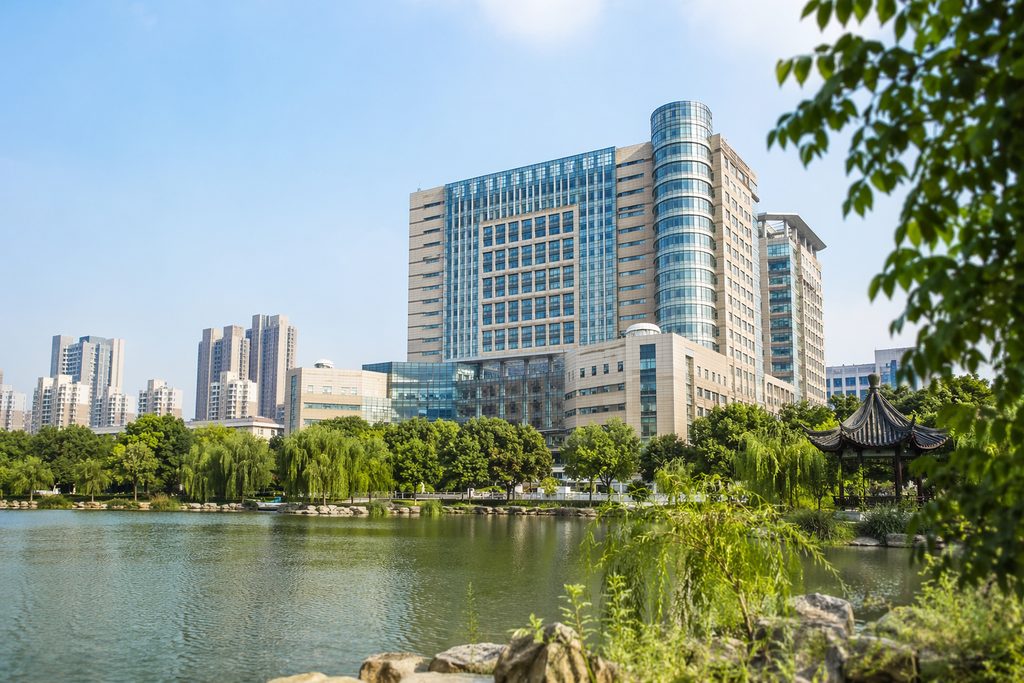
First Affiliated Hospital of Fujian Medical University Oncology for International Patients: Costs, Process, and What to Expect
When 47-year-old Daniel from Manchester received a stage III colorectal cancer diagnosis, his oncologist laid out a treatment plan that would cost roughly £85,000 privately. His insurance covered only a fraction. Daniel started searching for alternatives and landed on a phrase he had never typed before: oncology treatment cost China international patients. That search led him to Fuzhou, a coastal city in southeastern China, and to the First Affiliated Hospital of Fujian Medical University. The hospital treats over 2.8 million outpatients annually and operates more than 2,500 beds. For Daniel, the question was not whether the hospital had the technology. It was whether a foreigner could actually navigate the system, understand the pricing, and receive care that matched international standards. This article answers that question directly.
We work with international patients every week who ask the same thing: is cancer care in China for foreigners actually viable? The short answer is yes, with the right preparation. The longer answer involves understanding how a public hospital of this scale functions, what it costs, and where the real friction points are. Let’s walk through it.
How This Actually Works, Step by Step
The process starts long before you board a plane. Here is the sequence we guide patients through, based on how the First Affiliated Hospital of Fujian Medical University and similar top-tier public hospitals in China actually operate.
First, you send your existing medical records. That means pathology reports, imaging studies (CT, MRI, PET-CT), surgical notes if applicable, and your current treatment summary. All of this must be translated into Chinese. Translation quality matters more than most patients expect. A poorly translated pathology report can delay a treatment decision by weeks.
Second, the oncology department reviews your case. At a hospital of this size, that review is typically done by a team, not a single doctor. For complex cases, the hospital may convene a multidisciplinary team discussion. You receive a written treatment recommendation in return. This is not a prescription. It is an assessment of what the hospital can offer based on the records you provided.
Third, you decide whether to proceed. If you do, we coordinate an in-person consultation. Here is the part that surprises many Western patients: public hospitals in China do not typically allow overseas patients to book an outpatient appointment weeks in advance through a website. The registration system is designed for domestic patients who queue on the day. For international patients, the practical route is through the hospital’s international medical department or a designated coordination channel. This is where having a bilingual coordinator on the ground changes everything.
Fourth, you travel to Fuzhou, attend the consultation, and the hospital finalizes your treatment plan. Surgery, if needed, is scheduled after the in-person assessment. Chemotherapy or radiation therapy begins once the oncology team confirms the protocol.
Oncology Treatment Cost China International Patients: Real Numbers at First Affiliated Hospital of Fujian Medical University
Let’s talk about money, because that is usually the first question. The oncology treatment cost China international patients pay at a public hospital like this one is substantially lower than what the same protocols cost in the United States, the United Kingdom, or Australia. But the exact figure depends on the cancer type, stage, and treatment modality.
For a standard chemotherapy regimen, international patients should budget roughly $800 to $2,500 per cycle at a top-tier public hospital in China, depending on the drugs used. Immunotherapy agents, if prescribed, add significantly more. Radiation therapy for a solid tumor typically runs between $5,000 and $15,000 for a full course, depending on the technology. A complex surgical resection for colorectal or gastric cancer might cost $12,000 to $25,000. Compare that to the United States, where the same surgery routinely exceeds $60,000 before hospitalization, and the appeal becomes obvious.
But there is a catch. These prices are for the standard public channel. International patients who want English-speaking staff, priority scheduling, and a more Western-style experience will typically be routed through the hospital’s international or VIP department. Prices there run 1.5 to 2 times higher. You are paying for coordination, not better medicine. The chemotherapy drugs are the same.
| Treatment | China Public Hospital (International Dept.) | US Private Hospital | UK Private Hospital |
|---|---|---|---|
| Chemotherapy (per cycle) | $1,200 – $3,500 | $8,000 – $20,000 | $5,000 – $12,000 |
| Radiation therapy (full course) | $7,500 – $22,000 | $40,000 – $100,000 | $30,000 – $70,000 |
| Colorectal cancer surgery | $15,000 – $30,000 | $60,000 – $120,000 | $45,000 – $90,000 |
| Gastric cancer surgery | $14,000 – $28,000 | $55,000 – $110,000 | $40,000 – $85,000 |
All figures are ranges and vary by hospital and case complexity. The First Affiliated Hospital of Fujian Medical University international patient price structure follows this general pattern. You will receive a detailed quotation after the oncology team reviews your records and determines your protocol. No one can give you an accurate fixed price before that review happens. Be wary of any service that promises one.
A Realistic Timeline
Patients consistently underestimate how long the pre-treatment phase takes. Here is what you should actually plan for.
| Stage | What Happens | Duration |
|---|---|---|
| Week 1 | Gather and translate medical records; submit for review | 5-7 days |
| Week 2-3 | Oncology department reviews case; written opinion issued | 7-14 days |
| Week 3-4 | S2 visa application with hospital invitation letter | 5-10 business days |
| Week 4-5 | Travel to Fuzhou; in-person consultation and tests | 3-5 days |
| Week 5-6 | Treatment begins (chemo/radiation) or surgery scheduled | 1-2 weeks |
| Month 2-6 | Active treatment phase; follow-up imaging | Varies by protocol |
The waiting steps people forget are document translation and the visa. Translation alone can take a week if you are working with certified medical translators. The S2 visa requires an invitation letter from the hospital, which you cannot get until the hospital has formally accepted your case. That means the sequence matters: records first, hospital acceptance second, visa third. Attempting to reverse that order will stall the entire process.
What Can Go Wrong — and What Happens Then
Let’s be honest about the failure modes. They exist, and you should know them before you commit.
The most common problem is incomplete medical records. If your pathology slides are not available for re-review, or if your imaging is on a disc format the hospital cannot read, the oncology team cannot make a definitive assessment. The fix is simple but time-consuming: go back to your home hospital and request the missing items. We have seen this add three weeks to a timeline.
The second issue is mismatched expectations about the hospital experience. The First Affiliated Hospital of Fujian Medical University is a massive public institution. The outpatient halls are crowded. Wait times for non-urgent appointments can be long. English-speaking staff are concentrated in the international department, not throughout the hospital. If you arrive expecting a private clinic experience, you will be frustrated. If you arrive understanding what a top-tier Chinese public hospital actually is, you will be fine.
The third issue is treatment plan changes. After an in-person consultation, the oncology team may recommend a different approach than the written second opinion suggested. This is not a bait-and-switch. It is what happens when doctors see you in person, run fresh scans, and adjust accordingly. Budget flexibility for this.
If any of these occur, the recourse is straightforward: extend your stay, redo the affected step, or in rare cases, return home and continue remotely. No reputable coordinator will promise that everything goes perfectly. Ours never does.
Is Cancer Treatment Safe in China? Evaluating the First Affiliated Hospital of Fujian Medical University
The question “is cancer treatment safe in China” deserves a direct answer, not a defensive one. Safety depends on the institution, not the country. The First Affiliated Hospital of Fujian Medical University is a Grade 3A hospital, the highest classification in China’s public hospital system. It is a major teaching hospital affiliated with a medical university, which means it trains oncologists and conducts clinical research. Its oncology department ranks among the strongest in Fujian province and is recognized in national specialty evaluations.
What does that mean for a foreign patient? It means the chemotherapy protocols follow international guidelines. The surgical teams perform high volumes of cancer resections annually. The pathology and imaging departments use modern equipment. But it also means the hospital operates under Chinese healthcare regulations, which differ from FDA or EMA oversight in some areas. Drug approvals happen on a different timeline. Some immunotherapies available in the US are not yet approved in China, and a few China-developed drugs are not available in the West. Your oncologist at home should review the proposed protocol before you commit.
For patients researching the best cancer hospital Fujian for international patients, the First Affiliated Hospital consistently appears alongside Fujian Cancer Hospital and a handful of others. The choice between them often comes down to your specific cancer type and which department has the most experience with your presentation. That is a decision best made with a written second opinion, not a Google search.
Practical Considerations: Records, Visa, Payment, and Follow-Up
Here is what actually matters on the ground.
Medical records. You need everything: pathology reports, imaging CDs, surgical notes, chemotherapy history, current medications, and a summary letter from your oncologist. All documents must be translated into Chinese by a certified medical translator. Do not use machine translation for this. A mistranslated drug name or dosage can cause real harm.
Visa. Foreign nationals coming to China for medical treatment apply for an S2 visa, which covers short-term private affairs including medical treatment. Stays longer than 180 days require an S1 visa. Accompanying family members also apply for S2. The hospital provides the invitation letter after accepting your case. Visa approval is never guaranteed and depends on your nationality and the consulate’s current requirements.
Payment. Public hospitals in China require prepayment. You deposit funds at admission, and the hospital deducts from that balance as treatment proceeds. International insurance typically works on a reimbursement basis, meaning you pay upfront and claim afterward. Some international departments can provide the documentation your insurer needs. Confirm this before you arrive.
Language. This is the single biggest practical barrier. The hospital’s international department has English-speaking coordinators, but the wider hospital environment is Chinese-speaking. Blood draws, imaging, pharmacy pickups, and ward rounds all happen in Chinese. A bilingual medical companion who knows the hospital’s layout and processes saves you hours per day and prevents costly misunderstandings.
Follow-up at home. Before you leave China, request a complete treatment summary in English, including drug names, dosages, imaging results, and the recommended follow-up schedule. Your home oncologist needs this to continue your care. The hospital can provide it, but you must ask for it explicitly.
Frequently Asked Questions
The First Affiliated Hospital of Fujian Medical University international patient price varies by cancer type, stage, and treatment protocol. Chemotherapy typically ranges from $1,200 to $3,500 per cycle through the international department. Surgery for solid tumors generally falls between $15,000 and $30,000. A written second opinion costs $300 to $500. All figures are estimates and require a formal quotation after the oncology team reviews your records.
You cannot book specific chemotherapy sessions before an in-person consultation. The hospital must review your records, confirm the diagnosis, and have an oncologist see you in person before treatment begins. You can, however, complete the remote evaluation phase before traveling, which shortens your time in China. Some patients ask about book chemotherapy China medical tourism services that promise pre-booked treatment slots. Be skeptical of any service that claims to lock in a treatment date before the hospital has reviewed your case.
At top-tier public hospitals like the First Affiliated Hospital of Fujian Medical University, cancer care follows international treatment guidelines and is delivered by experienced oncology teams. The main differences from Western care are administrative: language barriers, prepayment requirements, and a less patient-centered outpatient experience. The medicine itself, at this level of institution, is comparable to what you would receive at a major academic medical center in the West.
The best cancer hospital Fujian for international patients depends on your specific diagnosis. The First Affiliated Hospital of Fujian Medical University is strong in surgical oncology and comprehensive cancer care. Fujian Cancer Hospital specializes exclusively in oncology and has high patient volumes in radiation therapy. A written second opinion from one or both institutions will clarify which is better suited to your case. Our team can coordinate that evaluation.
China does not issue a dedicated “medical visa.” Foreign patients coming for treatment apply for an S2 visa, which covers short-term private affairs including medical treatment. The hospital provides a supporting invitation letter. Accompanying family members also need S2 visas. For treatment plans exceeding 180 days, an S1 visa applies. Requirements vary by consulate and nationality.
Your Next Step
The oncology treatment cost China international patients pay at the First Affiliated Hospital of Fujian Medical University is a fraction of Western private rates, but the real value is access to a high-volume, research-active cancer center without a multi-month wait. The trade-off is administrative complexity. That is where we come in. China Medical Services helps international patients navigate the evaluation, translation, visa, and coordination process. We do not provide medical advice, and we do not promise outcomes. What we do is handle the logistics so you can focus on the decision that matters. If you want to know whether this hospital is right for your case, start with a written second opinion. Request a free consultation and we will walk you through the first step.
Getting cancer treatment in China is not the right choice for everyone. But for patients who need high-quality care at a price they can actually afford, it is an option worth understanding. The First Affiliated Hospital of Fujian Medical University has the clinical depth. The question is whether you have the right support to access it.
For more medical information and treatment options in China, visit chinamedservices.com (China Medical Services).
