Full Body Checkup in China: Value for Money in 2026
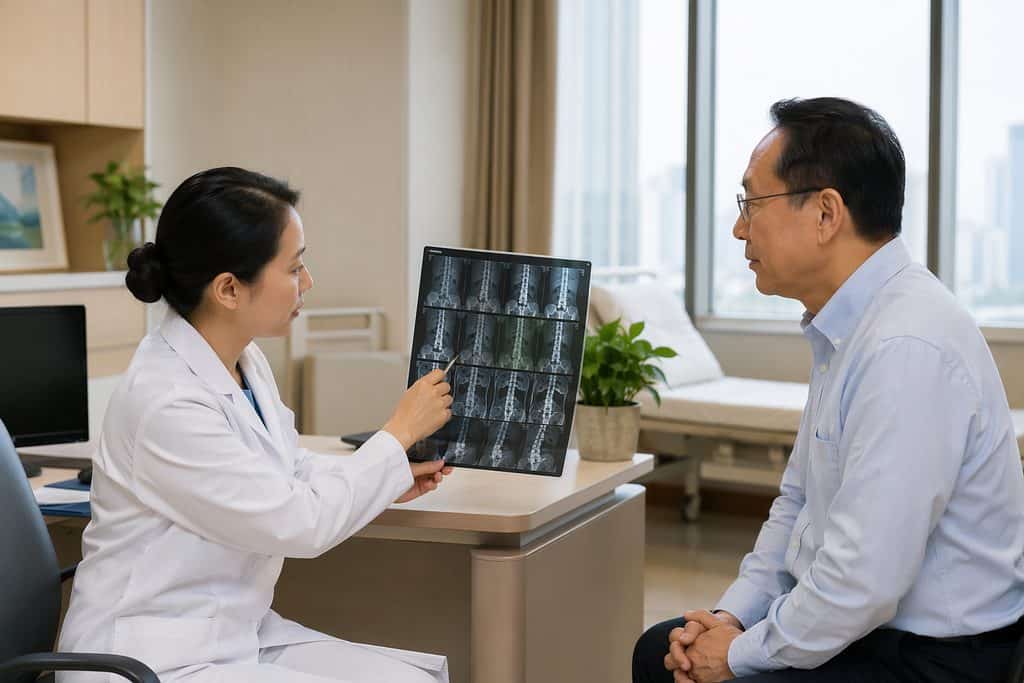
While a comprehensive executive physical at a major U.S. academic hospital routinely runs $2,500 to $5,000 out of pocket, a comparable full body checkup at a top-tier Chinese public hospital typically lands between $400 and $1,200 — and at some flagship facilities, the premium tier tops out near $3,000. That gap is not a marketing trick. It reflects a different cost structure, a different volume model, and a genuinely different set of trade-offs that most articles gloss over. Understanding the full body checkup cost China hospitals actually charge is the first step toward deciding whether the trip makes sense for you.
Full Body Checkup Cost China: The Short Answer
For a standard comprehensive screening at a reputable Chinese public hospital, expect to pay roughly $300 to $800. Add advanced imaging — low-dose chest CT, cardiac CT, MRI, or a colonoscopy under sedation — and the range climbs to $900 to $1,800. Executive or VIP packages at private international hospitals in Shanghai and Beijing run $1,500 to $4,000.
Those numbers are all-inclusive in a way Western pricing rarely is. Blood panels, ultrasound, ECG, physician review, and a printed report are bundled. What varies is the depth of imaging and whether you are paying public-hospital rates or private-hospital rates.
The single biggest driver of price is not the hospital’s reputation. It is how much imaging you include. A blood-and-ultrasound screening and a full-body MRI package can differ by a factor of four at the same facility.
Who This Is Right For — and Who It Isn’t
A health screening trip to China makes sense for a specific kind of traveler. It makes far less sense for others, and saying so plainly is more useful than pretending otherwise.
Typically a good fit:
- Adults 40+ who want a thorough baseline including imaging that would cost far more at home
- People with a family history of cancer, heart disease, or diabetes who want earlier, deeper screening
- Travelers already planning a trip to China for work or family, who can fold a checkup into the itinerary
- Patients who have been quoted long waits or high prices domestically for a specific scan
- Anyone wanting a second data point on an existing condition, with a written report in English
Probably not the right move:
- Anyone with acute symptoms — chest pain, unexplained weight loss, bleeding. That needs a diagnostic workup, not a screening package. Go to a doctor where you live, now.
- Patients whose insurance only reimburses domestically and who cannot absorb the cost
- People who cannot travel for medical reasons, or who need follow-up that requires continuity of care at home
- Anyone expecting a Western-style primary-care relationship from a single screening visit. You will get a report, not a long-term physician.
The Options, Compared
Three tiers dominate the market, and they are not simply “cheap, medium, expensive.” They differ in who performs the exam, how fast you are seen, and how the results are delivered.
| Tier | Typical Price | Setting | Language Support | Best For |
|---|---|---|---|---|
| Standard public hospital screening | $300–$800 | Public tertiary hospital, high volume | Limited English; interpreter usually needed | Budget-conscious, straightforward screening |
| Public hospital international / VIP unit | $700–$1,800 | Dedicated international department | English-speaking staff, appointment-based | Balance of quality and comfort |
| Private international hospital | $1,500–$4,000 | JCI-accredited private facility | Full English service, insurance direct billing | Convenience, insurance, Western-style experience |
Which column fits you depends on two questions. Do you need English-language service throughout, and do you need the report to be billable to an international insurer? If both answers are yes, the private tier earns its premium. If not, a public hospital’s international unit delivers most of the clinical value at roughly half the price.
Best Hospitals for Full Body Checkup in Shanghai and Beijing
At public hospitals, generally no — standard outpatient registration happens in person on the day. International and VIP departments do accept advance appointments, and that is the route most foreign patients take. It costs more but avoids a long unassisted queue.
Yes, for most nationalities. The S2 category covers short stays for medical treatment and private affairs, and accompanying family members apply under the same category. Requirements change, so verify current rules with your nearest Chinese embassy or consulate before booking flights.
At private international hospitals, usually yes. At public hospitals, reports are typically issued in Chinese, and you will need translation. Ask about English reporting before you book — it is a reasonable question and the answer varies by facility.
For many international patients, yes — especially when the package includes imaging that would cost several times more at home. But it depends on whether you can understand and act on the results, and whether the screening is medically appropriate for your age and risk profile. Discuss that with a physician you trust.
Your Next Step
The core message is simple: a full body checkup in China can deliver substantially more screening for the money, provided you choose the right tier, plan the visa correctly, and arrange language support in advance. The savings are real. So are the logistical hurdles, and pretending otherwise would not serve you.
We are China Medical Services — a coordination team, not a hospital. We do not diagnose or treat. What we do is help international patients match with appropriate hospitals, arrange appointments, and provide bilingual support on the ground. If you would like to talk through whether a screening trip fits your situation, you can start a free consultation with no obligation.
This article is for general information only and is not medical advice. Screening decisions should be made with a qualified physician who knows your history. Prices are indicative and vary by hospital and case complexity.
Frequently Asked Questions
Yes. The hospitals used for international patients are JCI-accredited and follow the same international safety standards as top hospitals in the US and Europe. Surgical teams perform high volumes of procedures — often more than their Western counterparts — which studies show leads to better outcomes.
Costs vary by procedure and hospital, but international patients typically save 40-80% compared to US prices — even when factoring in travel and accommodation. A consultation with our team will give you an exact, all-inclusive quote with no hidden fees.
Send us your existing medical reports to get started. We handle everything from hospital selection and appointment scheduling to visa assistance and post-operative recovery planning. Your medical records are reviewed by the specialist before you even book a flight.
For more medical information and treatment options in China, visit chinamedservices.com (China Medical Services).
