Grade 3A Hospital: What It Means and How to Check
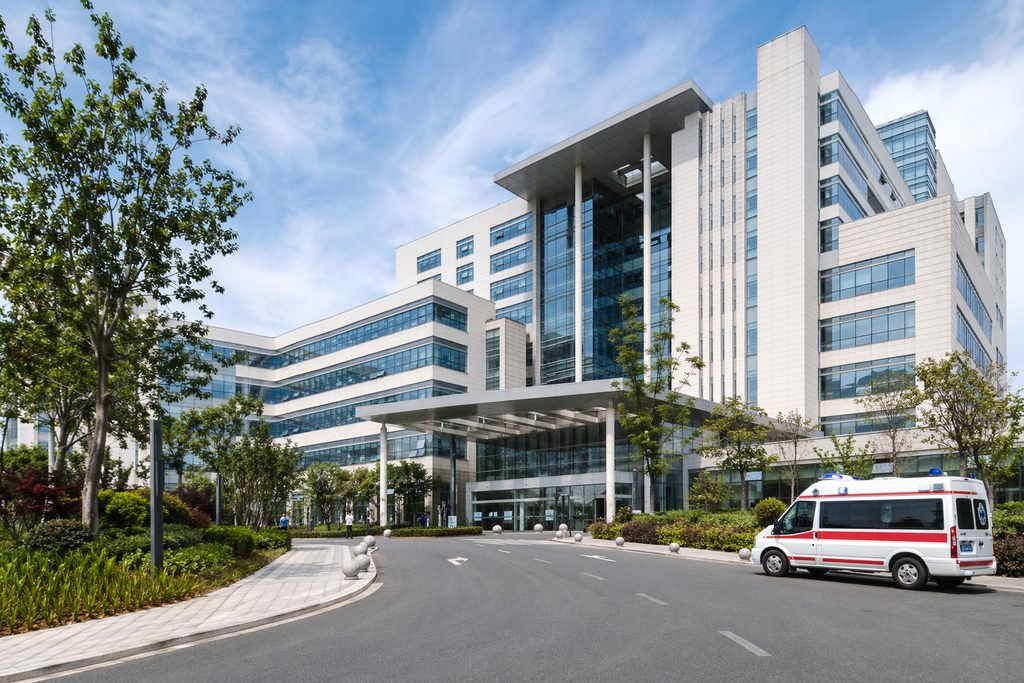
You have probably heard that China’s hospital ratings are confusing, maybe even meaningless for foreign patients. The reality is the opposite: the “Grade 3A” designation is a rigorous, government-administered benchmark that separates roughly the top 5% of China’s 35,000+ hospitals from everyone else. If you are considering treatment in China, understanding this tier is the single most important first step. Our team at China Medical Services has spent years helping international patients navigate exactly this landscape, and the question we hear most often is simple: what is a grade 3a hospital in China, and how do I know which ones are legitimate?
Key Takeaways
- A Grade 3A hospital is the highest official rating in China’s three-tier, nine-level hospital classification system, held by only about 1,700 of the country’s 35,000+ hospitals.
- The rating evaluates bed capacity, clinical department coverage, staffing ratios, equipment standards, teaching and research output, and management systems — not just patient reviews.
- You can verify a hospital’s Grade 3A status through official provincial health commission websites, but most are in Chinese, which is why a curated grade 3a hospital list China patients can actually use matters.
- Grade 3A status confirms infrastructure and administrative standards, but it does not guarantee English-speaking staff or international patient coordination — that requires a separate layer of verification.
The Problem: Hospital Ratings Are Not What You Think They Are
Every year, approximately 200,000 foreign patients seek medical care in China, according to data reported by China’s National Health Commission. Most arrive with a referral from a friend, a Google search result, or a name they recognized from a news article. Very few understand what the hospital’s official grade actually means. That gap creates real risk. A hospital can have a beautiful website in English and still lack the clinical infrastructure to handle complex cases safely.
The confusion is understandable. China has over 35,000 hospitals. They range from small township clinics to massive academic medical centers with 5,000+ beds. Without a reliable way to sort them, patients default to brand recognition. But brand recognition is a poor proxy for clinical capability. Peking Union Medical College Hospital is famous for good reason. So is Fuwai Hospital for cardiac surgery. Yet there are dozens of other Grade 3A institutions with equally strong departments that most foreign patients have never heard of.
What happens if you choose wrong? You might arrive at a hospital that cannot handle your case complexity. You might face long waits because you picked a facility with no international patient pathway. Or you might pay private-clinic prices for care that a top public hospital would deliver at a fraction of the cost. The grade system exists precisely to prevent this confusion — but only if you know how to read it.
Why the Grade 3A Designation Actually Matters
China’s hospital accreditation system was formalized in 1989 and has been revised multiple times since. The latest national standards, issued by the National Health Commission, evaluate hospitals across dozens of quantitative and qualitative indicators. A hospital does not simply apply for Grade 3A status. It undergoes a multi-year preparation process followed by an on-site review from provincial health authorities. The review covers everything from nurse-to-bed ratios to surgical volume thresholds to infection control protocols.
Clinical Volume Drives Competence
Grade 3A hospitals are, by definition, high-volume institutions. Fuwai Hospital in Beijing performs over 14,000 cardiac surgeries annually — the highest volume of any cardiovascular center in the world. Zhongshan Hospital affiliated with Fudan University in Shanghai handles more than 4 million outpatient visits per year. This matters because surgical outcomes correlate strongly with case volume. A surgeon who performs 300 liver resections annually simply has a depth of experience that a surgeon performing 30 cannot match. The Grade 3A system channels complex cases toward these high-volume centers.
Structural Standards You Can Actually Verify
Grade 3A hospitals must maintain minimum thresholds for bed count, department coverage, and equipment. The standards require, for example, that a Grade 3A general hospital operates at least 500 beds and maintains full departments in internal medicine, surgery, obstetrics and gynecology, pediatrics, emergency medicine, anesthesiology, and laboratory medicine. Specialized hospitals have adjusted requirements but the principle holds: the grade certifies that the institution has the physical and human infrastructure to manage serious illness.
Cost Advantage Without Quality Compromise
Here is the part most foreign patients find hard to believe. A coronary artery bypass graft at a top Grade 3A public hospital in Beijing typically costs between $12,000 and $20,000. The same procedure in the United States averages over $120,000. That is an 80-90% reduction. The lower cost is not because Chinese surgeons are less skilled. It is because labor costs, facility overhead, and administrative expenses are structurally lower. Grade 3A public hospitals operate on thin margins and enormous volume. The economics work differently — not worse.
How to Check If a Hospital Is Grade 3A: A Step-by-Step Verification Process
You cannot rely on a hospital’s own website. Many private hospitals in China use marketing language that implies government endorsement without actually holding Grade 3A status. The official verification process requires checking provincial health commission records. Here is how it works in practice.
First, identify the hospital’s full Chinese name and registered address. Every Grade 3A hospital is registered with a provincial-level health commission, and the commission publishes lists of accredited institutions. These lists are public records. The challenge is that they are almost always published in Chinese, often as PDF documents on government websites that are difficult for foreigners to navigate.
Second, cross-reference the hospital’s claimed grade against the official list. If the hospital says it is Grade 3A but does not appear on the provincial health commission’s published list, that is a red flag. Some hospitals claim “international standards” or “Grade 3A equivalent” — these phrases have no official meaning.
Third, look for secondary signals. Grade 3A public hospitals are typically teaching hospitals affiliated with a major university. They publish research in indexed journals. They appear on the Fudan University hospital rankings, which is the most authoritative independent ranking in China. The Fudan rankings divide the top 100 general hospitals into five tiers from A++++ to A, without assigning specific numerical ranks. A hospital that appears on this list is almost certainly Grade 3A.
For international patients, a curated grade 3a hospital list China travelers can actually use is more practical than navigating provincial government websites. Our database covers 340+ top-ranked hospitals across 37 Chinese cities, each verified against official accreditation records and the Fudan rankings. That saves hours of Chinese-language research and eliminates guesswork.
Top Grade 3A Hospitals in Shanghai for Foreigners: What Actually Matters
Shanghai has 18 hospitals on the Fudan Top 100 list — the second-highest concentration in China after Beijing’s 21. But “top grade 3a hospitals in Shanghai for foreigners” is a search phrase that misses the real question. The grade tells you the hospital is excellent. It does not tell you whether the hospital can serve a non-Chinese-speaking patient effectively.
Shanghai’s Grade 3A public hospitals fall into two practical categories for international patients. The first category includes hospitals with dedicated international medical departments. Zhongshan Hospital, Ruijin Hospital, and Huashan Hospital all operate international wings with English-speaking staff, streamlined registration, and experience coordinating with overseas insurers. The second category includes Grade 3A hospitals that are clinically outstanding but have limited international patient infrastructure. You can absolutely receive excellent care at these hospitals, but you will need a bilingual medical companion to handle registration, queueing, payment, and translation.
The cost difference between the two categories is significant. International department pricing typically runs 1.5 to 2 times the standard public rate. A standard outpatient consultation at a Shanghai Grade 3A hospital might cost $15-30. The same consultation through the international department might cost $50-80. Both are dramatically cheaper than equivalent care in the US or Europe, but the gap matters for budgeting.
For a deeper look at specific institutions, our Shanghai hospital guide breaks down which Grade 3A hospitals have the strongest international patient programs and which are better suited to patients traveling with a companion.
Grade 3A Hospital Treatment Cost for International Patients: Real Numbers
Cost transparency is rare in Chinese public hospitals. The official price lists are public but published in Chinese and vary by province. Here is what international patients should expect to pay at Grade 3A public hospitals, based on published price schedules and our coordination experience. All figures are in USD and vary by hospital and case complexity.
| Procedure | Grade 3A Public Hospital (Standard) | Grade 3A International Department | US Average (for reference) |
|---|---|---|---|
| Coronary artery bypass graft | $12,000 – $20,000 | $20,000 – $35,000 | $120,000+ |
| Total knee replacement | $8,000 – $15,000 | $15,000 – $25,000 | $35,000 – $50,000 |
| Laparoscopic cholecystectomy | $2,500 – $5,000 | $5,000 – $8,000 | $15,000 – $25,000 |
| PET-CT scan | $800 – $1,200 | $1,200 – $1,800 | $3,000 – $6,000 |
| Outpatient specialist consultation | $15 – $30 | $50 – $80 | $200 – $400 |
These are reference ranges, not quotes. The final price depends on the specific hospital, the complexity of your case, the length of stay, and whether complications arise. Public hospitals in China require prepayment for procedures, with insurance reimbursement handled after the fact. Private international hospitals, by contrast, often bill insurers directly — but their prices run closer to Western levels.
One structural note: Grade 3A public hospitals cannot legally charge foreign patients different prices from Chinese patients for the same service in the standard track. The international department track is a different service tier with different pricing. That is the honest explanation for the price gap — it is not discriminatory pricing, it is a separate service level with English support and expedited scheduling.
Book Appointment Grade 3A Hospital Beijing: The Reality of Scheduling
Many international patients assume they can book a Grade 3A hospital appointment in Beijing online before traveling. The reality is more complicated. Standard outpatient registration at public Grade 3A hospitals opens on a daily basis, typically at 7:00 AM, and fills within minutes for top specialists. You cannot reserve a standard-track appointment weeks in advance from overseas. The system simply does not work that way.
What you can do is book through the hospital’s international medical department. These departments accept advance reservations, usually via phone or email, and can schedule consultations with senior specialists. The tradeoff is cost: international department consultations run $50-80 versus $15-30 for standard track. For many patients, that premium is worth it for the certainty of a confirmed appointment time and English-speaking coordination.
There is a third option. Some Grade 3A hospitals in Beijing accept proxy registration through authorized medical coordination services. A local representative physically visits the hospital, creates a medical card in your name, and registers you for a specific department. This works for standard-track appointments and costs less than the international department, but it requires trusting the coordinator with your personal and medical information. Our consultation service includes this proxy registration option for patients who want standard-track pricing with logistical support.
Practical Considerations: Documentation, Visas, and Payment
If you are planning treatment at a Grade 3A hospital in China, three practical matters need attention before you book anything.
First, your medical records. Bring everything: imaging files on CD or USB, pathology reports, surgical history, current medication list, and a summary letter from your primary physician. Chinese specialists will want to review original imaging, not just written reports. Have key documents translated into Chinese if possible. A written second opinion from a top Grade 3A specialist typically costs $300-500 and requires these records to be submitted in advance.
Second, your visa. Medical treatment in China requires an S2 visa, which is the short-stay category for private affairs including medical treatment. Your accompanying family members also apply for S2 visas. The hospital’s international department or your coordination service will provide a treatment confirmation letter and hospital admission documents to support the visa application. The M visa is for commercial and trade activities and is not appropriate for medical travel. Processing times vary by embassy, so start the visa process at least 4-6 weeks before your planned travel date.
Third, payment. Public Grade 3A hospitals require prepayment for inpatient procedures. Bring a credit card that works internationally and be prepared to pay a deposit at admission — typically 50-100% of the estimated procedure cost. If your insurance covers treatment in China, you will need to pay upfront and submit claims for reimbursement. Some international departments have direct billing arrangements with major insurers, but this is the exception, not the rule. Confirm payment terms with the specific hospital before you travel.
Frequently Asked Questions
China classifies hospitals into three grades (1, 2, and 3), with Grade 3 being the highest. Each grade has three sub-levels (A, B, and C), making Grade 3A the top tier. The designation is awarded by provincial health commissions after a comprehensive on-site review covering infrastructure, staffing, clinical capabilities, and management systems. Only about 1,700 of China’s 35,000+ hospitals hold Grade 3A status.
No. Grade 3A is a floor, not a ceiling. The designation confirms that a hospital meets high minimum standards, but there is enormous variation among Grade 3A institutions. The Fudan University rankings attempt to differentiate the top 100 general hospitals into five tiers, but even these rankings are broad. For specific conditions, you need to look at department-level reputation. A hospital that is average overall might have one of the best oncology departments in the country. Our department-level hospital rankings address exactly this gap.
No. “Grade 3A equivalent” has no official meaning. A hospital either holds Grade 3A accreditation from a provincial health commission or it does not. Some private hospitals use this language to suggest a level of quality they have not been officially awarded. Always verify against official accreditation records or a curated database that cross-references government sources.
At a standard-track public Grade 3A hospital, most doctors speak limited English. You will need either a bilingual companion or treatment through the hospital’s international department, where English-speaking staff are available. International departments cost 1.5 to 2 times the standard rate but provide translation, expedited scheduling, and experience with foreign patients. For standard-track care, a bilingual medical companion is essential for registration, queueing, payment, and clinical translation.
Chinese Grade 3A hospitals have formal complaint and medical dispute resolution procedures. The challenge for foreign patients is navigating these procedures in Chinese. If you are treated through an international department, the department staff will assist with any issues that arise. If you are in the standard track, your bilingual companion or coordination service should be your first point of contact. Chinese medical malpractice law differs from Western systems, so understand your legal position before treatment. In practice, top Grade 3A hospitals take their international reputation seriously and work to resolve issues before they escalate.
Your Next Step
Understanding what a Grade 3A hospital is — and how to verify one — puts you ahead of most international patients. The grade is real, it is verifiable, and it is the single most reliable signal of clinical infrastructure in China’s hospital system. But it is only the starting point. The right hospital for your specific condition, budget, and language needs requires looking beyond the grade to department-level reputation and international patient infrastructure.
That is where our team comes in. China Medical Services maintains a verified database of 340+ top-ranked hospitals in 37 Chinese cities, each checked against official accreditation records. We help you identify the right hospital, coordinate appointments, arrange bilingual companionship, and navigate the practical logistics of treatment in China. We are not a hospital and we do not provide diagnoses. We are the bridge between you and the medical expertise you need. If you are considering treatment in China, start with a free consultation — we will help you understand your options with no pressure and no obligation.
You now know what Grade 3A means and how to check it. The next step is finding the right Grade 3A hospital for your
For more medical information and treatment options in China, visit chinamedservices.com (China Medical Services).
