Guangdong Provincial People’s Hospital: Help for International Patients
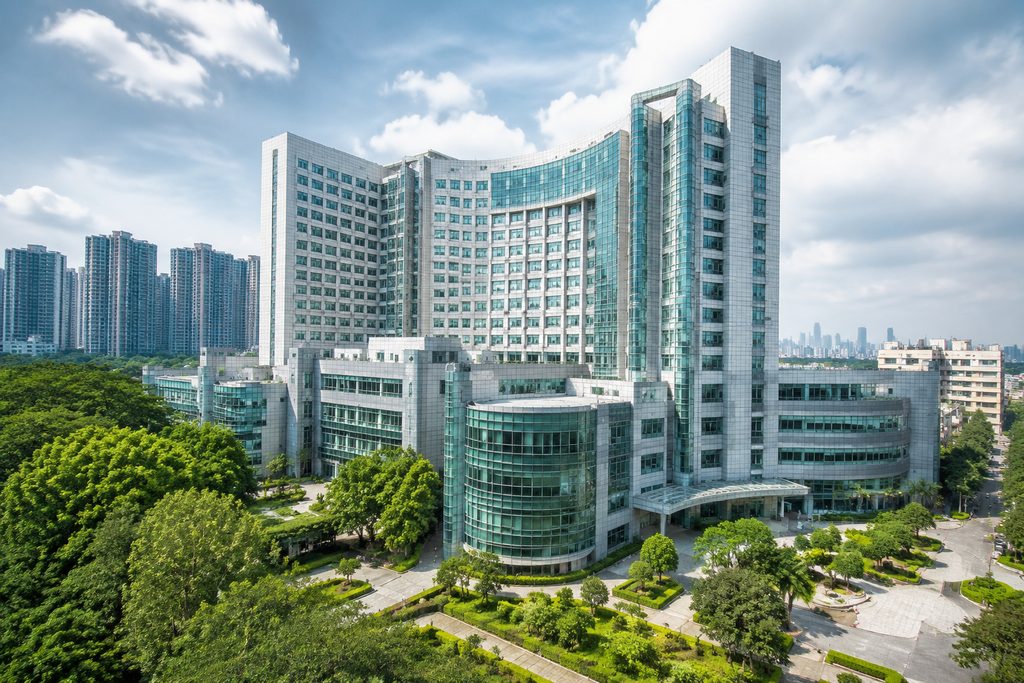
Guangdong Provincial People’s Hospital: Help for International Patients
When 54-year-old Sarah from Melbourne was told she needed a complex cardiac procedure, her first instinct was to look beyond Australia’s public waitlists. A colleague mentioned Guangzhou. She typed “Guangdong Provincial People’s Hospital” into Google and hit a wall of Chinese-language pages. That wall is exactly where Guangdong Provincial People’s Hospital international patient services come in — and it’s the gap our team helps close every week.
Here’s the short version: Guangdong Provincial People’s Hospital (GDPH) is one of southern China’s largest and most respected public tertiary hospitals, and it does treat foreign patients. But the pathway isn’t a simple online booking. It runs through the hospital’s international department, requires documentation, and rewards preparation. This guide walks you through what’s realistic, what it costs, and where the friction points are.
Who This Hospital Is Right For — and Who It Isn’t
GDPH sits in Guangzhou, a city with 10 hospitals on the Fudan Top 100 rankings — third in China after Beijing and Shanghai. That density matters. It means competition, specialization, and genuine depth across cardiology, oncology, orthopedics, and more.
Patients who tend to do well here:
- Adults with a confirmed diagnosis seeking a second surgical opinion or a specific procedure
- Patients facing long waitlists at home for cardiac, orthopedic, or oncological care
- Families comfortable with a large, busy public hospital environment (single-day outpatient volumes can exceed 10,000)
- Travelers from Southeast Asia, the Middle East, and Russia who already have some familiarity with China
Patients who should think twice:
- Anyone expecting a Western-style private hospital experience with concierge service at every step
- Patients with unstable, acute conditions who cannot safely fly
- Those who need a guaranteed appointment with a named professor on a specific date — public hospitals don’t work that way
- People unwilling to travel with a companion or interpreter
Being honest about this saves everyone time. A hospital that’s wrong for you is worse than no hospital at all.
The Options, Compared
Foreign patients in Guangzhou generally choose between three tiers. None is universally “best” — it depends on your condition, budget, and tolerance for crowds.
| Option | Typical Cost Range | English Support | Booking Lead Time | Best For |
|---|---|---|---|---|
| GDPH International Dept / VIP channel | $12,000–20,000 for major surgery | Yes, dedicated staff | 2–6 weeks | Complex cases, senior specialists |
| GDPH standard outpatient | Lower, varies widely | Limited | Same-day queue | Simple consultations |
| Private international hospital (Guangzhou) | 2–4x public rates | Full English, JCI | Days to weeks | Comfort, insurance billing |
If your priority is a specific senior surgeon and you can handle a busy environment, the international department is the sweet spot. If comfort and English-first service matter more than price, a private hospital like those listed on our private international hospitals page may suit you better.
What “International Patient Services” Actually Means Here
This is the part most search results get vague about. At GDPH, international patient services typically include a dedicated reception desk, English-speaking coordinators, assistance with registration and payment, and help navigating the physical campus. What they generally do not include is remote pre-booking of a standard outpatient slot from overseas.
That’s a national rule, not a GDPH quirk. Public hospital outpatient appointments in China are usually issued the same day, in person. Surgery, in turn, requires an in-person consultation first. So the realistic sequence for a foreign patient looks like this:
- Send your existing imaging and reports for a remote review
- Get a written opinion on whether treatment here is feasible
- Travel to Guangzhou for an in-person consultation
- Receive a surgical plan and date, subject to hospital scheduling
Is Guangdong Provincial People’s Hospital Good for International Patients?
By Chinese standards, yes — it’s a major tertiary center with an established international desk. By the standards of a Singapore or Dubai private hospital, it’s a different animal. The campus is enormous, corridors are busy, and signage outside the international area is mostly Chinese.
What international patients consistently report (and what our team observes on the ground):
- Clinical quality is high; the specialists are experienced
- Administrative friction is real without language support
- Costs are dramatically lower than the US or Western Europe for equivalent procedures
- Wait times for consultations are short compared to public systems in the UK, Canada, or Australia
Guangdong Provincial People’s Hospital reviews from international patients tend to split along one line: those who arranged language and logistics support had smooth experiences; those who tried to wing it did not. That’s not a sales pitch — it’s the pattern.
What It Costs: A Realistic Breakdown
Costs vary by hospital and case complexity, and no responsible source will quote you a fixed number before seeing your records. But broad ranges help you plan.
| Service | Typical Range (USD) |
|---|---|
| Cardiac bypass surgery | $12,000–20,000 |
| Hip or knee replacement | $8,000–15,000 |
| Oncology consultation and workup | $500–3,000 |
| Comprehensive health screening | $400–1,500 |
For comparison, the same cardiac bypass in the US frequently exceeds $120,000. That gap — roughly 1/5 to 1/10 — is the single biggest reason foreign patients consider China. What’s not included: international flights, accommodation, meals, and any follow-up care after you return home.
Public hospitals require prepayment; insurance reimbursement happens afterward, in your home country. Private international hospitals often bill insurers directly, which is one reason some patients accept the higher sticker price.
How to Book an Appointment at Guangdong Provincial People’s Hospital
Direct online booking from overseas is generally not available for standard outpatient slots. The workable paths are:
- International department: contact them directly, submit records, await a coordinator’s response
- Through a coordination service: we handle registration, medical card creation, and an in-person proxy visit using your materials
- In person on arrival: possible, but slow and language-dependent
Whichever route you take, prepare these documents in advance: passport copy, visa, prior imaging (DICOM files where possible), pathology reports, medication list, and a translated summary of your history. Missing records are the number-one cause of delays.
Practical Considerations: Visa, Payment, and Language
For medical travel to China, the applicable short-stay visa category is S2, used for medical treatment and private affairs, subject to the latest embassy or consulate requirements and supporting hospital documents. Accompanying family members apply under the same category. Note carefully: the M visa is for commercial and trade activities and is not a medical visa — a common and costly mistake.
Payment: public hospitals take prepayment via bank transfer or card; bring confirmation of any transfer. Insurance: most international policies reimburse rather than pay upfront at public hospitals — check your policy’s China coverage before you travel.
Language is the biggest practical hurdle. A hospital this size runs on Chinese, and without support, even finding the right building can consume half a day. This is where a bilingual medical companion earns their keep — handling registration, queueing, payment, wayfinding, and translation while you focus on your health.
Frequently Asked Questions
Not for standard outpatient slots — those are issued in person, same-day. You can contact the international department in advance, or use a coordination service to prepare registration and a proxy visit. Surgery always requires an in-person consultation first.
For major surgery, usually yes — often 1/5 to 1/10 of US prices. But factor in flights, accommodation, and follow-up care. The total picture matters more than the surgery line item.
Complications are a risk anywhere. GDPH is a large tertiary hospital with full emergency capacity, but you should discuss contingency plans, insurance coverage, and repatriation options with your home physician before traveling. We do not provide clinical care and cannot guarantee outcomes.
If you don’t speak Mandarin, yes — at least for administrative steps. Clinical interpretation matters too, especially for informed consent.
Your Next Step
The core message is simple: GDPH can be an excellent choice for the right patient, but the pathway rewards preparation and punishes improvisation. Our team at China Medical Services connects international patients with 340+ top-ranked hospitals across 37 cities. We are not a hospital and we don’t diagnose — we handle records, coordination, and bilingual support so you can make an informed decision. If you’d like a free, no-pressure conversation about whether Guangzhou fits your situation, start here: request a free consultation.
For more medical information and treatment options in China, visit chinamedservices.com (China Medical Services).
